Description
The reindeer (Rangifer tarandus), also known as caribou in North America, is a medium- to large-sized deer with a broad distribution across the Arctic and subarctic regions of the Northern Hemisphere. It occurs throughout northern Scandinavia, Russia, Alaska, Canada, Greenland, and several Arctic islands, occupying some of the harshest terrestrial environments on Earth.
Adults typically measure 160–220 cm (63–87 in) in body length, stand around 85–150 cm (33–59 in) at the shoulder, and weigh between 60 and 300 kg (130–660 lb), depending on sex and subspecies. Males are generally larger and heavier than females, with more massive antlers and broader necks. Reindeer are uniquely adapted to cold climates, with a thick double-layered coat consisting of dense underfur and hollow guard hairs that provide excellent insulation and buoyancy when swimming.
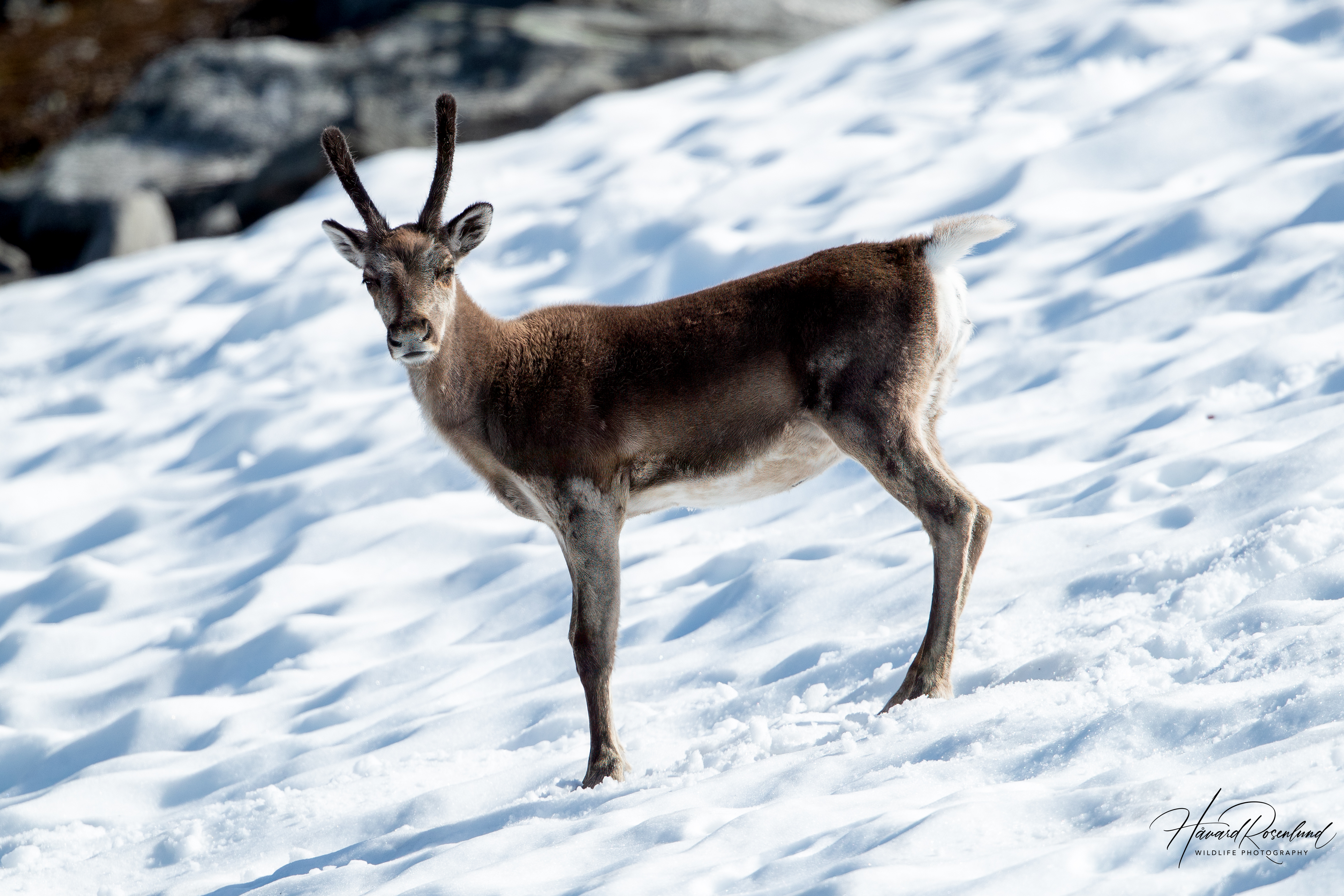
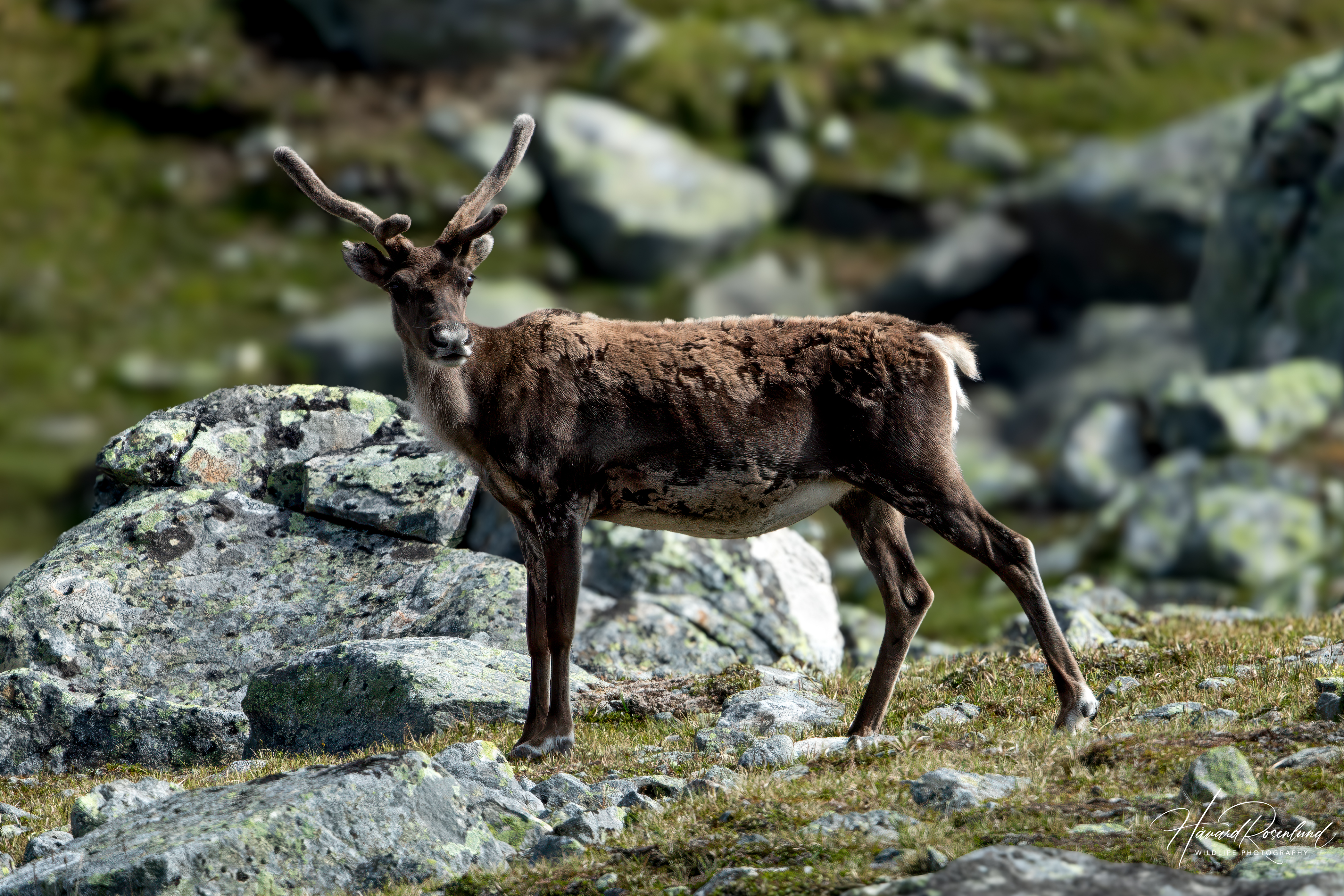
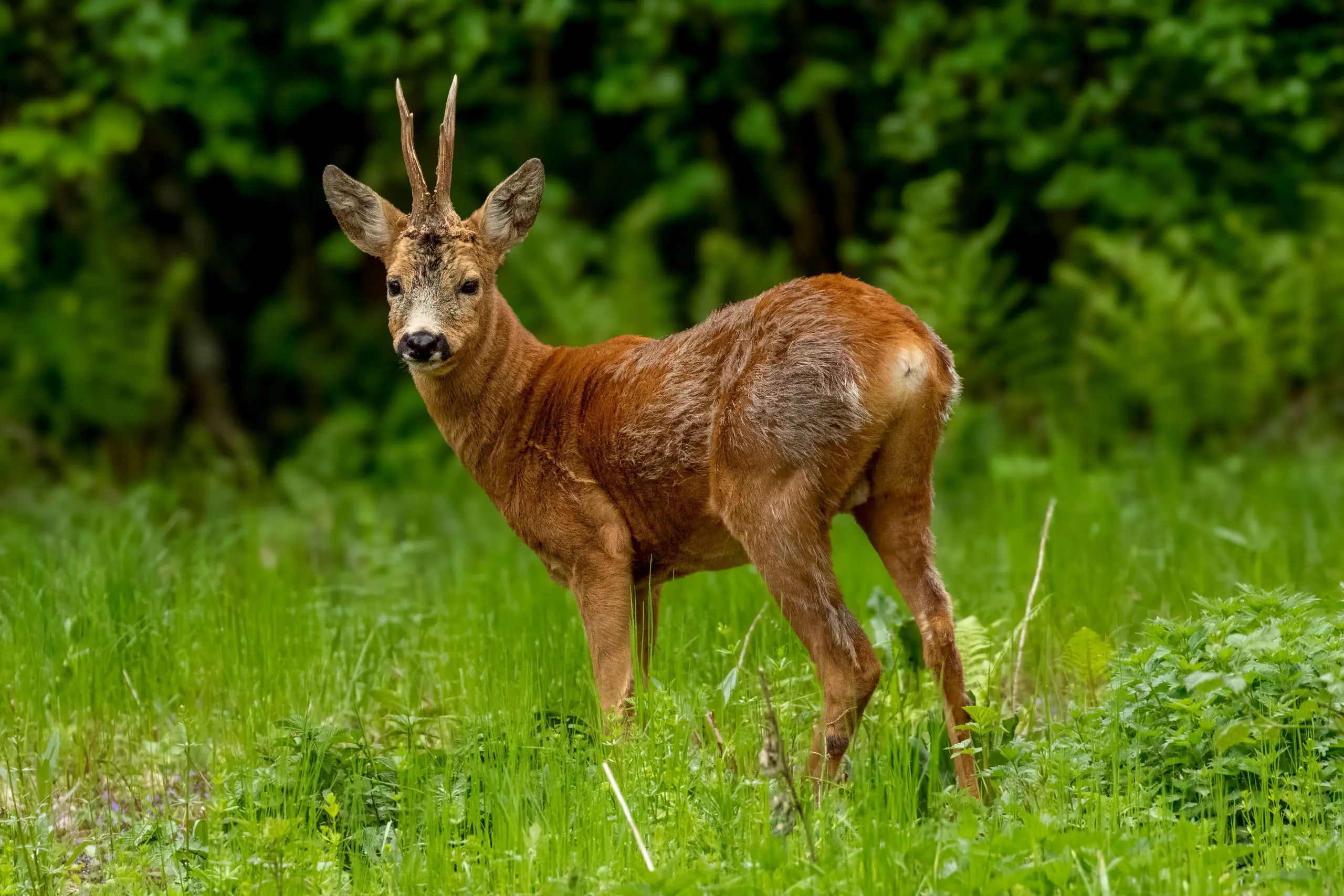
Coloration varies seasonally and geographically, ranging from pale grey and whitish in Arctic populations to darker brown in forest-dwelling forms. The muzzle is blunt, the legs relatively short and sturdy, and the hooves are wide and crescent-shaped, adapting seasonally to snow, ice, tundra, and soft summer ground.
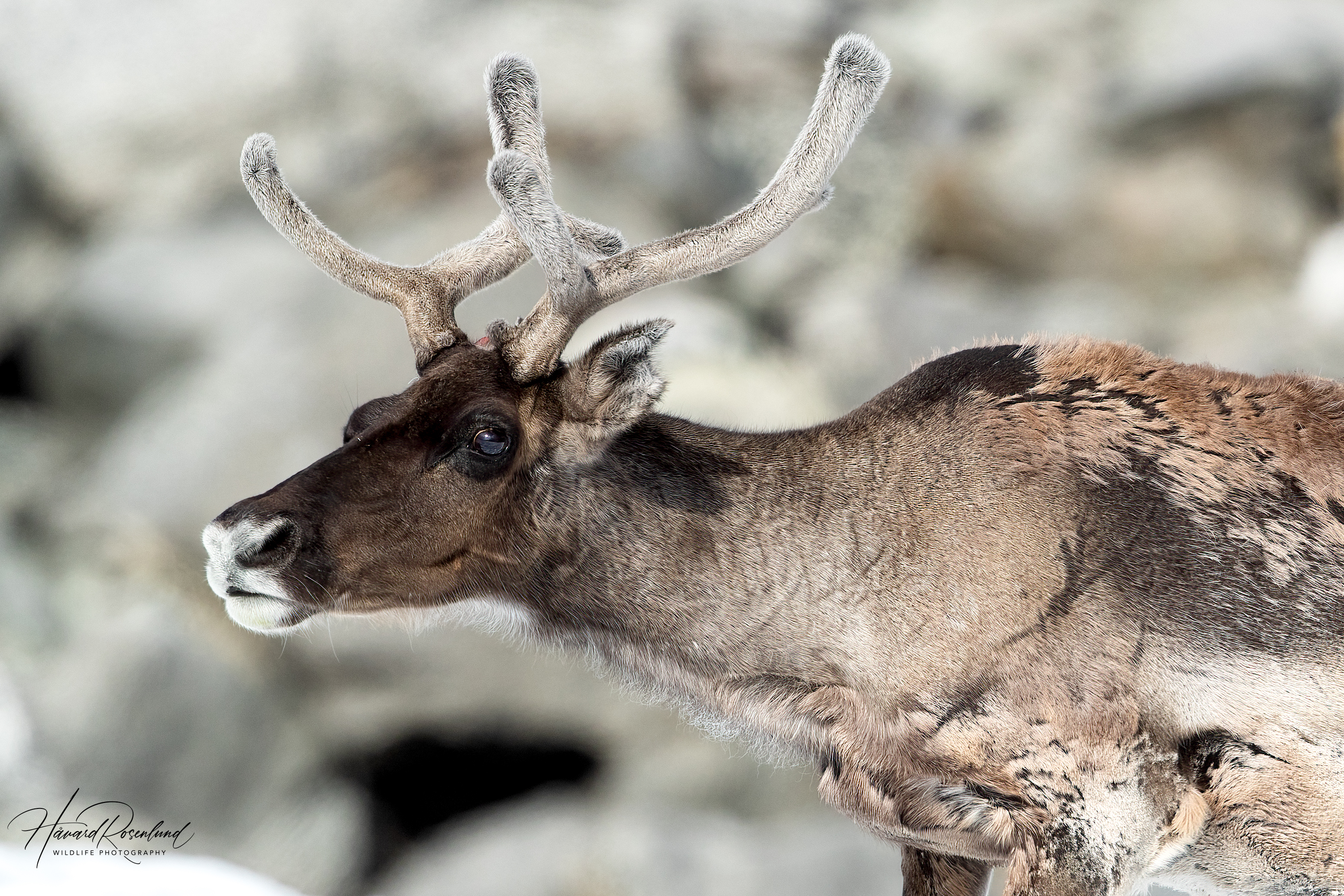
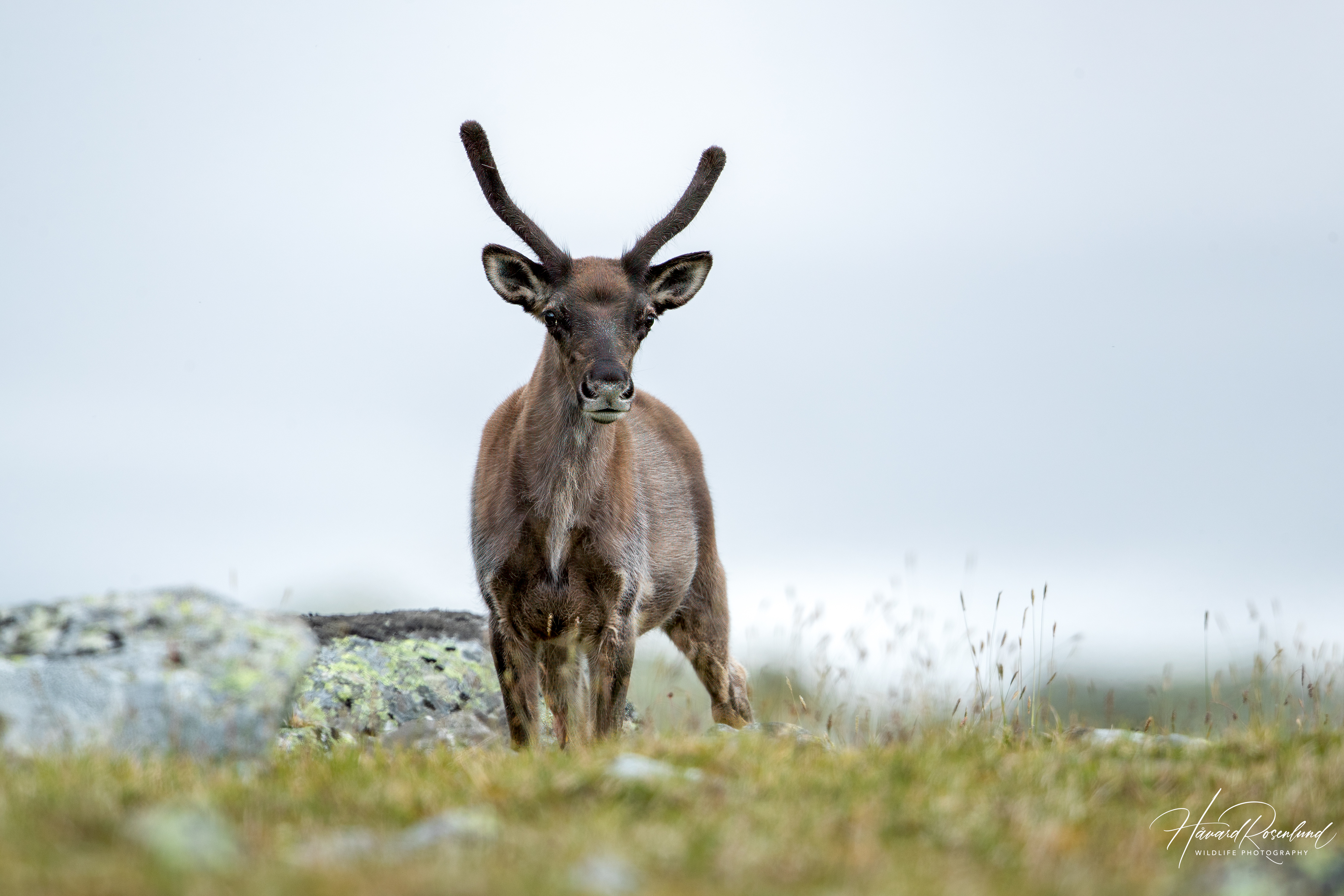
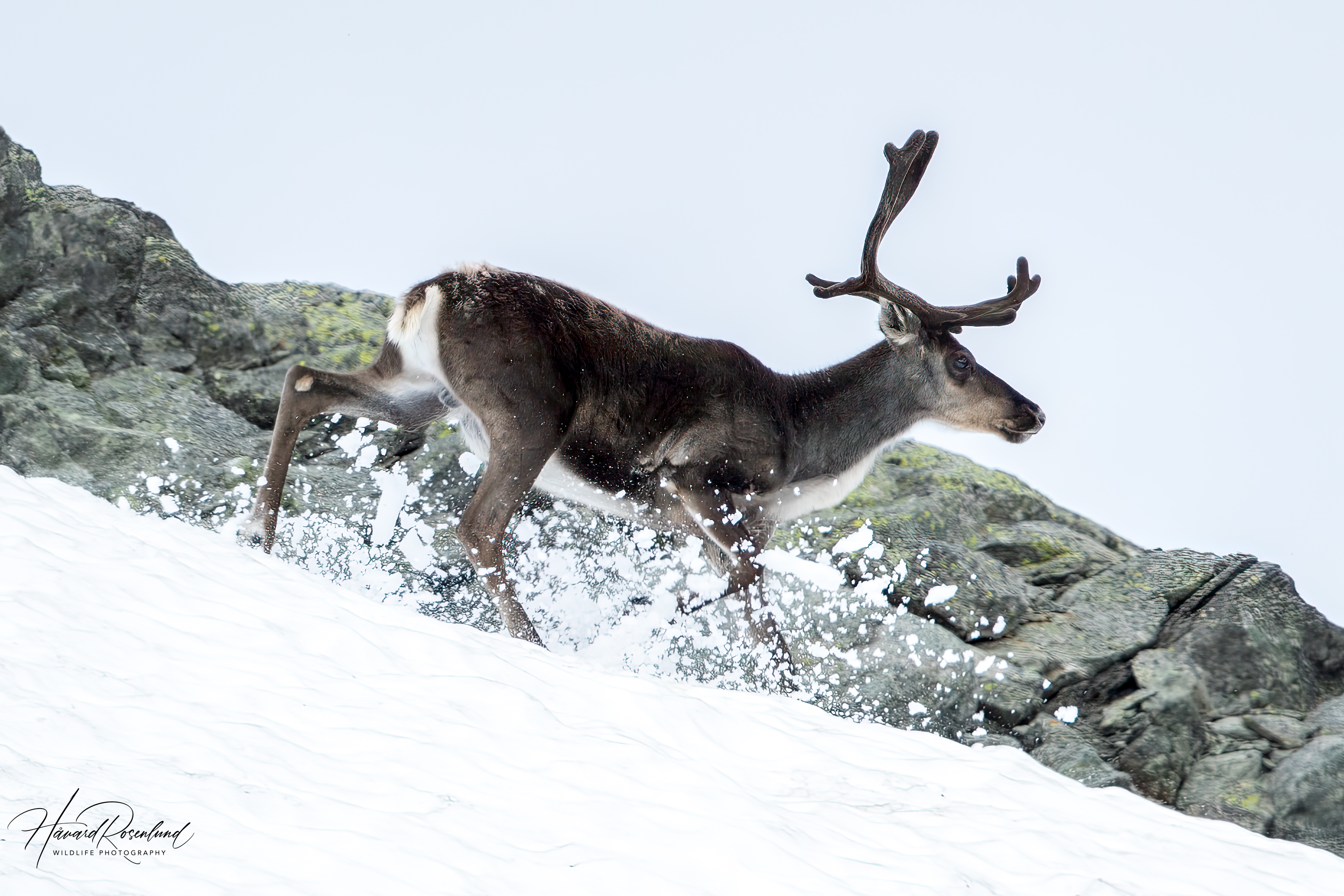
One of the most distinctive features of the species is that both sexes grow antlers, a rarity among deer. Males typically shed their antlers shortly after the autumn rut, while females retain theirs through winter, which is thought to provide an advantage when accessing food beneath snow.
Several subspecies have been described, reflecting differences in size, behavior, and habitat use. Tundra-dwelling forms, such as Eurasian tundra reindeer and many North American caribou populations, are generally larger and highly migratory, while forest reindeer tend to be darker, longer-legged, and more sedentary. Arctic island subspecies are often smaller and paler, adapted to extreme cold and limited vegetation.
Diet & habitat
Reindeer inhabit a wide range of cold-climate ecosystems, including Arctic tundra, alpine plateaus, boreal forests, and subarctic wetlands. Their distribution is closely tied to seasonal availability of forage and snow conditions.
They are specialized herbivores with a diet that shifts throughout the year. During winter, reindeer rely heavily on lichens—particularly ground and tree lichens—which they locate by scraping away snow with their hooves, a behavior known as cratering. Lichens are low in protein but rich in carbohydrates, providing essential energy during the long winter months.
In summer, their diet becomes far more diverse and nutritious, consisting of grasses, sedges, leaves, shoots, herbs, mosses, and shrubs. They also feed on mushrooms and occasionally ingest mineral-rich soil or coastal vegetation to supplement nutrients. Their digestive system is highly efficient, allowing them to extract energy from fibrous, low-quality plant material.
Behavior
Reindeer are generally social animals, forming groups that range from small family units to massive herds numbering in the tens or even hundreds of thousands. Social structure varies seasonally, with looser associations during summer and more cohesive groupings during migration and winter.
They are active throughout the day, alternating between feeding, resting, and ruminating. Vigilance is high, particularly in open tundra landscapes where predators such as wolves and bears are present. Calves rely heavily on group protection, while adults use coordinated movement and spacing to reduce predation risk.
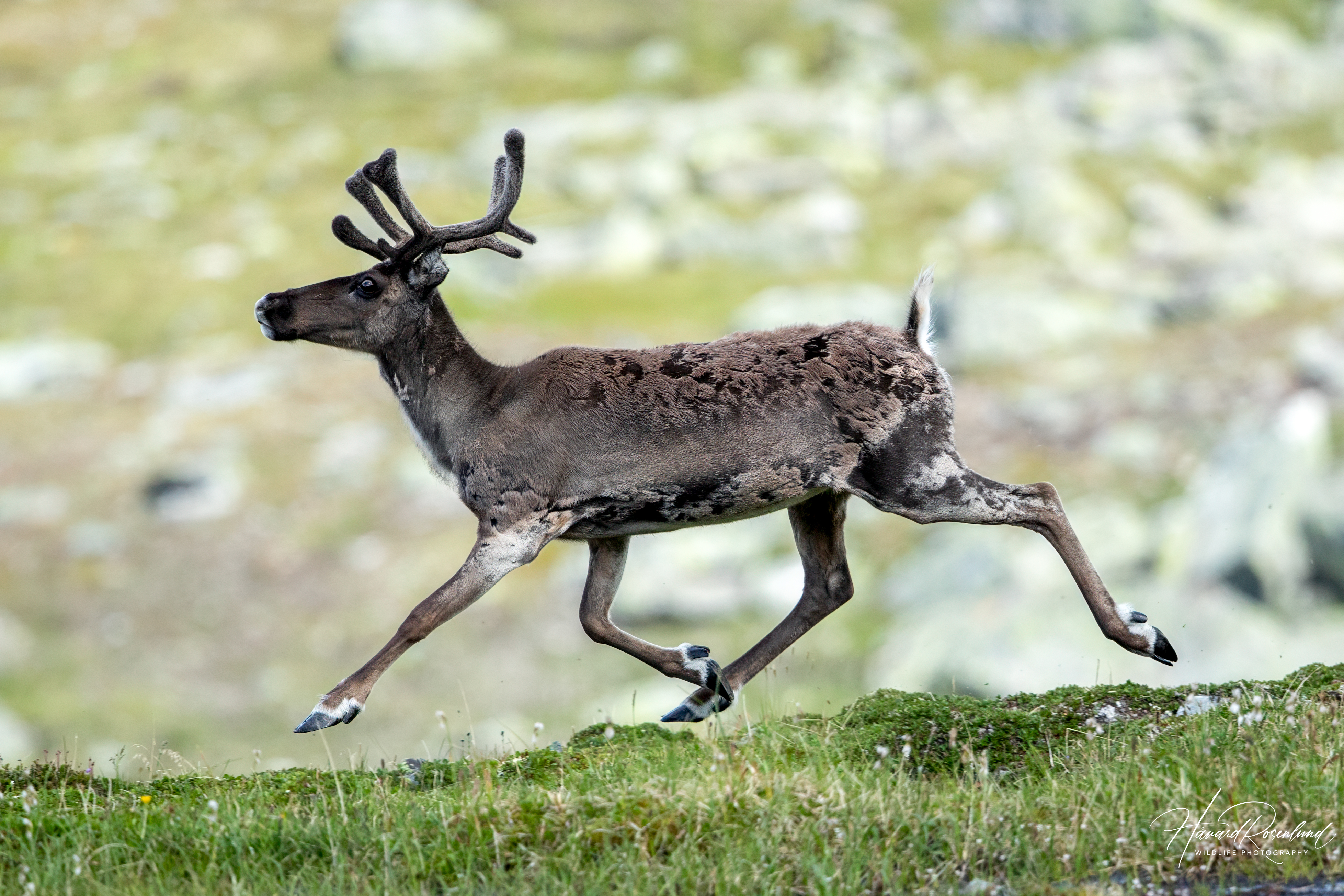
Reindeer are strong swimmers and capable of crossing wide rivers and fjords during migration. Their hooves adapt seasonally, becoming softer and more flexible in summer for traction on wet ground, and harder with sharp edges in winter for gripping ice.
Migration
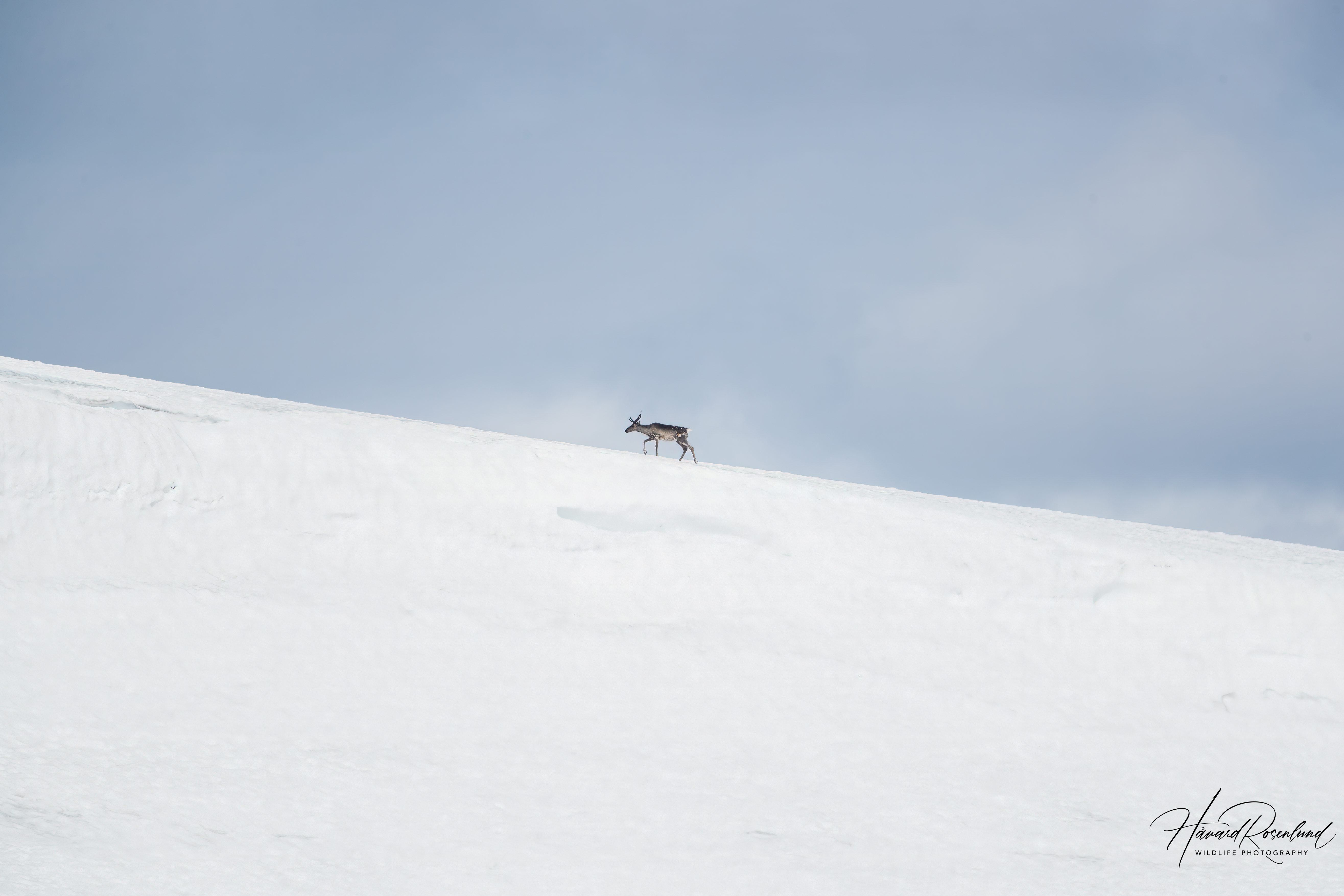
Reindeer are among the most migratory terrestrial mammals on Earth. Many populations undertake long-distance seasonal migrations between wintering areas in forests or lowland tundra and summer calving grounds in open Arctic or alpine regions.
Migration timing varies across the species’ range but generally begins in spring, when herds move northward or uphill to calving areas with abundant food and fewer predators. Autumn migrations take the herds back to winter ranges with shallower snow and better access to forage.
Some migratory routes span hundreds to over a thousand kilometers (620+ mi), following traditional pathways passed down through generations. Not all populations migrate extensively; forest and island subspecies may be largely sedentary or undertake only short seasonal movements.
Reproduction
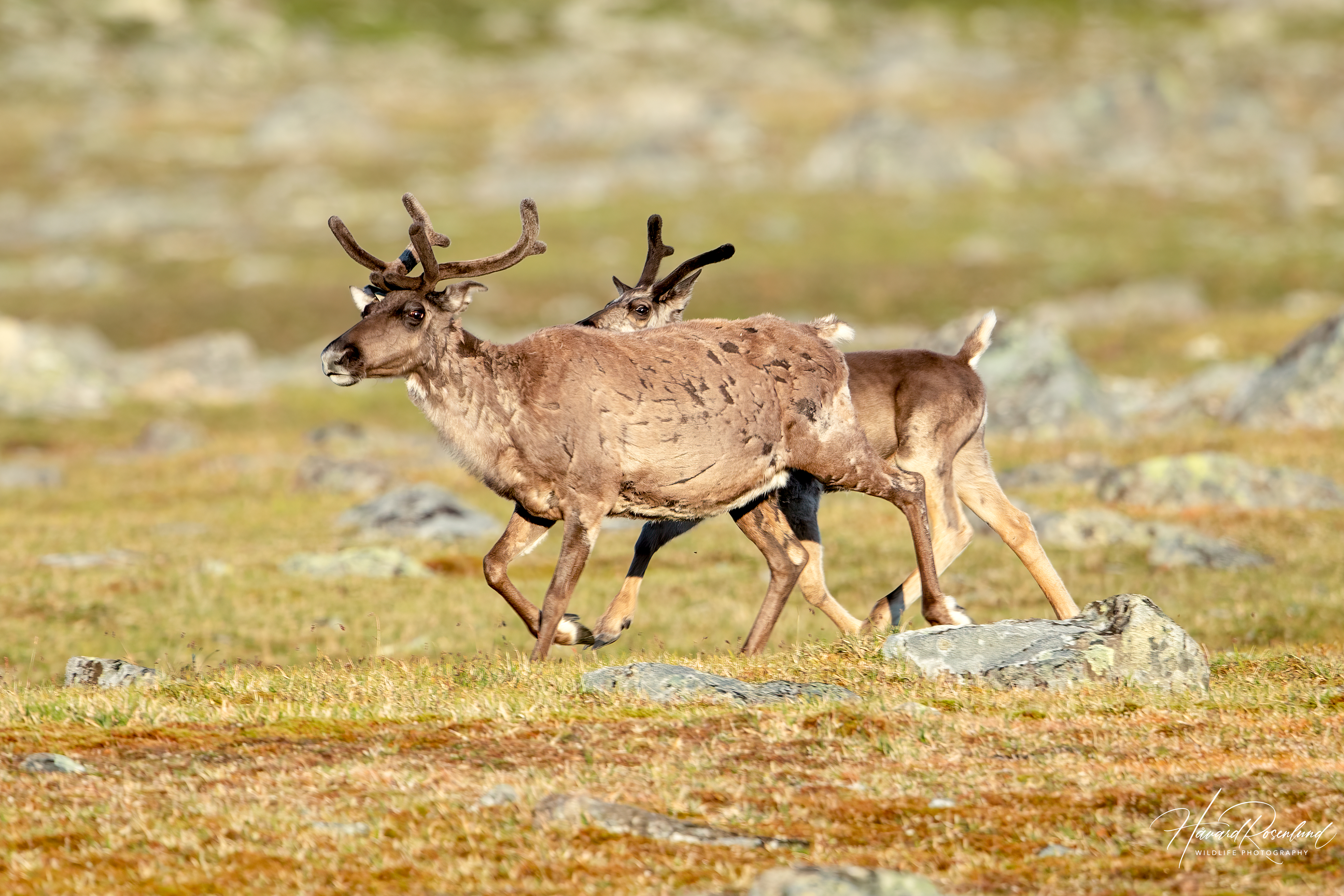
The breeding season, or rut, occurs in autumn, typically from late September to October. During this period, males compete intensely for access to females, engaging in displays, vocalizations, parallel walking, and occasional antler clashes. Dominant males may guard groups of females, known as harems, during the peak of the rut.
After mating, females experience a gestation period of approximately 225–235 days. Calving usually takes place in late spring or early summer, often synchronously within a population. Most females give birth to a single calf, although twins occur rarely.
Calves are able to stand and walk within hours of birth and grow rapidly during the short Arctic summer. Mothers provide attentive care and nursing, while calves learn migration routes and foraging behavior by following adults. Sexual maturity is typically reached at 1.5–2.5 years of age.
In the wild, reindeer may live up to 12–15 years, though many individuals have shorter lifespans due to predation, harsh weather, or food limitation.
Relationship with humans
Reindeer have one of the longest and most complex relationships with humans of any wild ungulate. They have been domesticated for thousands of years across northern Eurasia, where they remain central to the livelihoods and cultures of indigenous peoples such as the Sámi.
Domesticated reindeer are used for meat, milk, hides, tools, transportation, and herding, and they hold deep spiritual and cultural significance in many Arctic societies. Even today, large semi-domesticated herds are herded across vast landscapes following traditional seasonal patterns.
In North America, reindeer (caribou) were never domesticated, and the species remains primarily wild. Reindeer also feature prominently in folklore and mythology, most famously in Arctic and Christmas traditions, where they are associated with endurance, travel, and survival in extreme environments.
Status
Globally, the reindeer is currently listed as vulnerable on the IUCN Red List. While some populations remain stable or locally abundant, many others have experienced severe declines over recent decades.
Primary threats include habitat loss and fragmentation, climate change, industrial development, increased disturbance, and altered snow and ice conditions that limit access to winter forage. Climate-driven freeze–thaw cycles can create ice layers over vegetation, leading to starvation events. Overgrazing in some regions and disease transmission between wild and domestic herds also pose challenges.
Conservation status varies widely among subspecies and regions, with some populations critically endangered and others relatively secure. Protecting migration corridors, calving grounds, and traditional grazing areas is considered essential for the long-term survival of the species.
Pictures