
Acorn Woodpeckers Fed Less Per Bird in Larger Groups but Matched Other Carers in Short Watches
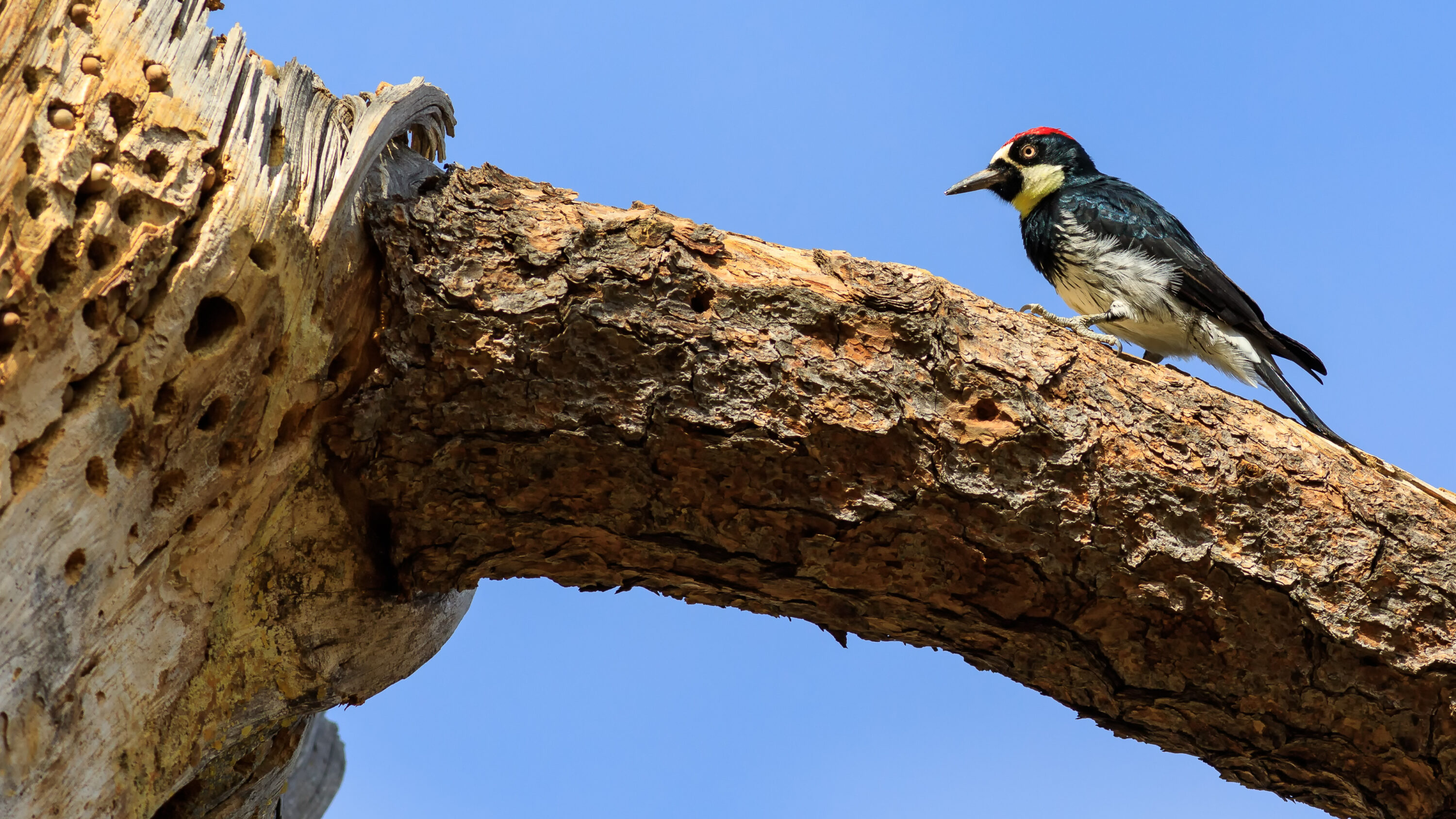
A study of acorn woodpeckers (Melanerpes formicivorus) at Hastings Reservation in California, USA found that the apparent effect of additional carers on provisioning depended on how care was measured. Walter D. Koenig and Eric L. Walters compared group composition across nesting efforts with the feeding behaviour actually observed during individual three-hour nest watches. The study was first published in Ethology on 14 June 2026.
The analyses drew on a long-term colour-marked population. The study included 4,587 three-hour watches at 1,375 spring nests from 1979 to 2023, totalling 13,351 hours of observation and 167,454 feeding visits. Acorn woodpecker groups can include several breeders as well as non-breeding helpers, all of which may provision the same brood.
Larger groups lightened individual workloads
When provisioning was analysed in relation to group composition over the nesting effort, total feeding increased as groups became larger, but the number of visits made by each bird declined. The pattern was therefore partly additive and partly compensatory: extra carers increased the group’s total provisioning, but not in direct proportion to the number of additional birds, because individuals also reduced their own rates. This individual reduction is the study’s “load lightening”. All four sex/status categories — breeder males, breeder females, helper males and helper females — showed evidence of load lightening, although the strongest relationships involved different categories of group members.
Short watches showed matching rather than compensation
A different pattern emerged when the researchers examined what focal birds did during individual three-hour watches. They restricted this analysis to nestlings 18–25 days old, an eight-day period when the brood’s overall feeding rate was relatively stable, to reduce the effect of rapidly changing food demand as chicks grew. Focal birds fed more when the other carers also fed more. Breeders generally matched the effort of other breeders, while helpers increased their feeding in parallel with all other sex/status categories. This short-term relationship was additive rather than compensatory, with no evidence that birds immediately reduced their own rate when other group members increased theirs.
The authors conclude that provisioning can appear compensatory when analysed from group composition across nesting efforts but additive when measured from the behaviour of carers within short observation windows. They argue that comparisons of cooperative care need to consider both the time span of observation and whether “help” is represented by the number of potential carers or by the provisioning they actually deliver.
Behaviour
Related news
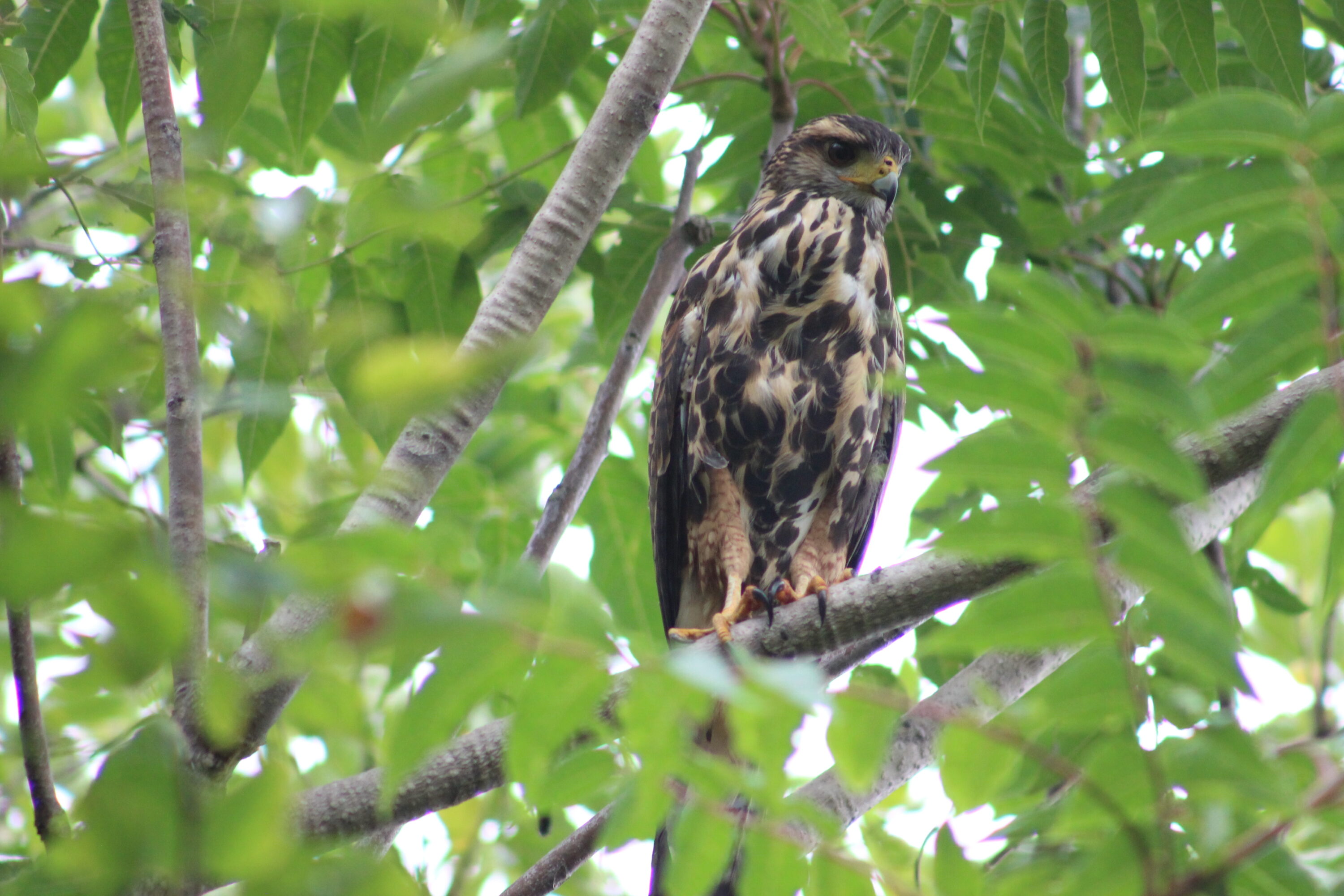
Juvenile Harris's Hawks Manipulated Pine Cones for About Five Minutes
Two juvenile Harris's hawks in Buenos Aires Province tore pine cones from trees, carried them to new perches…
Read story →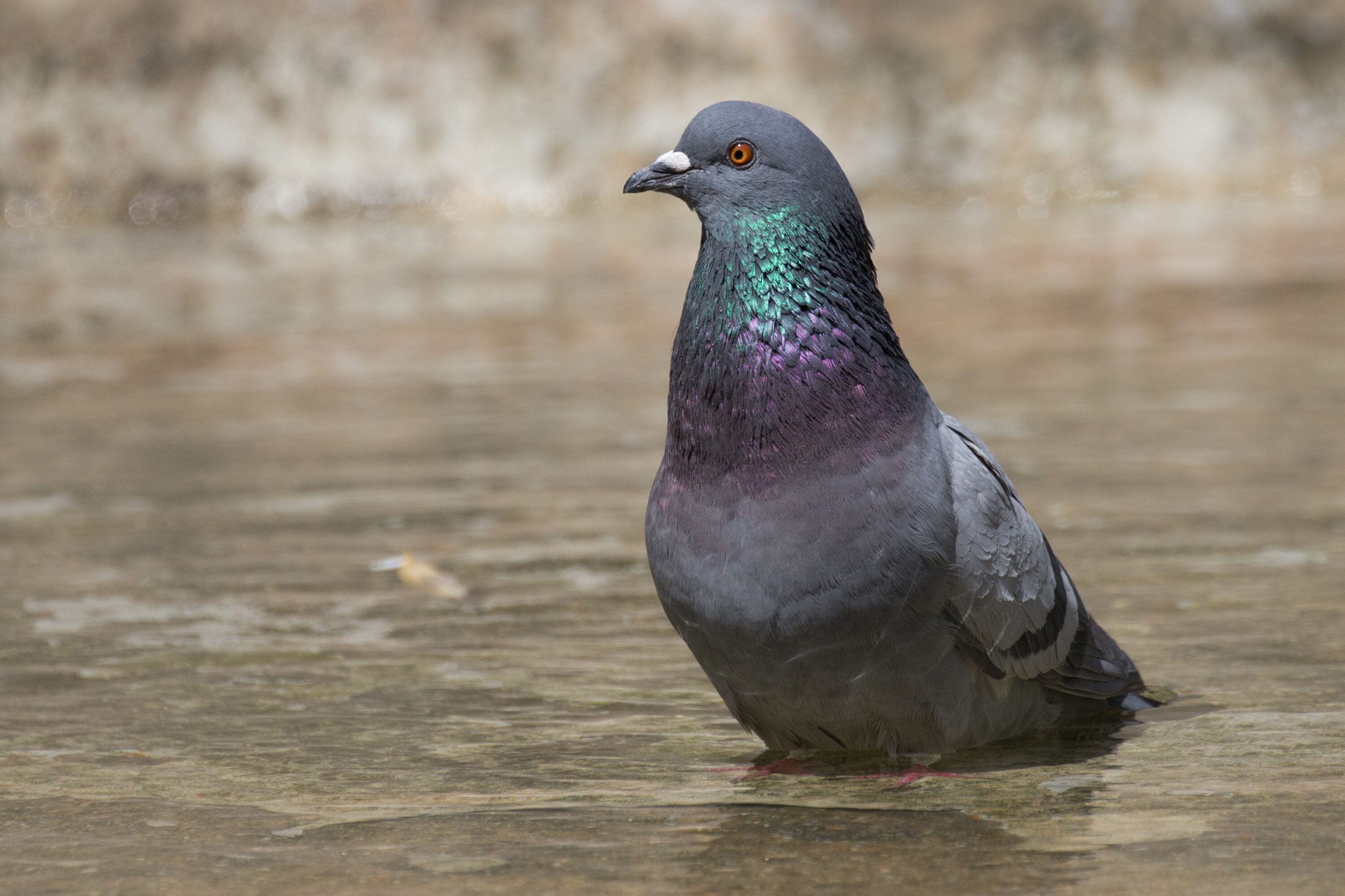
Rock Doves Preferred Predictive Information Despite a Lower Food Payoff
Seven rock doves preferred an informative option that paid on 20% of trials over a non-informative option that…
Read story →
Task Uncertainty Increased Interference From Irrelevant Visual Information in Rhesus Macaque Decisions
Two rhesus macaques made less accurate visual decisions under task uncertainty; recordings and microstimulation in primary visual cortex…
Read story →SPECIES IN THIS STORY
Species in this story
Independent research and conservation news archive
Did you find this information useful?
Wildlife Vagabond is independently built and maintained. Voluntary support helps cover source verification, hosting and continued work on research and conservation news.
Support Wildlife VagabondThe news archive will remain freely available.