
African Openbill Was the Most Abundant Bird in a Central Ugandan Forest Reserve Survey
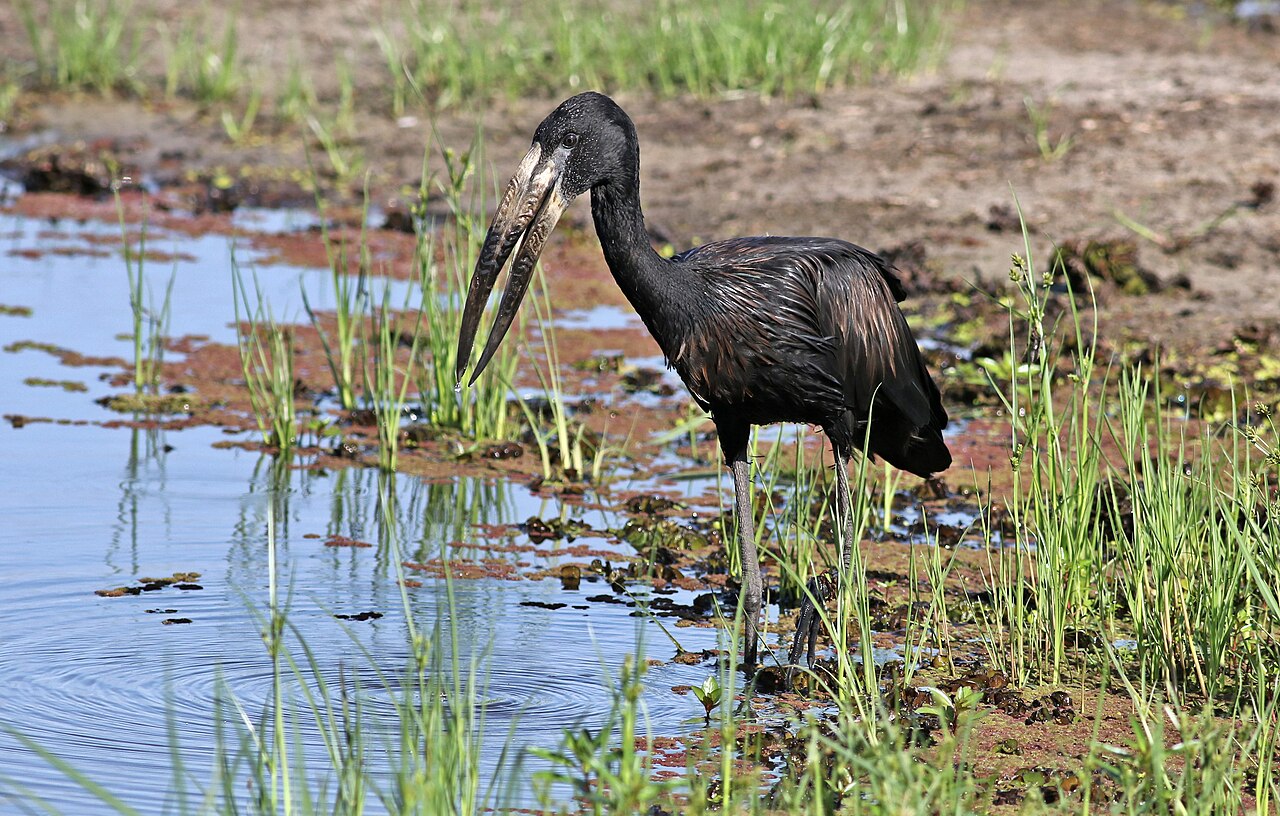
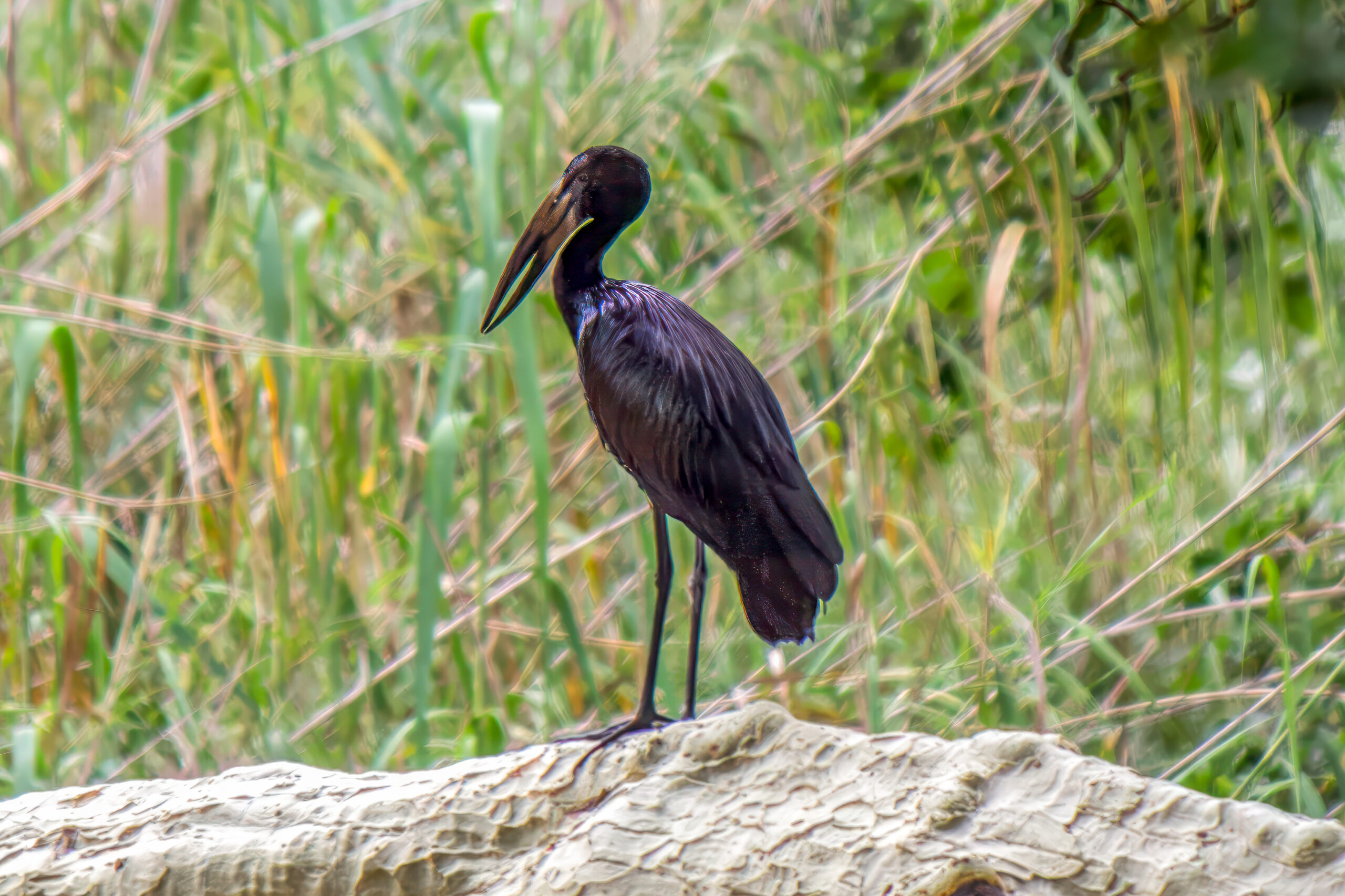
A bird survey in Kitubulu Central Forest Reserve in central Uganda found African openbill (Anastomus lamelligerus) to be the most abundant species recorded across the study area. The species accounted for 7.2% of all recorded individuals and was also significantly associated with the combination of forest-edge and lakeshore-wetland habitats.
A point count is a survey in which observers remain at a fixed location for a set period and record birds seen or heard, allowing sites to be compared in a standardised way.
A transect is a predefined line or route used to survey an area systematically, with observations, signs or sampling points recorded along it.
Researchers surveyed the 80-hectare reserve on the shore of Lake Victoria between 21 April and 5 May 2025. They used 16 fixed point-count stations together with line transects crossing forest interior, forest edge and lakeshore-wetland habitat. In total, 66 bird species from 30 families were recorded.
African openbill had the highest relative dominance of any species in the survey, ahead of hamerkop at 5.0% and hadada ibis at 4.6%. The lakeshore and wetland zone accounted for 47% of all individual birds recorded, compared with 34% at the forest edge and 19% in the forest interior. It also had the highest species richness and diversity among the three habitats.
African openbill was one of only two species especially associated with the combined forest-edge and lakeshore-wetland habitats; the other was hadada ibis. Across the whole bird community, species composition differed significantly among the three habitat types, showing that the reserve’s forest interior, edge and wetland areas supported distinct assemblages of birds.
Ecology
Related news
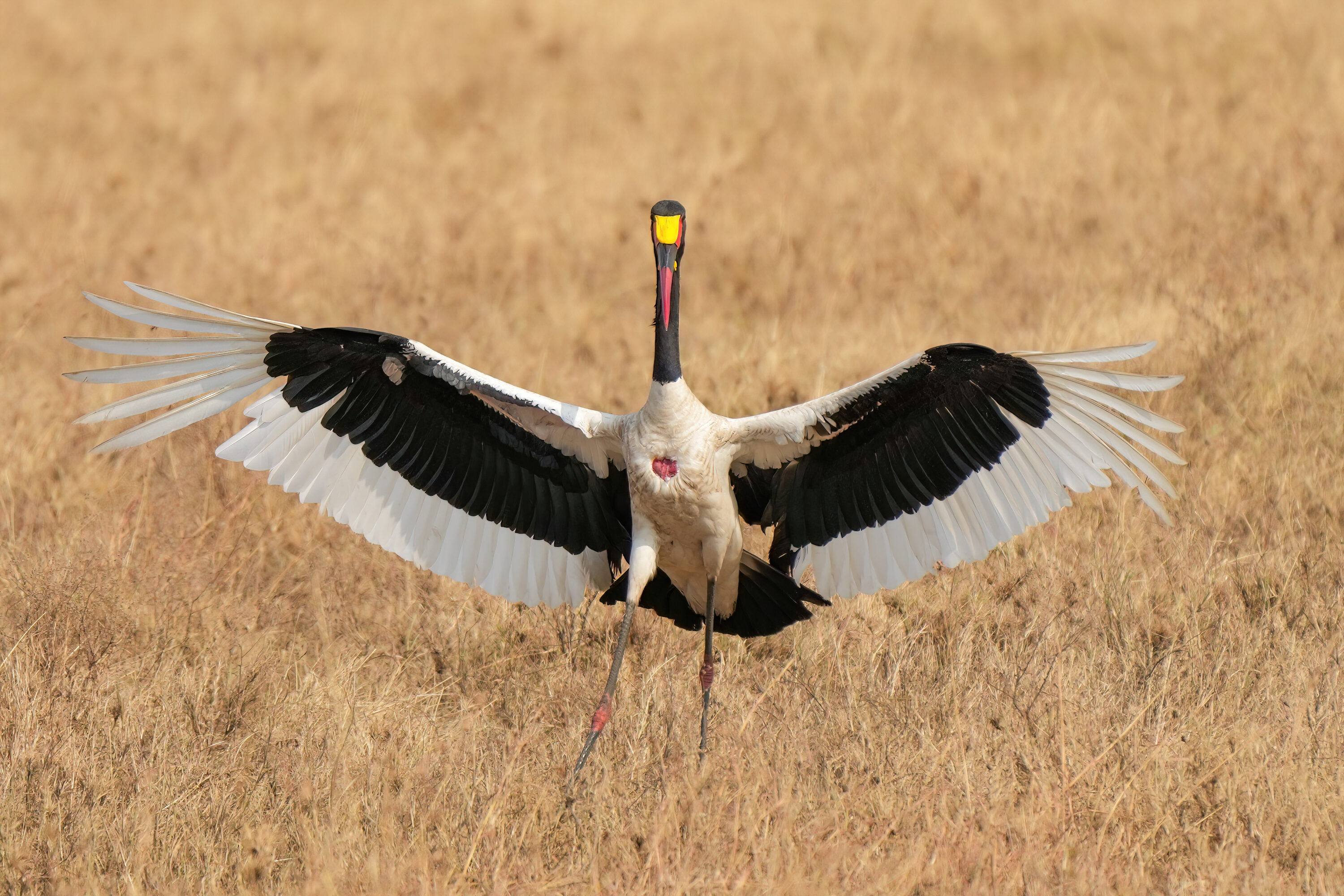
Four African Storks Now Have Public Whole-genome Assemblies
Researchers assembled whole genomes from one wild-collected museum specimen each of Saddle-billed Stork, African Openbill, Marabou Stork and…
Read story →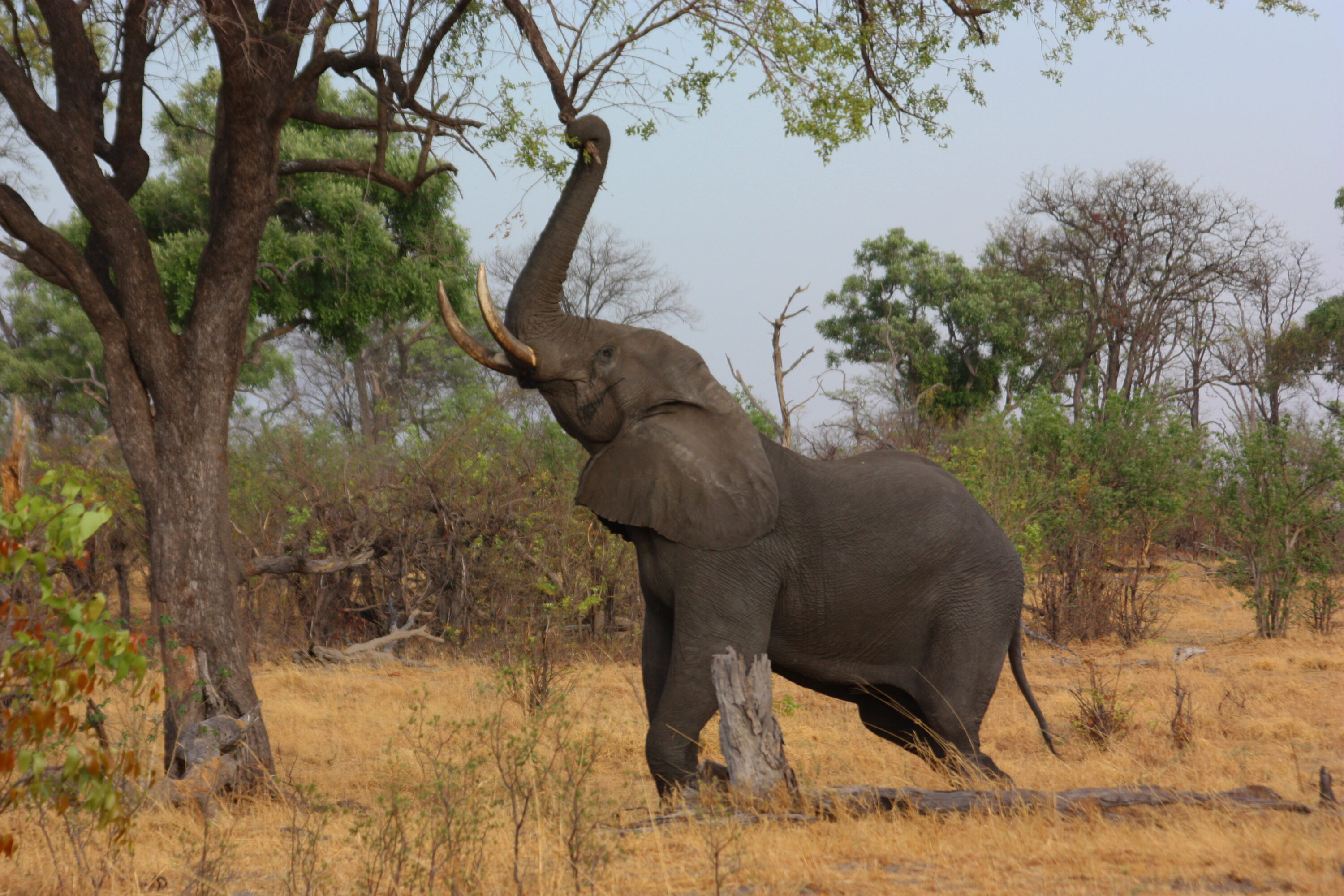
African Bush Elephants Distinguished Artificial Food-Quantity Patterns at Close Range
In experiments in South Africa, four semi-tame elephants chose between visual patterns representing canopy size and leaf density.…
Read story →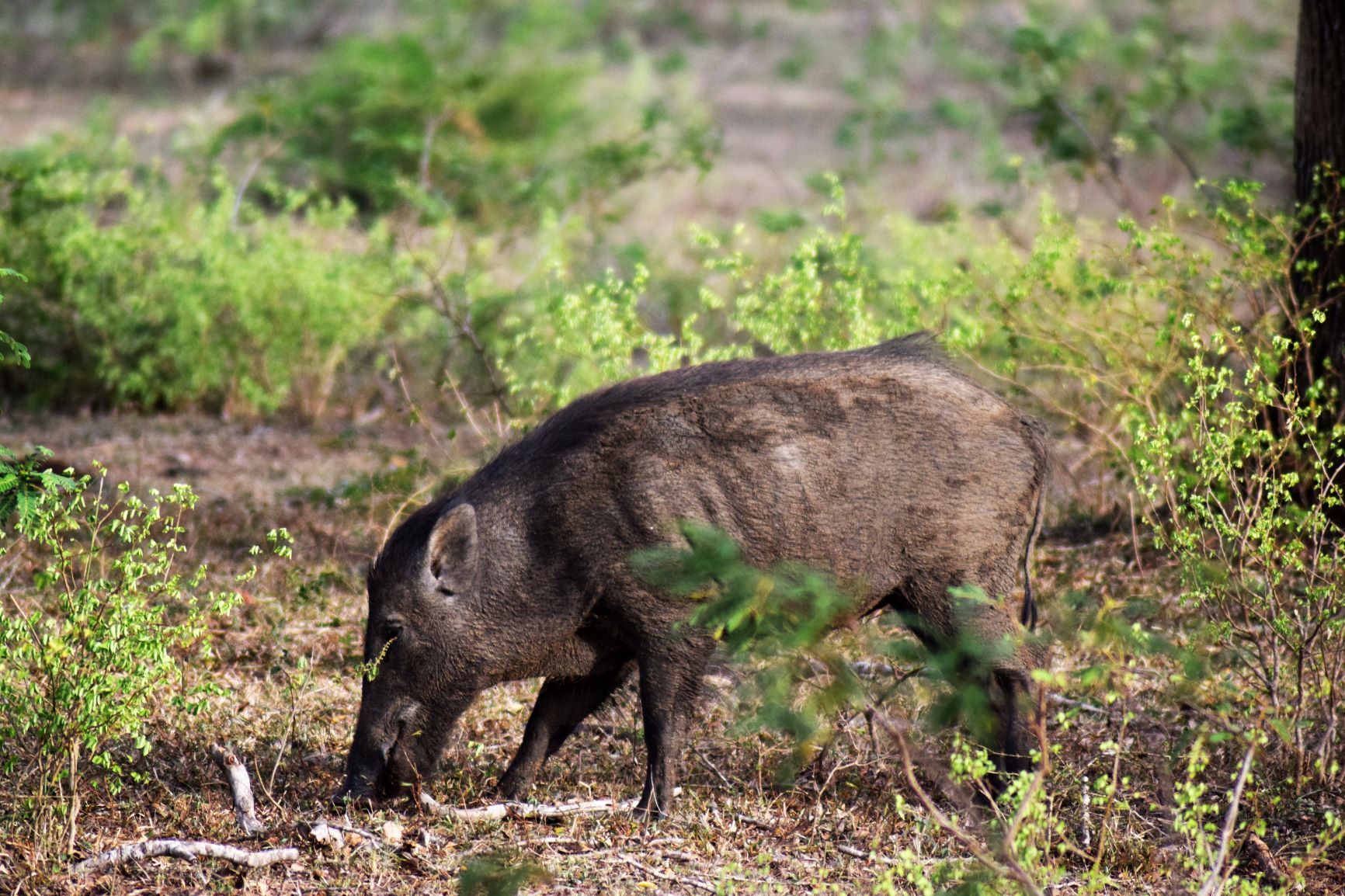
Maps Show Where Wild Boar Could Thrive and Spread on Jeju Island
Researchers mapped potentially suitable wild-boar habitat across roughly 36% of Jeju Island and identified eight possible corridors linking…
Read story →SPECIES IN THIS STORY
Species in this story
Independent research and conservation news archive
Did you find this information useful?
Wildlife Vagabond is independently built and maintained. Voluntary support helps cover source verification, hosting and continued work on research and conservation news.
Support Wildlife VagabondThe news archive will remain freely available.