
Twenty African Wild Dogs Return to Matusadona After Decades of Local Extinction
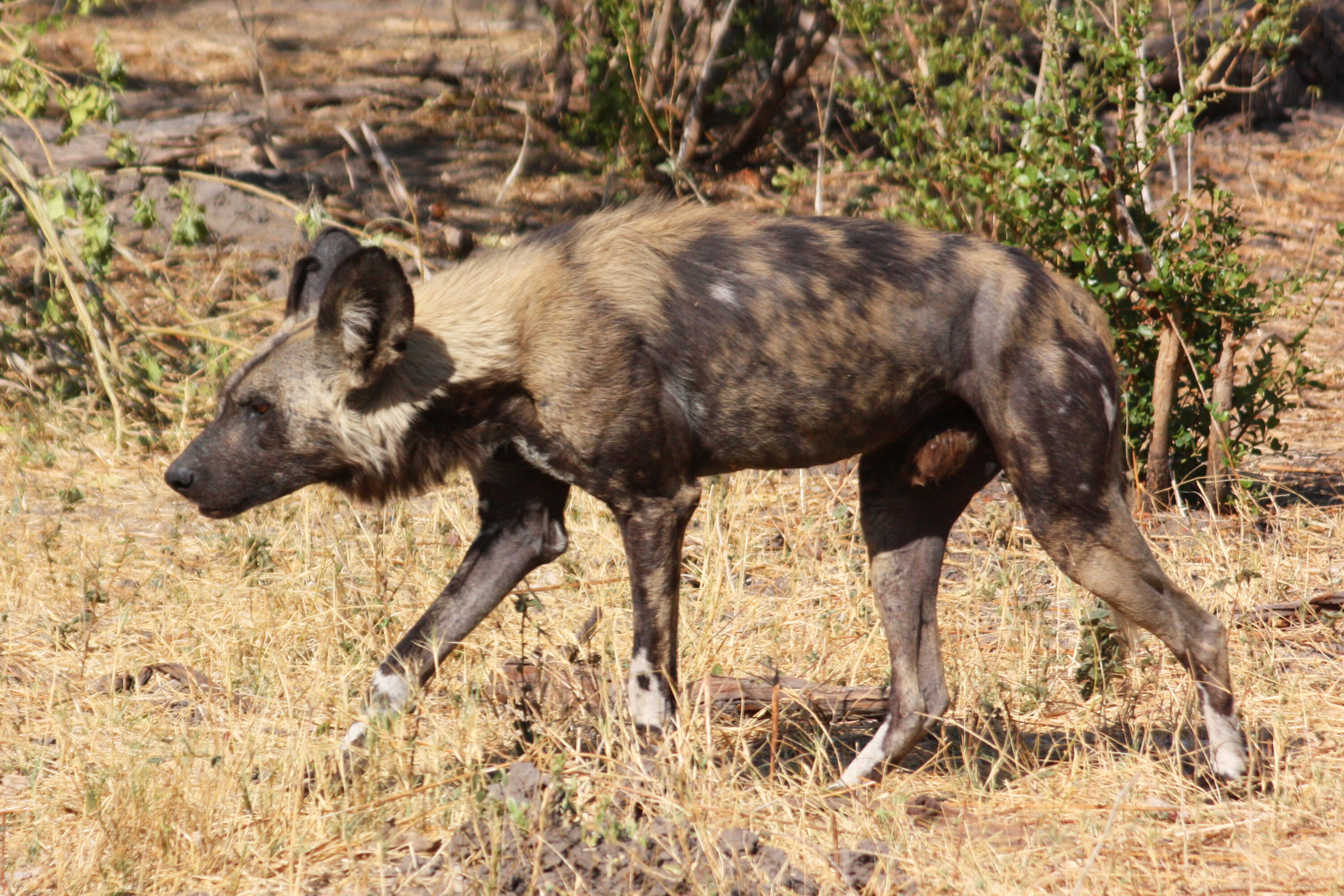
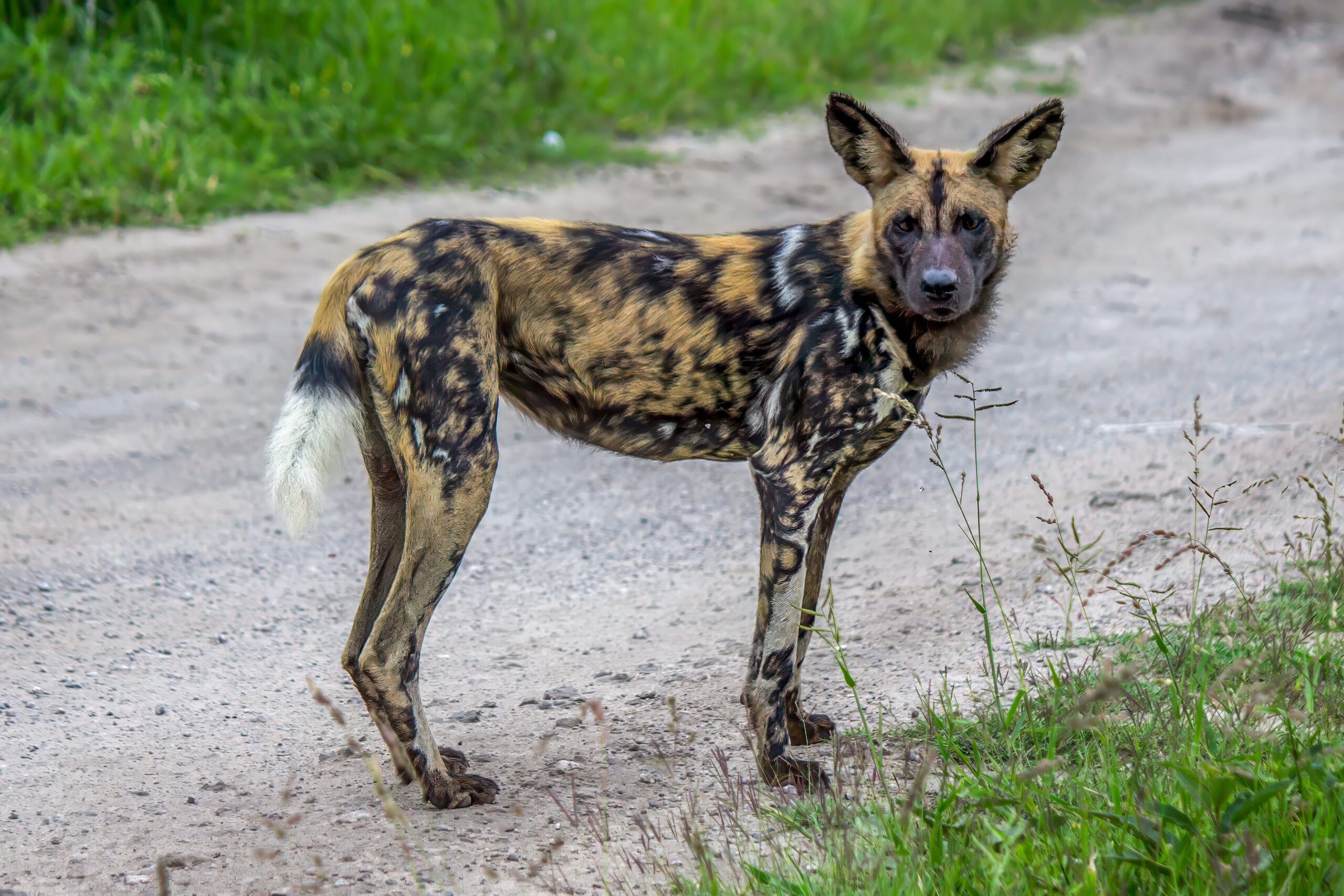
Twenty African wild dogs (Lycaon pictus) have been returned to Matusadona National Park in Zimbabwe, restoring the endangered carnivore to a landscape where it had been locally extinct for decades.
The translocation took place between 15 and 17 February 2026 and involved two established packs, one of six animals and one of 14. Rather than releasing them immediately, the dogs were held for several weeks in specialised enclosures near Tashinga. This soft-release method gives translocated animals time to acclimatise to the new environment, reinforce social bonds and begin forming an attachment to the area before they are released into the wider park.
The return followed five years of restoration work
The return follows five years of restoration work in Matusadona. Since 2020, anti-poaching capacity, ranger training, ecological monitoring, infrastructure and cooperation with surrounding communities have all been strengthened. Zebra, buffalo, sable and eland have also been translocated to rebuild prey populations and restore ecological processes.
GPS collars and geofencing support post-release monitoring
All adult wild dogs have been fitted with GPS collars. Park teams can therefore follow pack movements closely. Around settlement areas, virtual geofence boundaries have been drawn on the monitoring map; if a collared animal approaches one of these boundaries, the GPS system automatically triggers an alert so teams can respond before the pack enters an inhabited area. Local conflict monitors and additional rangers are intended to provide an early response before problems develop.
The reintroduction has both ecological and regional importance. African wild dogs are among Africa’s most threatened large carnivores, and viable packs require extensive, connected landscapes. A breeding population in Matusadona could strengthen the species’ recovery in the wider Sebungwe region as well as restore a highly mobile predator to the park itself.
In the months after release, the Matusadona team is monitoring the packs’ movements, social dynamics and adaptation to the new environment. The data will be used for adaptive management and contribute to wider knowledge about African wild dog conservation. African Parks describes the translocation as an important milestone in the ecological restoration of Matusadona and part of a wider effort to rebuild wildlife populations and ecological processes in the park.
Reintroductions & translocations
Related news
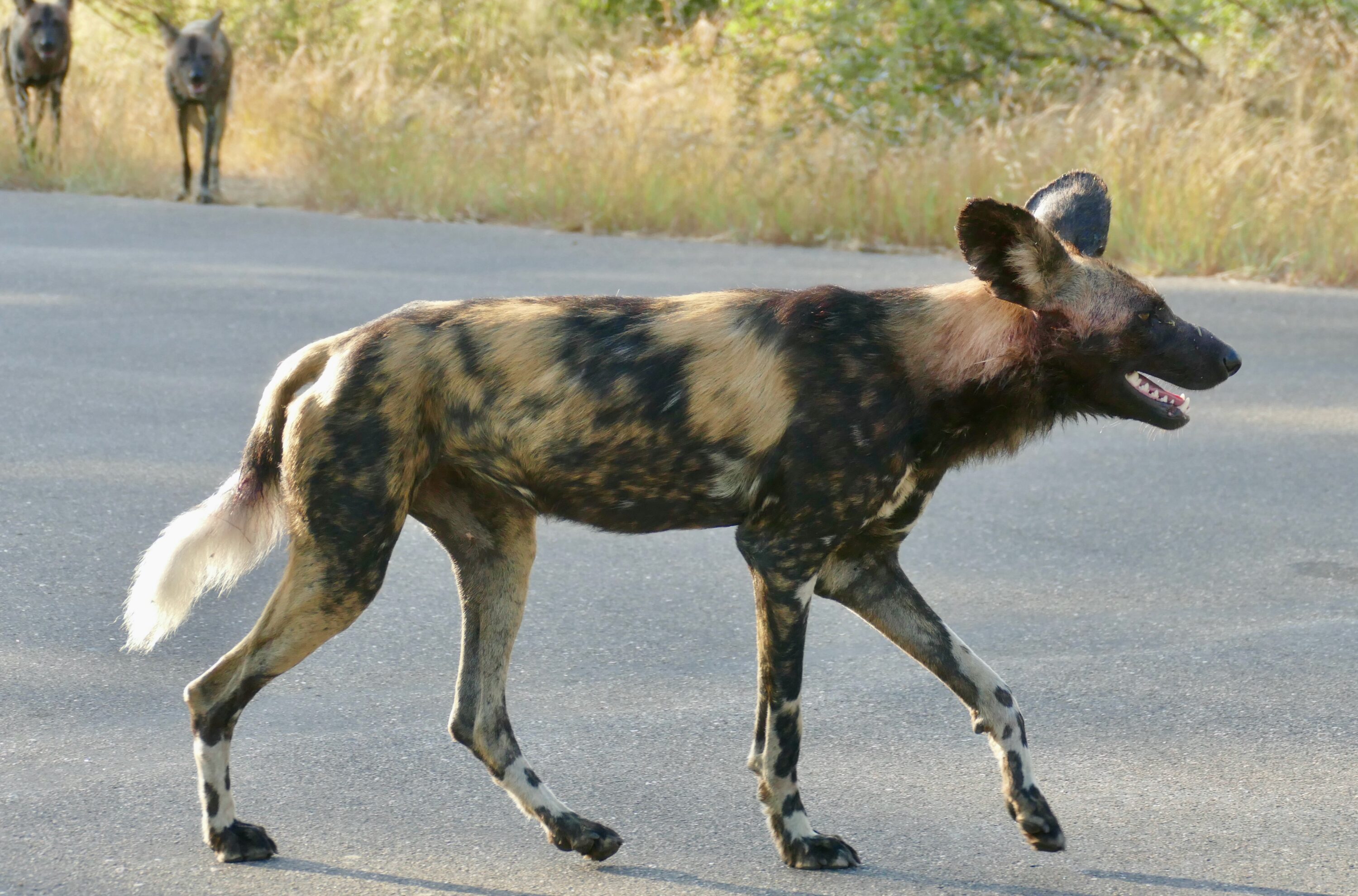
Food Leaves Its Mark on the Gut Bacteria of Kruger’s Wildlife
Gut bacteria in nine mammal species from Kruger National Park followed clear patterns linked to food and digestion.…
Read story →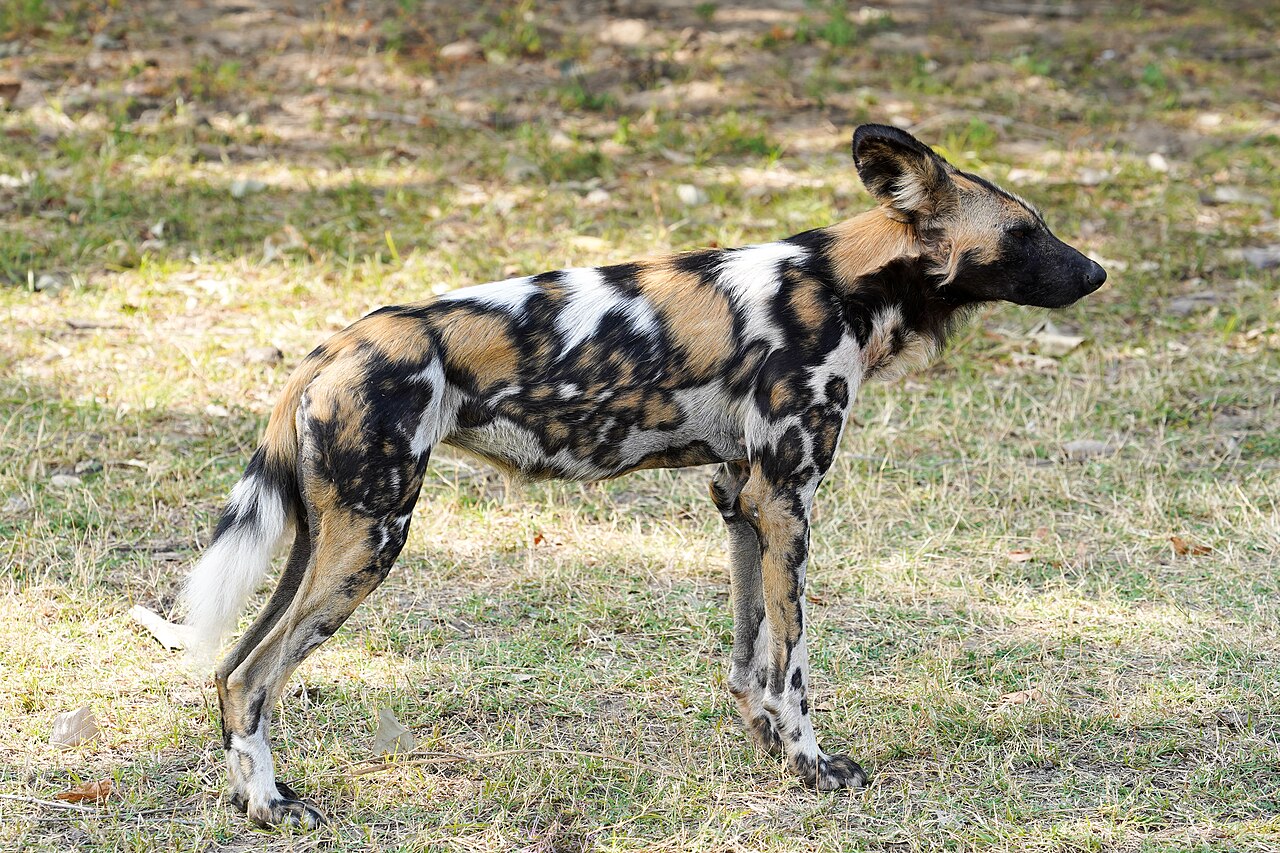
Wild Dogs Travelled Thousands of Kilometres in Search of a Mate
GPS tracking in Zambia shows how African wild dogs can cross enormous distances between populations. But snares and…
Read story →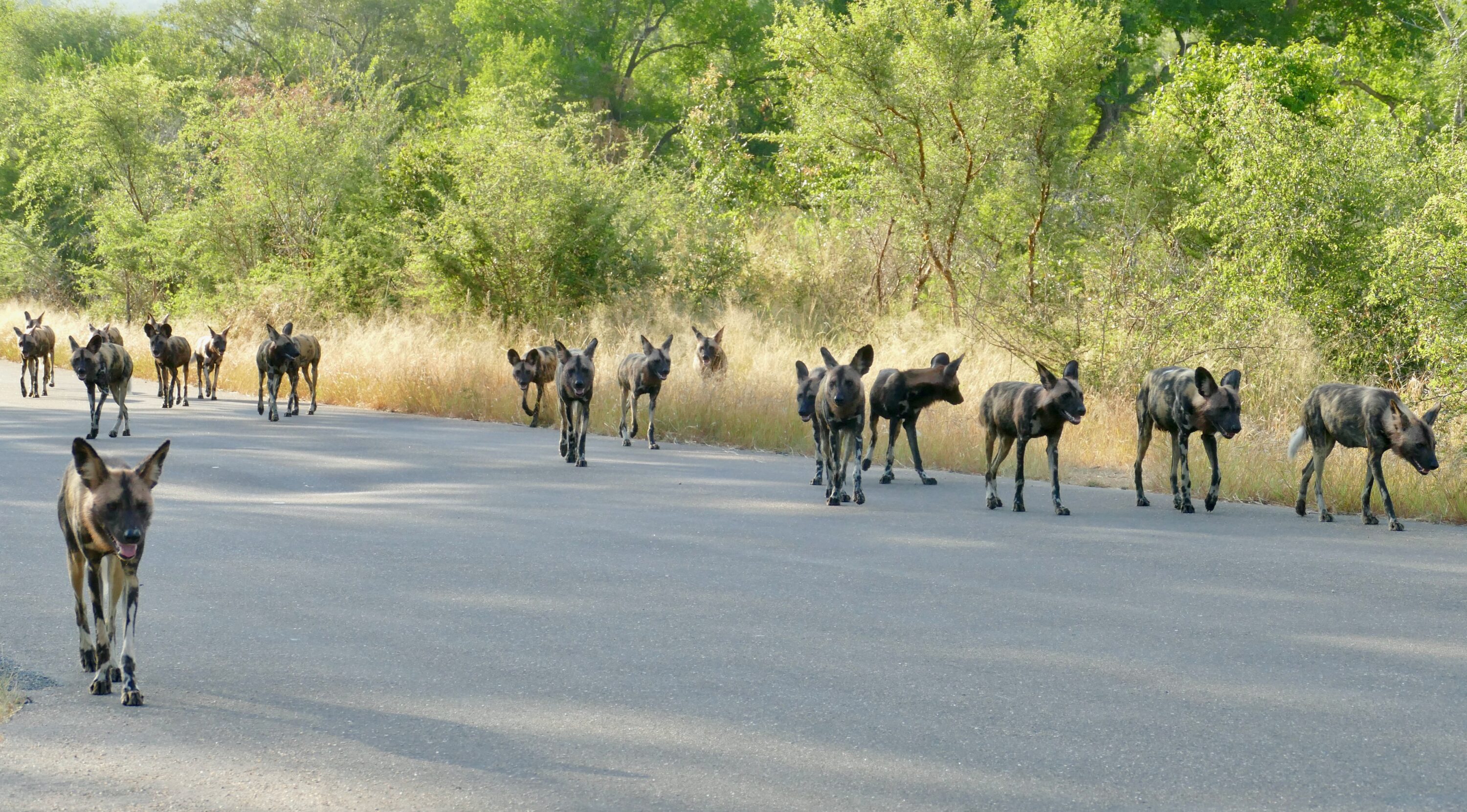
Track Count Points to Several Hundred African Wild Dogs in Chinko
A 2026 track count in Chinko Conservation Area produced an estimate of several hundred African wild dogs, while…
Read story →SPECIES IN THIS STORY
Species in this story
Independent research and conservation news archive
Did you find this information useful?
Wildlife Vagabond is independently built and maintained. Voluntary support helps cover source verification, hosting and continued work on research and conservation news.
Support Wildlife VagabondThe news archive will remain freely available.