
Moose Population Size in Alberta Varied With Forest Patterns and Winter Severity in Early Analyses
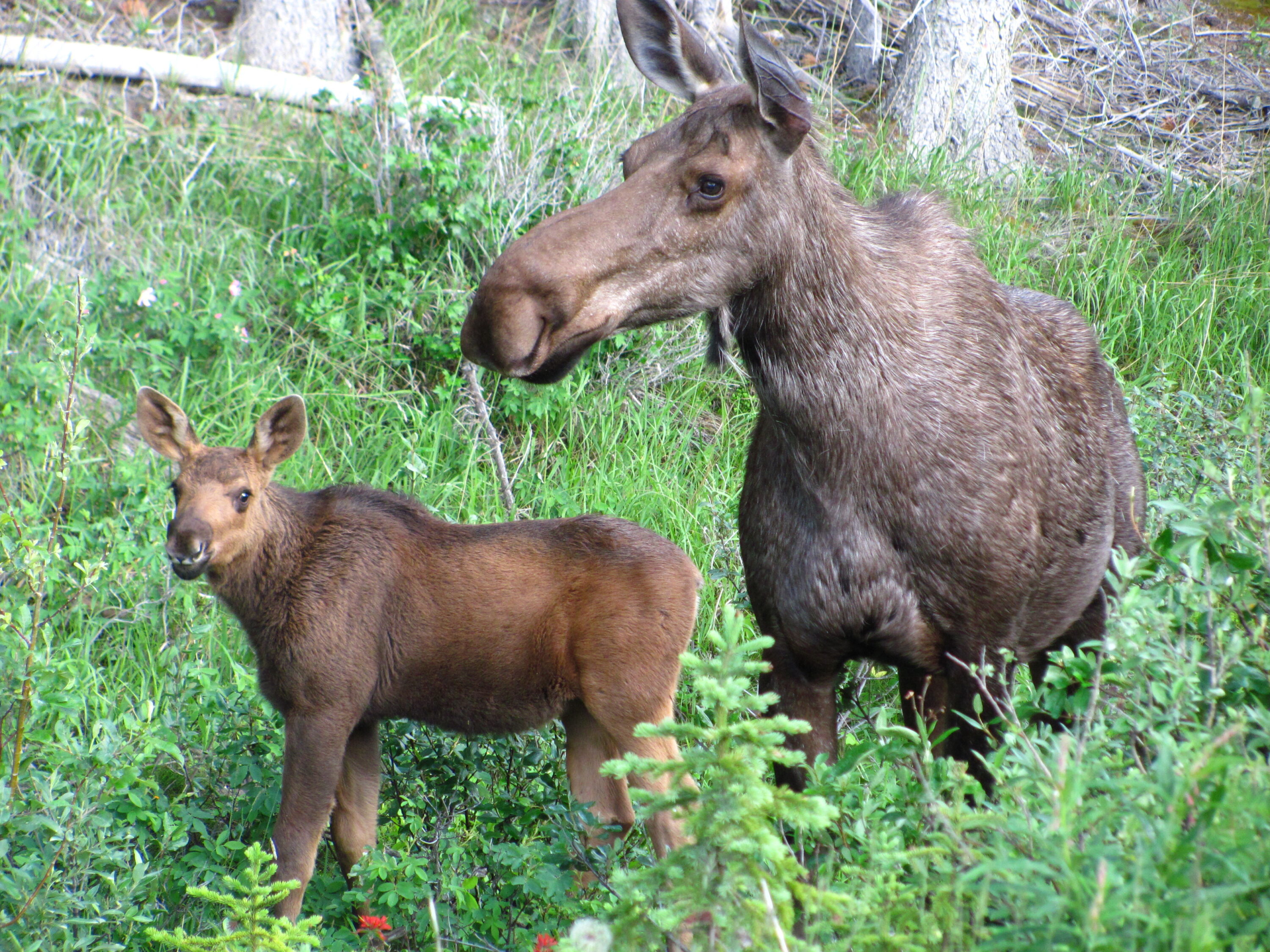
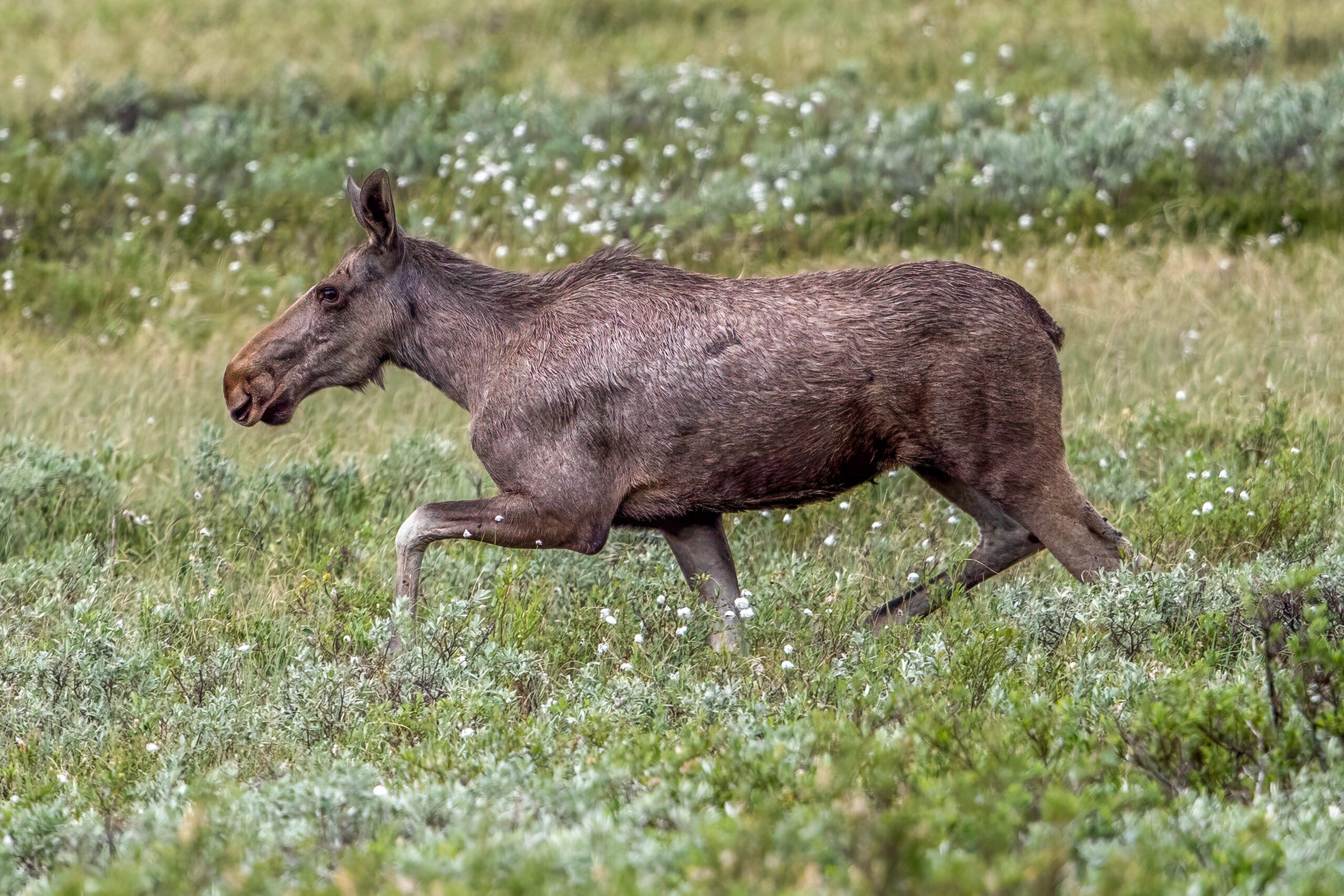
Early analyses from Alberta, Canada’s Moose Research Initiative found that moose (Alces alces) population size varied with several features of the forest landscape and winter climate. The February 2026 update identified mixedwood cover, the spatial aggregation of wildfire and forest harvest, winter severity, elevation and the proportion of land affected by fire as important predictors.
The source is a project QuickNote reporting preliminary results from an initiative launched in late 2024, rather than a final analysis of the full programme.
Forest pattern mattered more than total harvested area alone
The population work uses historical Government of Alberta aerial surveys to examine how forest management and landscape conditions relate to moose numbers. Total proportion of harvested forest showed no clear relationship on its own in the early analysis. The researchers therefore plan to examine more specific forest-stand characteristics rather than treating total harvested area as sufficient to describe forestry effects.
Habitat use changed with season and spatial scale
A separate part of the initiative is examining where moose select habitat. Early results from west-central Alberta indicate that they use different forest ages and types depending on season and on the spatial scale at which habitat is considered. The team plans to extend this work to northeastern Alberta and validate the models with independent data and traditional ecological knowledge.
Other parts of the initiative are still primarily in the data-collection and method-development stage. During the first year, 180 camera traps and climate sensors were deployed at 72 sites in west-central Alberta to study how forestry and climate affect boreal ungulates. Simulations also suggested that fixed-wing drones with gimbal-mounted cameras could be a viable way to survey moose, while early AI models showed promise for identifying animals in thermal images.
The February update is therefore a checkpoint rather than a final ecological assessment. Its clearest biological results so far concern relationships between moose numbers, forest pattern and winter conditions, together with season- and scale-dependent habitat use.
Ecology
Related news
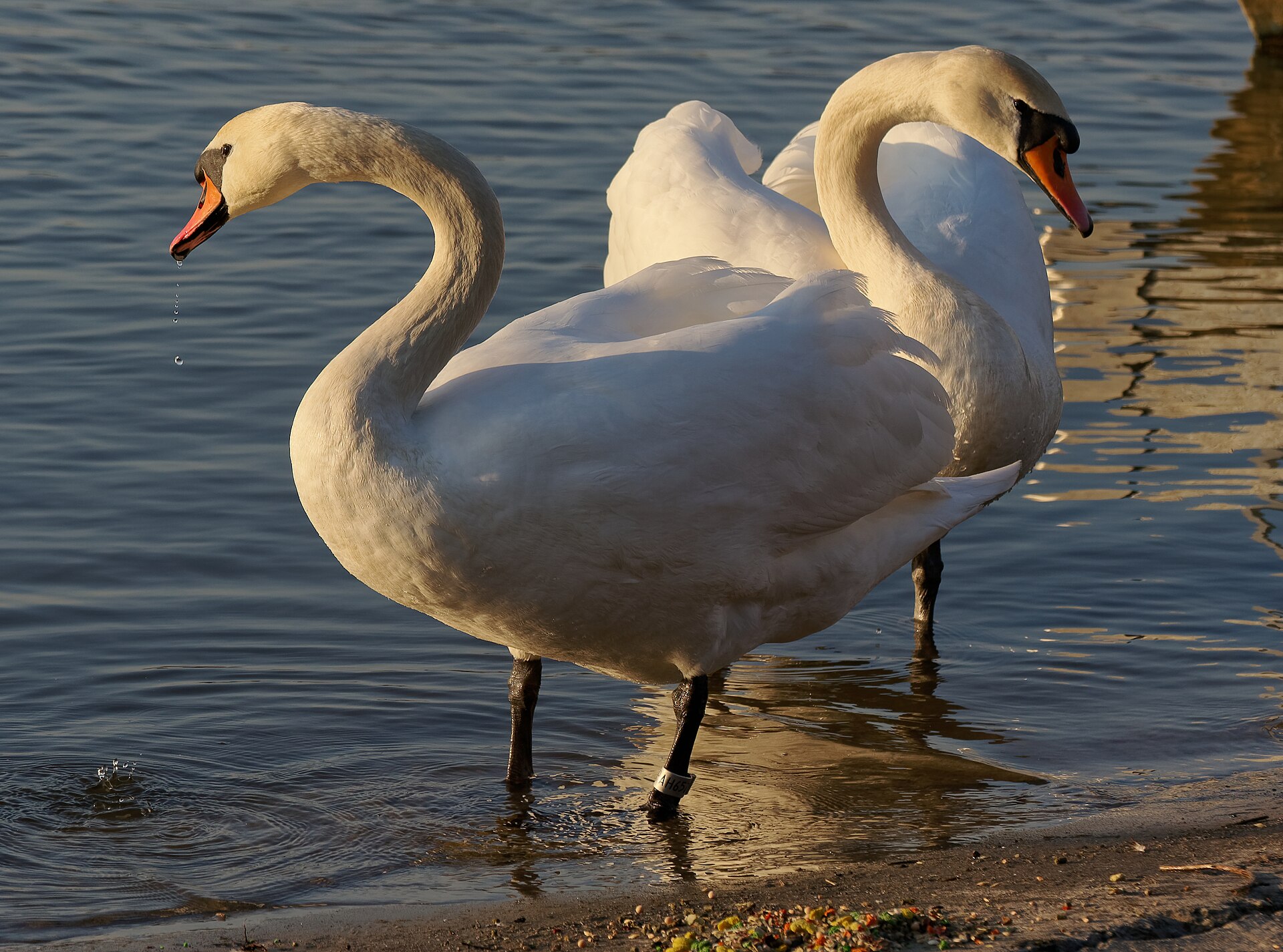
Inland Mute Swans Had Higher Winter Body Condition Despite Harsher Winters and Supplemental Feeding
A study of 853 mute swans from four Polish wintering regions found higher body condition inland than on…
Read story →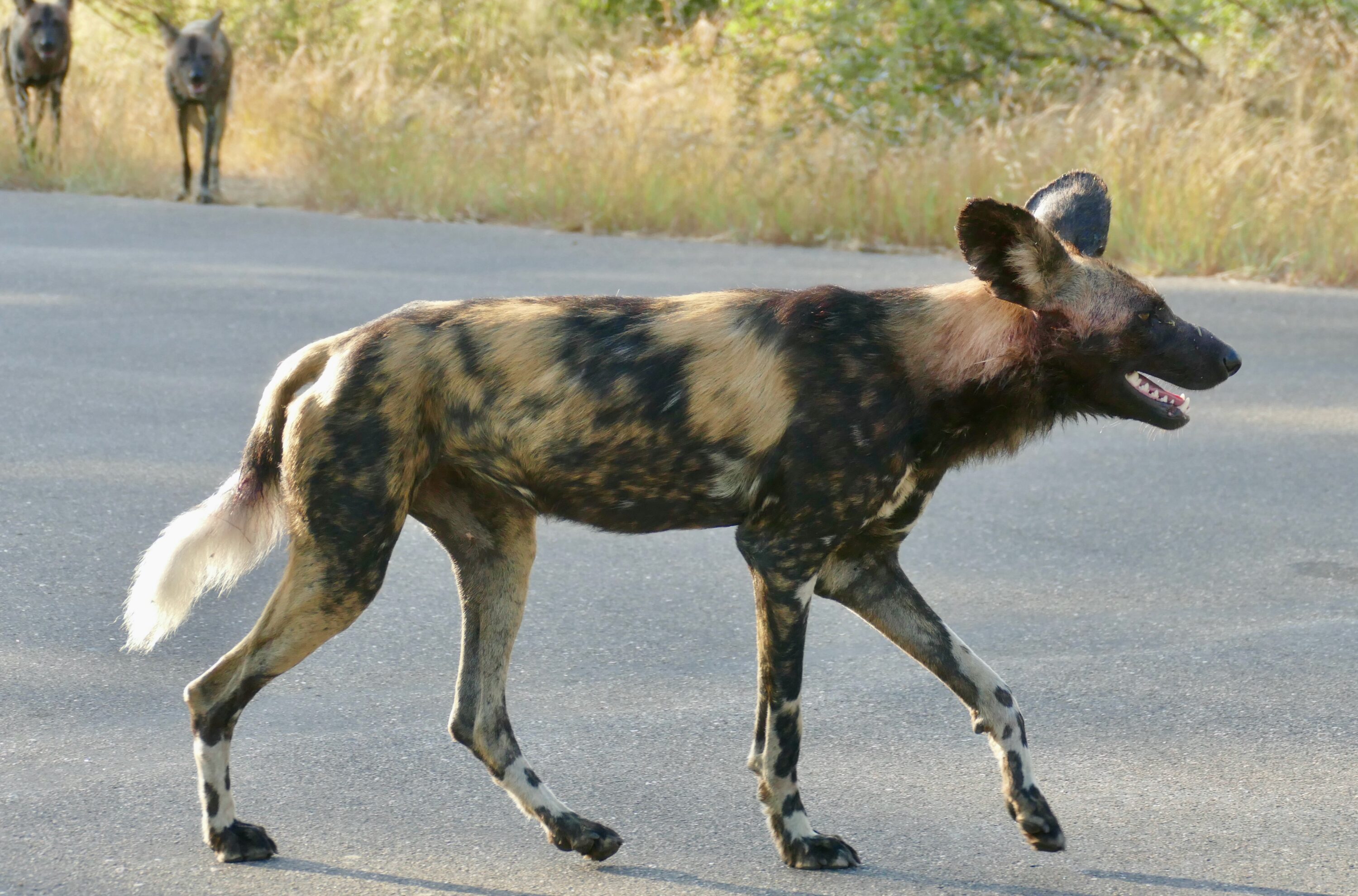
Gut Microbiomes Across Nine Kruger Mammals Clustered More Strongly by Dietary Group Than Species
A study of 89 quality-filtered faecal samples from nine wild mammals in Kruger National Park found that carnivores,…
Read story →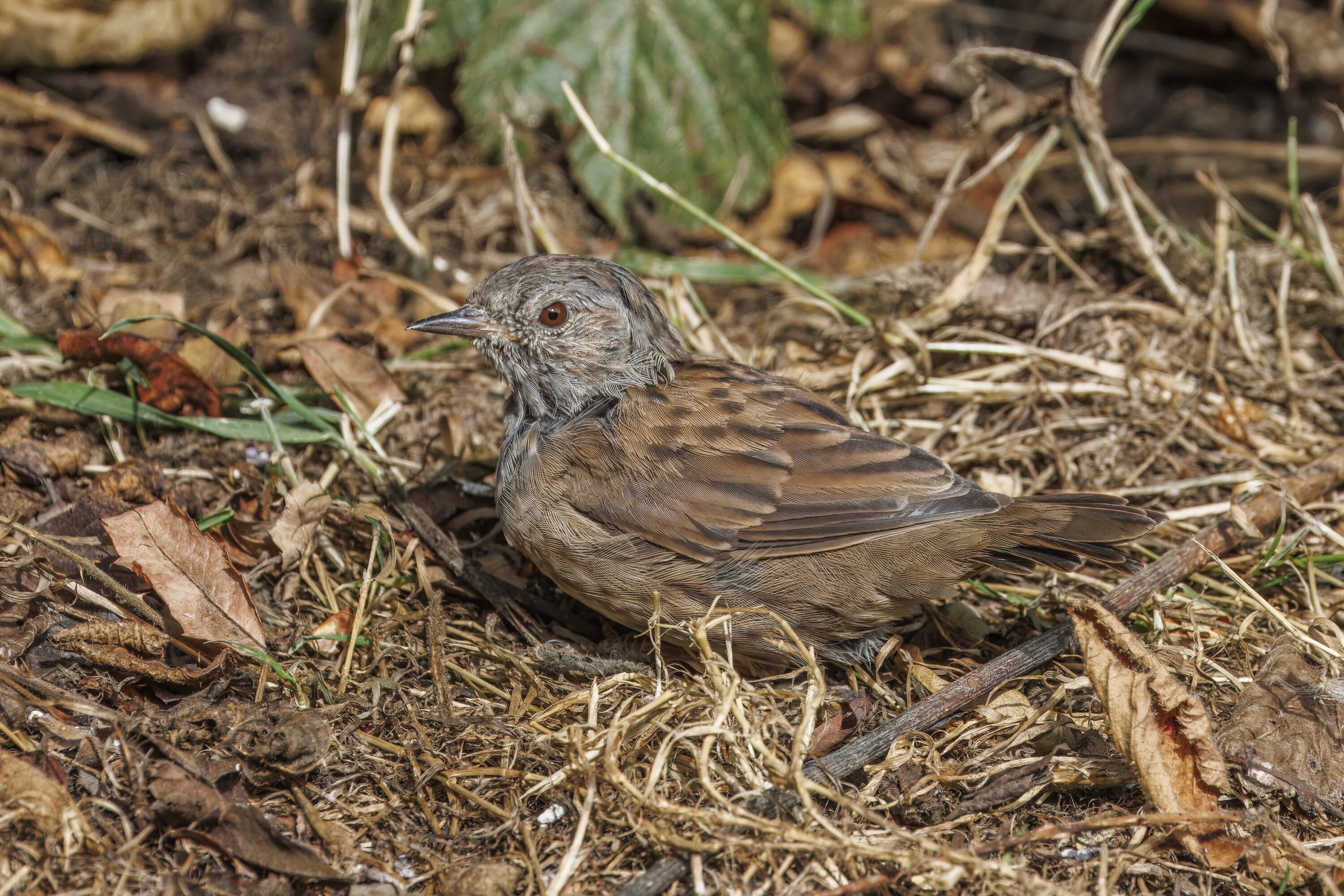
Dunnock Spring Passage Advanced by Up to 8.3 Days Over 61 Years at Hel
Standardised ringing data from northern Poland showed that the first, median and last phases of dunnock spring passage…
Read story →SPECIES IN THIS STORY
Species in this story
Independent research and conservation news archive
Did you find this information useful?
Wildlife Vagabond is independently built and maintained. Voluntary support helps cover source verification, hosting and continued work on research and conservation news.
Support Wildlife VagabondThe news archive will remain freely available.