
Inland Mute Swans Had Better Winter Body Condition Than Coastal Birds
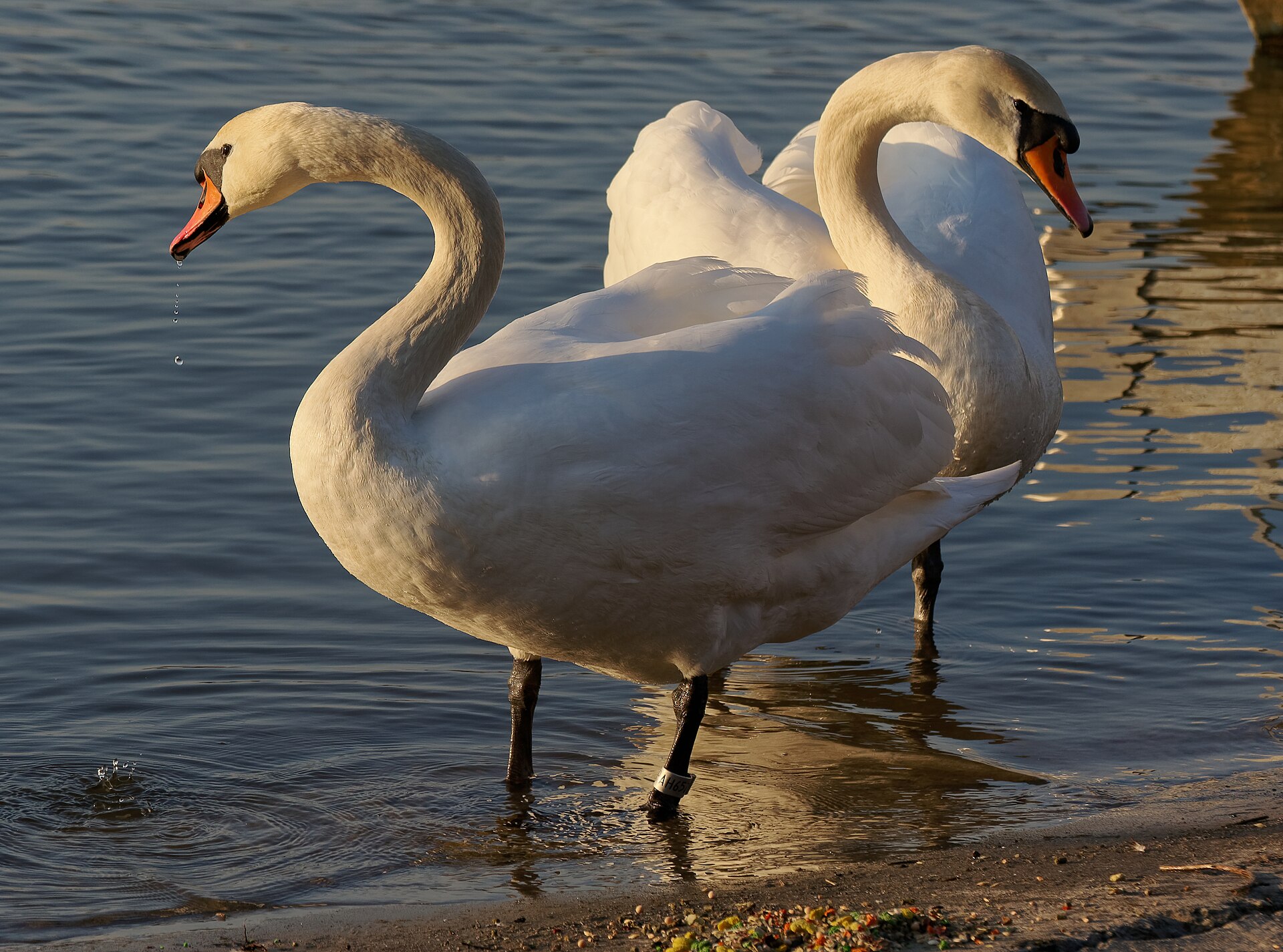
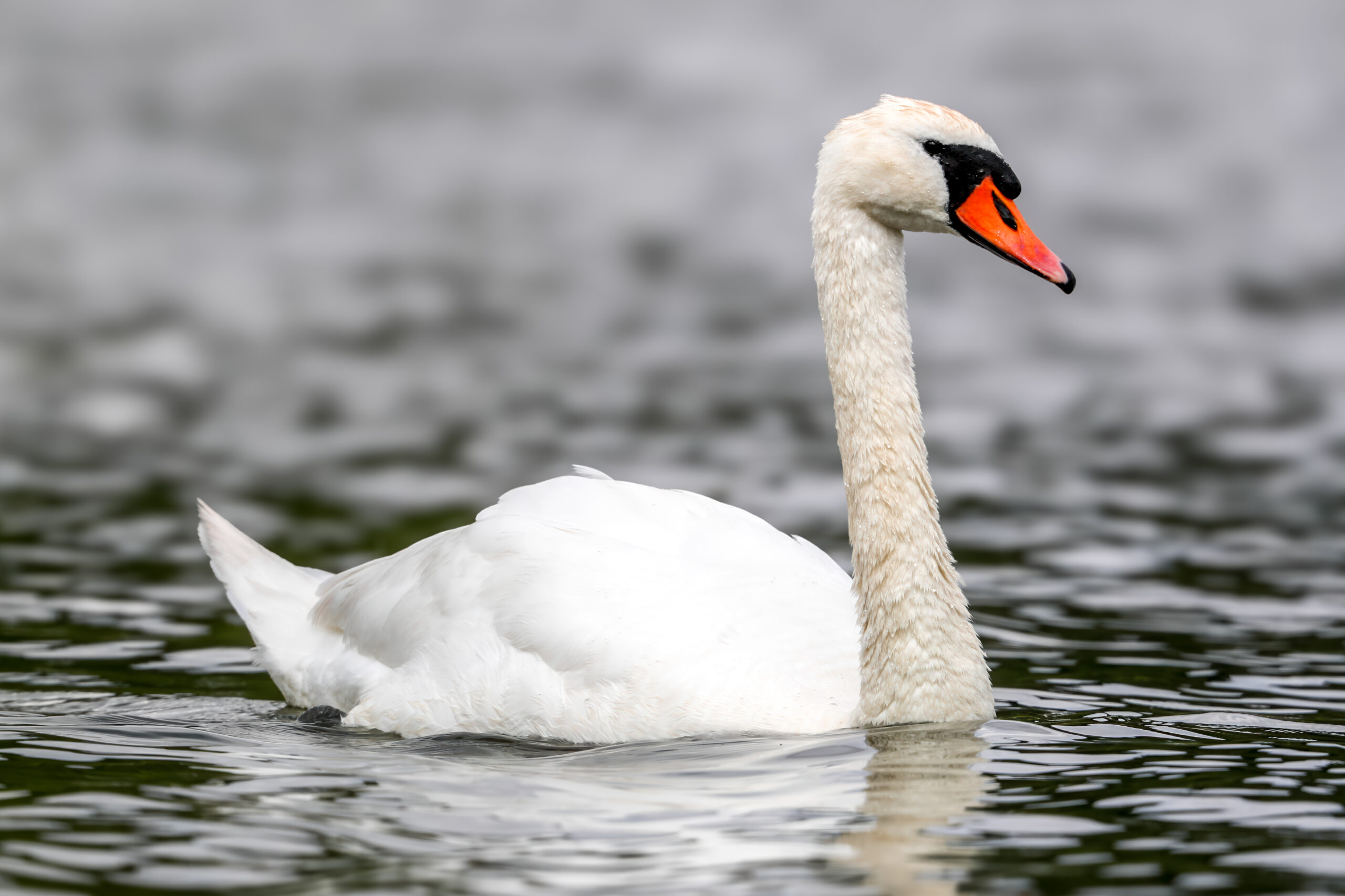
Mute swans (Cygnus olor) wintering inland in Poland were heavier for their body size than swans along the milder coast. This suggests they had larger energy reserves to draw on during winter. The researchers argue that such reserves can provide a buffer when cold weather increases energy demands and makes food harder to find.
The study included 853 swans from the Gulf of Gdańsk, Świnoujście, central Poland and Upper Silesia. Birds were caught in different years between 1994 and 2015, from mid-November to mid-March. All four regions included urban sites where people regularly fed swans, mainly with bread but also with grain.
To compare body condition, the researchers accounted for the fact that a large swan naturally weighs more than a small one. They used a scaled mass index, which relates body mass to structural size, measured here using head length. The index therefore provided an indirect measure of energy reserves.
Colder winters, larger reserves
Both inland regions had colder winters and more days below freezing than the coastal regions. Yet their swans generally had better body condition. The difference was clearest among adults; in juveniles, the contrast between some regions was less distinct.
The researchers interpret this as an adjustment to more demanding winter conditions. Larger reserves offer a safety margin against bad weather. Carrying a heavier body also costs energy, however, so swans in milder areas may have less need for large stores.
Young swans fared less well
In all four regions, adults had better body condition than birds experiencing their first winter. Second-year birds generally fell between these groups inland. Differences between males and females were small and inconsistent.
Competition for food offers a possible explanation. Juveniles rank below adults in winter flocks and have less experience. The researchers suggest that this can restrict their access to food, even where people feed the birds.
Reserves declined despite feeding
Body condition declined as winter progressed in all regions. Among adults, the decline was steeper inland than along the coast, while juveniles showed more similar declines in the two areas.
The researchers suggest that the body’s own seasonal regulation of weight may partly explain this pattern. Food quantities were not measured, however, so they could not establish whether provisioning fully met the swans’ energy needs. The clear finding is that regular feeding did not erase differences associated with age, wintering region and the progress of winter.
Physiology
Related news
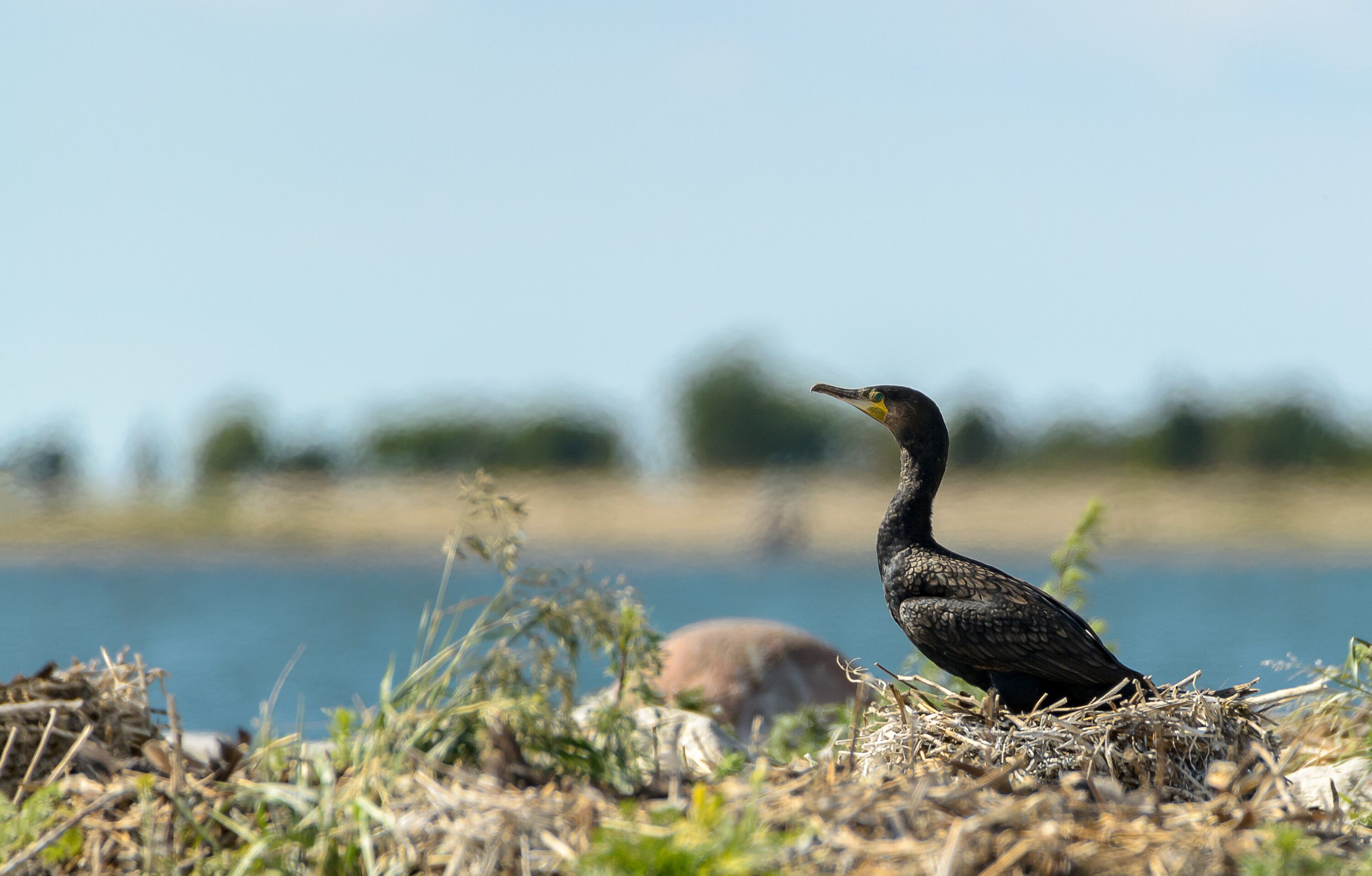
Bird Diversity Fell After Cormorant Colonies Became Established on Baltic Islands
Annual monitoring from 261 Estonian Baltic islands showed that breeding-bird diversity declined after great cormorant colonies became established…
Read story →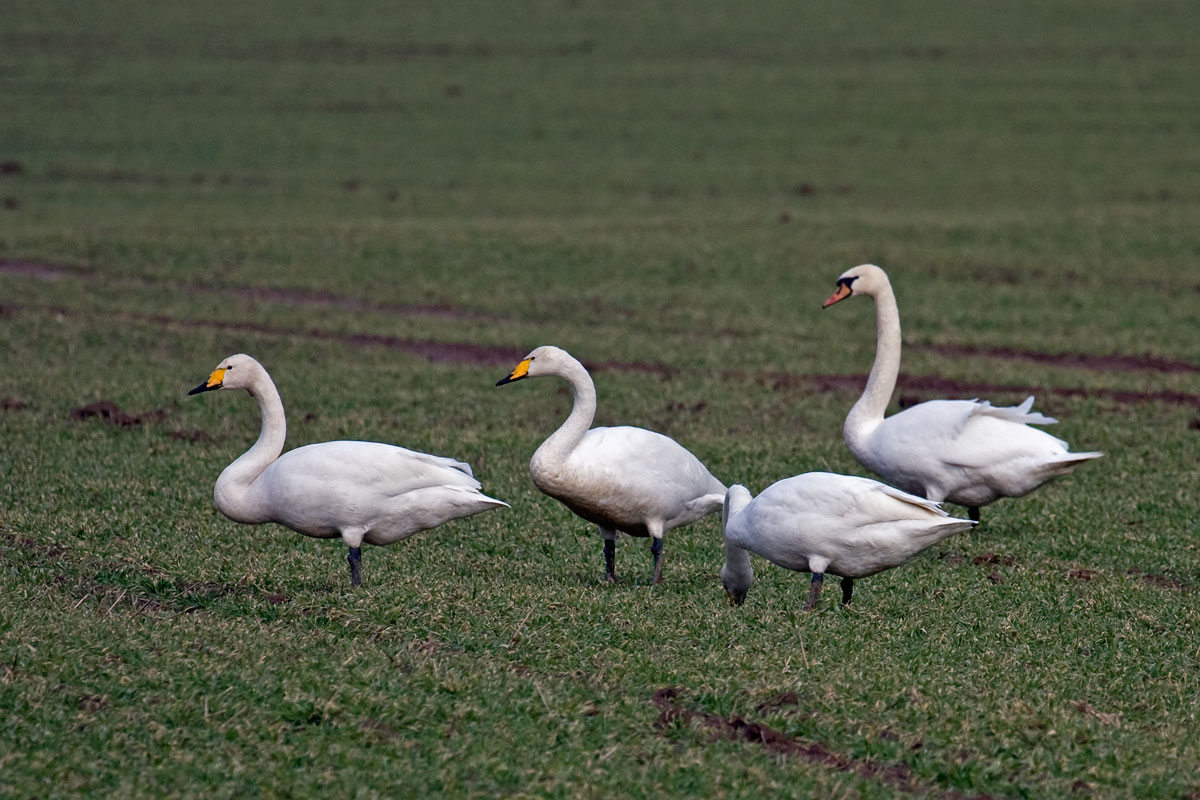
Mute Swan Nests Were More Concealed Where Whooper Swans Also Bred
Across 68 Mute Swan nests in Polish fishpond systems, nests were more concealed when Whooper Swans bred in…
Read story →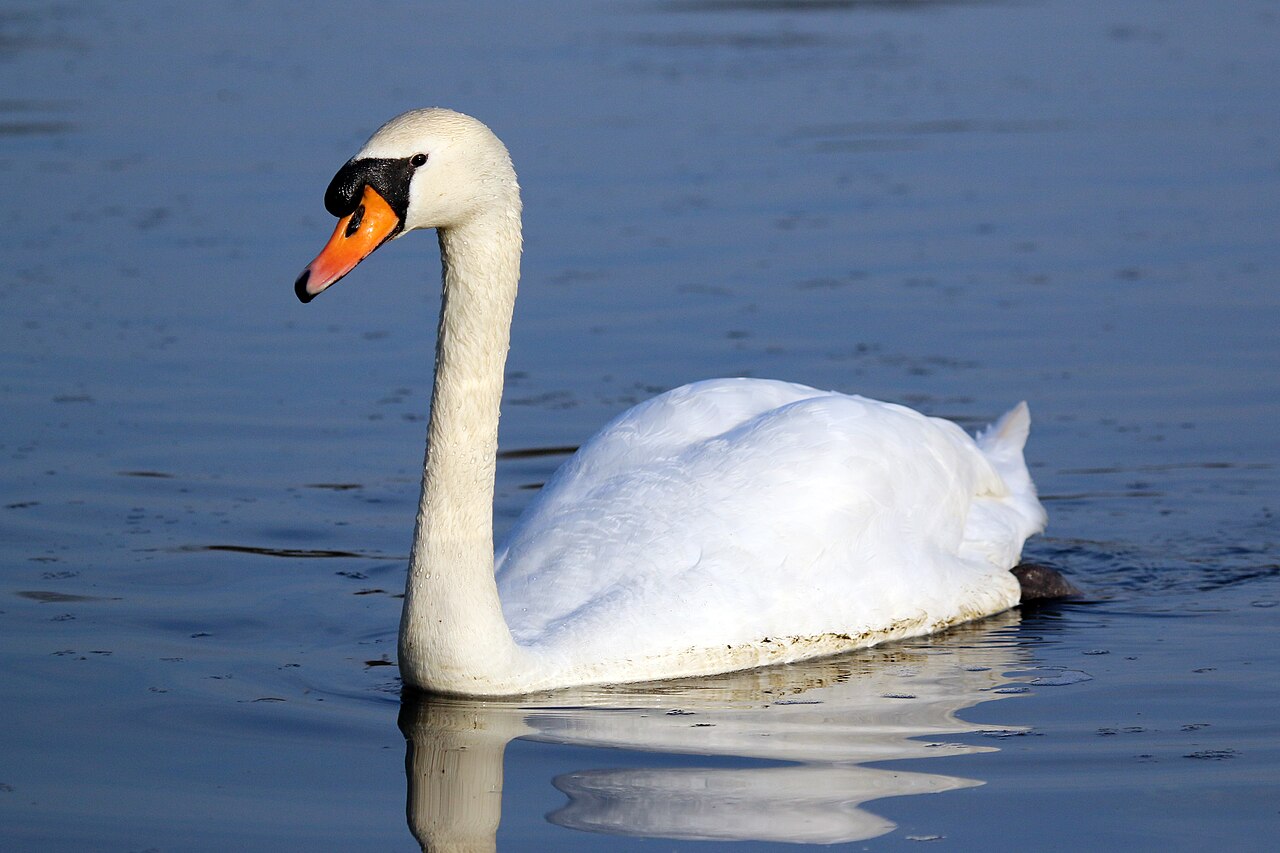
Fibrosarcoma Was Reported in a Mute Swan for the First Time
Biopsy of two rapidly growing skin masses in a free-living male mute swan revealed fibrosarcoma, the first published…
Read story →SPECIES IN THIS STORY
Species in this story
Independent research and conservation news archive
Did you find this information useful?
Wildlife Vagabond is independently built and maintained. Voluntary support helps cover source verification, hosting and continued work on research and conservation news.
Support Wildlife VagabondThe news archive will remain freely available.