
Amino Acids in One Elephant’s Tail Hair Retained Nitrogen Isotope Signals for Very Different Times
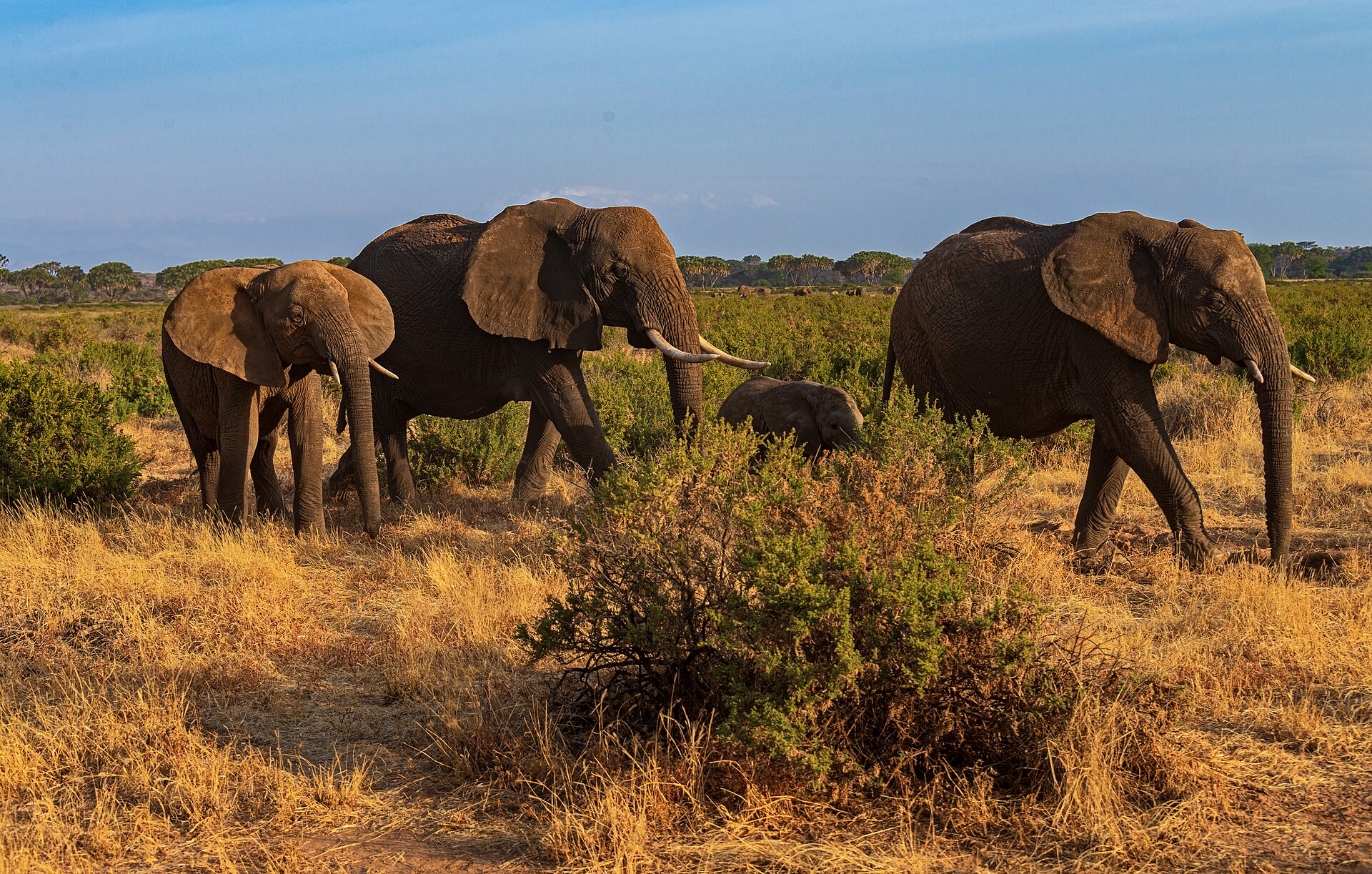
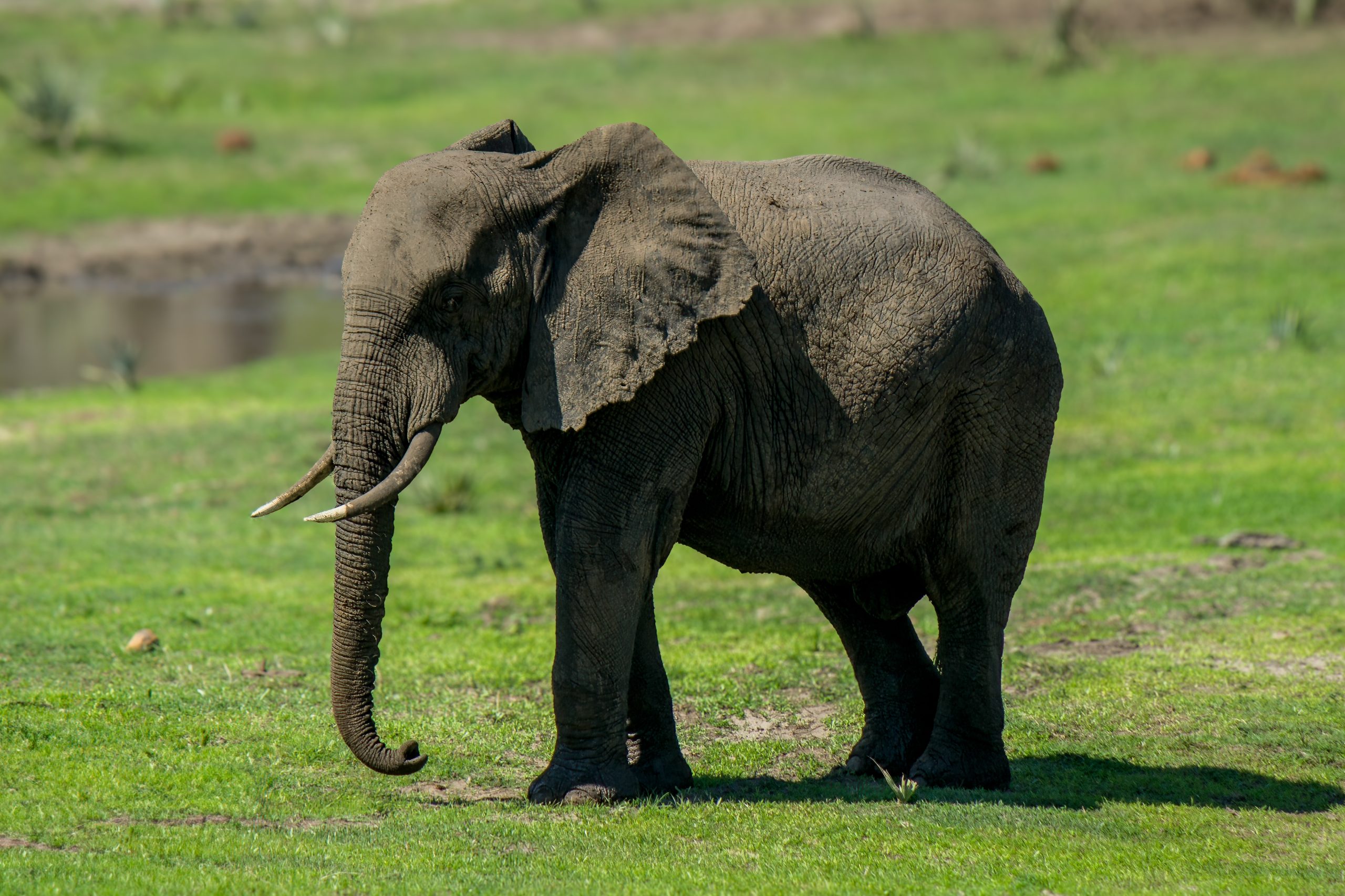
An analysis of tail hair from a single migrating african bush elephant (Loxodonta africana) found that nitrogen-isotope signals in different amino acids adjusted to a new environment at very different rates. Some estimated half-times were measured in days, while others exceeded one year.
The elephant repeatedly moved between Samburu National Wildlife Reserve and the Mount Kenya region. These ecosystems differ strongly in their natural nitrogen-isotope baselines: the study reports a difference of about 10‰ in δ15N. That contrast allowed the researchers to examine what happened when the animal moved from one isotopic setting to another.
Nitrogen occurs naturally as stable isotopes that differ in mass. δ15N expresses the ratio of 15N to 14N relative to a standard and can help researchers reconstruct aspects of diet and food-web position. The interpretation is not immediate, however, because material incorporated into growing tissue can retain signals from an animal’s earlier location.
Tail hair grows over time and can therefore preserve a chronological chemical record. The researchers measured δ15N in 13 individual amino acids along hair from the elephant. Because its repeated movements were known, the hair offered a rare opportunity to compare amino-acid incorporation rates within the same free-ranging animal.
Amino-acid signals changed over days to more than a year
For most amino acids, the models indicated contributions from both a faster and a slower metabolic pool — components of body nitrogen metabolism with different turnover rates. T50 is the half-time for one such pool – the time required for half of that pool’s isotope signal to reflect a new source. So-called trophic amino acids, which exchange or remove nitrogen-containing groups relatively often during metabolism, received 41–75% of their modelled signal from the short pool, whose T50 was 5–37 days.
Source amino acids undergo less of this metabolic nitrogen reshuffling and therefore preserve the original isotope baseline more strongly. For these amino acids, the long pool contributed 50–64% of the modelled signal and had T50 values longer than 365 days. They also retained a smaller short-pool contribution, so the distinction was not that one group changed only quickly and the other only slowly. Different amino acids in the same hair sample could therefore retain information from earlier environments for radically different periods.
Trophic-position estimates ranged from 0.3 to 3.2
The researchers also calculated trophic position using glutamic acid and phenylalanine. Because African bush elephants are herbivores, an estimate near 2 would be expected if the two amino acids were in isotopic steady state. Instead, the estimate varied from 0.3 to 3.2 along the record. The authors interpret this wide range as evidence that the two amino acids were not always in isotopic steady state — the point at which their isotope signals have equilibrated with the new dietary and environmental baseline — after the elephant crossed between ecosystems. It should therefore not be read as proof that the animal repeatedly made equally large changes in its actual food-web position.
One elephant cannot define turnover rates for the wider population
The study concerns one migrating elephant, so it does not estimate how quickly amino acids turn over across the wider population. In this individual, turnover differed strongly among amino acids under natural movement conditions. For isotope studies of mobile animals, the findings show why both recent movement and amino-acid-specific incorporation rates need to be considered before chemical values are translated into dietary or trophic conclusions.
Molecular biology & biochemistry
Related news
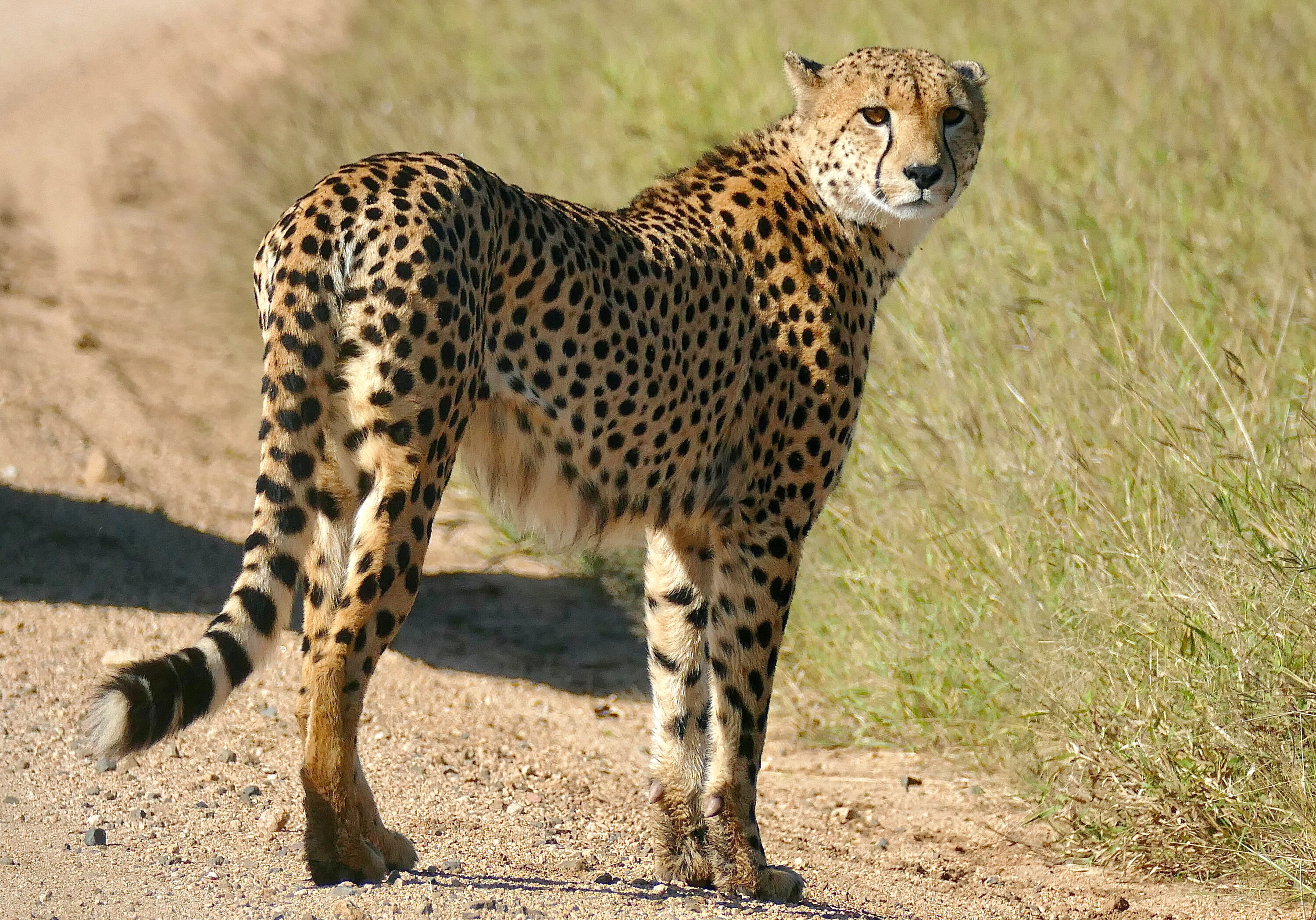
DNA Methylation Shifted as Namibian Male Cheetahs Became Territorial
Paired blood samples from ten free-ranging Namibian males revealed widespread, predominantly increased DNA methylation after the same cheetahs…
Read story →
Svalbard Ptarmigan and Golden Hamsters Shared a TSH Pathway for Seasonal Timing
A comparison of neuroendocrine tissue in summer- and winter-like states found the same core TSH seasonal-timing pathway in…
Read story →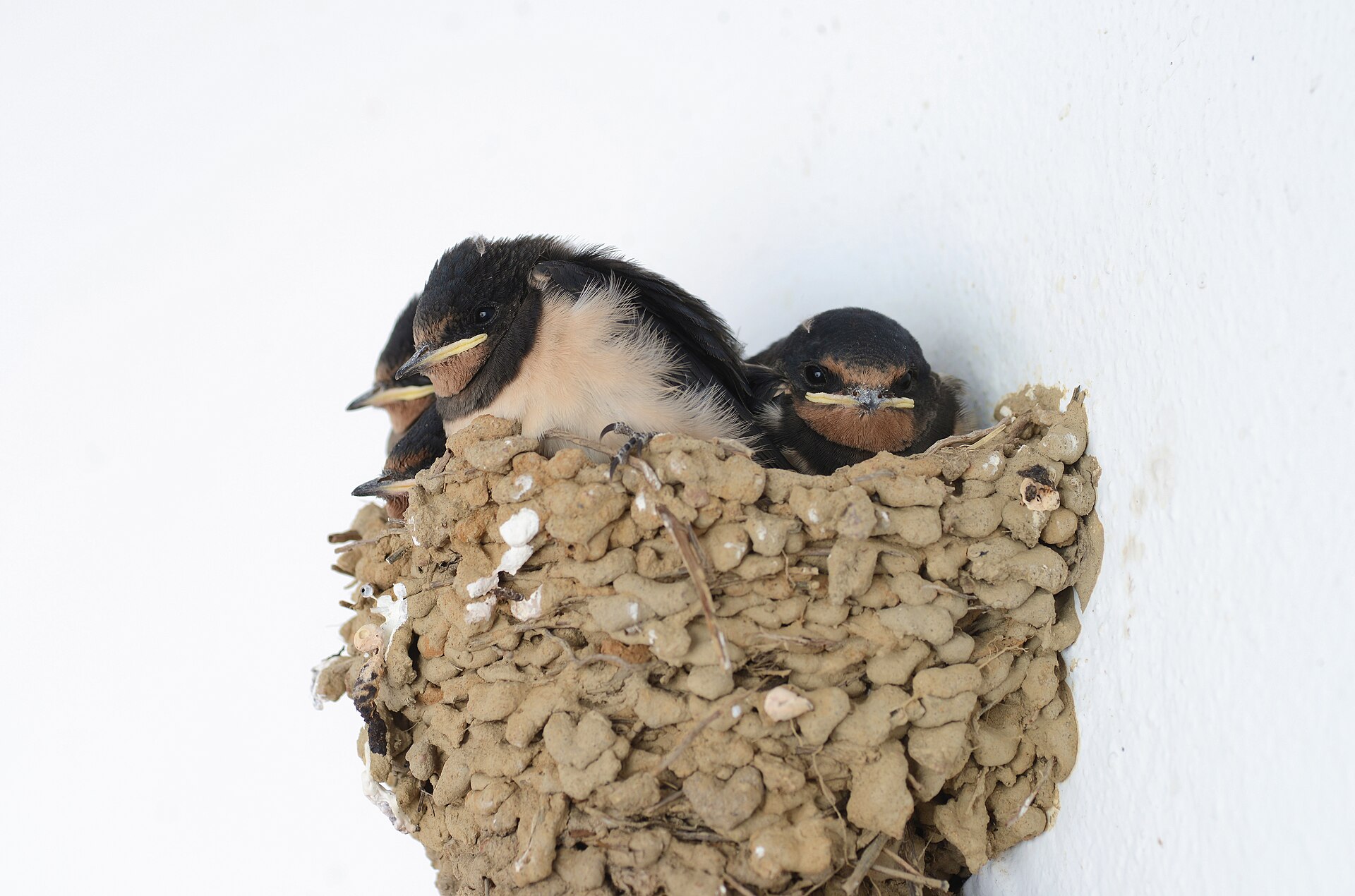
Larger Broods and Older Social Fathers Were Linked to Shorter Telomeres in Male Barn Swallow Nestlings
A long-term study near Milan found shorter telomeres in male barn swallow nestlings from larger broods or with…
Read story →SPECIES IN THIS STORY
Species in this story
Independent research and conservation news archive
Did you find this information useful?
Wildlife Vagabond is independently built and maintained. Voluntary support helps cover source verification, hosting and continued work on research and conservation news.
Support Wildlife VagabondThe news archive will remain freely available.