
Asian Openbills Took 30–62 Seconds to Handle Apple Snails in Direct Observations
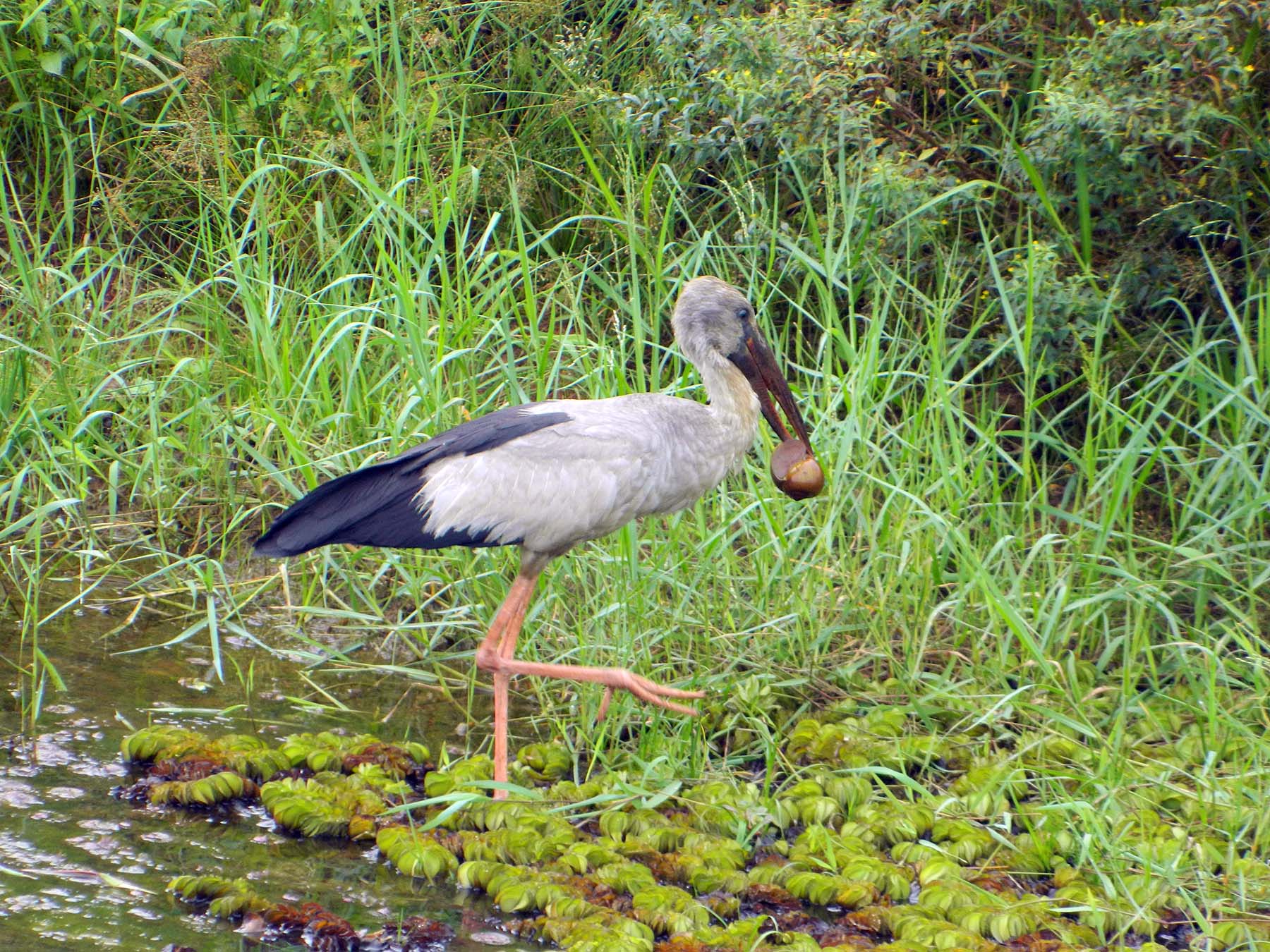
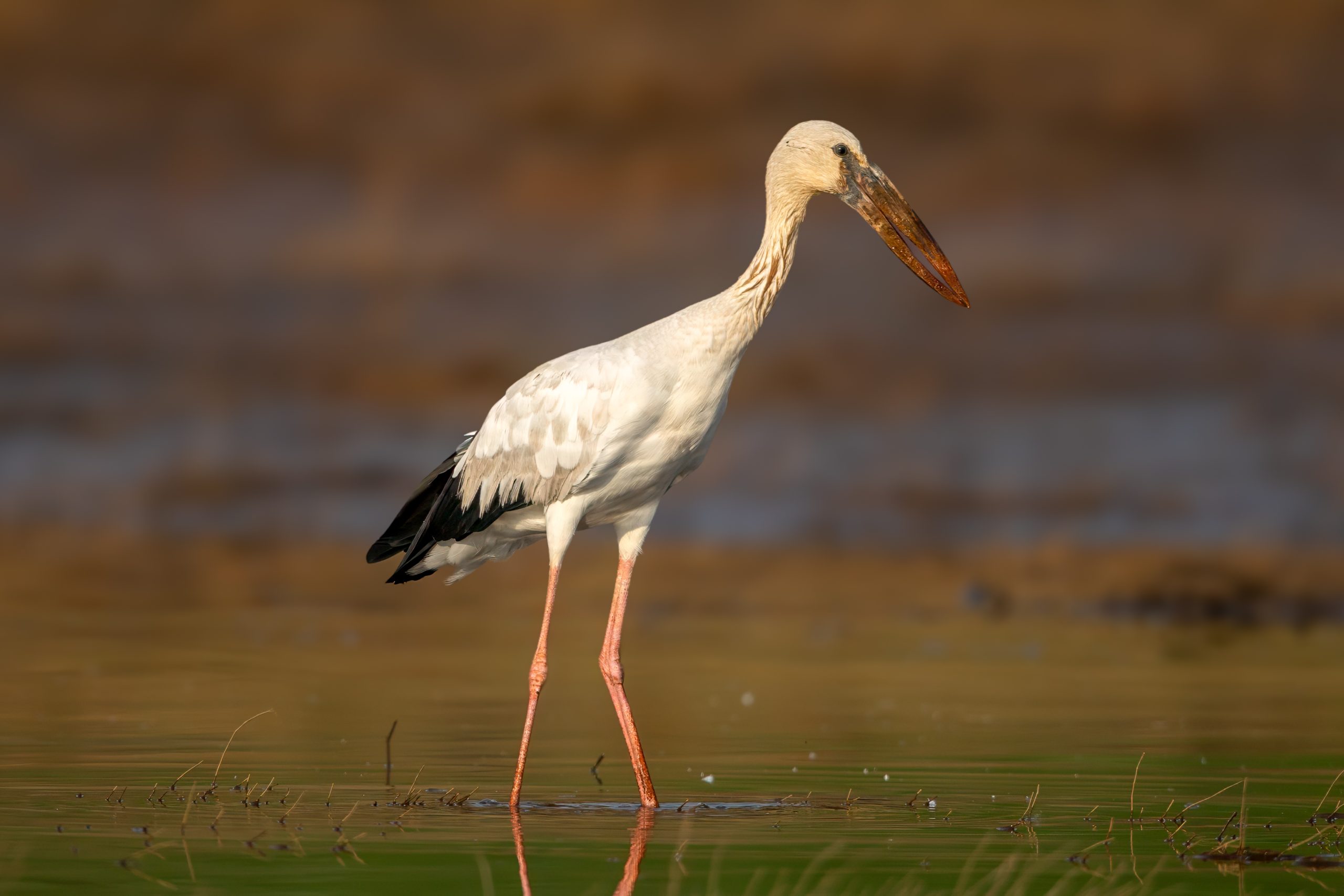
Asian openbills (Anastomus oscitans) feeding around ponds and canals at Mahidol University’s Salaya Campus in Thailand handled apple snails rapidly during observations from 1 to 5 March 2026. In six captures timed directly, the interval from picking up a snail to swallowing it was 30–62 seconds.
The birds located snails by probing or touch in shallow water, carried them a short distance onto the bank and used the lower bill to move the operculum—the hard plate that closes the shell opening—aside before extracting the soft body. The prey belonged to the introduced apple-snail genus Pomacea, which has become abundant in many urban waterways in Thailand.
Shells provided a second estimate of feeding activity
Along 176 metres of canal bank that groundskeepers cleared of shells each morning, the researchers counted 187 newly discarded shells over ten hours. If feeding had been continuous, that corresponds to about 18.7 snails per hour. The authors caution that more than one openbill may have contributed to the total even though they did not see several birds feeding there at the same time.
At a separate five-metre section used by a solitary bird, four new shells appeared in 25 minutes. These shell counts give a broader measure of activity than the six directly timed captures, but they are less precise because each shell cannot always be linked to a particular feeding event.
The snails were removed without crushing the shells
The discarded shells and opercula were intact. That differs from some earlier descriptions in which openbills crushed shells or left parts of the snail behind. In the Salaya observations, the birds appeared to extract the prey efficiently while leaving the shell largely undamaged.
The authors compare the observed feeding rates with the fastest previously reported for Asian openbills. They suggest that efficient use of introduced Pomacea snails helps the species exploit urban aquatic habitats and could contribute to natural suppression of invasive snails. The field note did not measure snail-population change, so this possible control effect remains a proposed ecological consequence rather than a demonstrated population-level result.
Ecology
Related news
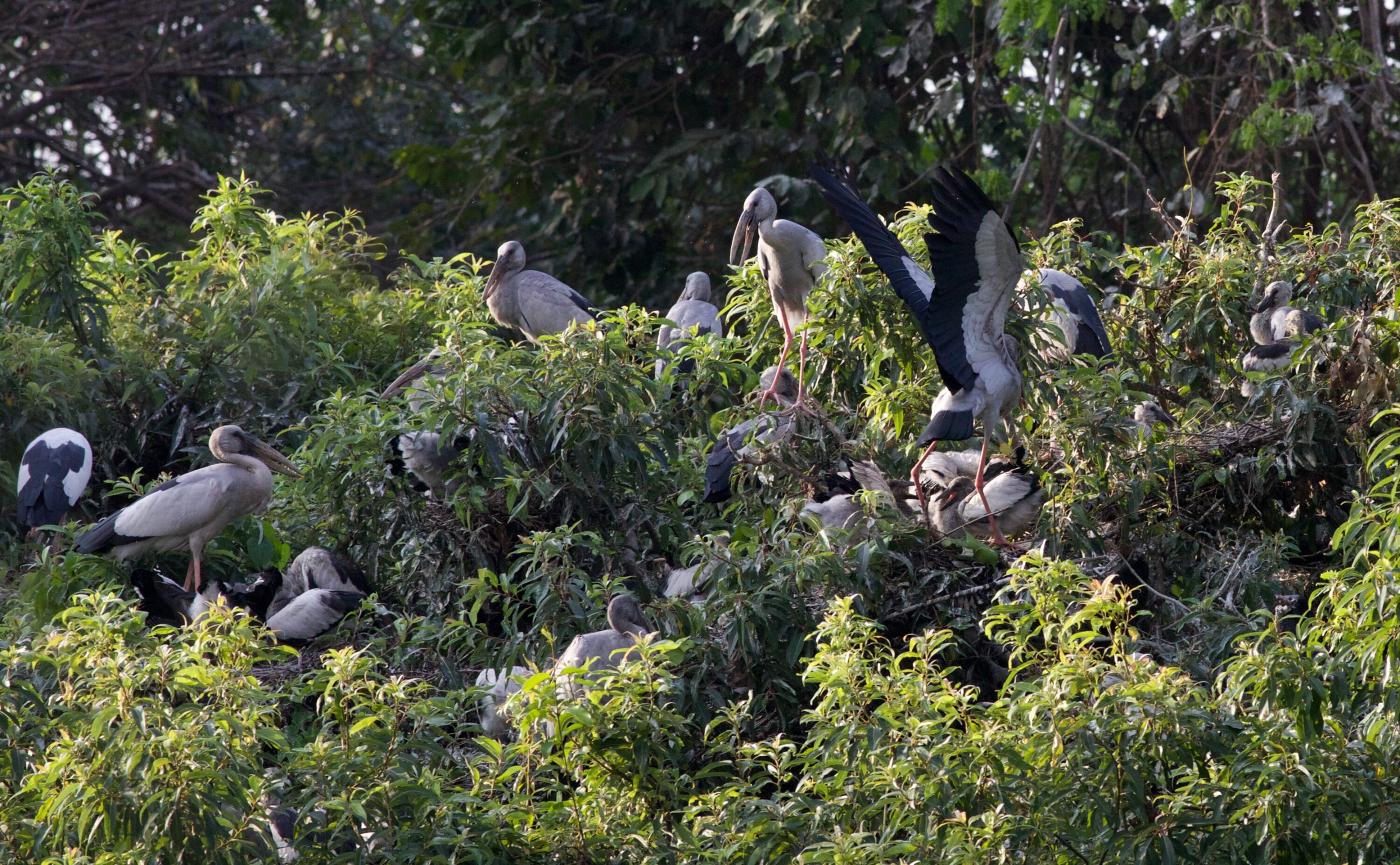
Waterbird Nest Counts Nearly Halved at an Indian Wetland, but Bird Numbers Showed No Clear Decline
At Vettangudi Bird Sanctuary in India, recorded waterbird nests fell from 396 to 190 across eight sampled breeding…
Read story →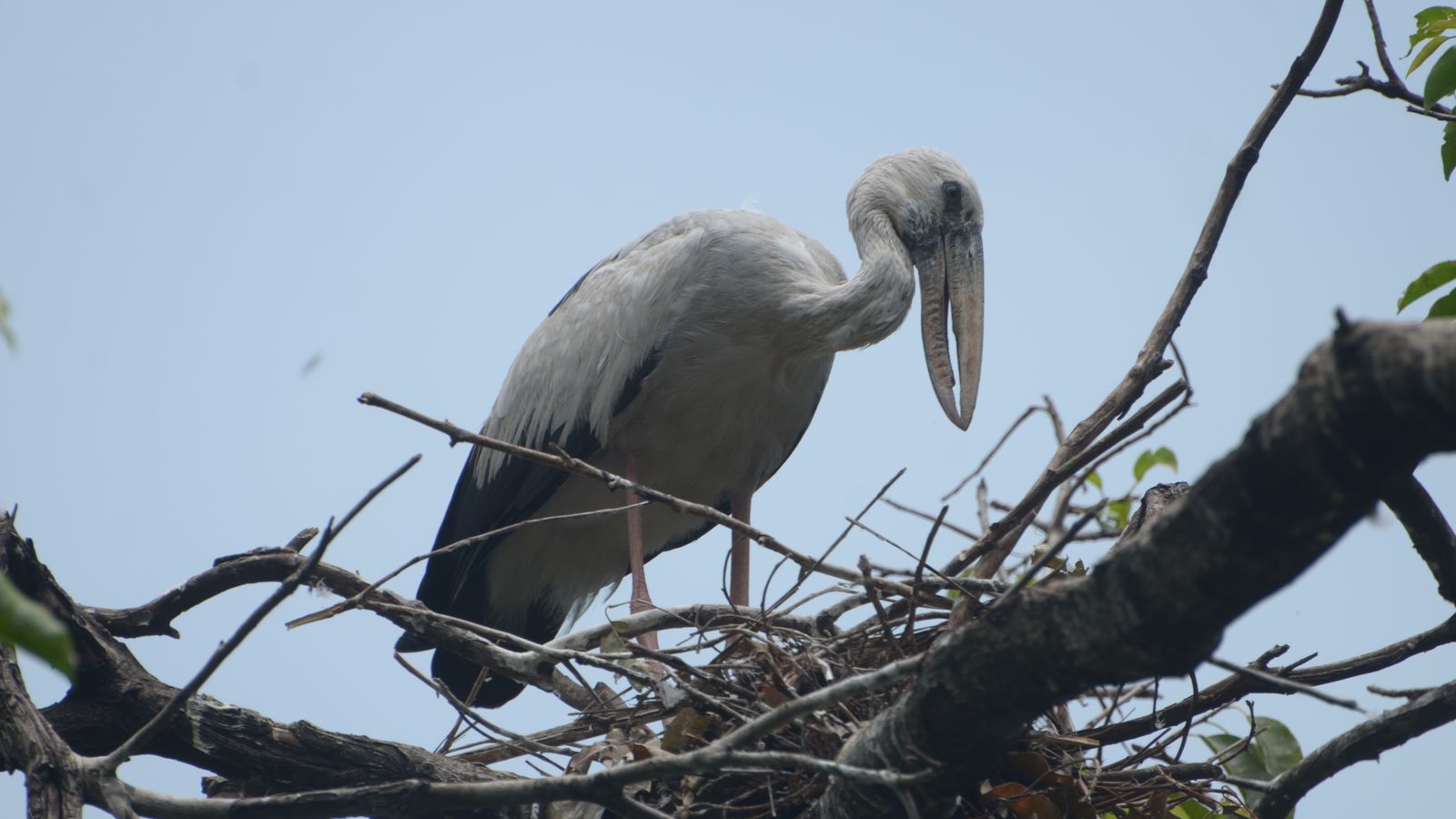
Asian Openbills Favoured Certain Tree Species for Nesting Even When Others Were More Common in Urban Bihar
Among 219 trees of 11 species in Aurangabad, 250 Asian openbill nests were unevenly distributed. Cordia myxa and…
Read story →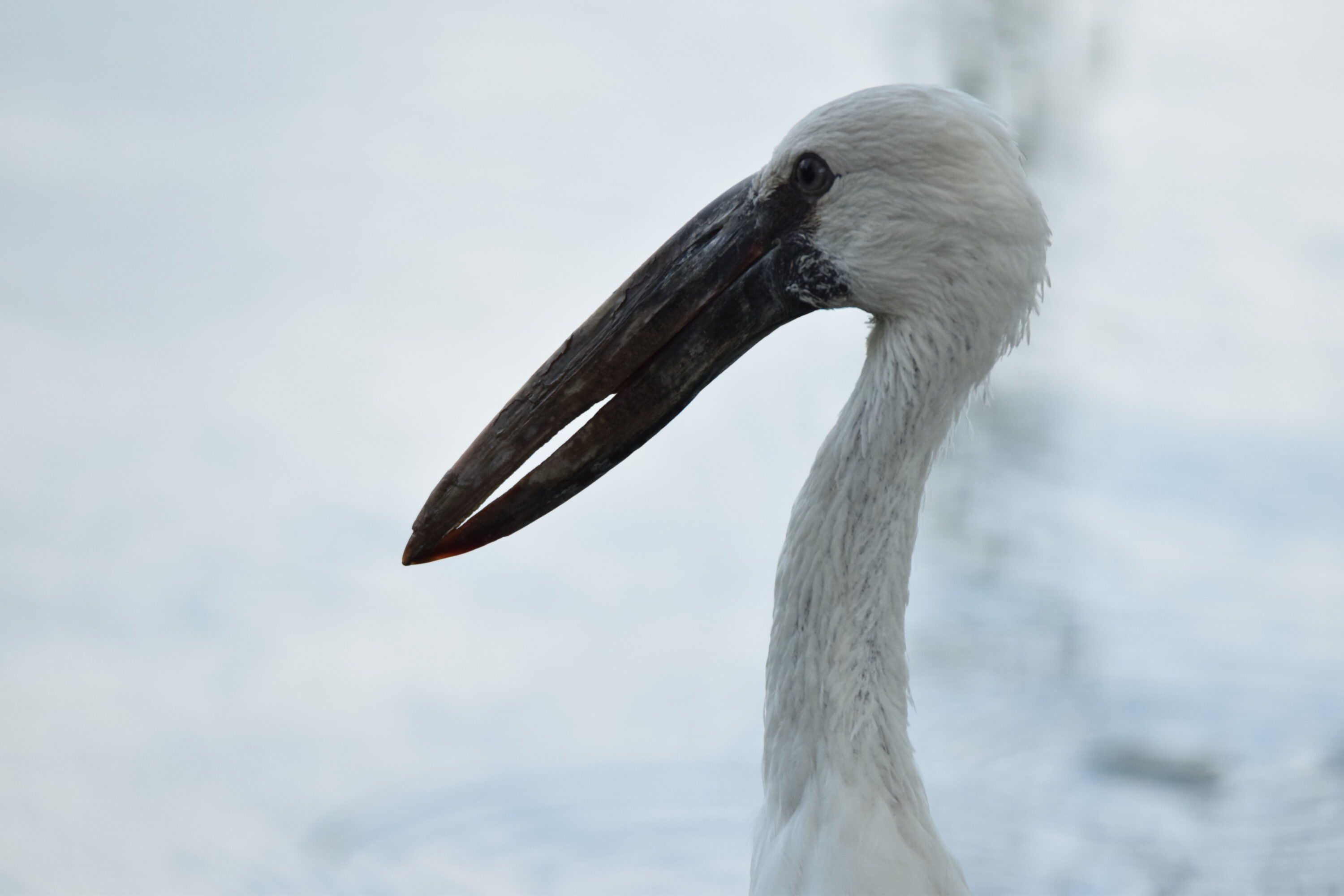
DNA Markers Confirmed Chaunocephalus ferox from a Thai Asian Openbill
Nuclear and mitochondrial DNA from 15 adult Chaunocephalus ferox recovered from a Thai Asian openbill confirmed the parasite's…
Read story →SPECIES IN THIS STORY
Species in this story
Independent research and conservation news archive
Did you find this information useful?
Wildlife Vagabond is independently built and maintained. Voluntary support helps cover source verification, hosting and continued work on research and conservation news.
Support Wildlife VagabondThe news archive will remain freely available.