
National Model Mapped Fallow Deer Relative Abundance Across Australia
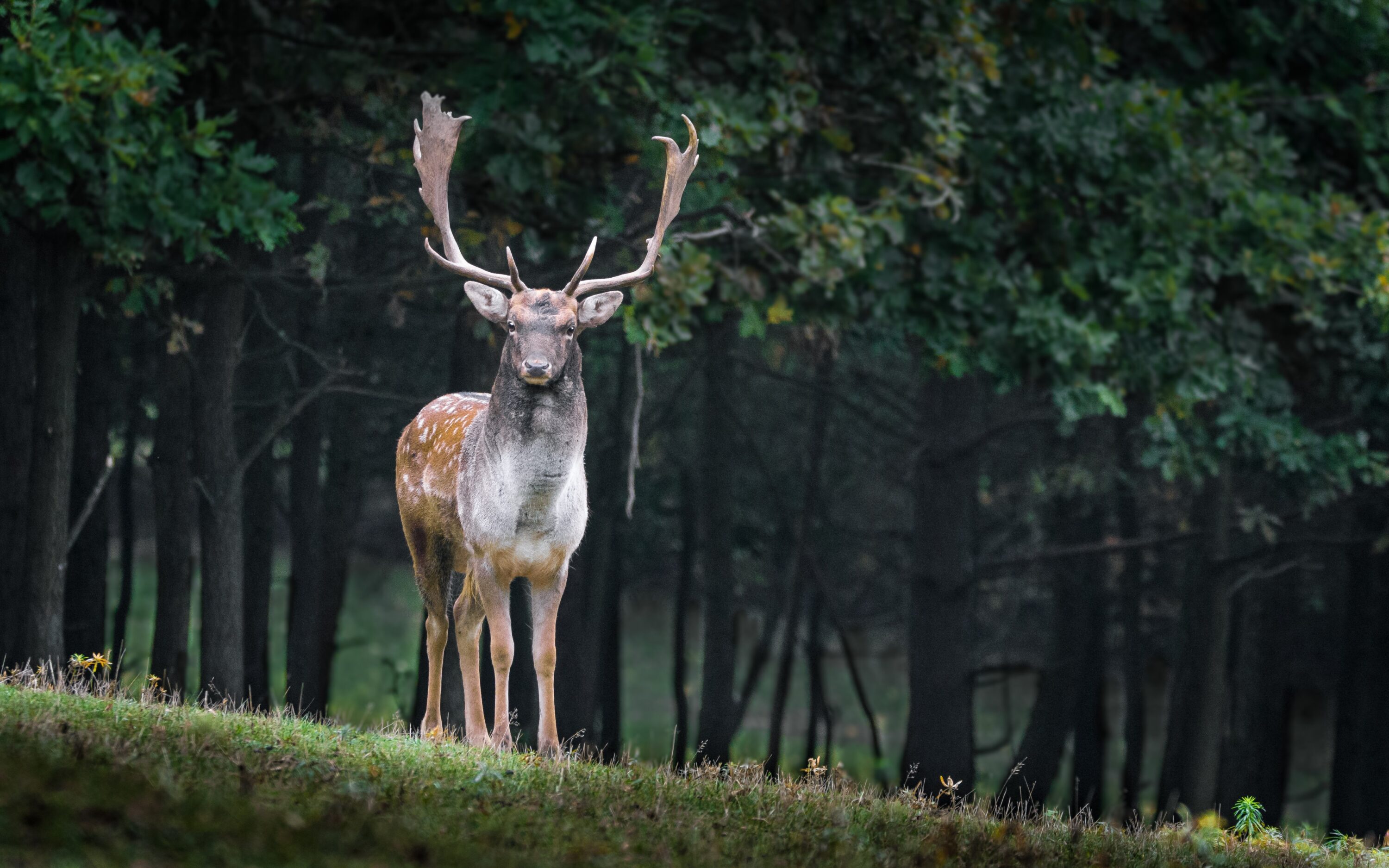
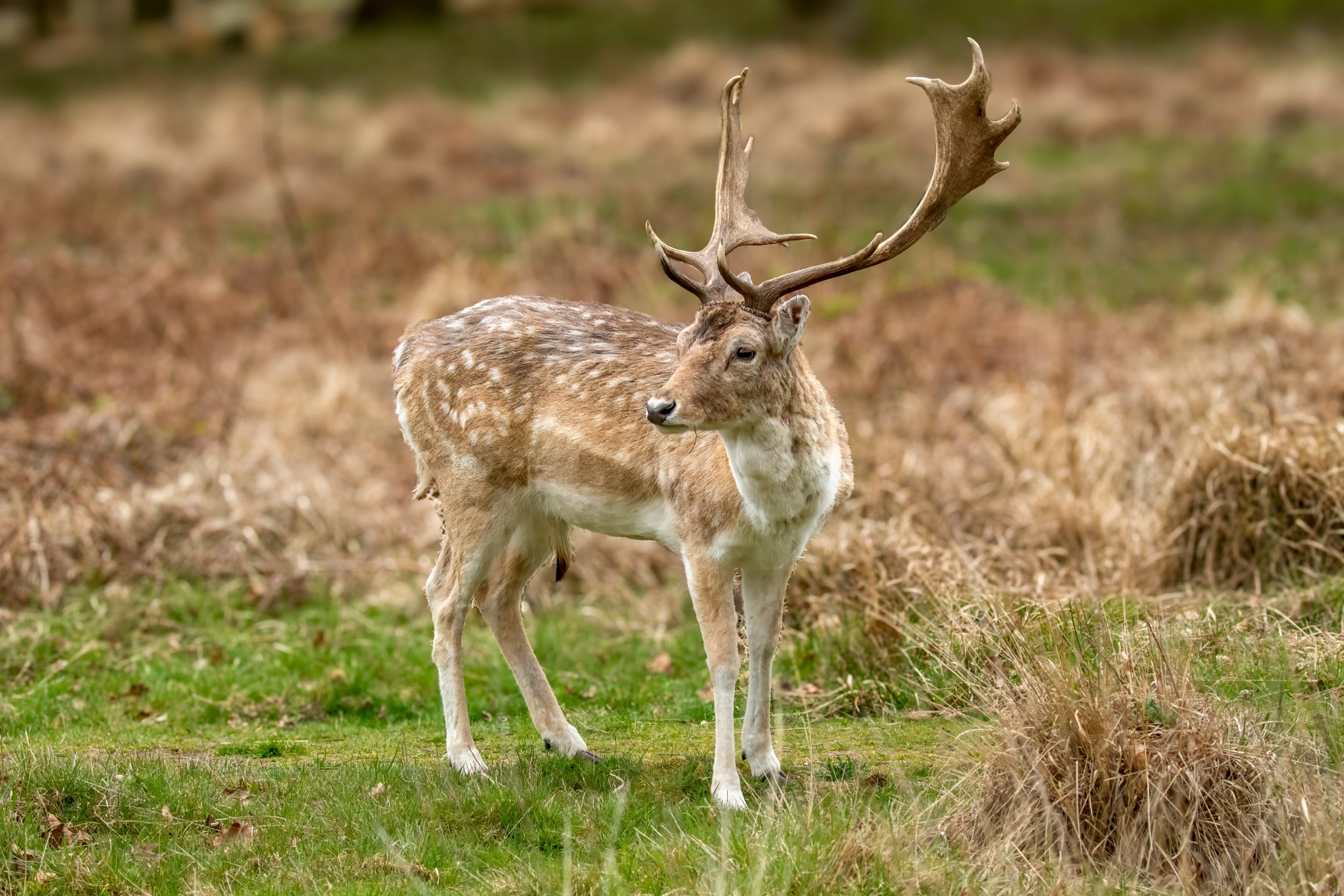
Australia’s national agricultural research agencies have released a new continent-wide model of the current distribution and relative abundance of European fallow deer (Dama dama). The 2026 dataset estimates relative abundance in 5 × 5 km grid cells across mainland Australia, Tasmania and King Island, with higher values modelled in parts of Victoria, New South Wales, Tasmania and south-eastern South Australia.
View the national map and its uncertainty estimates (ABARES and CSIRO).
The model combined records with environmental data
ABARES and CSIRO combined several kinds of evidence in one species-distribution model. Some records simply showed places where fallow deer had been reported, camera traps provided locations both with and without detections, and roadside spotlight surveys also supplied information on how many deer were seen. The model combined these observations with seven environmental variables, including temperature, distance to water, forest and grassland cover, rainfall seasonality and distance to modified grazing land, to estimate where deer were relatively more or less abundant.
The map shows relative abundance, not deer numbers
The output is a measure of relative abundance rather than an estimate of the actual number of deer. A cell with a higher value is modelled to hold more fallow deer relative to a cell with a lower value, but the value cannot be converted directly into a deer count. The agencies note that some animals will go undetected and that differences in how the underlying surveys were designed could not be fully modelled. The 5 km resolution is therefore intended for broad-scale comparison rather than local control planning. Areas with recent eradication or suppression programmes may also be overestimated because observations can lag rapid changes on the ground.
The dataset forms part of Australia’s National Vertebrate Pests and Weeds Distribution Project.
Population & status
Related news
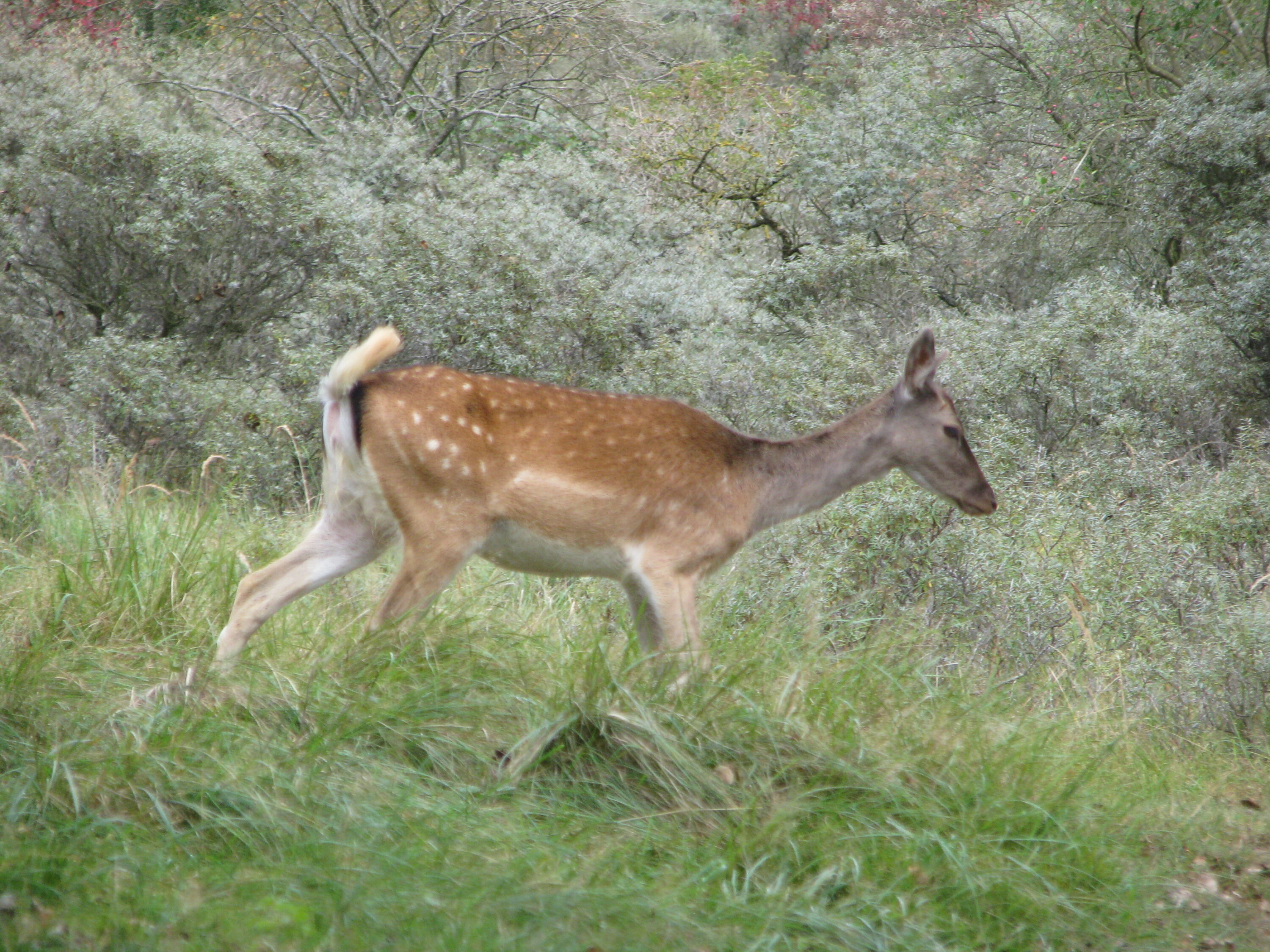
Male and Female Fallow Deer Followed Different Daily Schedules Outside the Rut
In 4,114 sexed camera-trap detections from a Dutch dune reserve, fallow deer favoured twilight and night. Outside the…
Read story →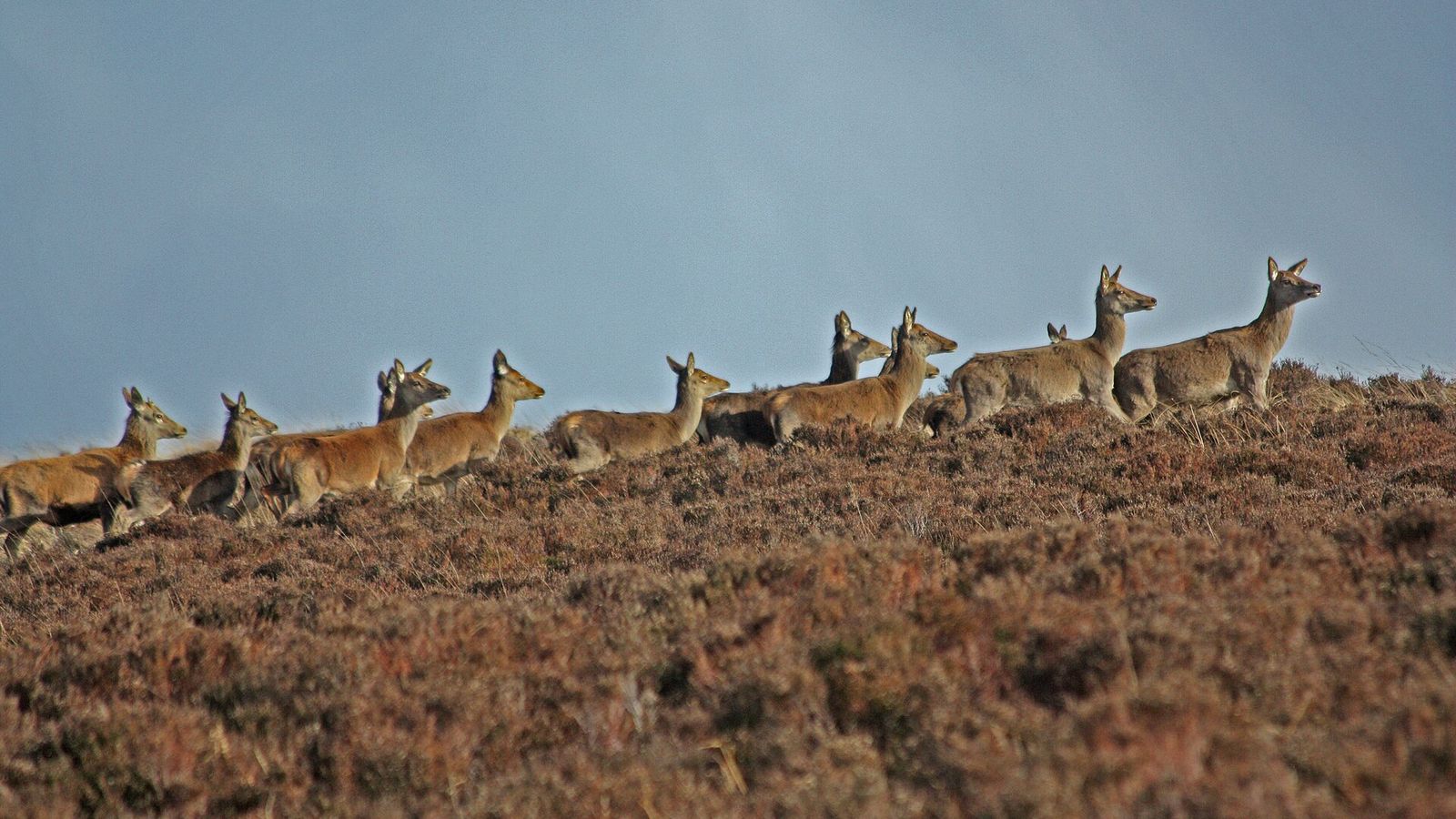
Estimated M. bovis Seroprevalence Was 26.6% in Exmoor Red Deer
A survey of 432 wild deer in the Exmoor area estimated Mycobacterium bovis seroprevalence at 26.6% in red…
Read story →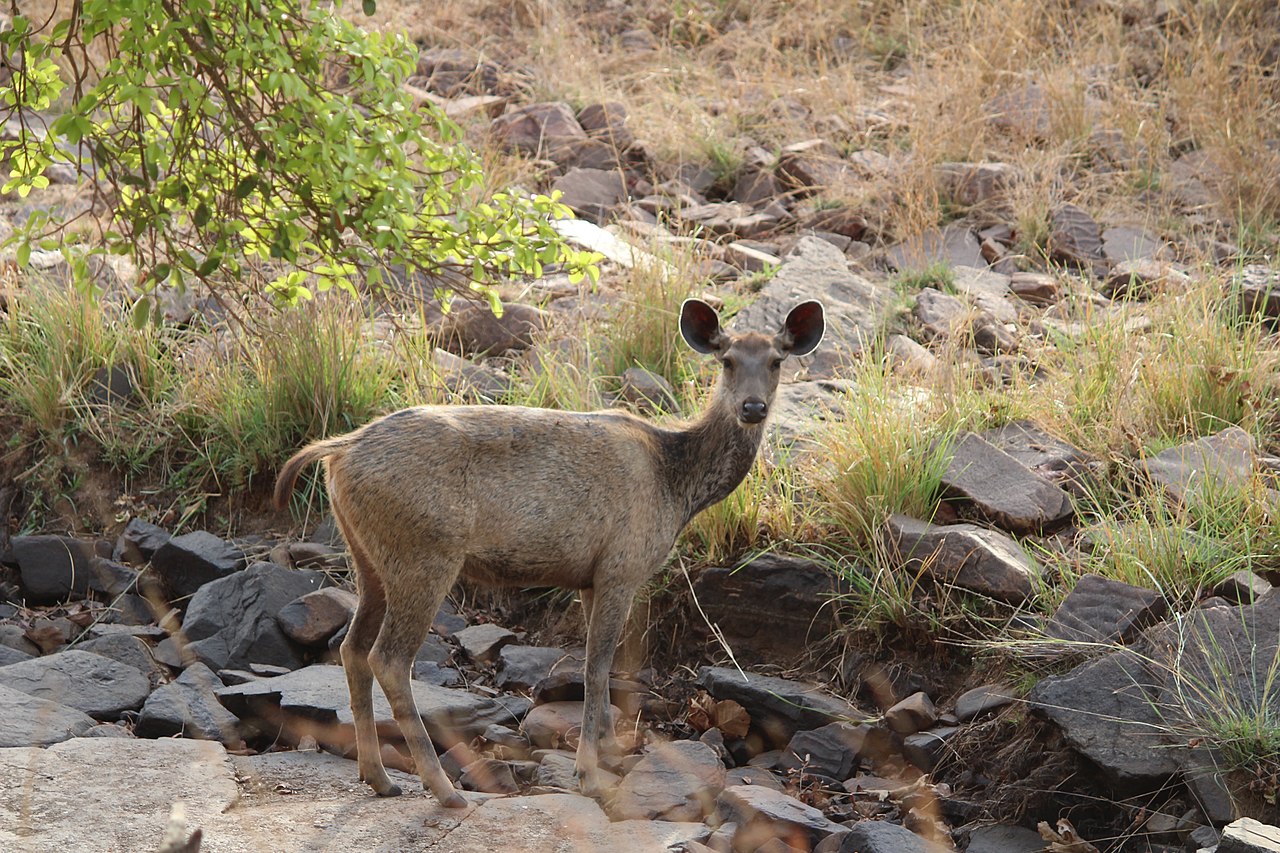
Wild Deer Near Farmland Had Greater Strongyle Diversity in Victoria
Metabarcoding of 194 faecal samples from sambar, fallow and hog deer in Victoria detected 11 strongyle taxa. Deer…
Read story →SPECIES IN THIS STORY
Species in this story
Independent research and conservation news archive
Did you find this information useful?
Wildlife Vagabond is independently built and maintained. Voluntary support helps cover source verification, hosting and continued work on research and conservation news.
Support Wildlife VagabondThe news archive will remain freely available.