
First Documented Black-crowned Night Heron Predation on a Common Gallinule Chick
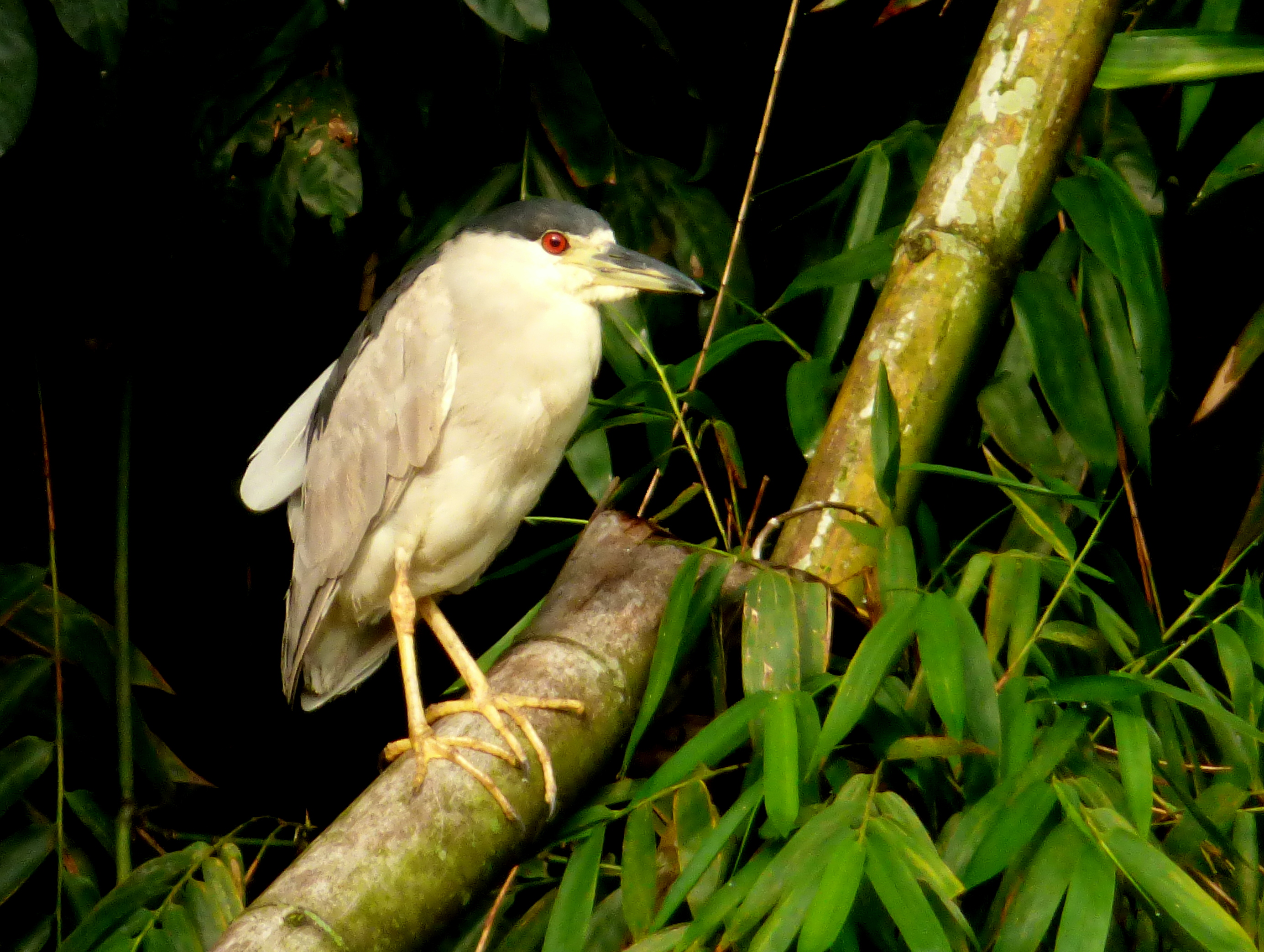
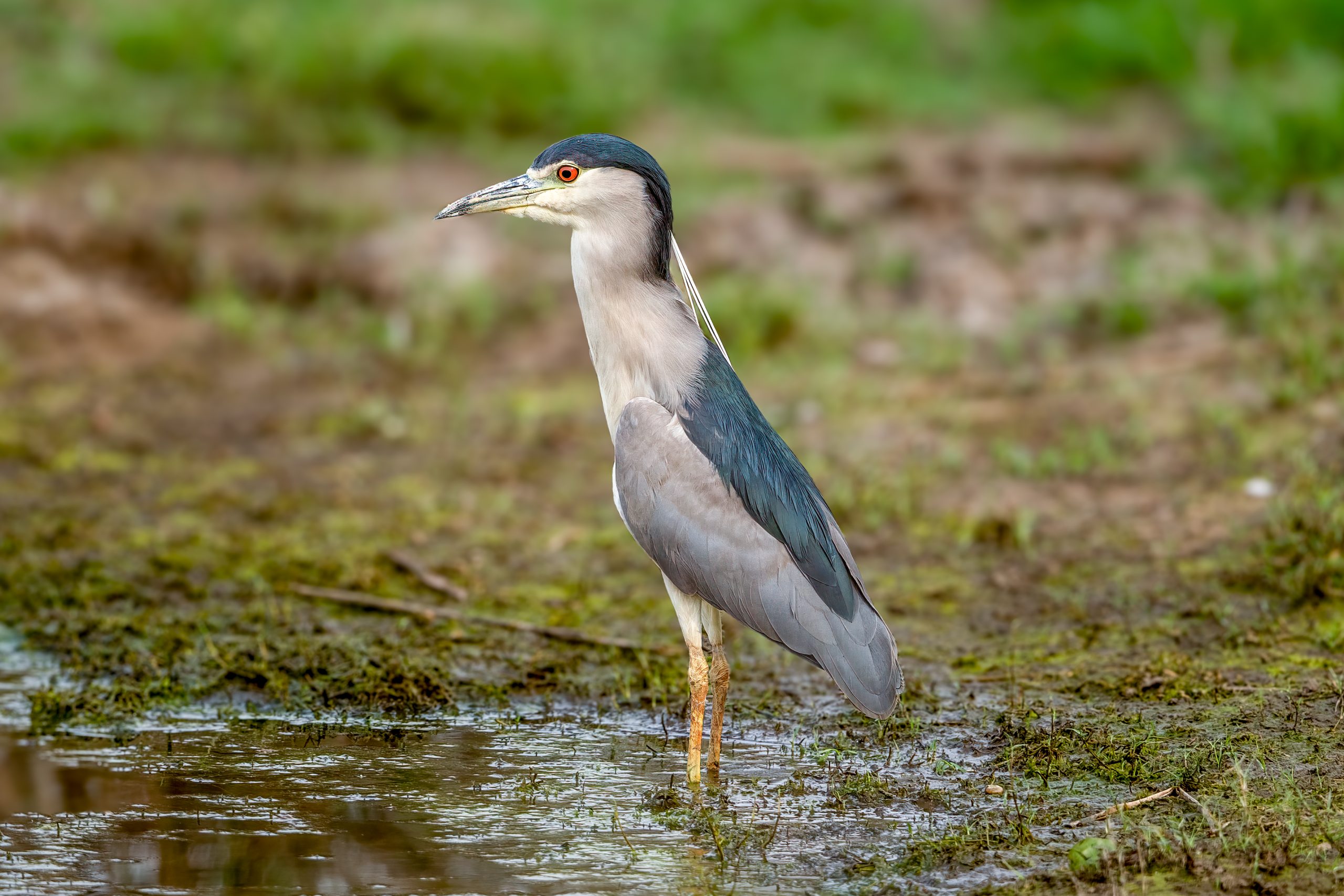
An adult black-crowned night heron (Nycticorax nycticorax) was documented capturing and swallowing an approximately 15-day-old common gallinule (Gallinula galeata) chick at Lake Yahuarcocha in the Ecuadorian Andes. The peer-reviewed short communication describes this as the first documented predation of a common gallinule by a black-crowned night heron.
A chick lagged behind the family group
The observation was made on 11 March 2023 at 13:59 in a mixed waterbird colony at 2,190 m above sea level in Imbabura Province. An adult female gallinule and two chicks were feeding and moving across floating vegetation while several night herons rested nearby.
One chick fell behind as the family passed a perched adult night heron. The heron seized the chick by the neck and swallowed it immediately, before the chick could vocalise. The female gallinule and the second chick appeared not to notice the attack.
The event occurred among stands of totora bulrush and invasive water hyacinth used by several waterbirds for feeding, shelter and nesting. Black-crowned night herons, snowy egrets and western cattle egrets also nest on the small vegetated islands at Yahuarcocha.
The record expands the known prey spectrum
Black-crowned night herons are mainly crepuscular and nocturnal but can also forage during daylight. They are opportunistic predators with a broad diet that includes fish, invertebrates, reptiles, small mammals and birds. Predation on young birds, including conspecific chicks and great egret chicks, has been documented previously.
The Yahuarcocha observation therefore adds common gallinule to the documented prey spectrum and records a previously unreported trophic interaction between the two species. The author also notes that it appears to be the first documented case of black-crowned night heron predation on a member of the rail family Rallidae.
This was a single opportunistic observation. It demonstrates that the interaction can occur within a mixed high-Andean waterbird colony, but it does not show how frequently night herons prey on gallinule chicks or how important such predation is to either population.
Ecology
Related news
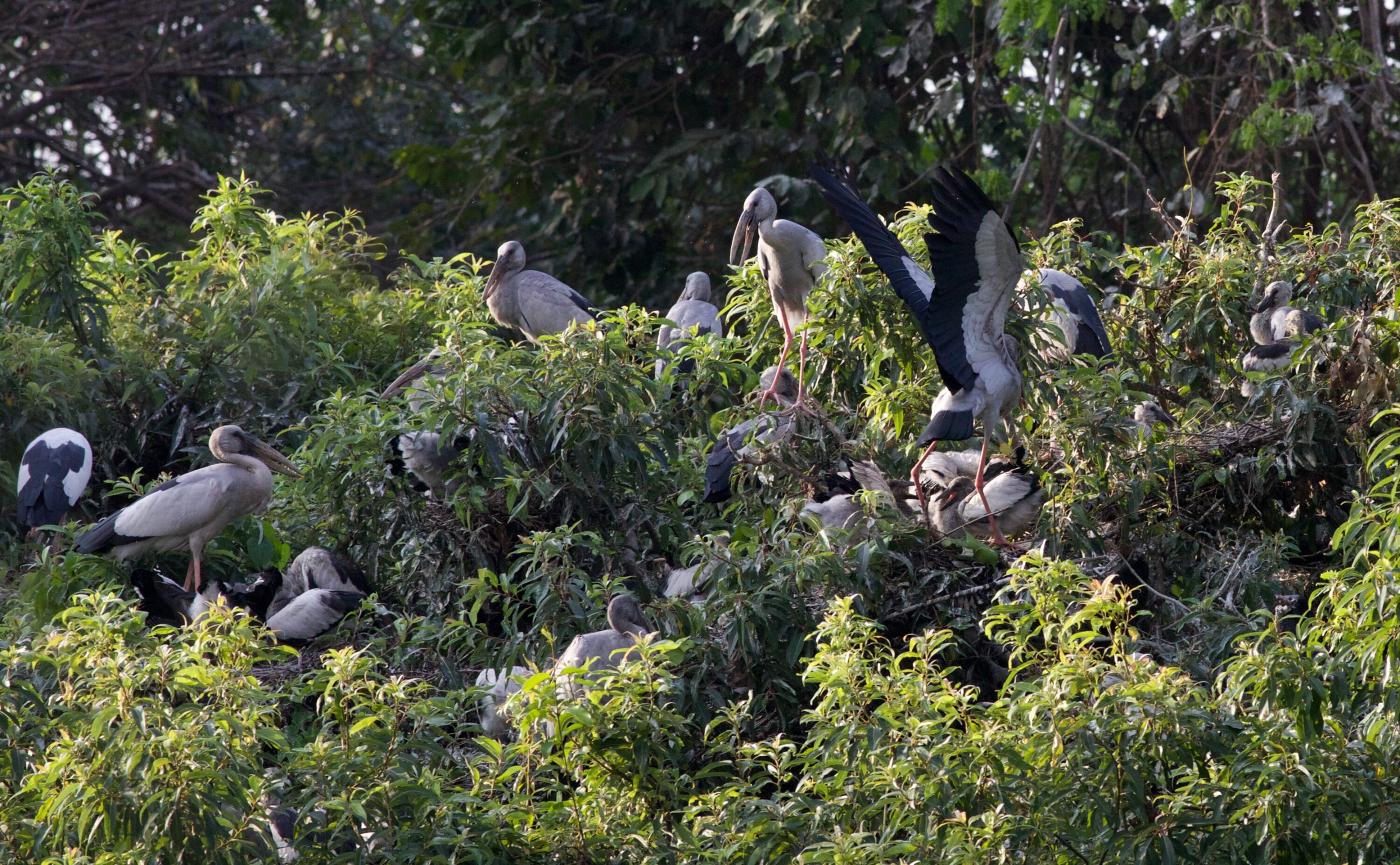
Waterbird Nest Counts Nearly Halved at an Indian Wetland, but Bird Numbers Showed No Clear Decline
At Vettangudi Bird Sanctuary in India, recorded waterbird nests fell from 396 to 190 across eight sampled breeding…
Read story →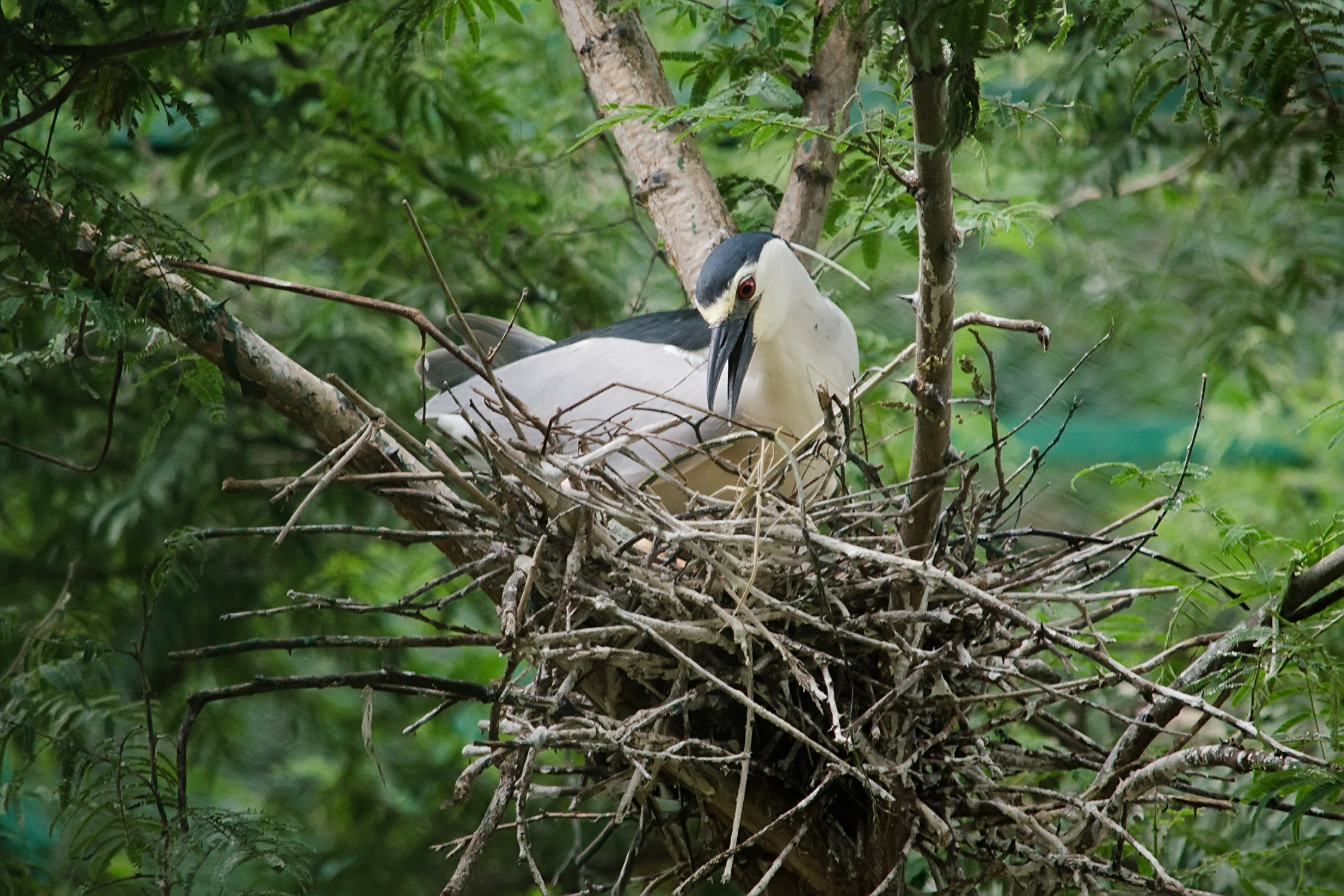
Black-crowned Night Herons Had 87.7% Hatching Success Across Four Algerian Wetland Colonies
A five-year study of four wetland colonies in north-eastern Algeria found a mean clutch of 3.3 eggs and…
Read story →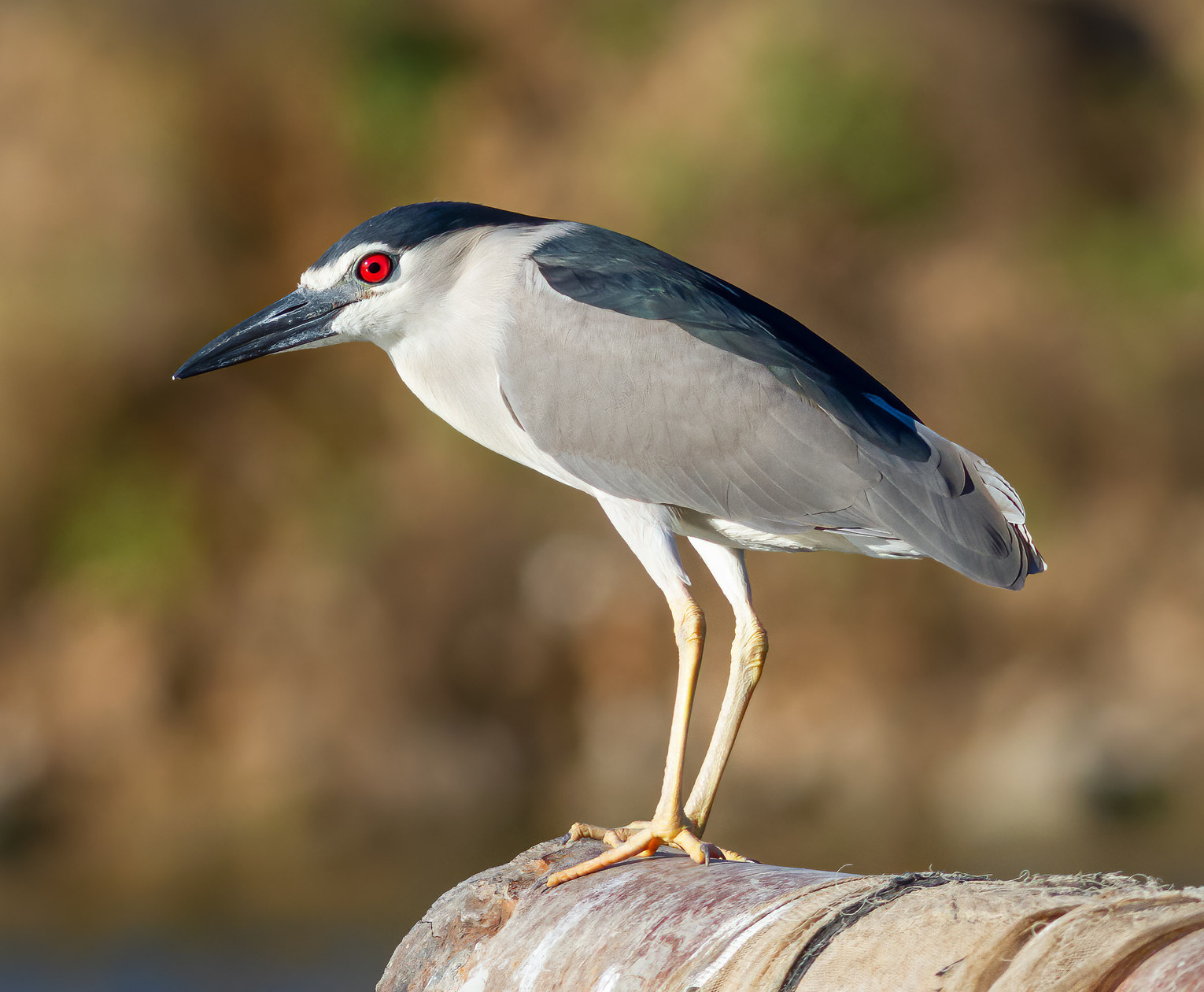
New nematode species described from black-crowned night herons in Israel
Fourteen adult nematodes collected from the stomach lining of three black-crowned night herons in Israel led to the…
Read story →SPECIES IN THIS STORY
Species in this story
Independent research and conservation news archive
Did you find this information useful?
Wildlife Vagabond is independently built and maintained. Voluntary support helps cover source verification, hosting and continued work on research and conservation news.
Support Wildlife VagabondThe news archive will remain freely available.