
Black-headed Ibis Recolonization Reported in Bangladesh
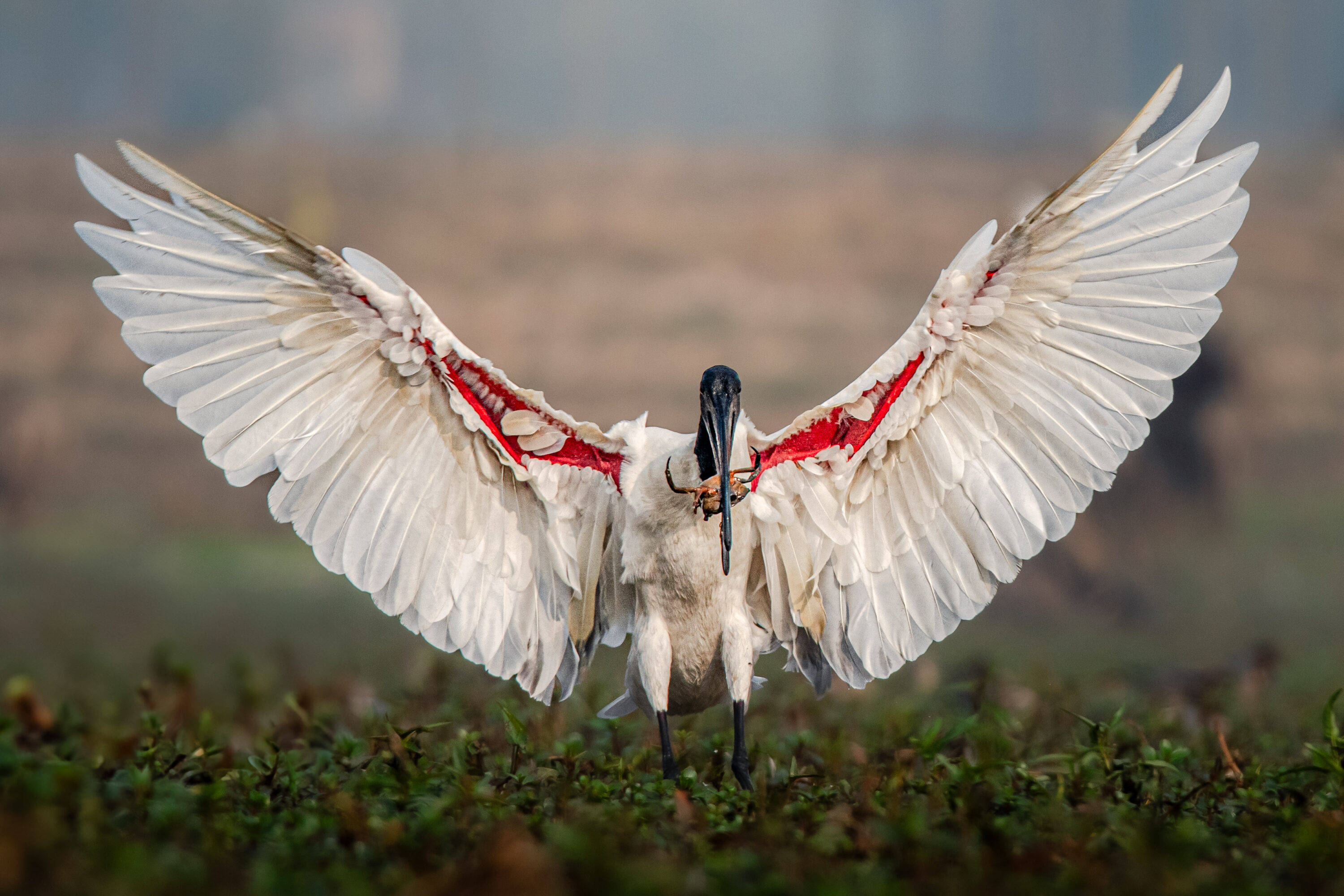
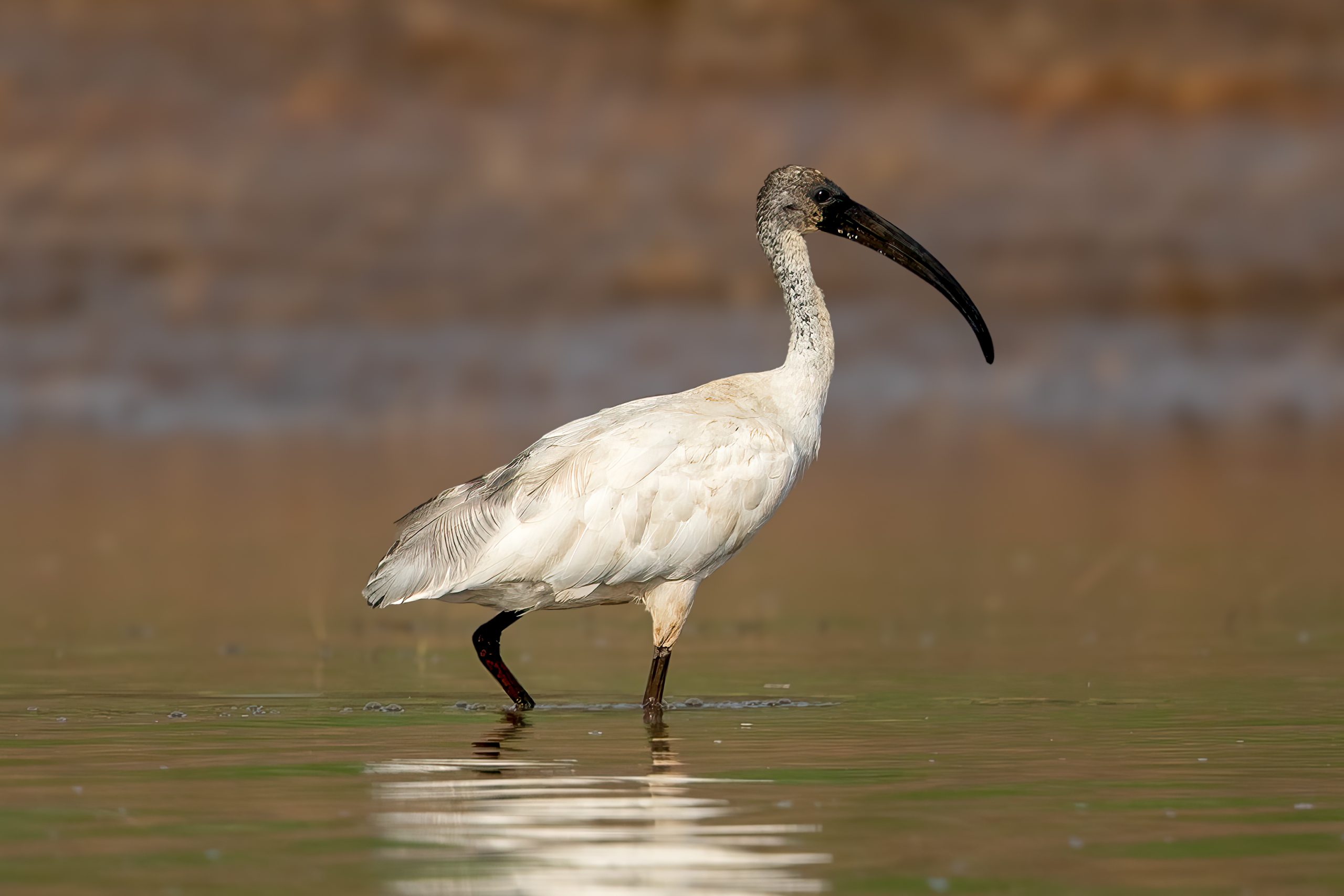
A 2026 note in the Journal of the Bombay Natural History Society reports what the authors describe as recolonization of the black-headed ibis (Threskiornis melanocephalus) in Bangladesh. The same publication also reports the country’s first confirmed breeding records of glossy ibis (Plegadis falcinellus).
The recolonization claim is notable against the species’ recent national history. Bangladesh’s Red List describes black-headed ibis as a former resident that bred in the country up to the 1980s but subsequently became mainly a winter migrant. The Red List also records the species as Vulnerable nationally, with annual counts indicating a population well below 1,000 birds.
Historically, black-headed ibises bred communally in mixed-species heronries in Bangladesh. In more recent decades they have usually been recorded in small winter flocks, especially on coastal mudflats, marshes and large wetland systems. The 2026 authors therefore present their new documentation as recolonization rather than simply another winter occurrence.
The same note’s first confirmed breeding records of glossy ibis add a second change in the breeding status of ibises in Bangladesh. Together, the two records show that the country’s wetlands are again being used for breeding or renewed settlement by ibis species whose recent national status had been more limited.
Population & status
Related news
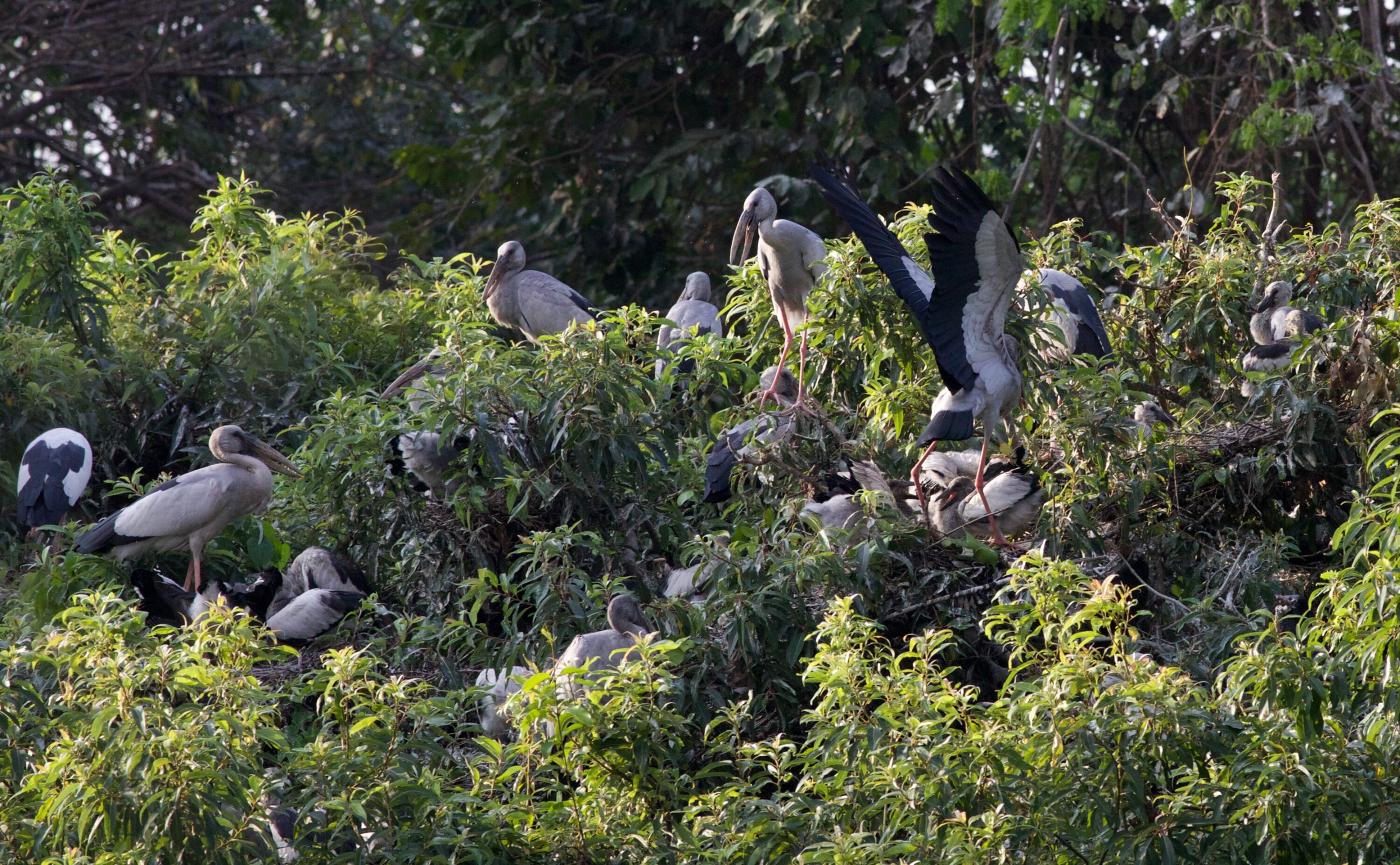
Waterbird Nest Counts Nearly Halved at an Indian Wetland, but Bird Numbers Showed No Clear Decline
At Vettangudi Bird Sanctuary in India, recorded waterbird nests fell from 396 to 190 across eight sampled breeding…
Read story →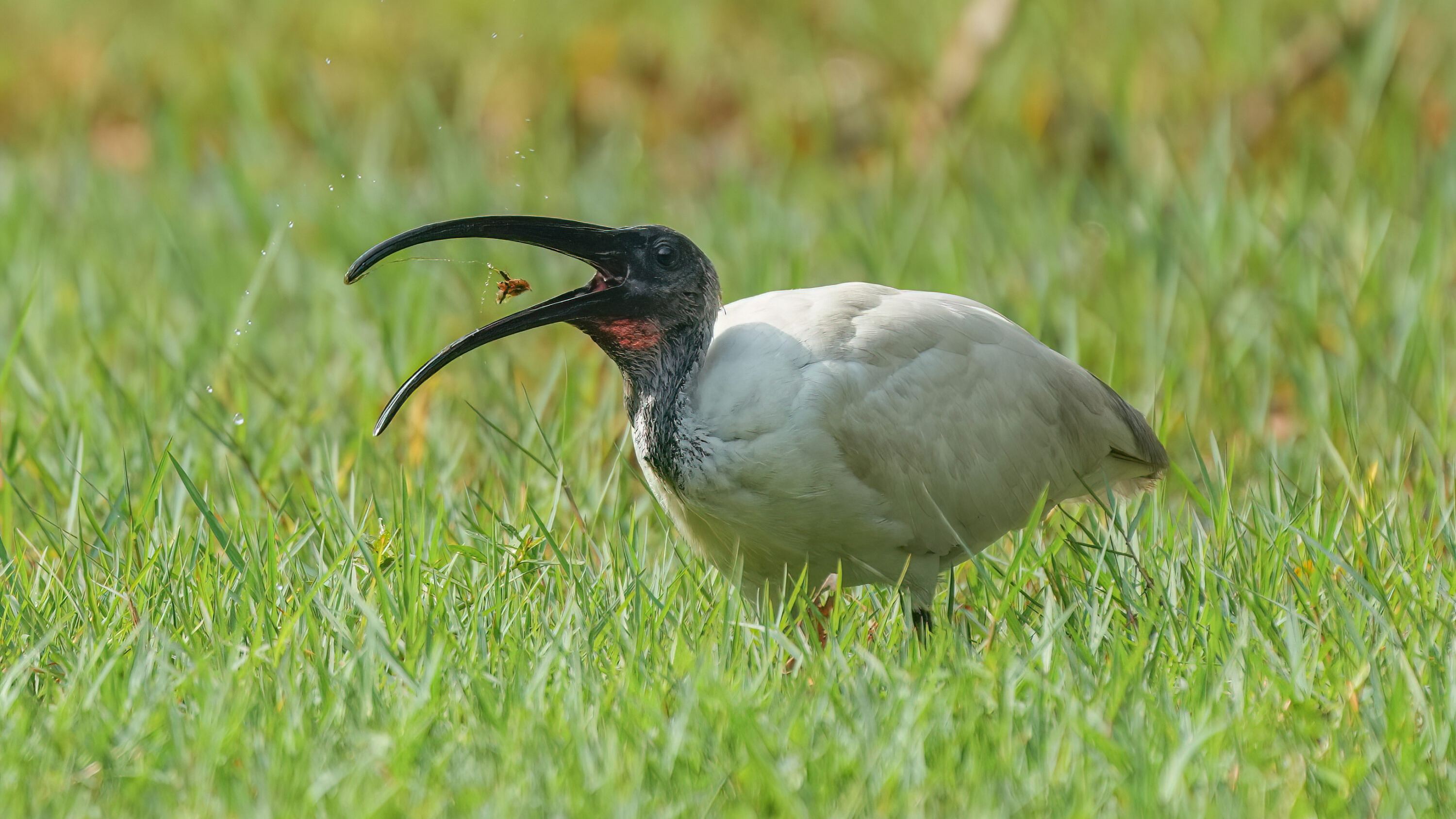
Naxalbari Black-headed Ibis Count Fell to Around 190 in 2026
An annual census in Naxalbari recorded around 190 black-headed ibises in 2026, down from roughly 350 in earlier…
Read story →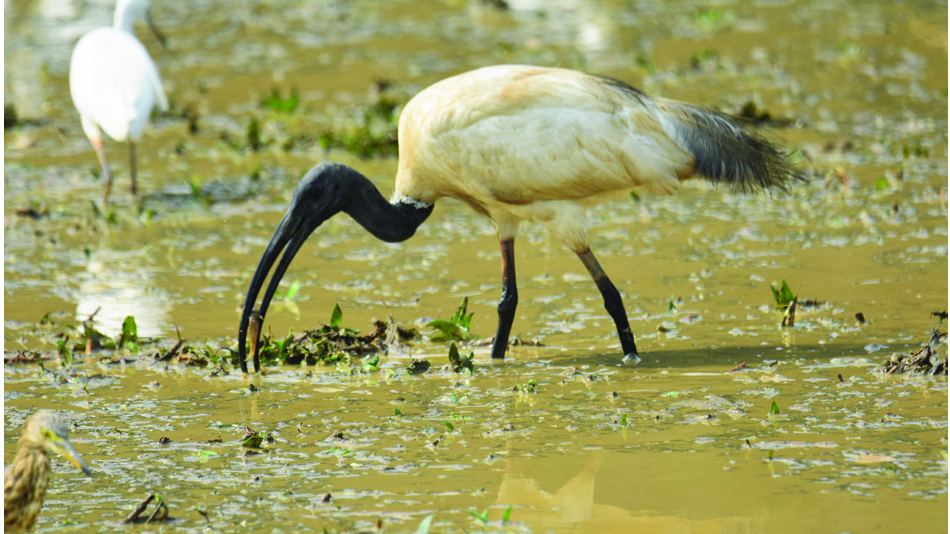
Three Black-headed Ibis Nests With Seven Chicks Found at a New Edavannappara Colony
Researchers documented a new Black-headed Ibis breeding site at Edavannappara in Malappuram, Kerala, with three active nests, seven…
Read story →SPECIES IN THIS STORY
Species in this story
Independent research and conservation news archive
Did you find this information useful?
Wildlife Vagabond is independently built and maintained. Voluntary support helps cover source verification, hosting and continued work on research and conservation news.
Support Wildlife VagabondThe news archive will remain freely available.