
Blastocystis DNA Was Detected in 8 of 245 Black-headed Gull Fecal Samples at Dianchi Lake
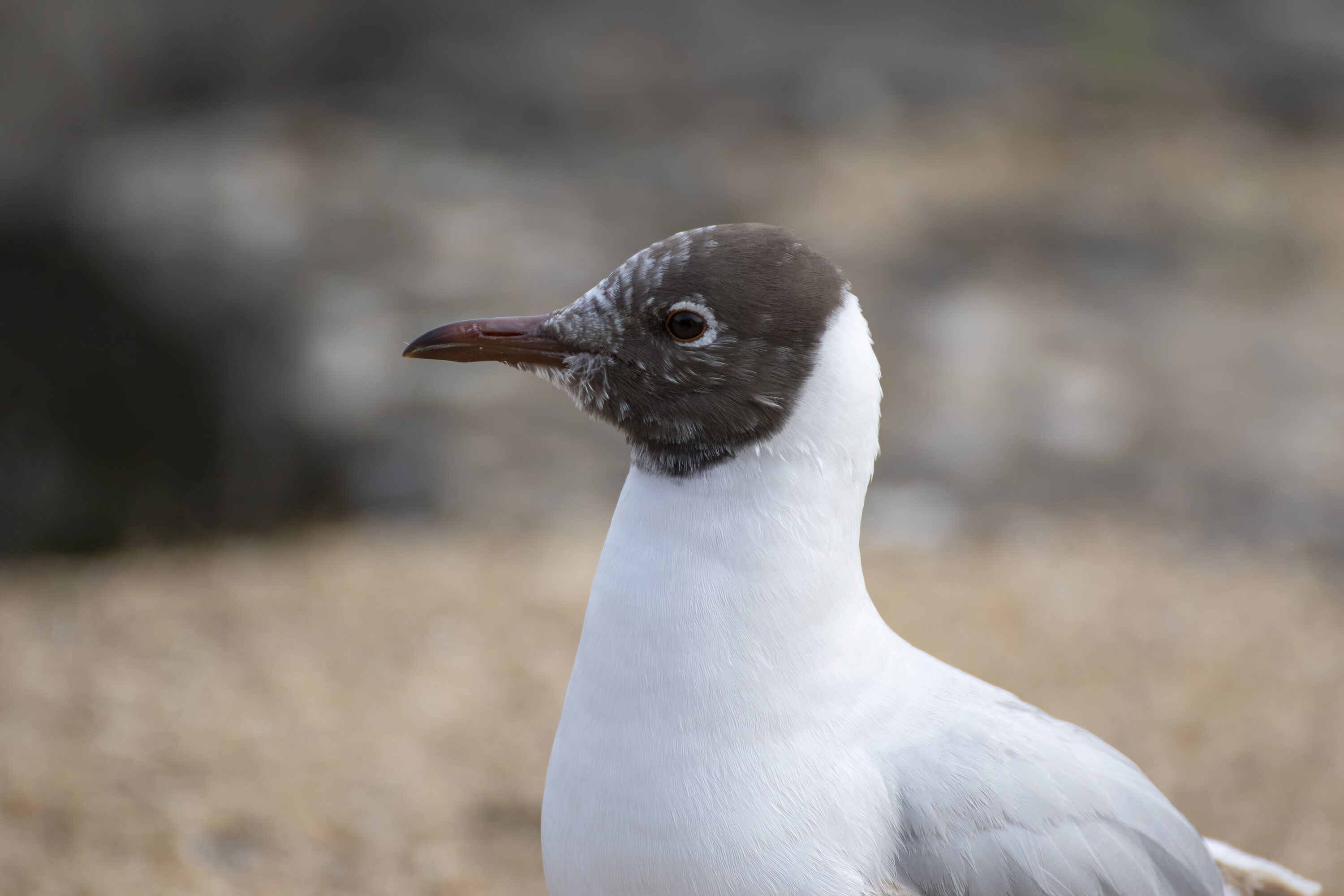
A molecular survey of wintering black-headed gulls (Chroicocephalus ridibundus) at Dianchi Lake in Kunming, southwestern China, detected Blastocystis DNA in 8 of 245 fresh fecal samples. Blastocystis is a single-celled intestinal protist found in humans and many animals. Seven positive samples belonged to subtype ST7 and one to ST26. The authors report the ST26 finding as the first record of this subtype from a black-headed gull.
The samples were collected in December 2025 and January 2026 after researchers directly observed gulls defecating. Fresh droppings that could clearly be attributed to black-headed gulls were collected with sterile disposable tools and tested by PCR targeting the small-subunit ribosomal RNA (SSU rRNA) gene of Blastocystis, a commonly used genetic marker for distinguishing subtypes.
Eight of 245 samples were positive
The proportion of positive samples was very similar on the two sampling dates, and the analysis did not support a clear difference between them. Across the full dataset, 8 of 245 samples were positive, or 3.3%.
This percentage applies to fecal samples, not to individually identified gulls. The study did not mark or genotype the birds themselves, so the data do not establish how many individual gulls were represented by the 245 deposits. The paper therefore reports fecal-sample positivity rather than population prevalence.
ST7 dominated the positive samples
Seven of the eight positive samples contained ST7. The study sequences grouped phylogenetically with ST7 isolates previously reported from people, birds and cattle.
ST7 has been reported from both humans and animals and is regarded by the authors as a zoonotic subtype with pathogenic potential. Because black-headed gulls move widely and congregate in shared wetland and urban environments, the authors suggest that fecal shedding could contribute to environmental circulation of Blastocystis. They also stress that the low number of positive samples means the gulls’ role in cross-host transmission and public-health risk should be interpreted cautiously.
One sample contained ST26
The remaining positive sample contained ST26. This subtype has previously been reported mainly from ruminants, and the authors describe this as the first global record of ST26 in a black-headed gull. The ST26 sequence matched previously published bovine-derived ST26 sequences exactly.
That genetic match does not establish a transmission route. The authors hypothesize that the gull could have acquired ST26 through contaminated water or aquatic food such as shellfish or molluscs, but none of those possible sources was sampled. They also note that fecal PCR cannot distinguish genuine intestinal colonisation from temporary passage after environmental exposure. With only one ST26-positive sample, the study cannot show whether this subtype is established in the local gull population.
What the PCR result does — and does not — show
PCR detects target DNA. In this study it showed that genetic material from Blastocystis was present in eight fresh gull fecal samples and allowed the researchers to identify the subtypes. It did not demonstrate clinical disease in the birds or direct transmission between gulls, people or livestock.
The authors therefore frame the result as a baseline for further surveillance. Larger datasets from other locations and seasons, together with sampling of water, livestock and other possible environmental sources, would be needed to determine how frequently these subtypes occur and whether the same genetic lineages move among host groups.
The strongest conclusions remain narrow but biologically useful: Blastocystis DNA was detected in 3.3% of the sampled deposits, ST7 accounted for seven of eight positives, and ST26 was documented from a black-headed gull sample for the first time.
Disease, parasites & microbiology
Related news

GPS-Based Models Highlighted the Lower Sumida as a Key Black-headed Gull Corridor in Tokyo
GPS tracking showed that black-headed gulls followed different river features at different movement scales in Tokyo, while GPS-based…
Read story →
Black-headed Gull Sample Yielded the Longest Known Calicivirus Genome
A Hungarian black-headed gull faecal sample yielded an 8,845-nucleotide avian calicivirus genome with unusual RNA structures and enough…
Read story →
New Papillomavirus Genome Identified in Black-headed Gull Faeces in China
Researchers identified the 7,794-base-pair CrPV1 genome in faecal samples from black-headed gulls in Sichuan and found it genetically…
Read story →SPECIES IN THIS STORY
Species in this story
Independent research and conservation news archive
Did you find this information useful?
Wildlife Vagabond is independently built and maintained. Voluntary support helps cover source verification, hosting and continued work on research and conservation news.
Support Wildlife VagabondThe news archive will remain freely available.