
Boat traffic made wintering coots spend more time swimming in central Belgrade
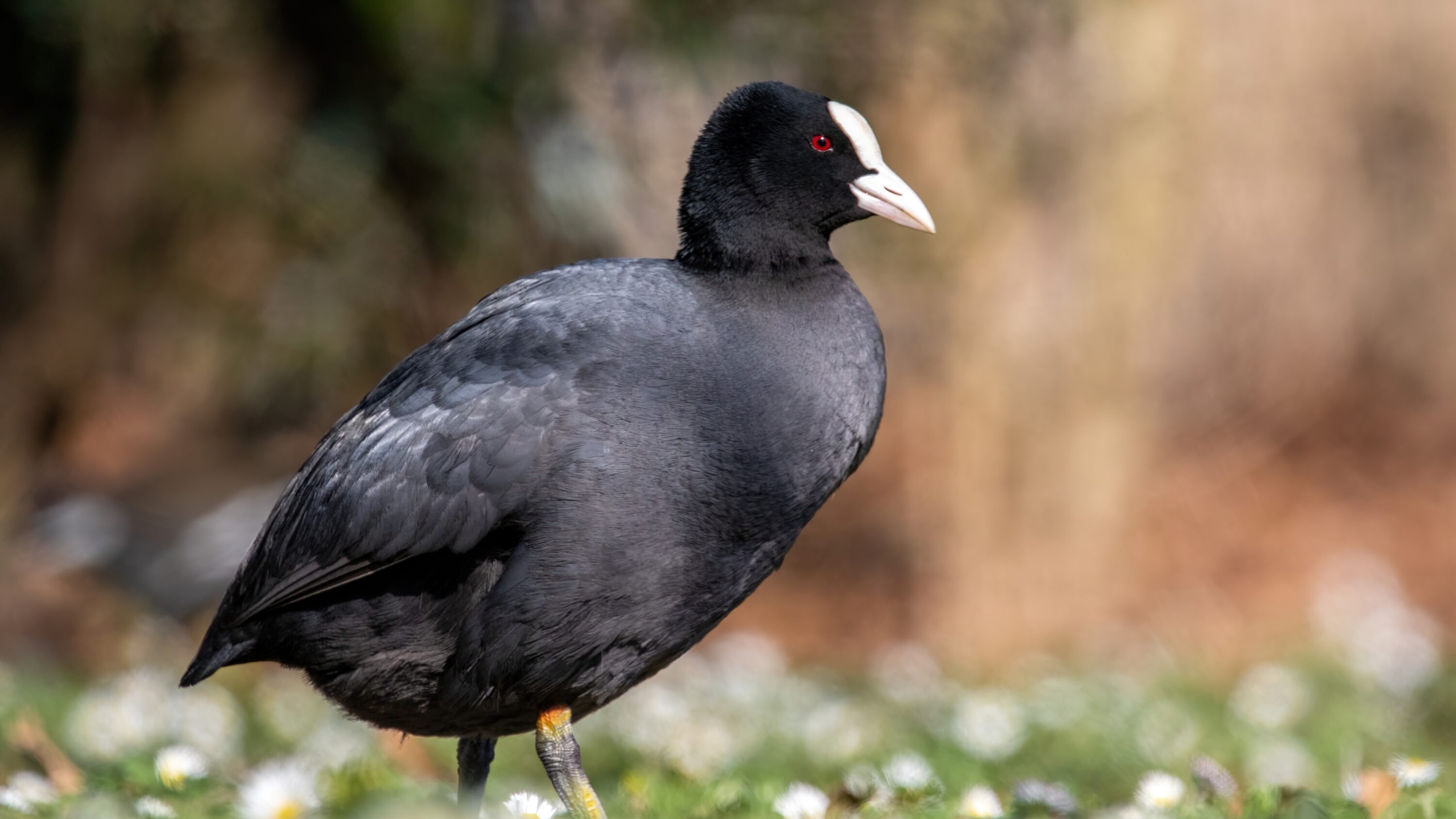
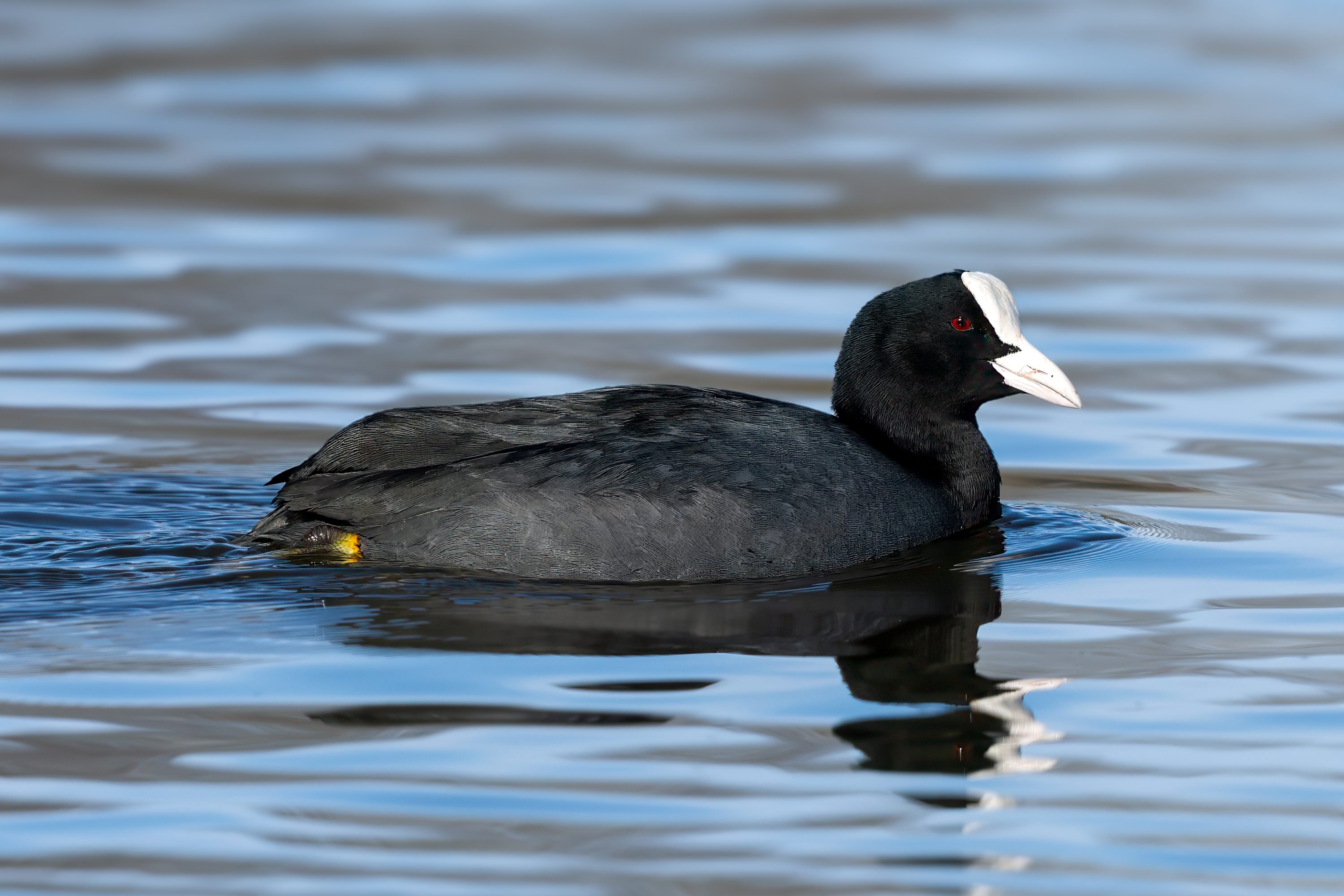
A study of Eurasian coots (Fulica atra) wintering in central Belgrade, Serbia, found that boat traffic changed the birds’ daily activity budget. Coots exposed to boats spent more of their observed time swimming, while feeding, self-maintenance and swimming also varied with weather, time of day and flock size.
An activity budget describes how an animal divides a limited amount of time among behaviours. More time spent swimming therefore leaves less time available for other activities such as feeding or preening, even if the study does not directly measure the energetic cost of the change.
The researcher analysed several behavioural categories simultaneously and tested how they varied with anthropogenic disturbance, air temperature, wind speed, time of day and flock size. Boat traffic produced the clearest behavioural response to human activity on the river: when boats were present, focal coots spent more time swimming.
The author interprets the response as disturbance-related behaviour resembling an antipredator reaction. Increased swimming may carry a winter cost if it replaces feeding, which supplies energy, or preening and other self-maintenance that help keep the plumage in good condition. The study measured behaviour rather than energy expenditure, body condition or survival, so those longer-term consequences were not tested directly.
Other environmental factors shaped the activity budget as well. Feeding declined around midday and with increasing wind speed. Self-maintenance increased as air temperature rose, while the proportion of time spent swimming decreased in larger flocks.
Human activity away from the water did not produce the same clear behavioural effect as boat traffic. The author suggests that urban coots may have become accustomed to much of the routine activity along the riverbank, whereas an approaching boat on the water creates a more immediate disturbance in the birds’ own space.
Behaviour
Related news
Bird Droppings Contained Both Plant Nutrients and Resistance Genes
Droppings from wintering waterbirds at Caohai in China contained phosphorus that can readily become available to algae. Researchers…
Read story →
Long-Established Urban Eurasian Coots Returned Faster and Showed Less Neophobia Than Non-urban Birds
A 2026 Polish field experiment found that coots from a long-established urban population returned to their nests faster…
Read story →
Longer Shorelines Were Associated With More Chicks in Four Urban Waterbird Species
Across 55 waterbodies in Gdańsk, Poland, longer shorelines were associated with more chicks in mallards, mute swans, Eurasian…
Read story →SPECIES IN THIS STORY
Species in this story
Independent research and conservation news archive
Did you find this information useful?
Wildlife Vagabond is independently built and maintained. Voluntary support helps cover source verification, hosting and continued work on research and conservation news.
Support Wildlife VagabondThe news archive will remain freely available.