
Negative Link Between Spring Capelin Landings and Adult Survival Was Supported Only for Hjelmsøya Common Murres
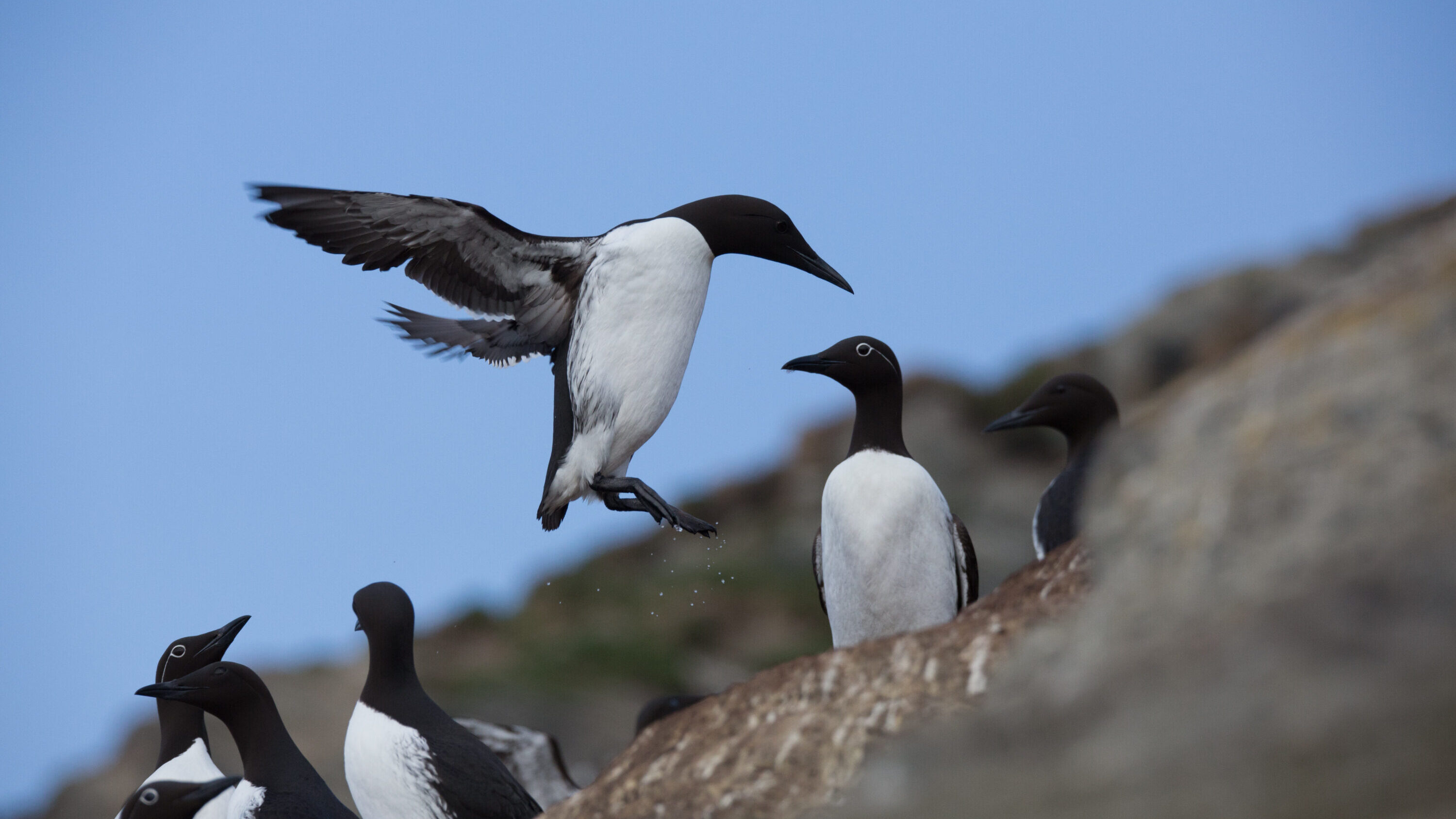
A study published on 16 June 2026 assessed whether management of the Barents Sea capelin (Mallotus villosus) fishery is maintaining prey availability within ecologically safe limits for seabirds. Researchers combined long-term mark–resight estimates of adult survival with tracking data, capelin landings, prey abundance and sea-surface temperature for eight breeding populations of four species: Atlantic puffin (Fratercula arctica), thick-billed murre (Uria lomvia), common murre (Uria aalge) and black-legged kittiwake (Rissa tridactyla). Adult survival is especially important in long-lived seabirds because even modest persistent changes can strongly influence population trajectories.
Only Hjelmsøya common murres showed a direct negative fishery link
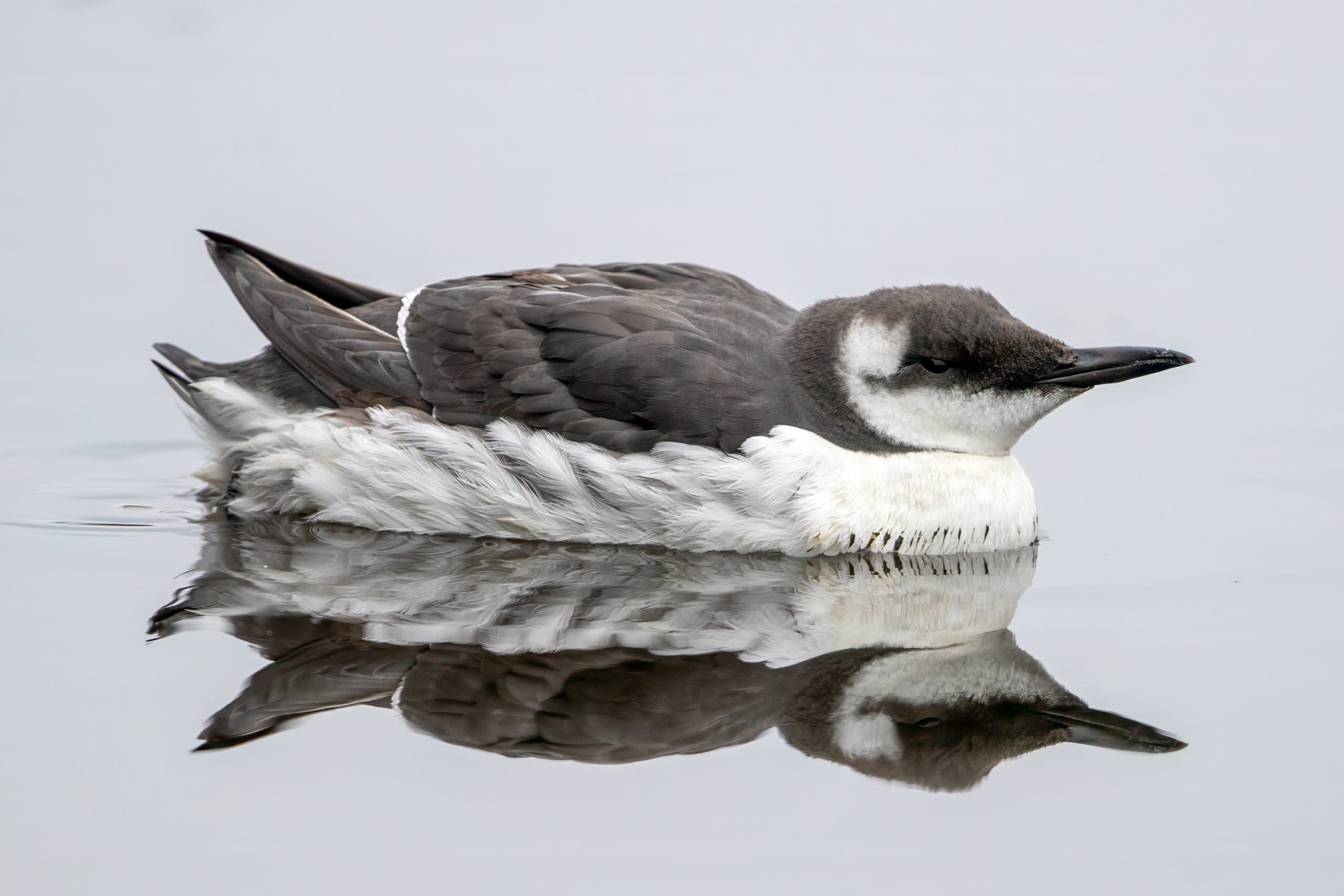
A direct negative association between spring capelin landings and overwinter adult survival was supported in only one of the eight populations: common murres breeding at Hjelmsøya. The uncertainty around the estimate still supported a negative relationship rather than little or no effect. Seabirds from Hjelmsøya also had particularly strong spatial overlap with important capelin-fishing areas during the pre-breeding period, including about 85% overlap with fishery zone 12 and 50% with zone 4. This spatial coincidence makes direct competition for capelin more plausible there, but the study remains an observational analysis of annual covariation rather than an experiment.
Other colonies showed different prey and fishery relationships
The wider pattern was more complex. For common murres at Hornøya, higher autumn capelin abundance was associated with higher adult survival, while a direct negative effect of spring landings was not supported. For thick-billed murres at Bjørnøya, spring landings were instead positively associated with survival. This should not be read as evidence that fishing improves survival: in the Barents Sea management system, large landings occur in years when the capelin stock is large, so landings also contain information about prey-rich years. Relationships involving capelin, krill, other prey and temperature differed among puffins, thick-billed murres and kittiwakes, showing that the same food web can affect colonies differently depending on space use and feeding ecology.
The authors interpret the lack of widespread negative survival effects as evidence that the current precautionary capelin-management system has so far limited adverse effects on the studied seabirds under contemporary conditions. The fishery is closed when the capelin stock falls below its management reference point. They also stress that the analysis addresses year-to-year variation under the present management regime and does not capture the cumulative consequences of a prolonged capelin-stock collapse or future climate-driven restructuring of the Barents Sea food web.
Management
Related news
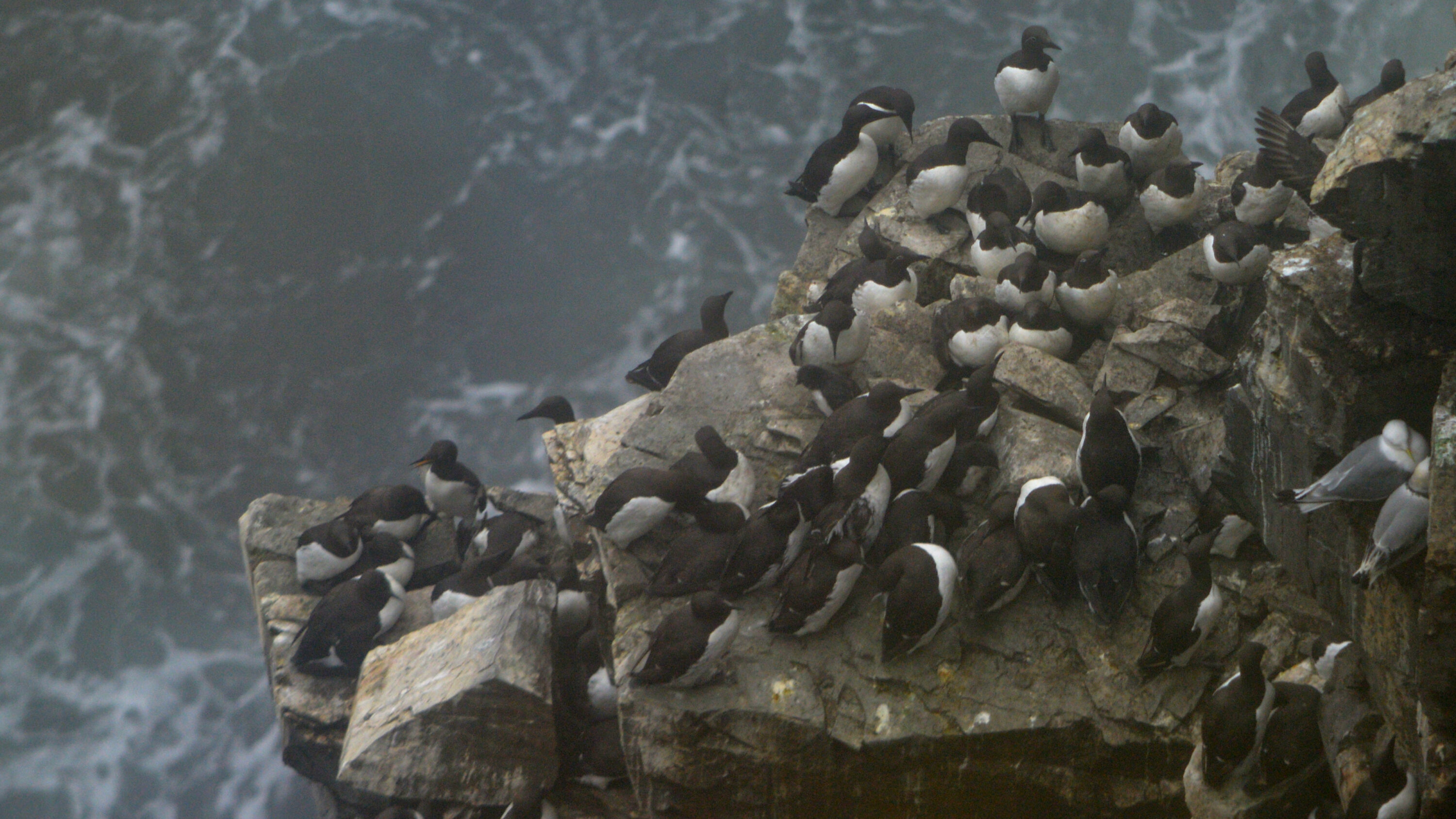
Common Murres Had Higher Blood Mercury in 2022 as Foraging Shifted Closer to Shore and Seafloor
Adult common murres in the Gulf of St. Lawrence had non-overlapping, higher blood-mercury concentrations in 2022 than in…
Read story →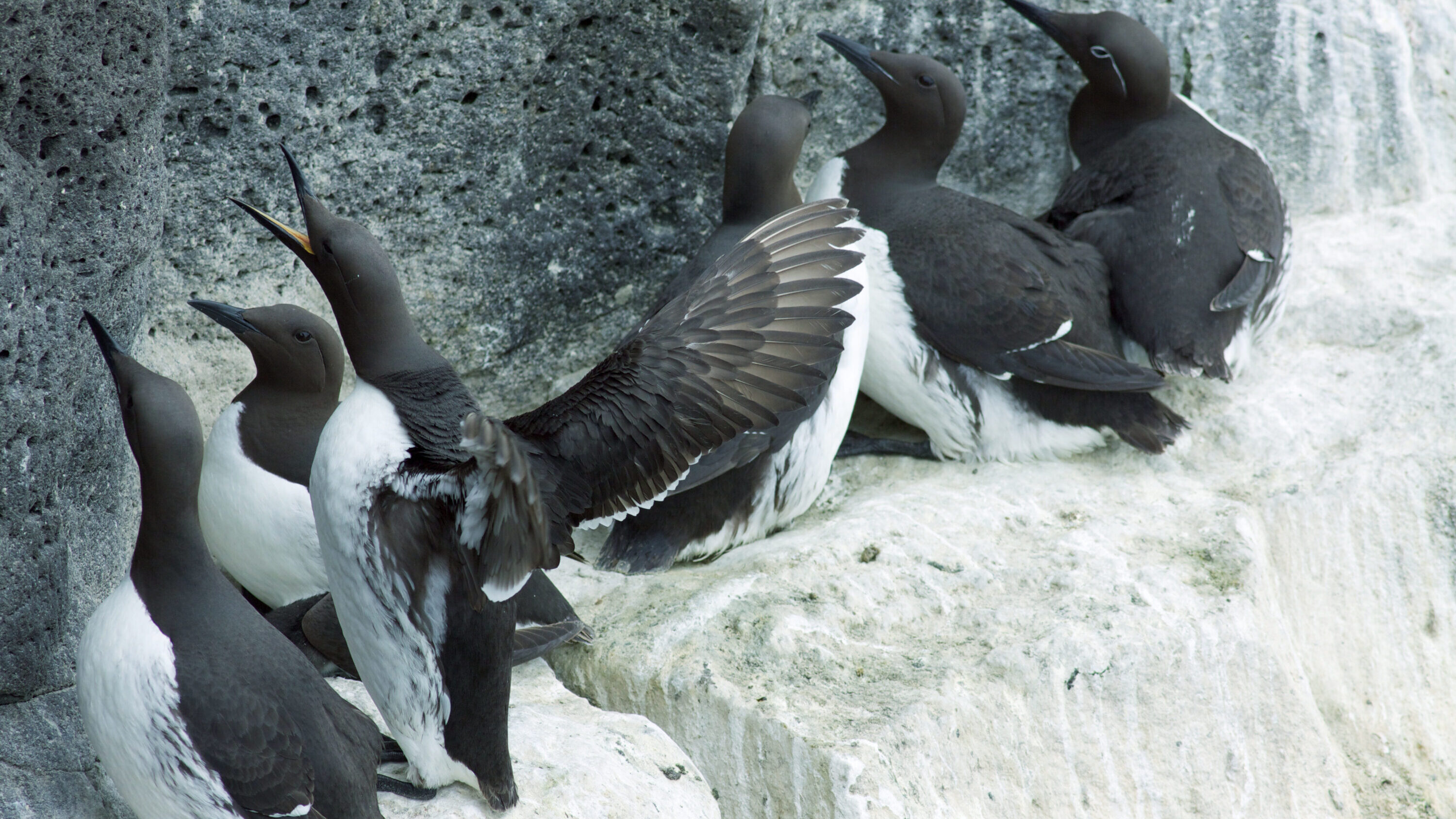
Water Masses and Foraging Structured PFAS Variability in Icelandic Common and Thick-billed Murres
Plasma from 67 common murres and 45 thick-billed murres showed that PFOS variability was strongest in Atlantic-influenced waters,…
Read story →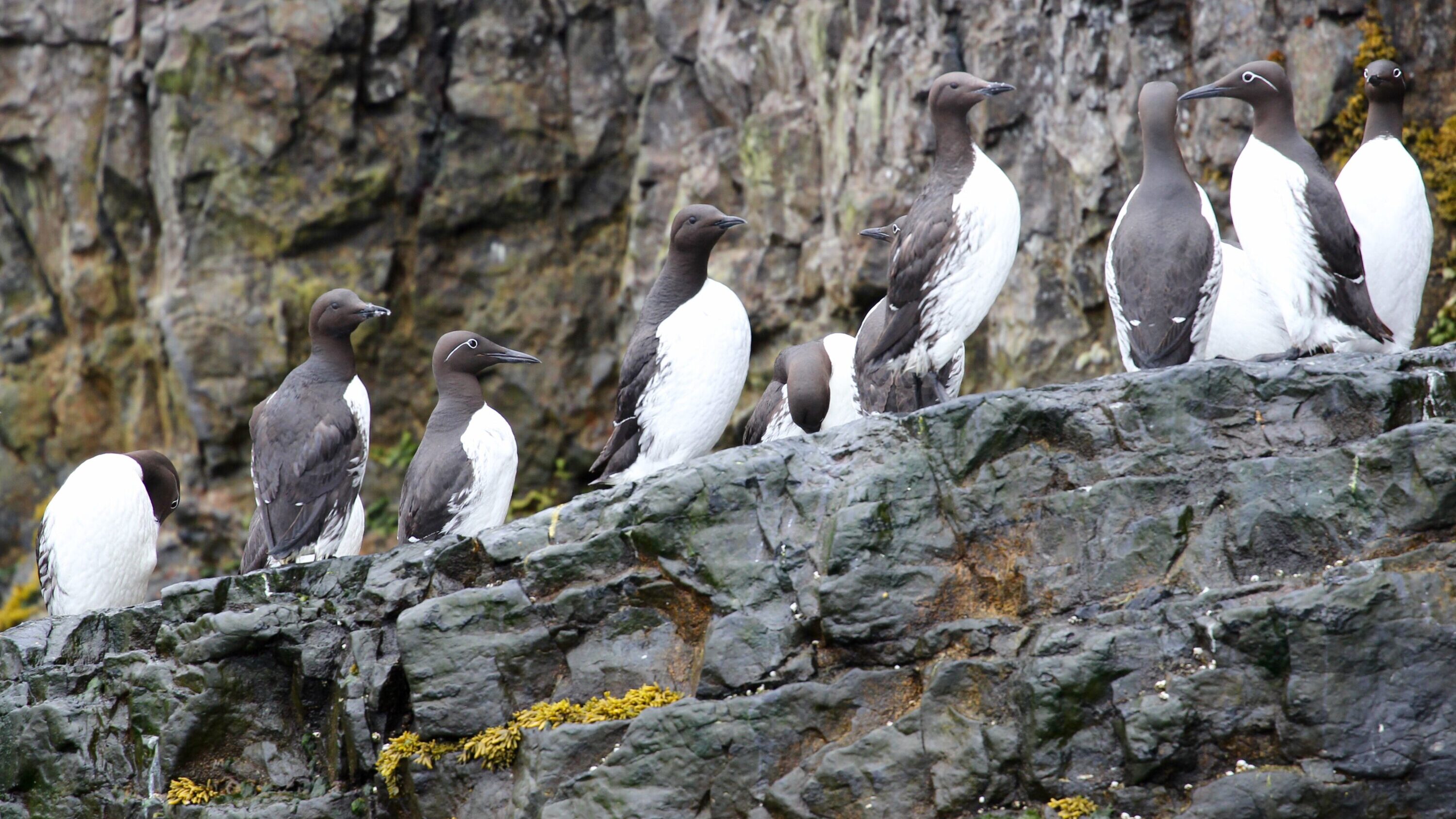
Common Murre Numbers in Bjørnøya Monitoring Plots Grew About 2% a Year From 2015 to 2025
Updated Norwegian Polar Institute monitoring shows about 2% annual growth in Bjørnøya common murre plots from 2015 to…
Read story →SPECIES IN THIS STORY
Species in this story
Independent research and conservation news archive
Did you find this information useful?
Wildlife Vagabond is independently built and maintained. Voluntary support helps cover source verification, hosting and continued work on research and conservation news.
Support Wildlife VagabondThe news archive will remain freely available.