
DNA Markers Confirmed Chaunocephalus ferox from a Thai Asian Openbill
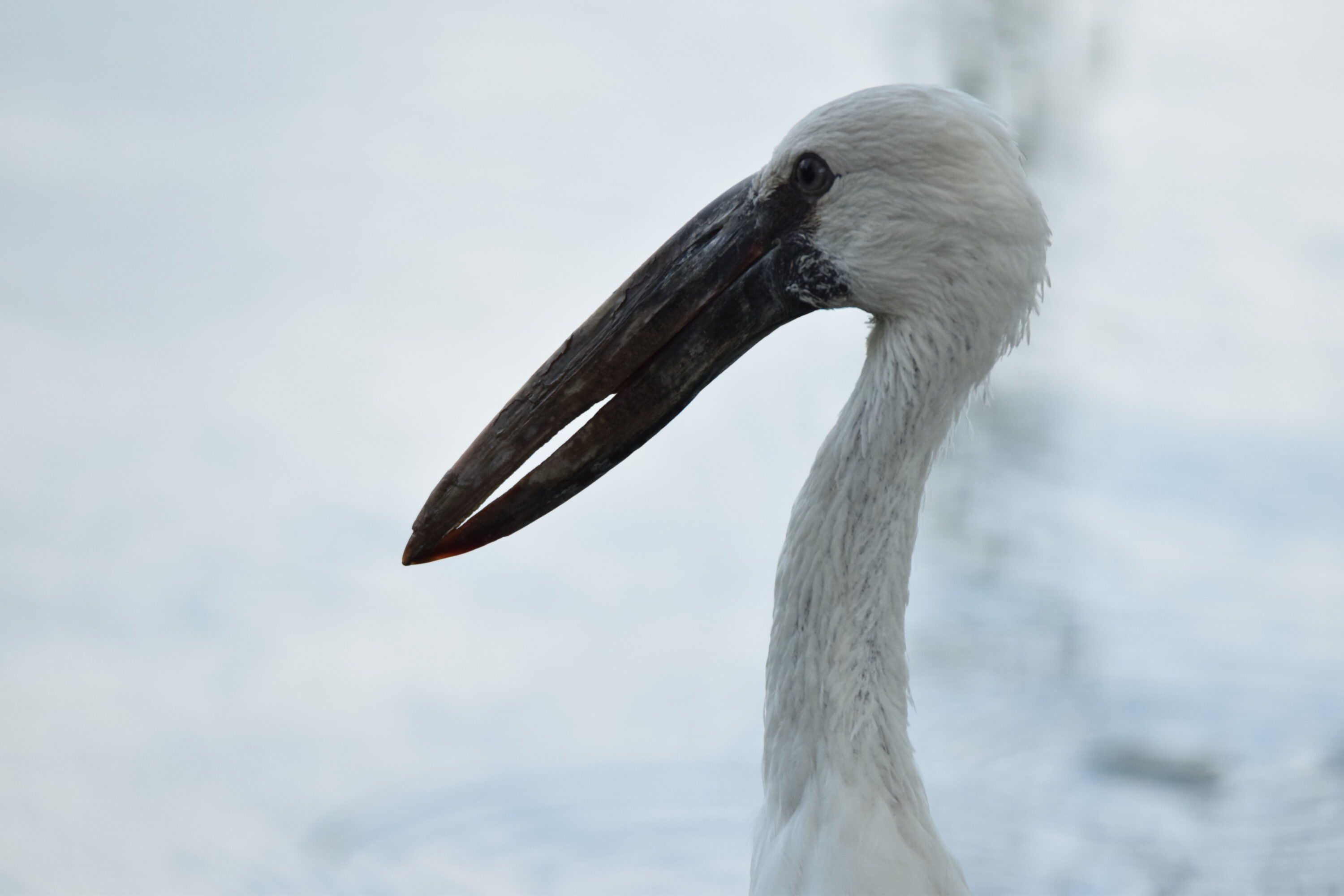
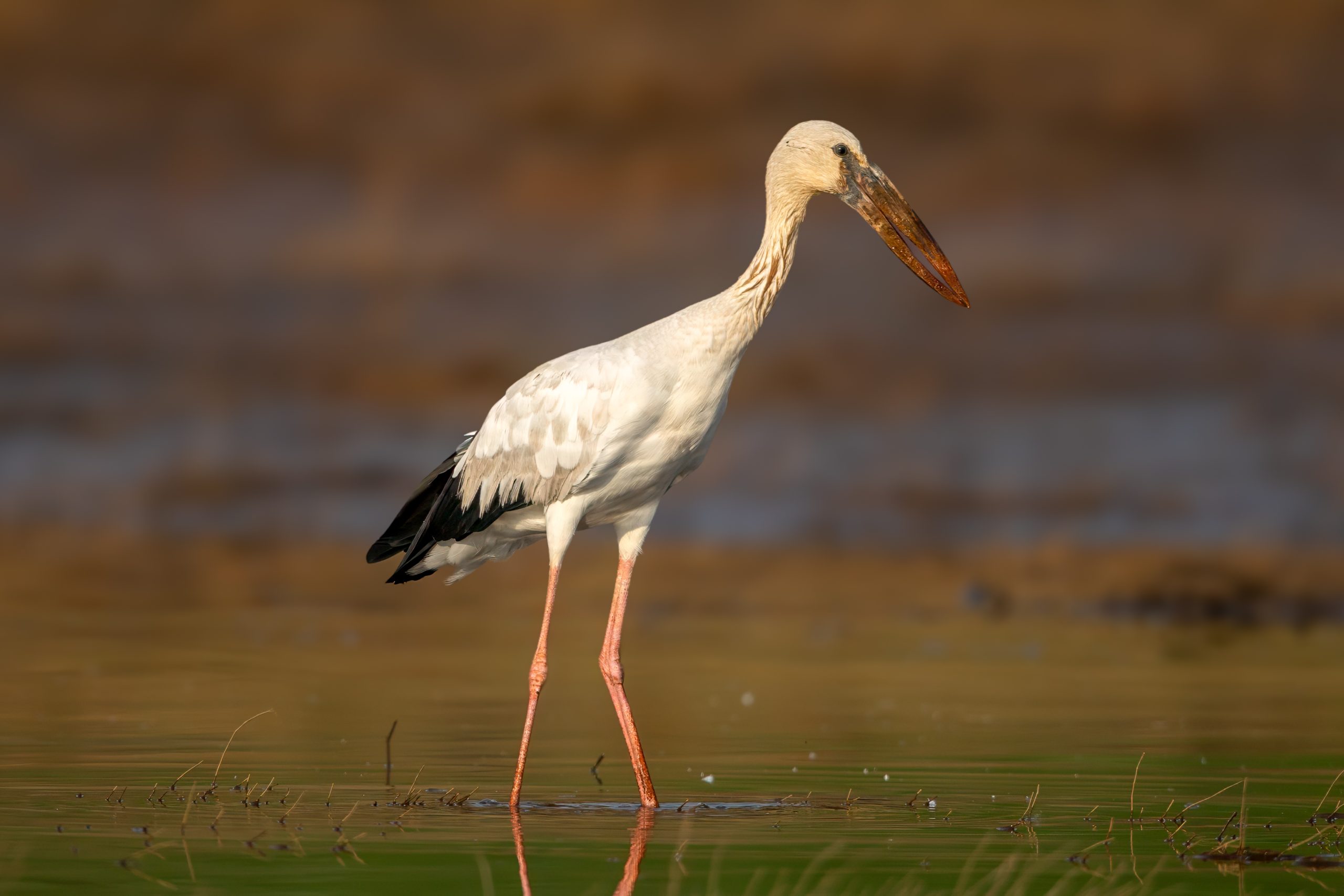
Researchers in Thailand combined morphology with nuclear and mitochondrial DNA to identify the intestinal trematode Chaunocephalus ferox from a deceased Asian openbill (Anastomus oscitans) in Maha Sarakham Province. The bird had a heavy intestinal infection. Five adult flukes from each of three body-size classes were selected for molecular analysis, giving 15 specimens in total. Because all 15 came from one bird, the study cannot show how common C. ferox infection is among Asian openbills in Thailand.
Three DNA markers supported the same species identification
The worms matched the diagnostic morphology of C. ferox, including a prominent head collar with 27 spines. The researchers then sequenced two nuclear markers, 28S rDNA and ITS2, together with the mitochondrial CO1 marker. All three datasets supported the same species identification and placed the Thai specimens in a distinct, well-supported C. ferox lineage within the family Echinostomatidae. This phylogenetic placement describes where the Thai DNA sequences fall in the parasite’s genetic family tree.
Thai specimens varied little but differed more from overseas references
Variation among the Thai specimens was low. In the CO1 fragment, for example, the Thai sequences differed at only one nucleotide position, corresponding to 0.36% divergence. Comparison with the available Chinese CO1 sequence gave a much larger divergence of about 10.6–11.7%. Nuclear comparisons with reference material from other countries also showed geographic differences while keeping all C. ferox sequences within the same species-level lineage.
The authors interpret the international differences as possible evidence that parasite populations are geographically structured and may also be influenced by host associations. They stress, however, that the CO1 fragment was short — 280 base pairs — and that few comparative mitochondrial sequences are available, so the mitochondrial phylogeny has lower resolution than the nuclear markers.
The life cycle links snails, aquatic prey and waterbirds
C. ferox has a complex freshwater life cycle in which snails act as first intermediate hosts, fish or amphibians can act as second intermediate hosts and waterbirds are definitive hosts, where the adult flukes live and reproduce sexually. Asian openbills use wetlands and agricultural habitats and can move over long distances, so the authors highlight their potential role in maintaining and dispersing trematodes across wetland systems. The new Thai sequences provide a molecular baseline, but broader sampling across the birds’ range is needed to resolve how strongly geography, host use and migration shape parasite populations.
Disease, parasites & microbiology
Related news
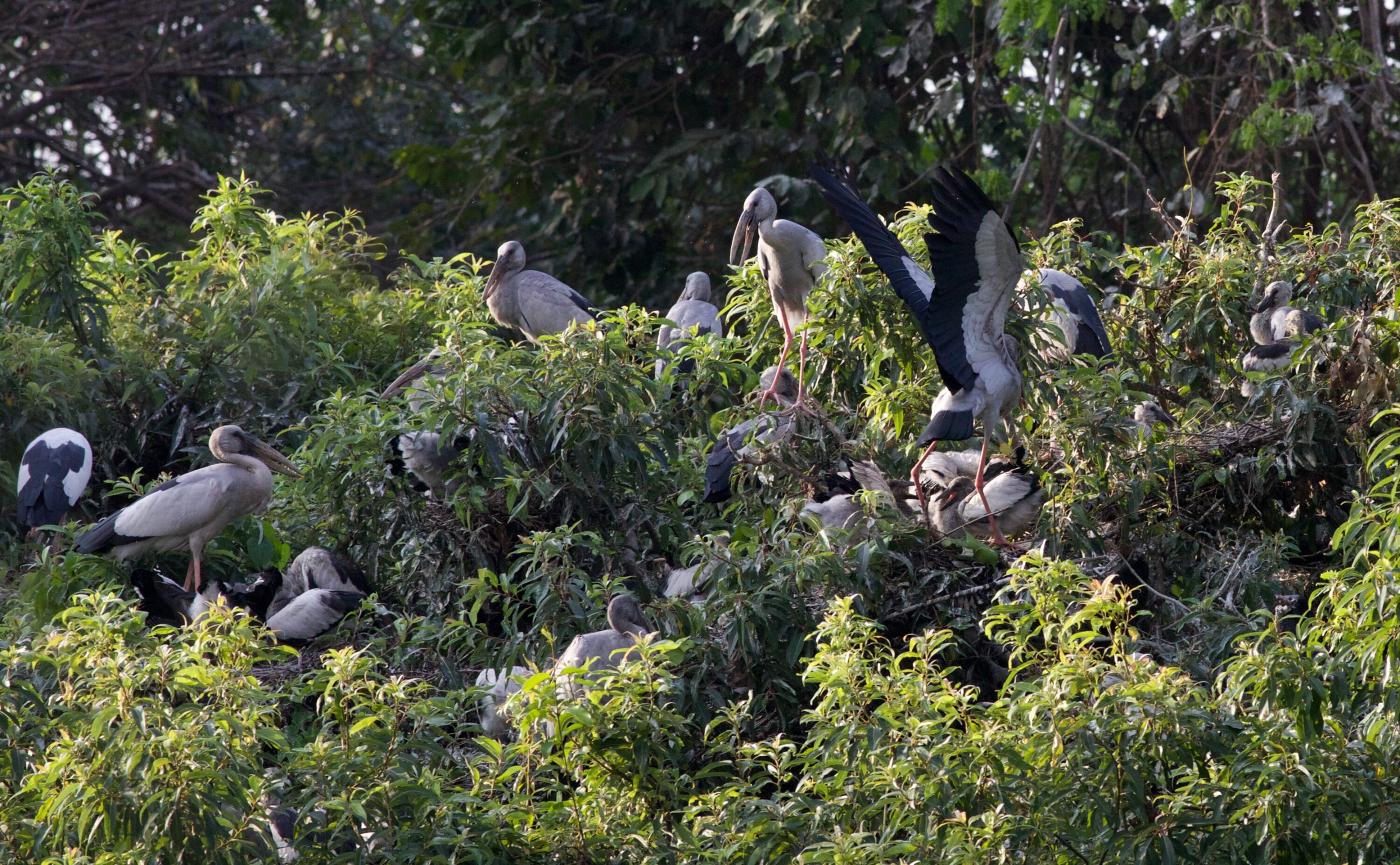
Waterbird Nest Counts Nearly Halved at an Indian Wetland, but Bird Numbers Showed No Clear Decline
At Vettangudi Bird Sanctuary in India, recorded waterbird nests fell from 396 to 190 across eight sampled breeding…
Read story →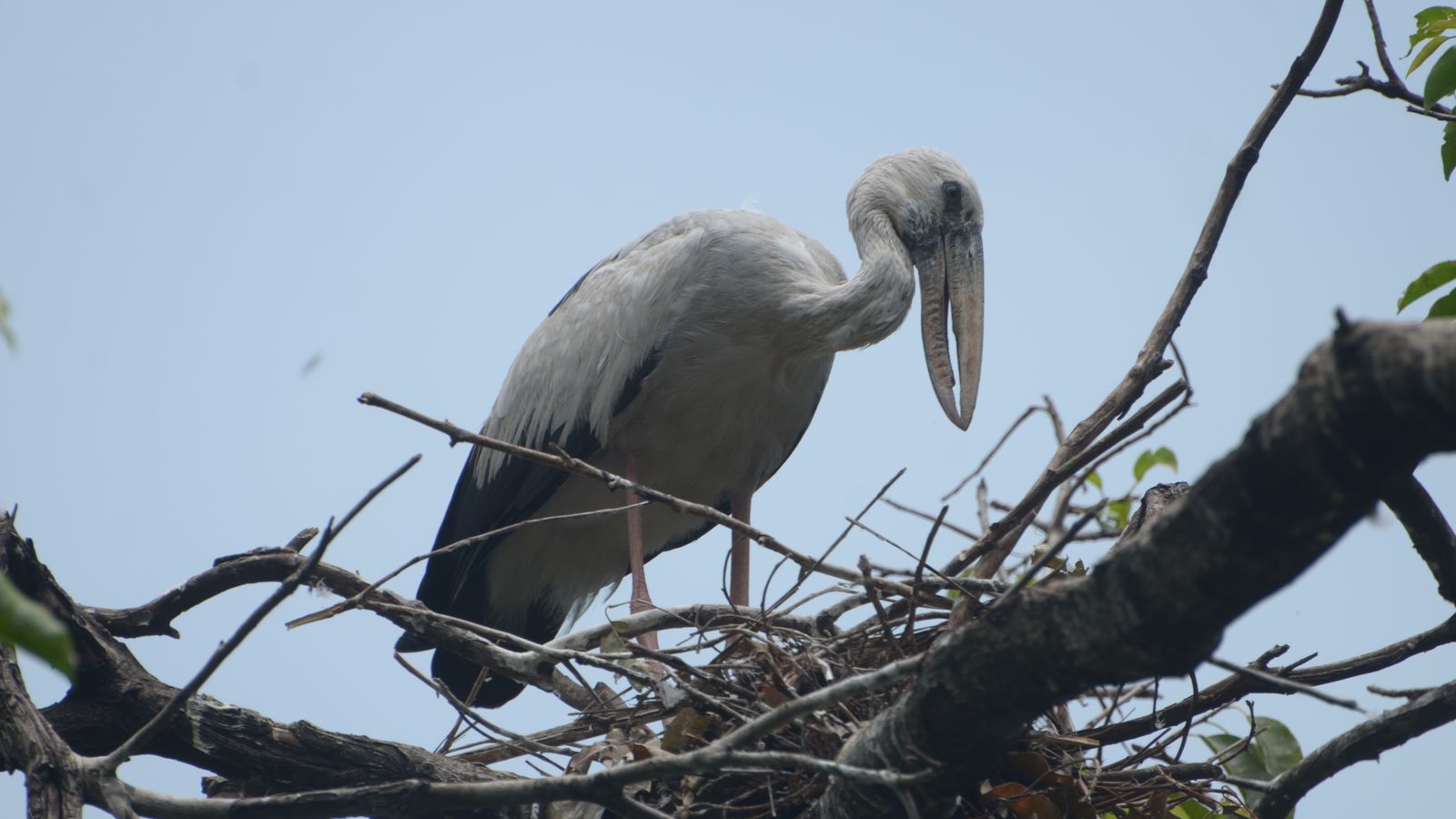
Asian Openbills Favoured Certain Tree Species for Nesting Even When Others Were More Common in Urban Bihar
Among 219 trees of 11 species in Aurangabad, 250 Asian openbill nests were unevenly distributed. Cordia myxa and…
Read story →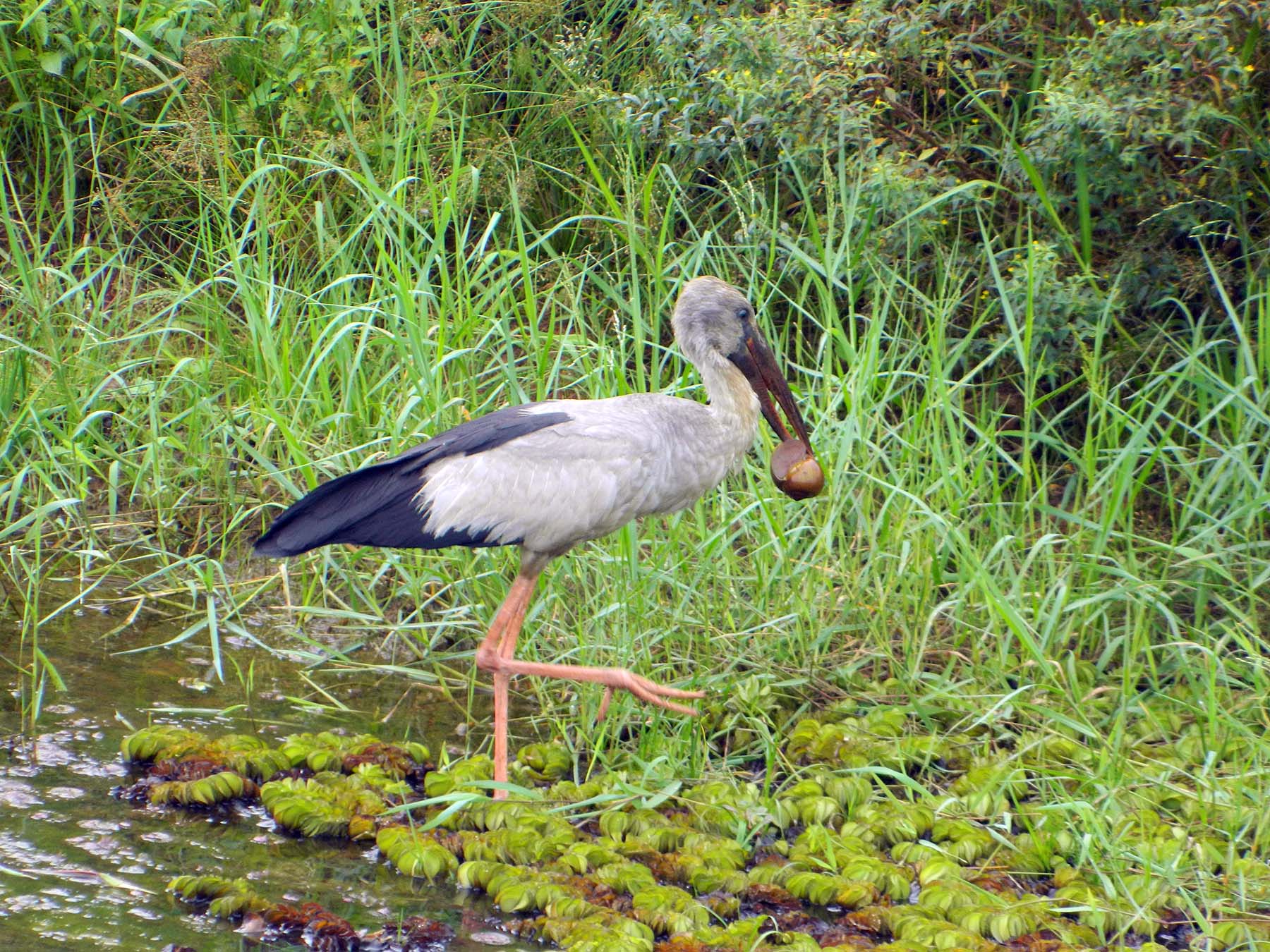
Asian Openbills Took 30–62 Seconds to Handle Apple Snails in Direct Observations
At Mahidol University’s Salaya Campus, six directly observed Asian openbill captures took 30–62 seconds from capture to swallowing.…
Read story →SPECIES IN THIS STORY
Species in this story
Independent research and conservation news archive
Did you find this information useful?
Wildlife Vagabond is independently built and maintained. Voluntary support helps cover source verification, hosting and continued work on research and conservation news.
Support Wildlife VagabondThe news archive will remain freely available.