
Common Mynas Were Reported From 113 Localities Across Jordan
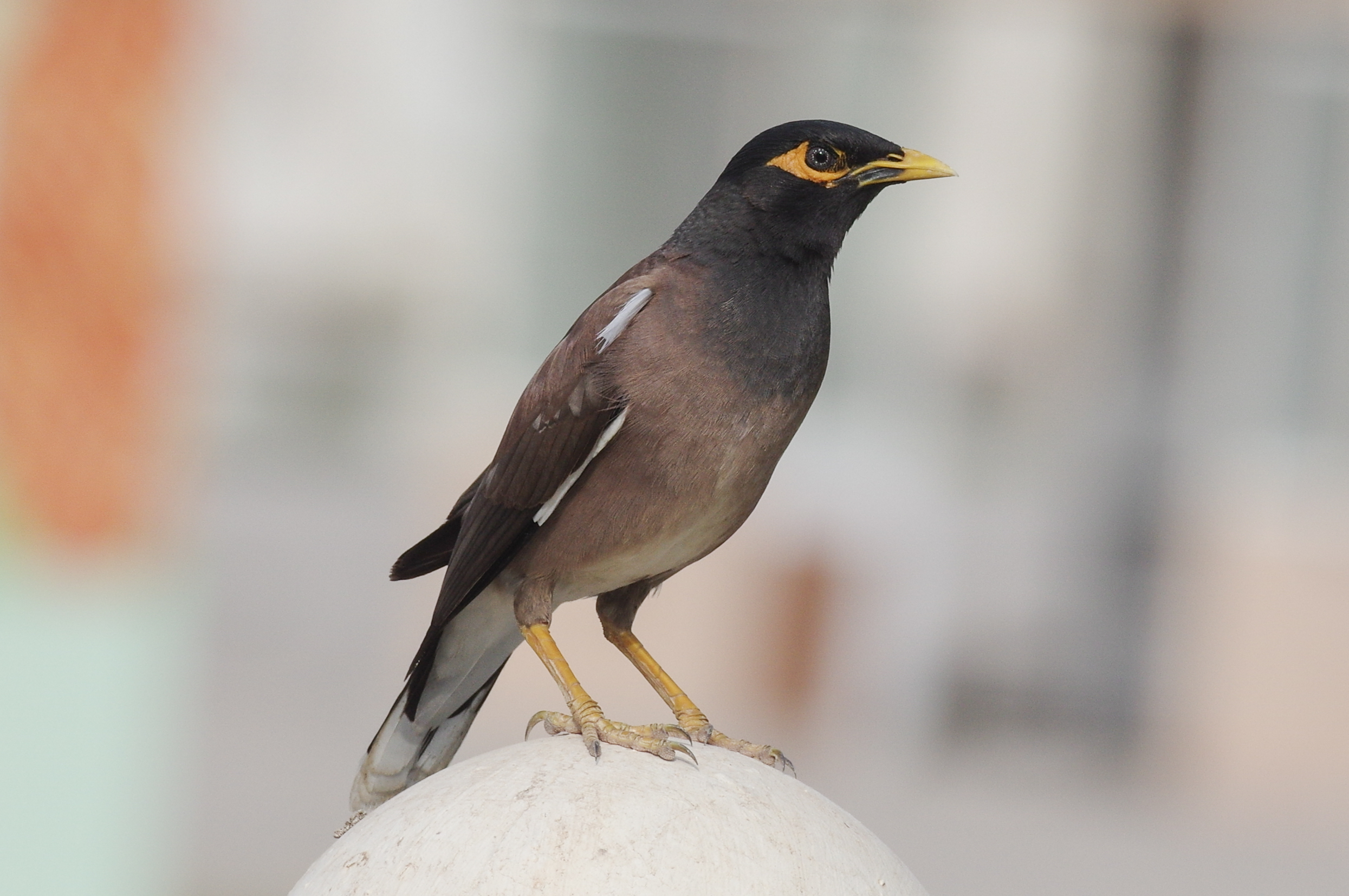
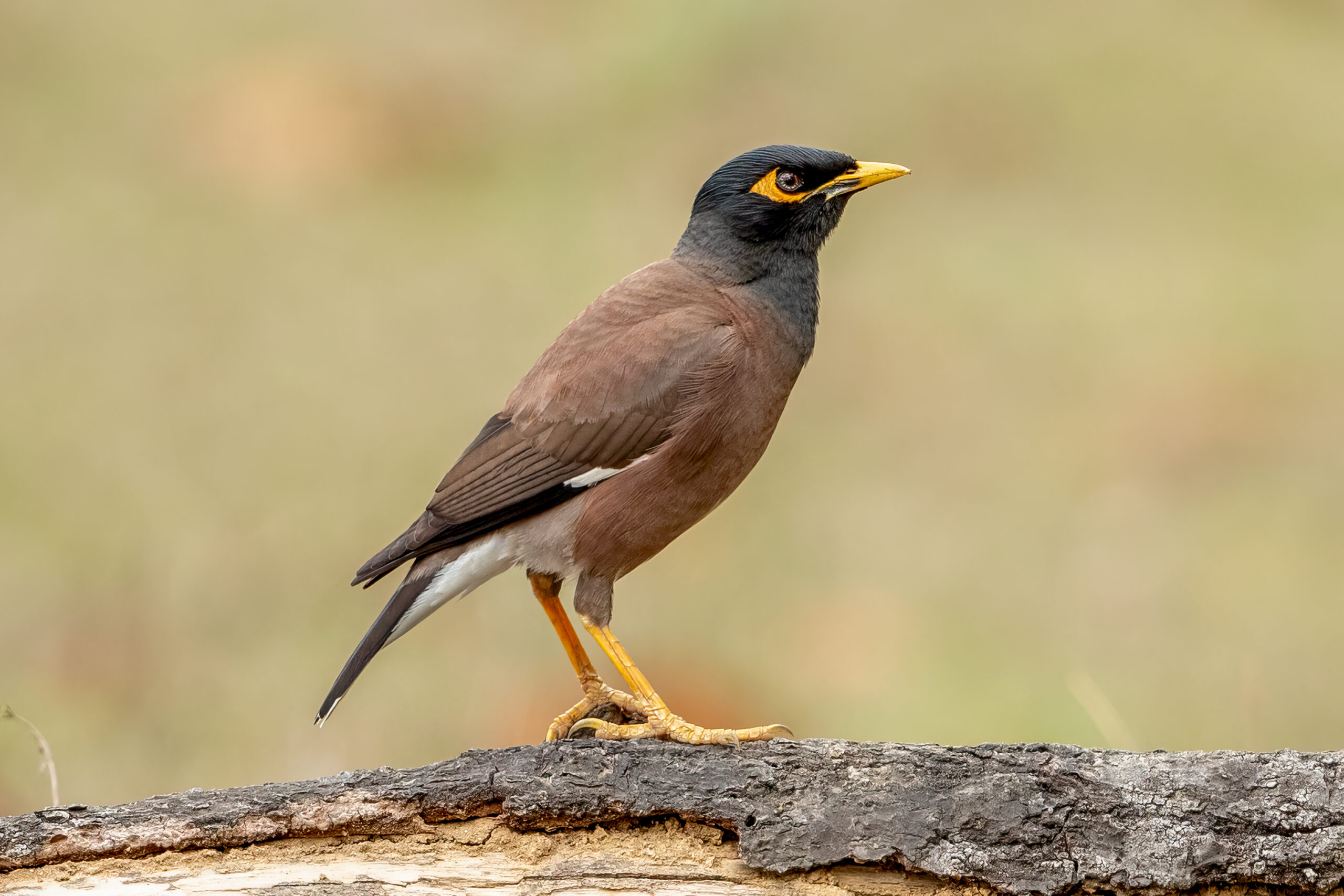
Common mynas (Acridotheres tristis) were reported from 113 localities across Jordan in a 2025 online questionnaire, with observations concentrated in urbanised north-western parts of the country. Among respondents who recognised the species, 72 perceived that local numbers had increased, and 83% reported seeing mynas outside their own local area.
The questionnaire received 201 valid responses from all 12 governorates. Most analyses used the 101 participants who said they recognised the species; 99 of them also identified it correctly from photographs. More than half of all responses came from Amman, and participation was voluntary through the authors’ social and professional networks, so the results describe citizen reports rather than a standardised population census.
Most reports came from human-modified habitats
Among the 101 respondents familiar with the bird, 85 said they most often saw common mynas in residential neighbourhoods. Agricultural land, public parks, natural areas and waste sites were also reported. The authors interpret the concentration of recent sightings in human-modified landscapes as evidence consistent with continued range expansion in Jordan.
The questionnaire cannot measure a national population growth rate because observation effort was not standardised. Its strongest contribution is additional occurrence information from across the country together with public perceptions of where and how the species is spreading.
Food waste and urban growth were widely viewed as drivers
Human-derived food was identified as a factor in the spread by 73% of respondents, urban expansion and land-use change by 71%, and weak enforcement of rules concerning bird ownership and release by 72%. These figures describe what participants believed was driving the spread; the study did not experimentally test those causes.
Forty-six respondents said they had witnessed problems or damage associated with common mynas. Competition with native birds and possible displacement were the main ecological concerns, while crop damage, noise and disease were generally rated as less serious. No specific disease event was documented.
Support for management was high
About 90% of respondents supported some form of control. Participants tended to favour measures such as public education, nest removal and humane trapping. The authors recommend combining public participation with regulation, waste management and coordinated monitoring, while emphasising the need for systematic field surveys alongside citizen reports.
Population & status
Related news
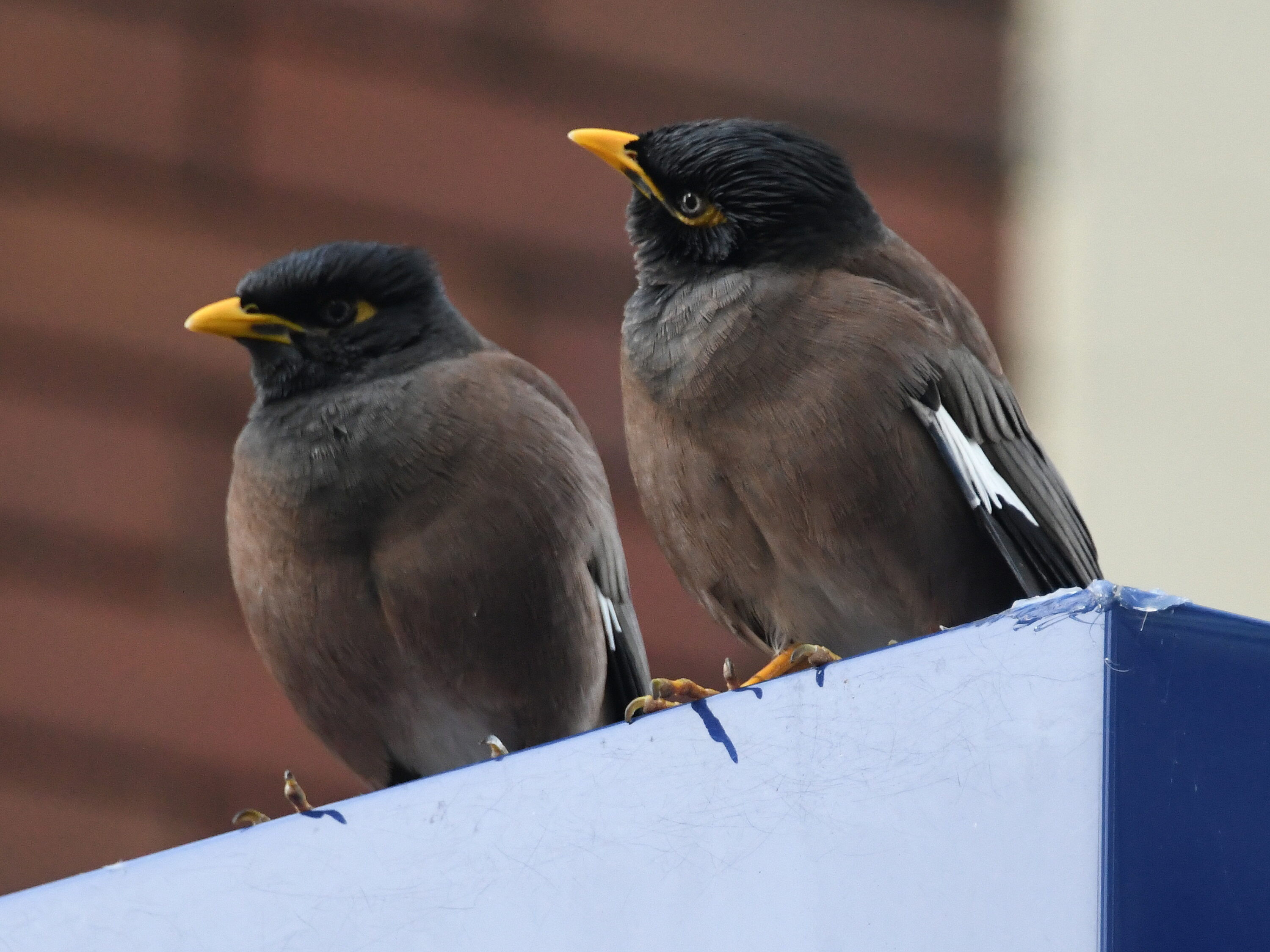
Rail Staff Say Two Common Mynas Regularly Ride Sydney Trains
Two common mynas were filmed sitting calmly inside a Sydney train, while a guard said staff know them…
Read story →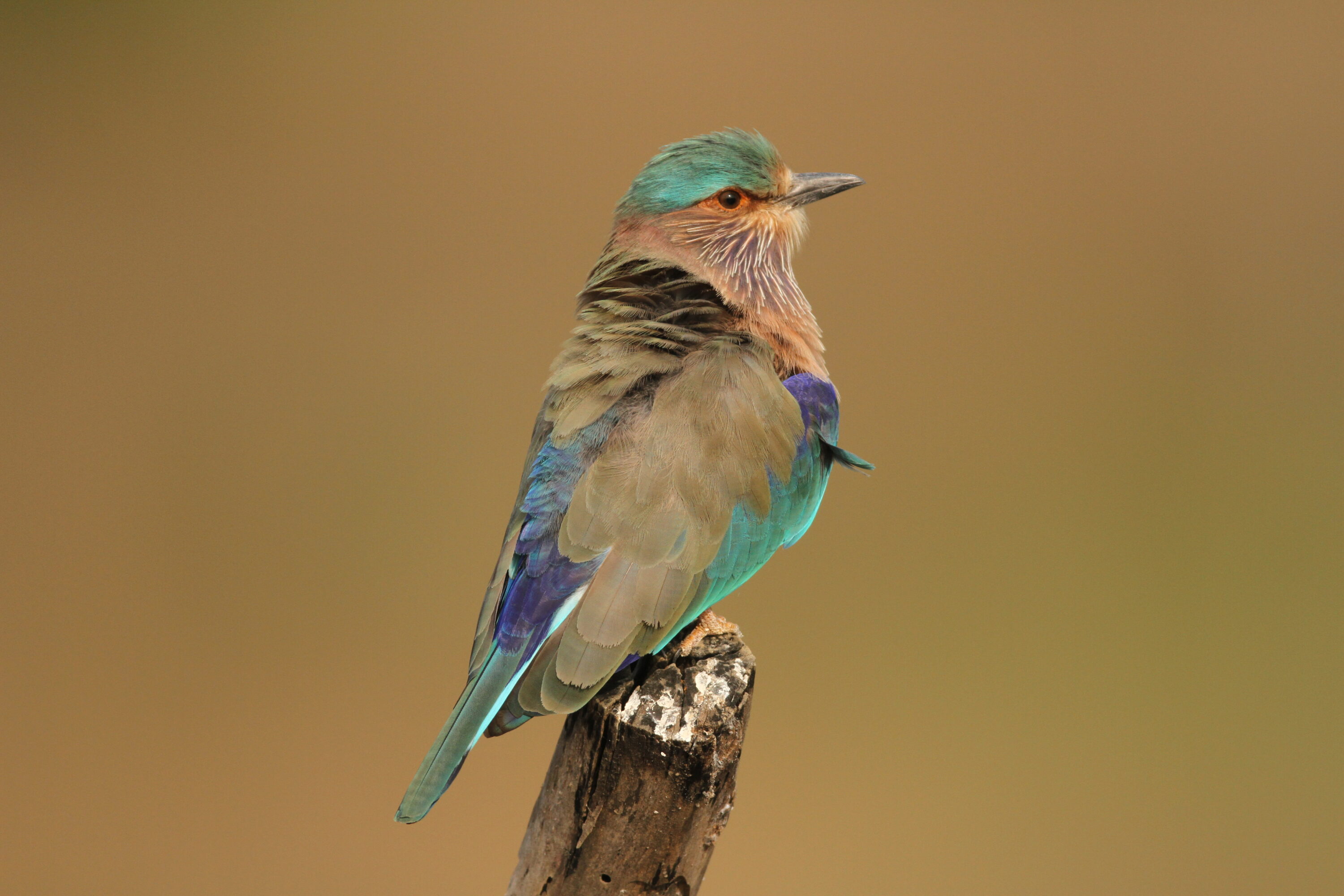
Six Cavity-Nesting Bird Species Bred Successfully in Artificial Nests in Punjab
Punjab Agricultural University reported successful breeding in artificial nests by six cavity-nesting species, including Indian roller, spotted owlet…
Read story →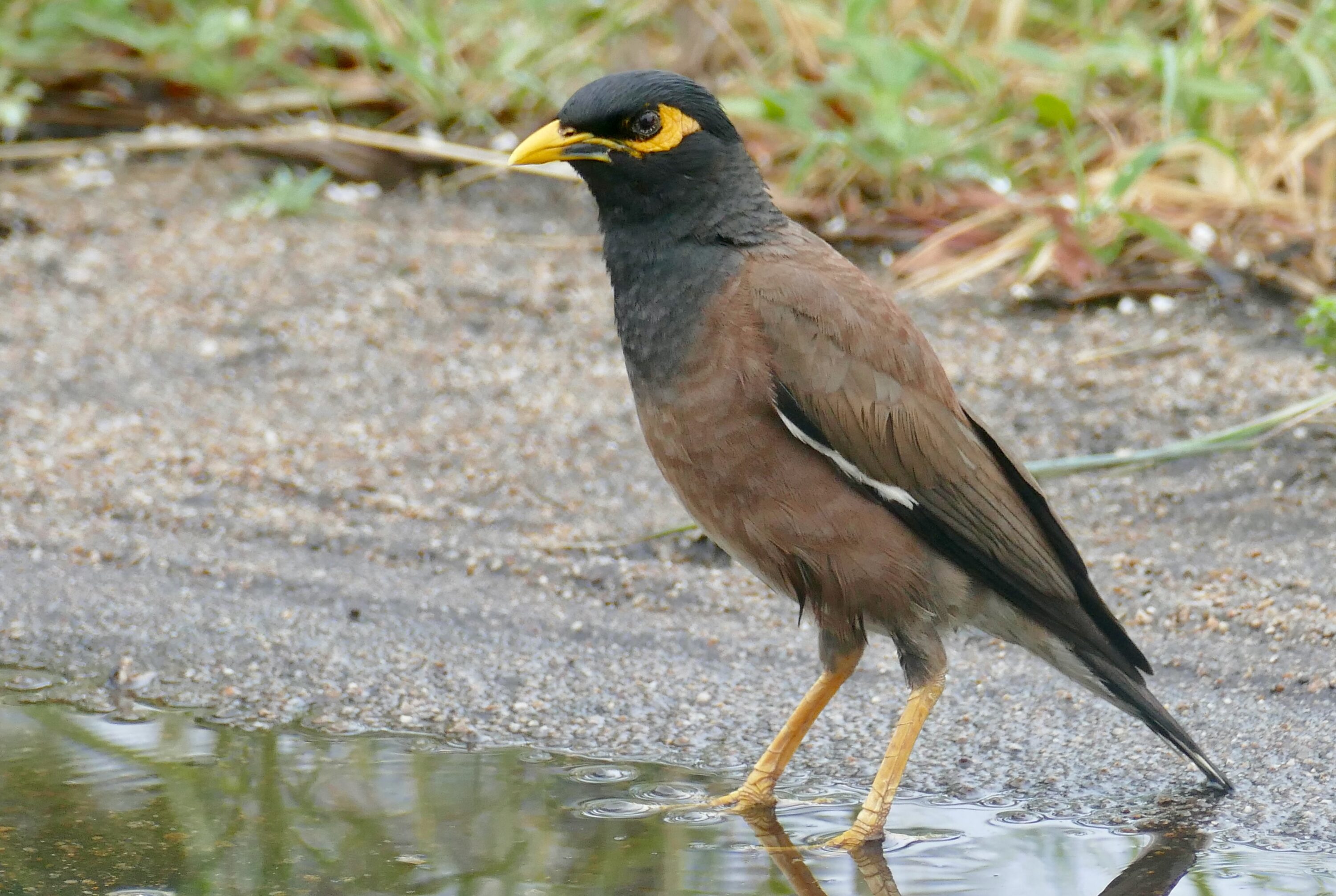
Qatar Captured 12,844 Invasive Common Mynas From January to July
Qatar reported 12,844 common mynas captured from January through July 2026, bringing the project total to 61,999. Control…
Read story →SPECIES IN THIS STORY
Species in this story
Independent research and conservation news archive
Did you find this information useful?
Wildlife Vagabond is independently built and maintained. Voluntary support helps cover source verification, hosting and continued work on research and conservation news.
Support Wildlife VagabondThe news archive will remain freely available.