
Citizen Science Expanded the Known Range of Tropical House Geckos in Argentina
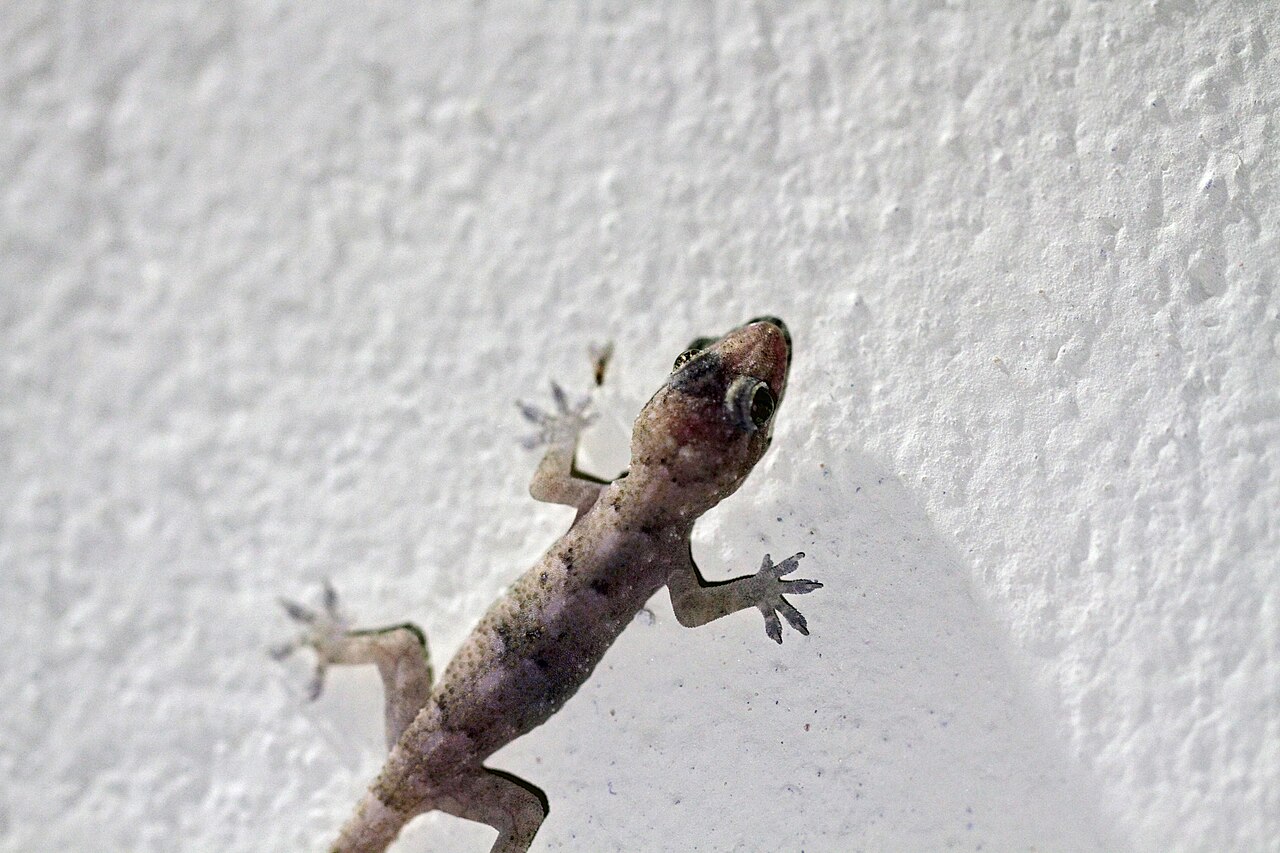
Citizen-science records have expanded the known Argentine distribution of the tropical house gecko (Hemidactylus mabouia) from seven to 12 of the country’s 24 jurisdictions. The peer-reviewed assessment, published on 31 March 2026, reports new localities in Chaco, Córdoba, Corrientes, Formosa, Jujuy, Misiones and Santa Fe.
The researchers combined observations from iNaturalist and the Argentine platform Ecoregistros with records submitted through an online form promoted on social media. After checking photographs, removing duplicates and rejecting misidentifications, they retained 1,195 observations of three introduced gecko species. Of these, 195 were tropical house geckos: 140 from iNaturalist, 29 from Ecoregistros and 26 from the project’s form.
Most records came from northeastern Argentina
Most records of the species were concentrated in northeastern Argentina, with fewer in central and northern areas. The study found no established population south of 35°S. One individual recorded at 38.9°S was found travelling in a cargo truck, making it the southernmost Argentine record but not evidence of a local population. The distinction matters because vehicles and goods can transport individual geckos beyond the climatic area in which populations currently persist.
Photographic validation was essential
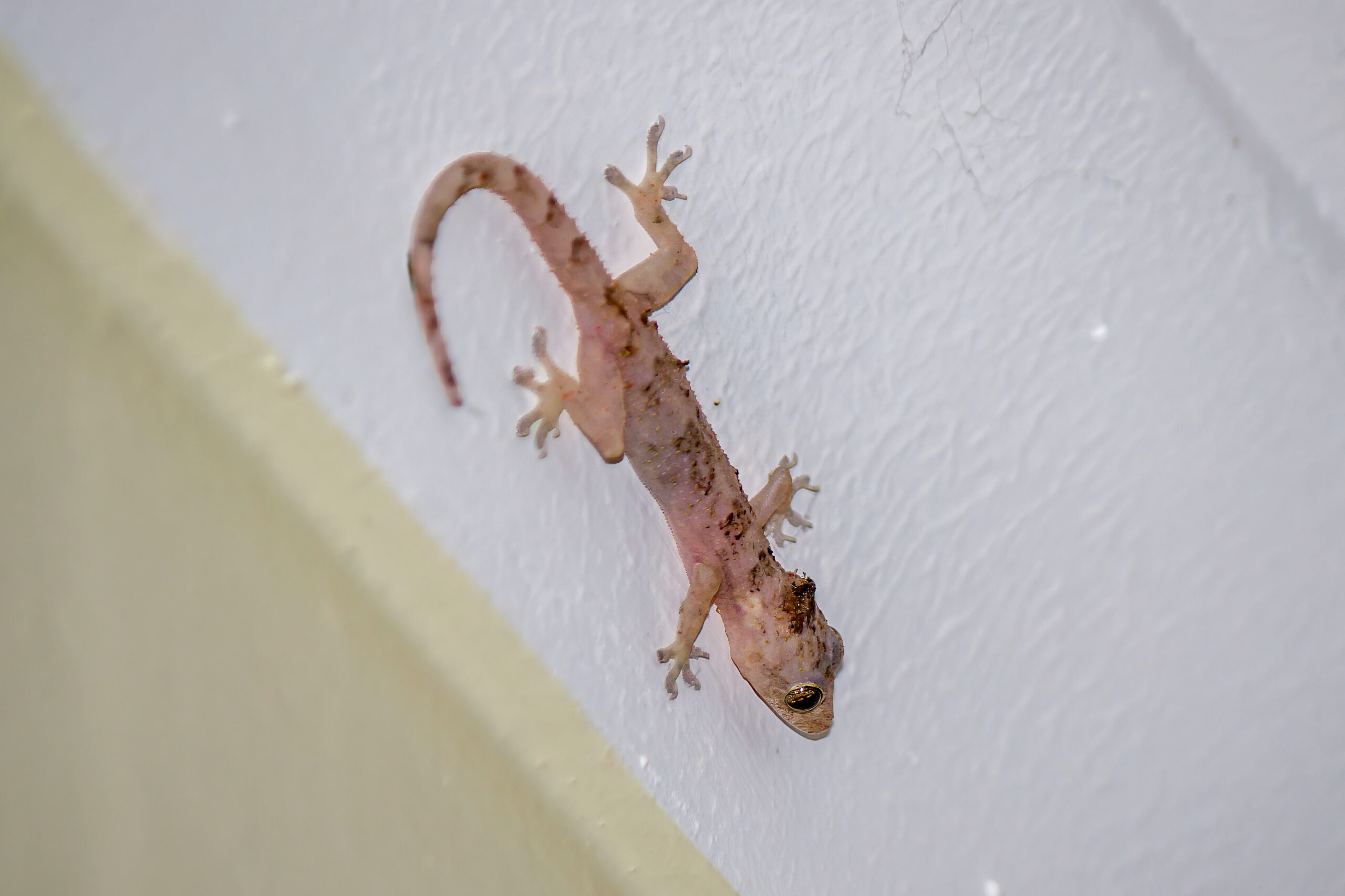
Photographic validation was central to the work. The researchers examined external features, including toe pads, to separate tropical house geckos from other introduced species. They also describe a limitation: many photographs showed only the back of an animal or were taken through glass, in poor light or out of focus. Those conditions can make identification within Hemidactylus difficult, so uncertain records were excluded.
Across all three non-native geckos included in the project, citizen science added 90 localities in 15 jurisdictions. The authors say introduced geckos remain poorly studied in Argentina. They do not claim that the tropical house gecko has already caused demonstrated harm to native fauna there; instead, they identify possible interactions with native lizards and amphibians as a reason for continued monitoring and targeted ecological research.
Population & status
Related news
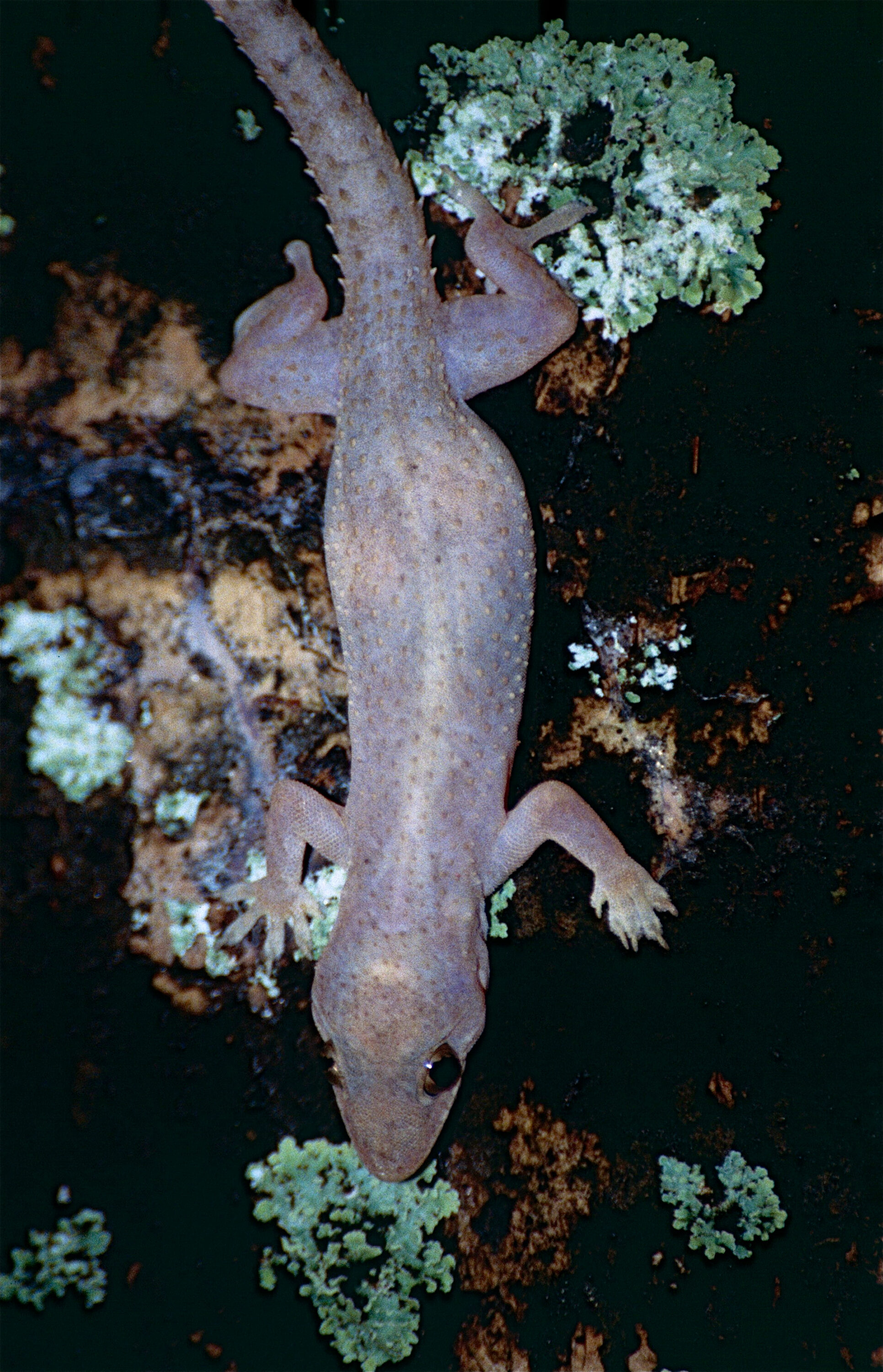
Endoparasites Infected 71.2% of Tropical House Geckos in Western Pará
In western Pará, Brazil, researchers found internal parasites in 71.2% of 156 wild Tropical House Geckos. Larger geckos…
Read story →
Genome Assemblies for 39 Reptile Species Released, Including a Tropical House Gecko From Ethiopia
A 2026 data release placed genome assemblies for 39 reptile species in GenBank. The tropical house gecko sample…
Read story →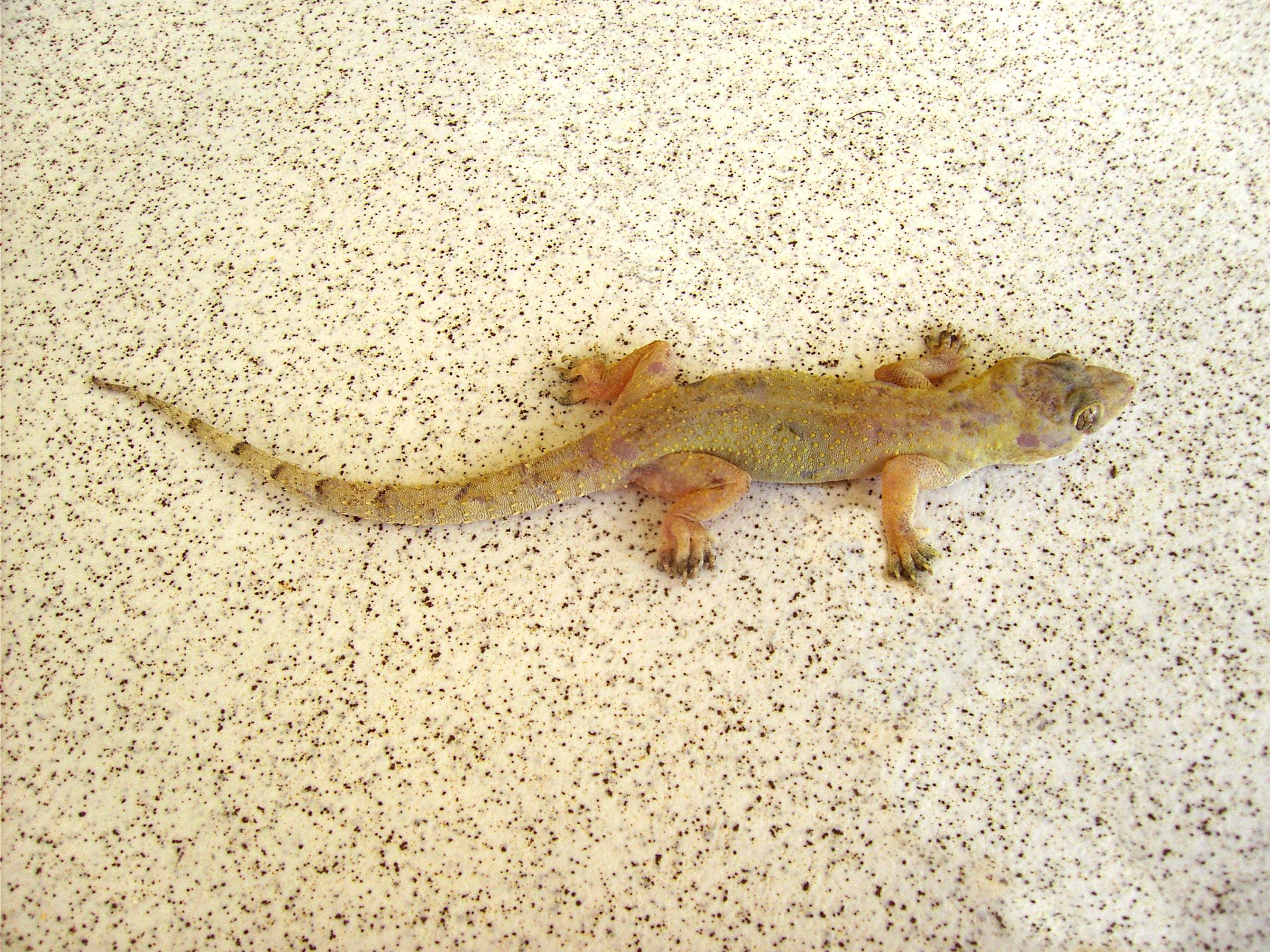
Tropical House Gecko May Already Be Displacing a Native Gecko on Curaçao
Trait and count data from three native and three introduced gecko species on Curaçao pointed to possible displacement…
Read story →SPECIES IN THIS STORY
Species in this story
Independent research and conservation news archive
Did you find this information useful?
Wildlife Vagabond is independently built and maintained. Voluntary support helps cover source verification, hosting and continued work on research and conservation news.
Support Wildlife VagabondThe news archive will remain freely available.