
Classic and Recombinant Myxoma Viruses Were Found Together in Pooled Tissue From Two Hares in West Hungary
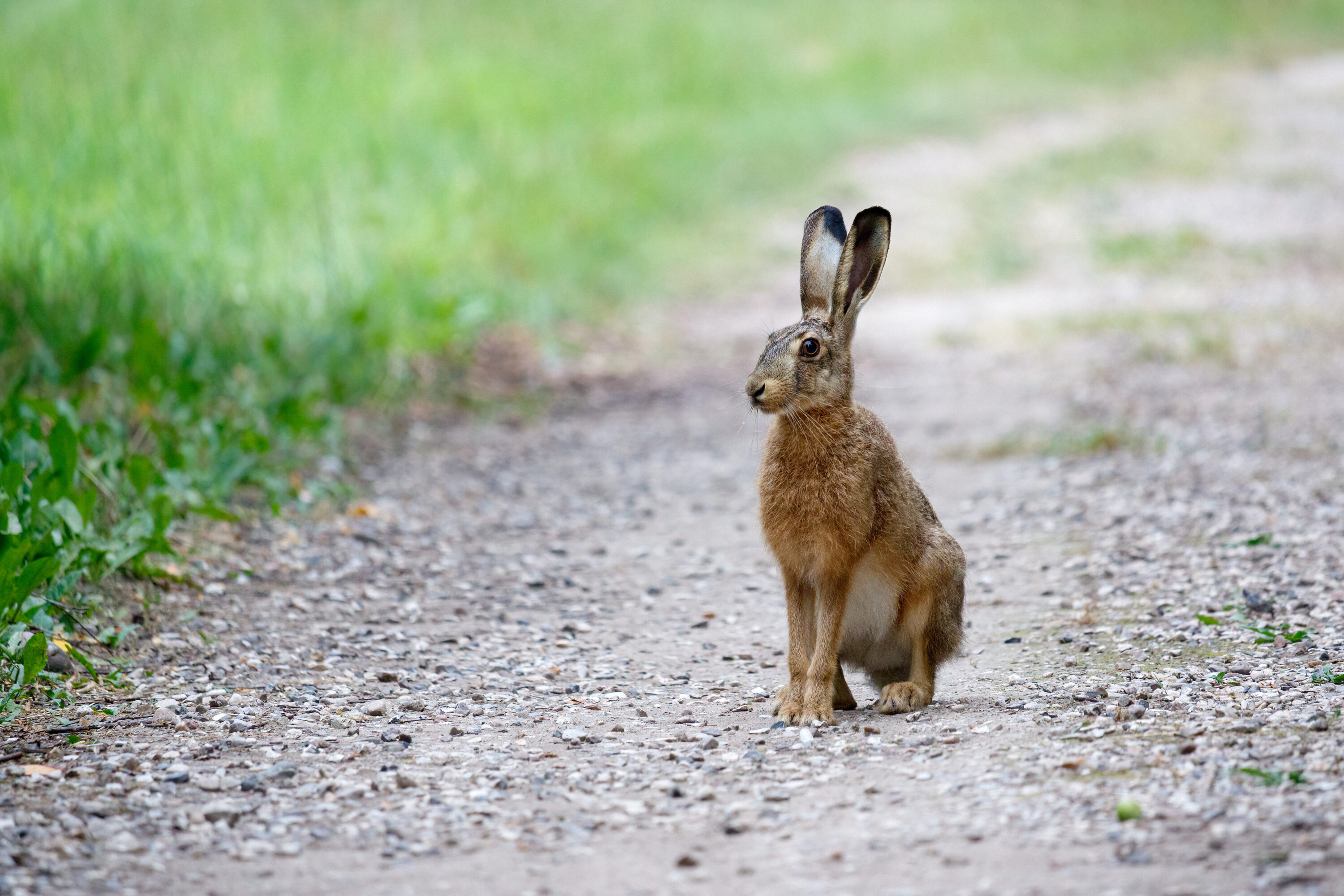
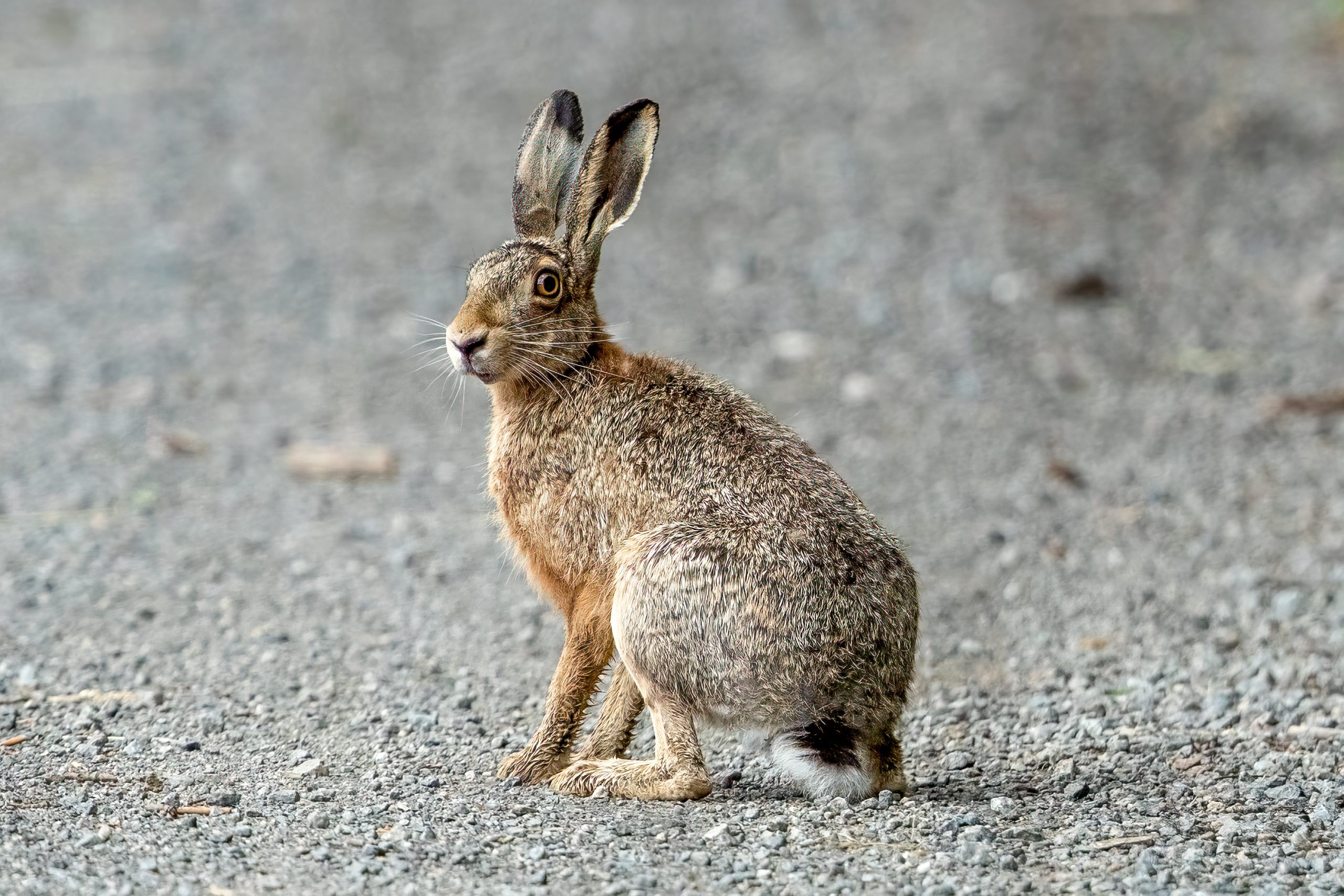
A molecular study published in 2026 detected both classic myxoma virus (MYXV) and the hare-adapted recombinant form ha-MYXV in material from two European hares (Lepus europaeus) found dead in western Hungary. The two adult females were discovered about 20 metres apart near the same hunting ground in October 2025.
Skin tissue with lesions characteristic of myxomatosis had been pooled from the two hares for laboratory analysis. Earlier examination of the same cases had confirmed a classic MYXV strain, but the new study investigated the material more deeply using virus isolation in rabbit kidney cell cultures, targeted PCR and whole-genome sequencing.
The cell cultures and molecular tests were positive for both virus types. Whole-genome sequencing separated a classic strain from a recombinant hare-adapted strain. The classic genome was 99.9% identical to the virulent Lausanne reference strain, while the recombinant virus carried the characteristic inserted block of four gene copies associated with ha-MYXV.
Because tissue from the two hares had been combined before the molecular work, the researchers stress that the data cannot establish which individual carried which strain or whether either single hare was coinfected. The study nevertheless shows that both virus types were present in the pooled material from the two hares found at the same locality.
Disease, parasites & microbiology
Related news
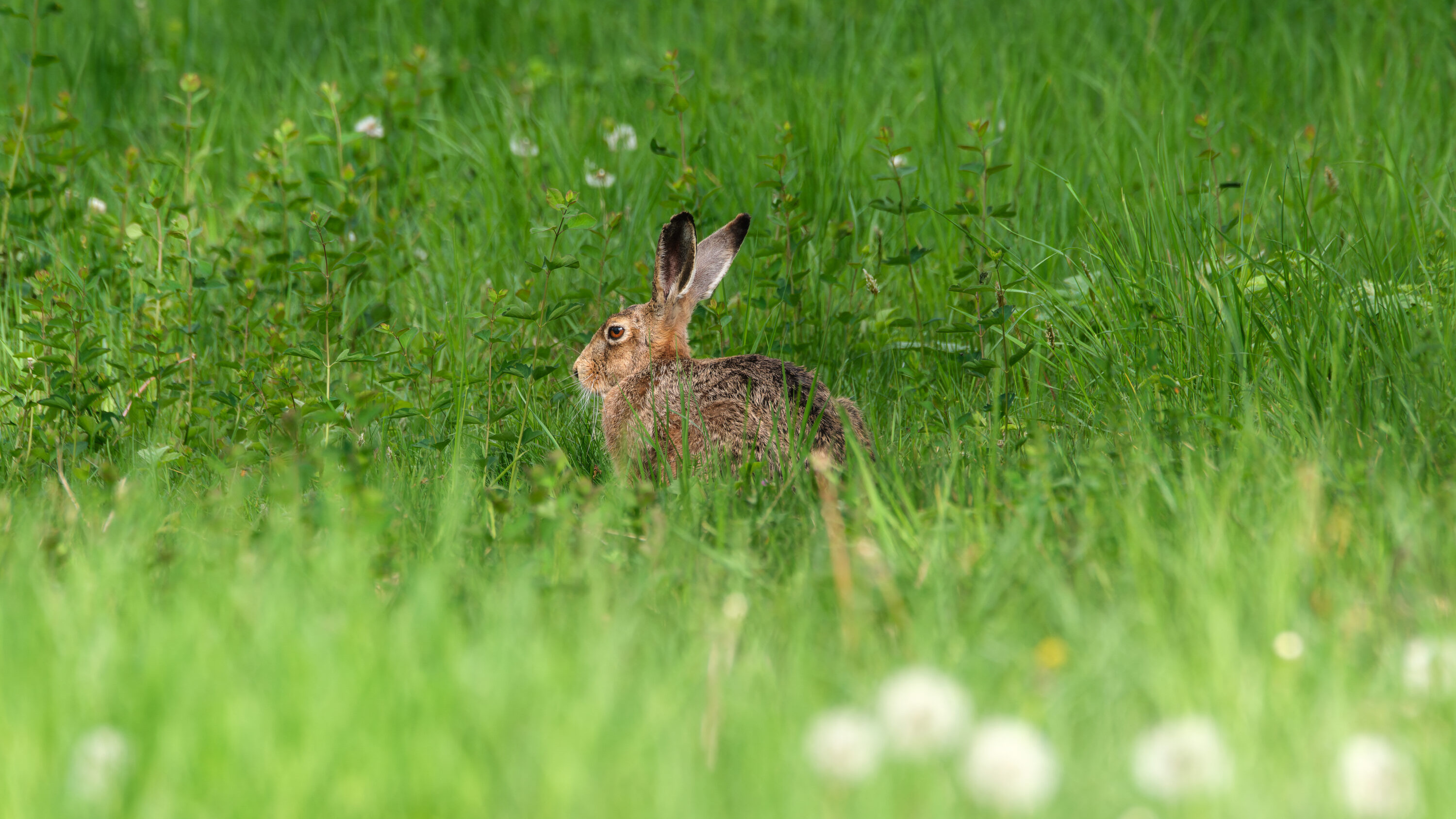
Cryptosporidium Deer Mouse Genotype IV Was Recorded in Europe for the First Time in European Hares
Five of 370 faecal samples from wild European hares in Czechia and Slovakia contained Cryptosporidium deer mouse genotype…
Read story →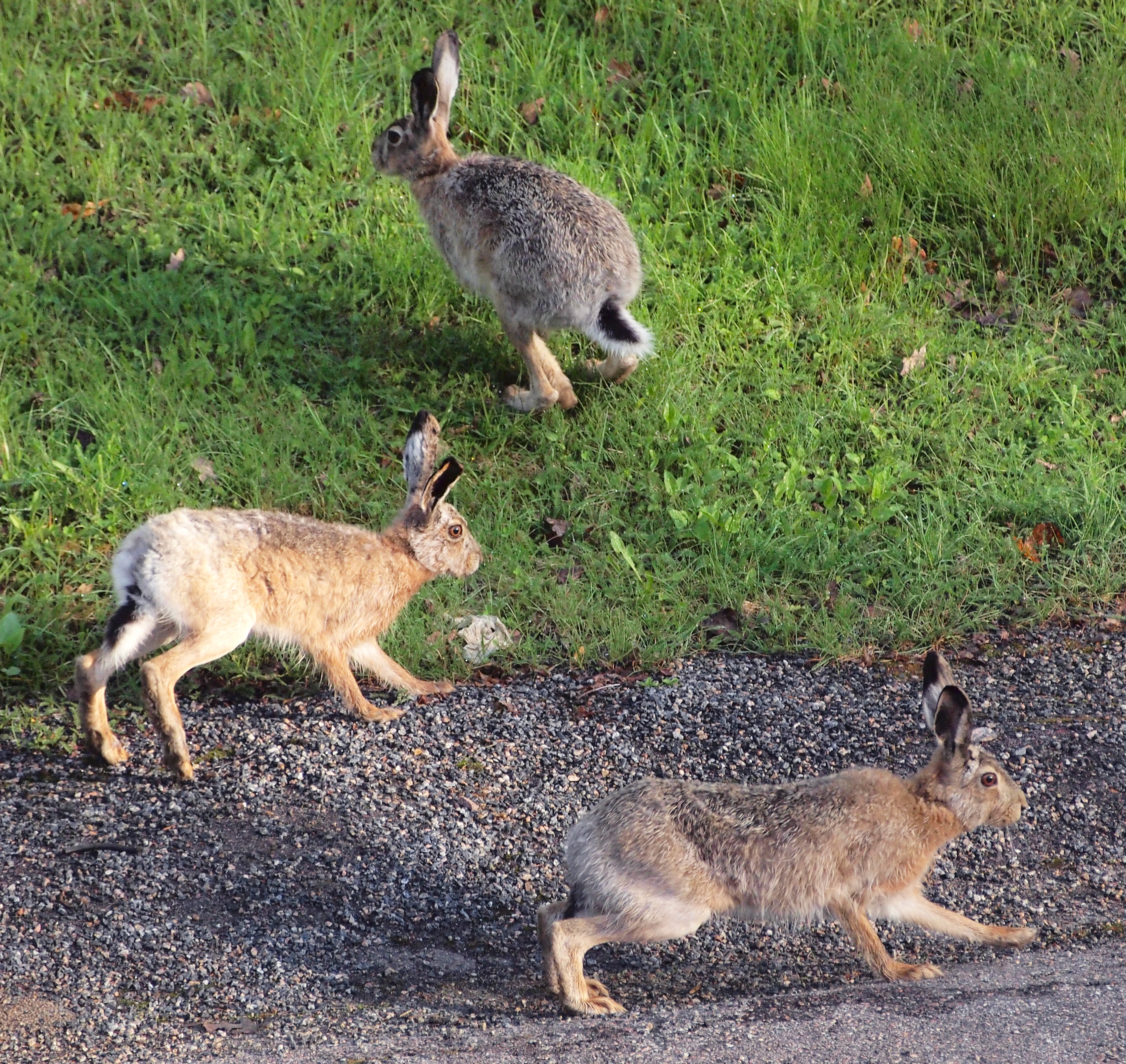
Hungary’s First ha-MYXV Outbreak Was Confirmed in 33 of 37 Targeted Hare Samples
During Hungary’s first confirmed outbreak of hare-adapted recombinant myxoma virus, 33 of 37 targeted European hare samples from…
Read story →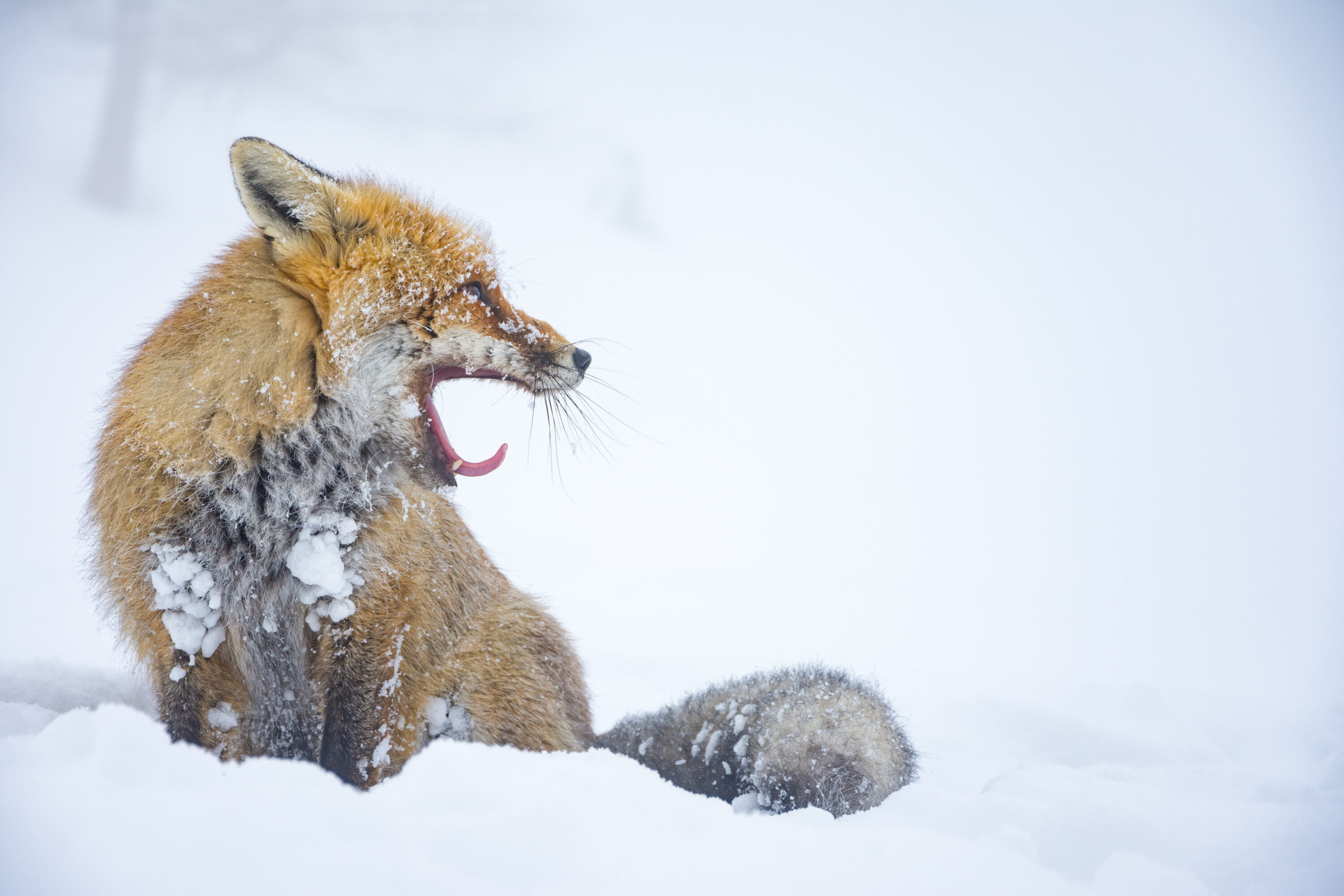
Red Fox Activity Peaks Shifted as Eastern Cottontails Became Established at Le Bine
Camera-trap data from 2013–2023 showed subtle shifts in red fox activity timing as eastern cottontails became established at…
Read story →SPECIES IN THIS STORY
Species in this story
Independent research and conservation news archive
Did you find this information useful?
Wildlife Vagabond is independently built and maintained. Voluntary support helps cover source verification, hosting and continued work on research and conservation news.
Support Wildlife VagabondThe news archive will remain freely available.