
Colombia Activated New Control Plan for Invasive Hippos
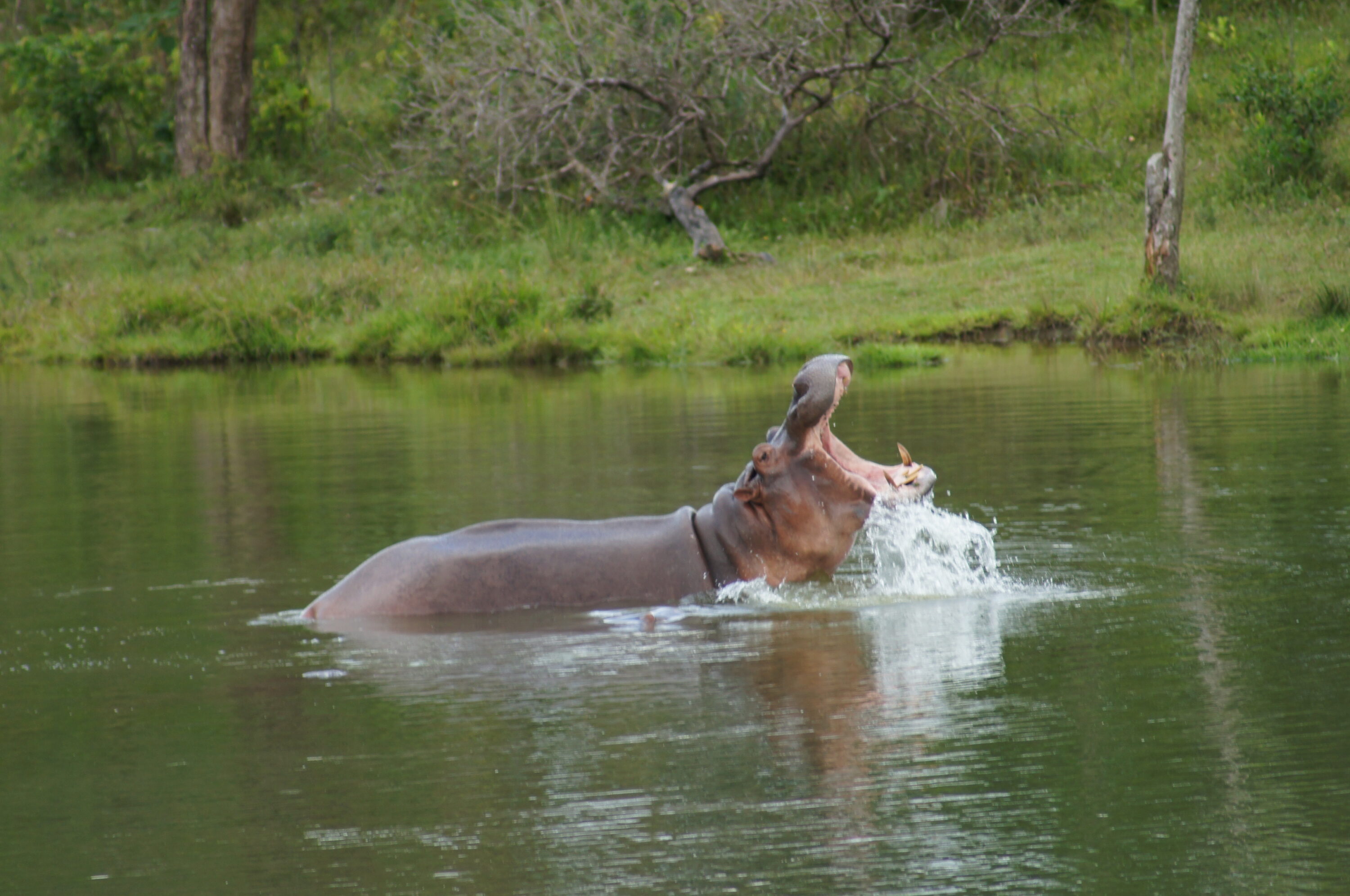
Colombia has activated a nationwide control plan for the introduced common hippopotamus (Hippopotamus amphibius). The Ministry of Environment and Sustainable Development announced the programme on 13 April 2026, describing it as an integrated response to the population’s continued growth and geographical spread.
The Colombian population descends from four animals introduced illegally during the 1980s. According to the ministry, more than 200 hippos now live in the country. Without control measures, government projections indicate that the population could reach about 500 animals by 2030 and nearly 1,000 by 2035.
Colombia classified the species as invasive in 2022. The ministry says the animals affect water quality and native species including manatees and river turtles, while their expansion also creates risks for local communities.
Translocation and euthanasia protocols
The programme has been allocated 7.2 billion Colombian pesos for its first phase. The ministry noted that technical recommendations made in 2022 had called for at least 33 animals per year to be removed from the ecosystems, leaving a substantial backlog. With the new funding, it said the programme would seek to address at least half of the hippos then estimated to be living in the ecosystems. This was a management target, not a number already removed. Four regional environmental authorities will carry out measures intended to reduce the population and limit its distribution, initially focusing on animals in areas described as particularly difficult to manage.
The new framework combines several approaches. Translocation remains an option, but the ministry says proposed transfers have repeatedly encountered legal, technical and financial barriers. It also points to the population’s low genetic diversity and deformities associated with inbreeding, a consequence of its origin from just four introduced founders. The plan therefore also introduces a technical euthanasia protocol for situations in which translocation is not feasible. The protocol covers chemical and physical methods and includes requirements for animal welfare, biosecurity, traceability and protection of water resources.
Confinement and sterilisation have also been assessed. The ministry notes that this approach would require substantial infrastructure, sterilisation of every confined animal and long-term care because the population has no natural predators in Colombia.
Implementation during the second half of 2026
Agreements with the regional authorities were scheduled for 15 June, followed by implementation during the second half of 2026. Each authority must conduct continuous biological monitoring and submit monthly progress reports.
Every intervention must also be documented within ten days. Reports must include the animal’s sex and estimated age, exact coordinates, the methods used and photographic records. The stated goal is to slow population growth, contain further expansion and reduce risks to biodiversity and nearby communities.
Management
Related news
Hippos Yawned Before Heading Out to Feed — Even on Cool Evenings
Observations in Zambia and South Africa found that hippos yawned most frequently as they prepared to leave their…
Read story →
Fossil Teeth Reveal a Lush Refuge Along Lebanon’s Coast
Teeth from deer, wild goats and other herbivores show that Lebanon’s coast repeatedly offered woodland, water and feeding…
Read story →
Common Hippopotamus Carcass Linked Wildlife and Human Exposure in Zambian Anthrax Outbreak
A hippopotamus carcass initially attributed to trauma was followed by laboratory-confirmed anthrax in lions and one epidemiologically linked…
Read story →SPECIES IN THIS STORY
Species in this story

Independent research and conservation news archive
Did you find this information useful?
Wildlife Vagabond is independently built and maintained. Voluntary support helps cover source verification, hosting and continued work on research and conservation news.
Support Wildlife VagabondThe news archive will remain freely available.