
Common Myna May Now Be Established in North-Eastern Namibia
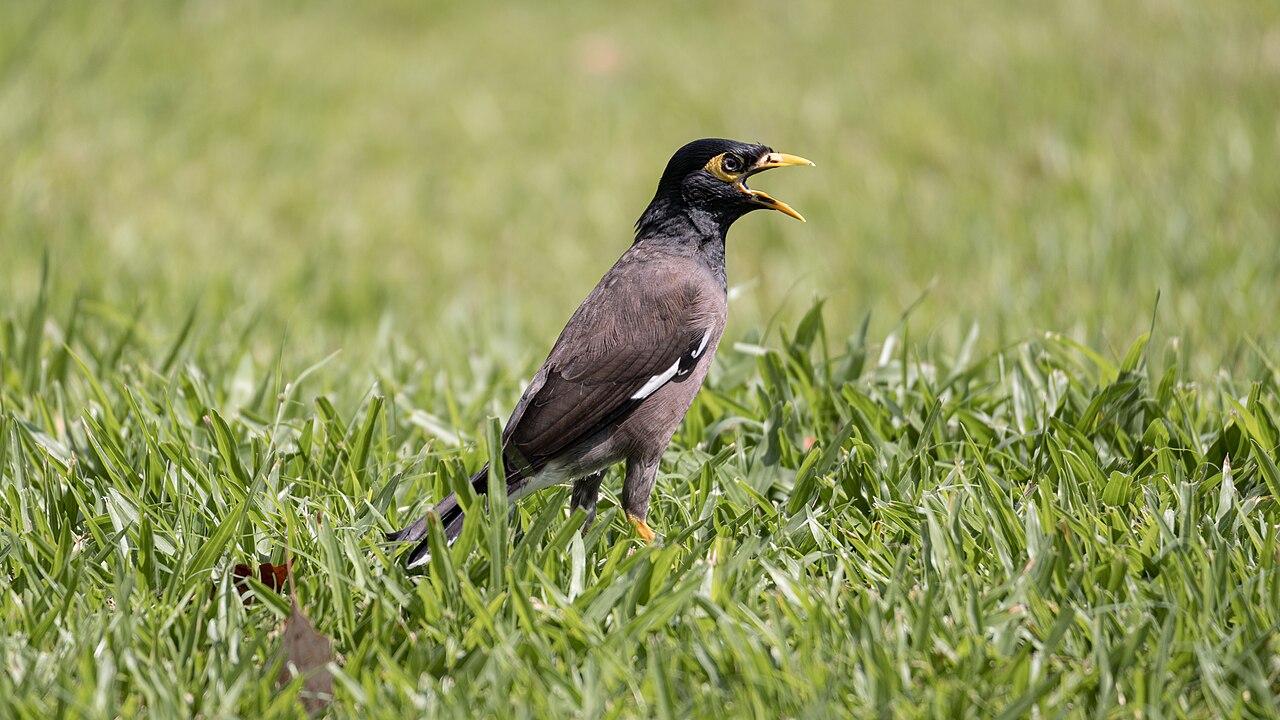
Daily sightings and repeated breeding-related behaviour indicate that common mynas (Acridotheres tristis) may now be locally established in Katima Mulilo in north-eastern Namibia. The paper, published on 15 April 2026, describes a possible shift from sporadic records to a persistent urban foothold. The common myna is a highly adaptable invasive passerine that thrives around people and has expanded through urban and other human-modified landscapes elsewhere in southern Africa.
Daily sightings were recorded across the town from 2024 onward
The account is based on 371 opportunistic observations collected between 2024 and 2026. Common mynas were recorded daily in residential districts, commercial areas and roadsides. Most observations involved one or two birds, while the largest single group contained eight.
Service stations concentrated breeding-related and night-time activity
Repeated long stays and breeding-related behaviour were concentrated around two service stations, where at least three individuals were consistently recorded during most visits. The sites combined nesting cavities with predictable food, shade, artificial lighting and high tolerance of human disturbance. Birds carried grass and twigs into cavities, and adults transported food and alternated visits to presumed nest sites, strongly suggesting that dependent young were being fed. The nests and nestlings were not inspected directly, so the authors do not claim confirmed breeding success.
The same sites also supported activity after dark under strong artificial lighting. Mynas foraged on the ground after 19:30, whereas comparable night-time activity was not observed in unlit residential areas. A separate nesting attempt in a damaged streetlight ended in apparent nest loss after the bulb cap detached; the cause of the detachment could not be determined.
Early interactions with native birds were already visible
The paper also records several direct interactions with other urban birds. A fork-tailed drongo (Dicrurus adsimilis) fought with a myna over insect prey, while northern grey-headed sparrows (Passer griseus) repeatedly chased mynas away from their nest sites. Marico sunbirds (Cinnyris mariquensis) nesting nearby showed no obvious disturbance, which the authors suggest may partly reflect their use of smaller nesting spaces that are less accessible to the larger mynas. These observations do not demonstrate population-level impacts, but they show some of the interactions that structured monitoring will need to examine.
The 371 observations are not a population estimate
The records were collected opportunistically and the birds were not individually marked. Repeated sightings could therefore represent a small number of mobile birds, a growing local population or both. The authors use the term probable local establishment rather than declaring a confirmed breeding population of known size.
Structured surveys are needed to measure abundance, breeding success, movements and ecological effects and to determine whether Katima Mulilo is an isolated foothold or part of a wider expansion through Namibia’s Zambezi Region. Common mynas have also been observed around shop complexes at Ngoma, about 68 km east of Katima Mulilo near the Botswana border, although observations there remain limited.
Ecology
Related news

Rail Staff Say Two Common Mynas Regularly Ride Sydney Trains
Two common mynas were filmed sitting calmly inside a Sydney train, while a guard said staff know them…
Read story →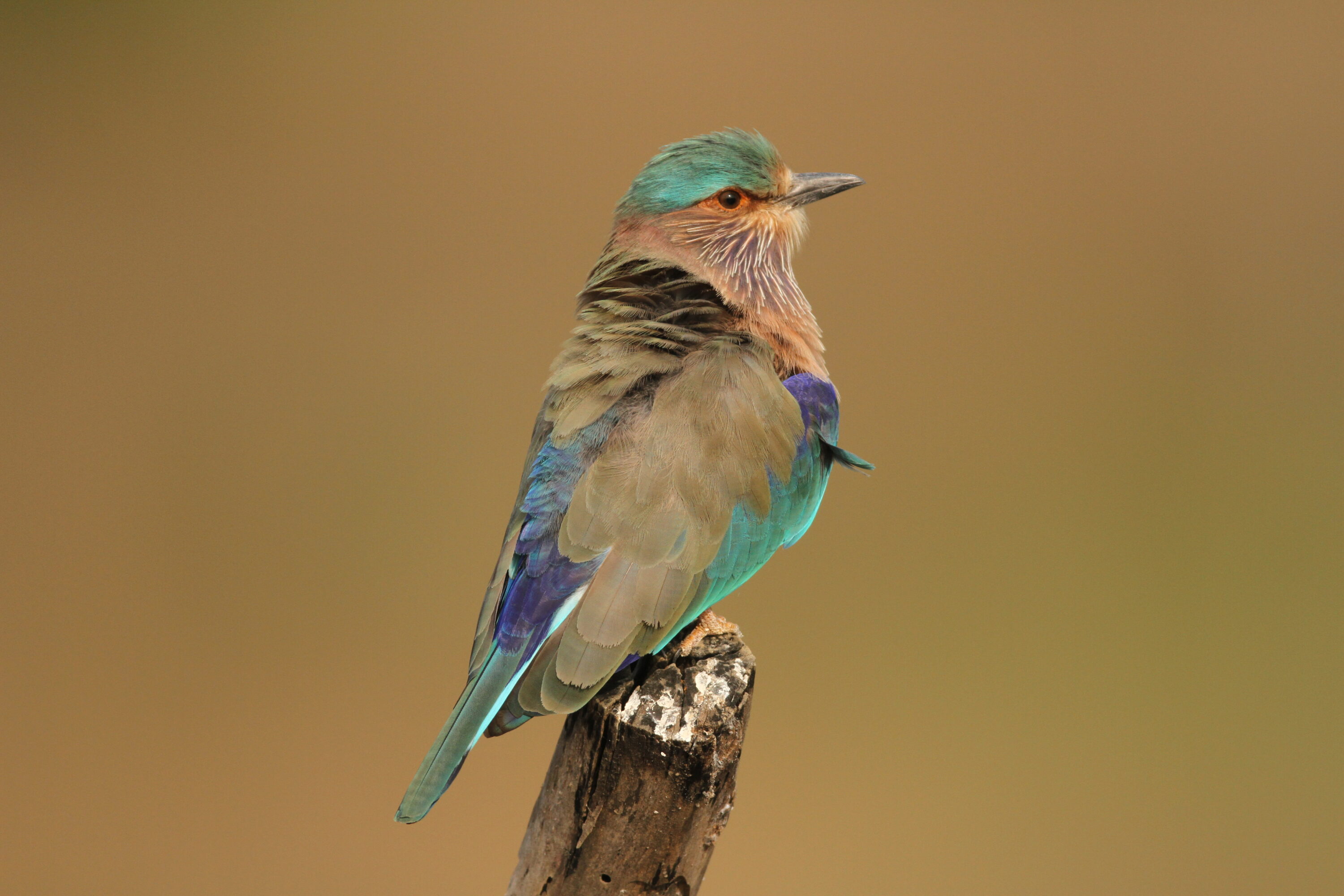
Six Cavity-Nesting Bird Species Bred Successfully in Artificial Nests in Punjab
Punjab Agricultural University reported successful breeding in artificial nests by six cavity-nesting species, including Indian roller, spotted owlet…
Read story →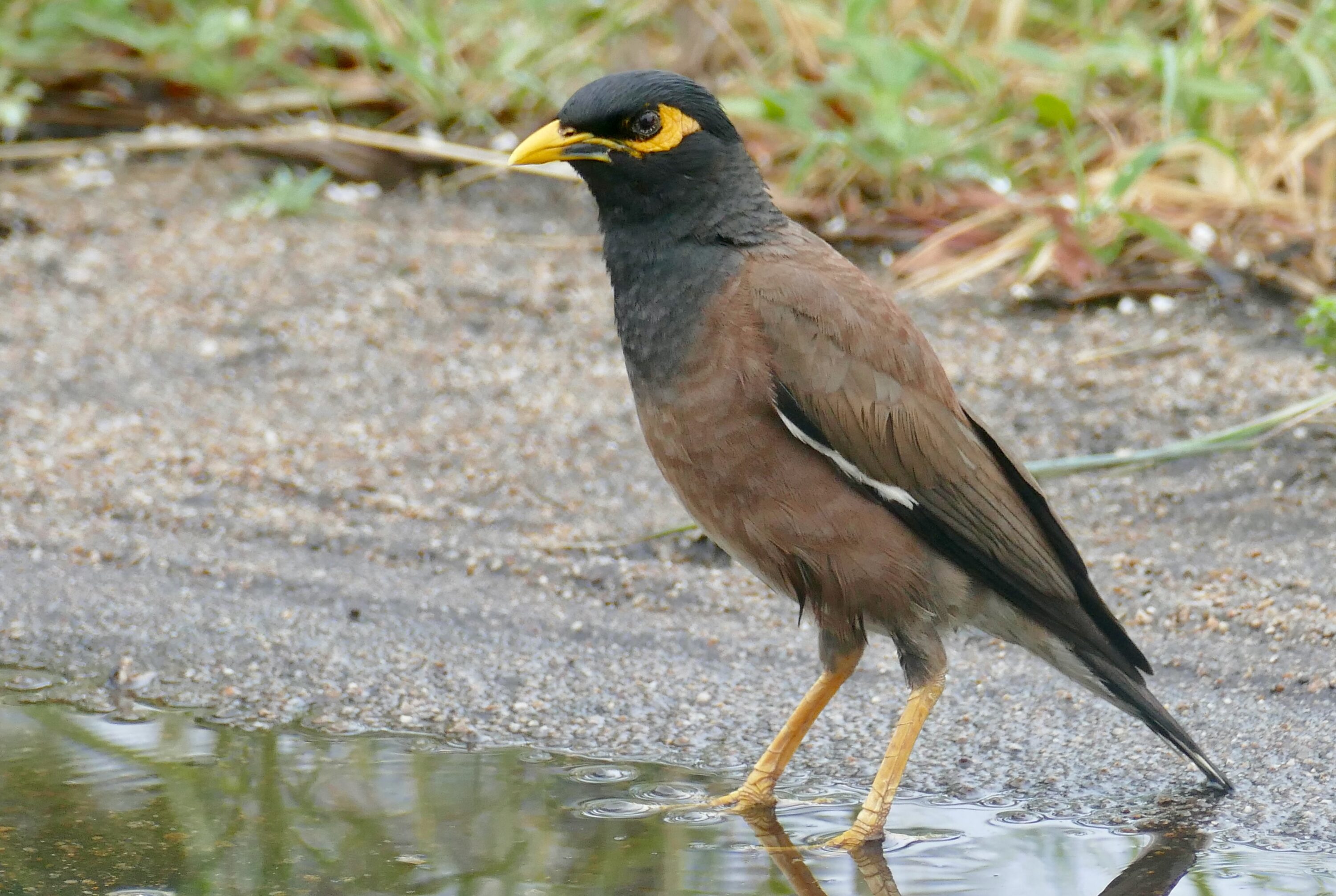
Qatar Captured 12,844 Invasive Common Mynas From January to July
Qatar reported 12,844 common mynas captured from January through July 2026, bringing the project total to 61,999. Control…
Read story →SPECIES IN THIS STORY
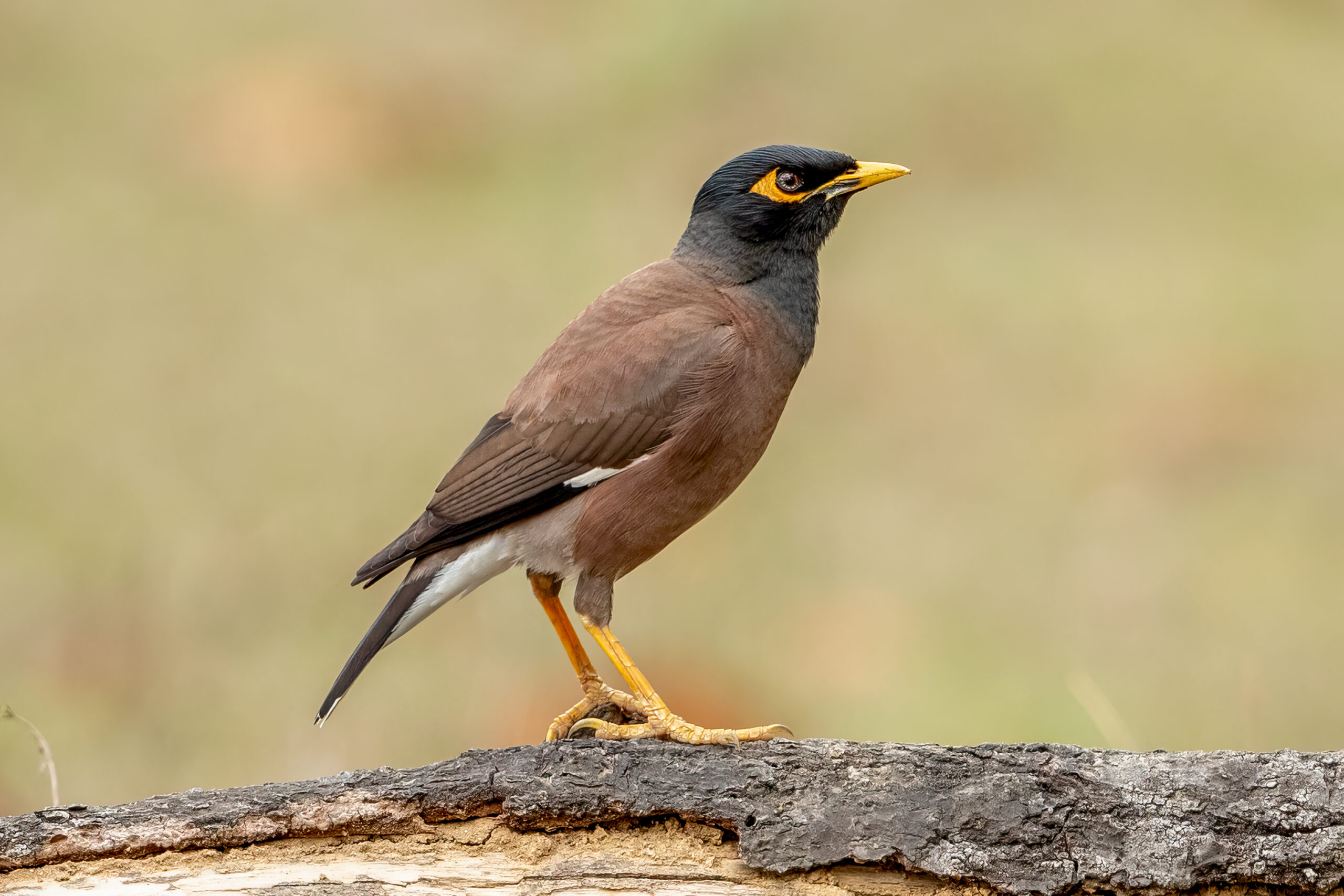
Species in this story
Independent research and conservation news archive
Did you find this information useful?
Wildlife Vagabond is independently built and maintained. Voluntary support helps cover source verification, hosting and continued work on research and conservation news.
Support Wildlife VagabondThe news archive will remain freely available.