
Genomics Revealed a Distinct Dhofar Myna Population and Connected Northern Populations in Oman
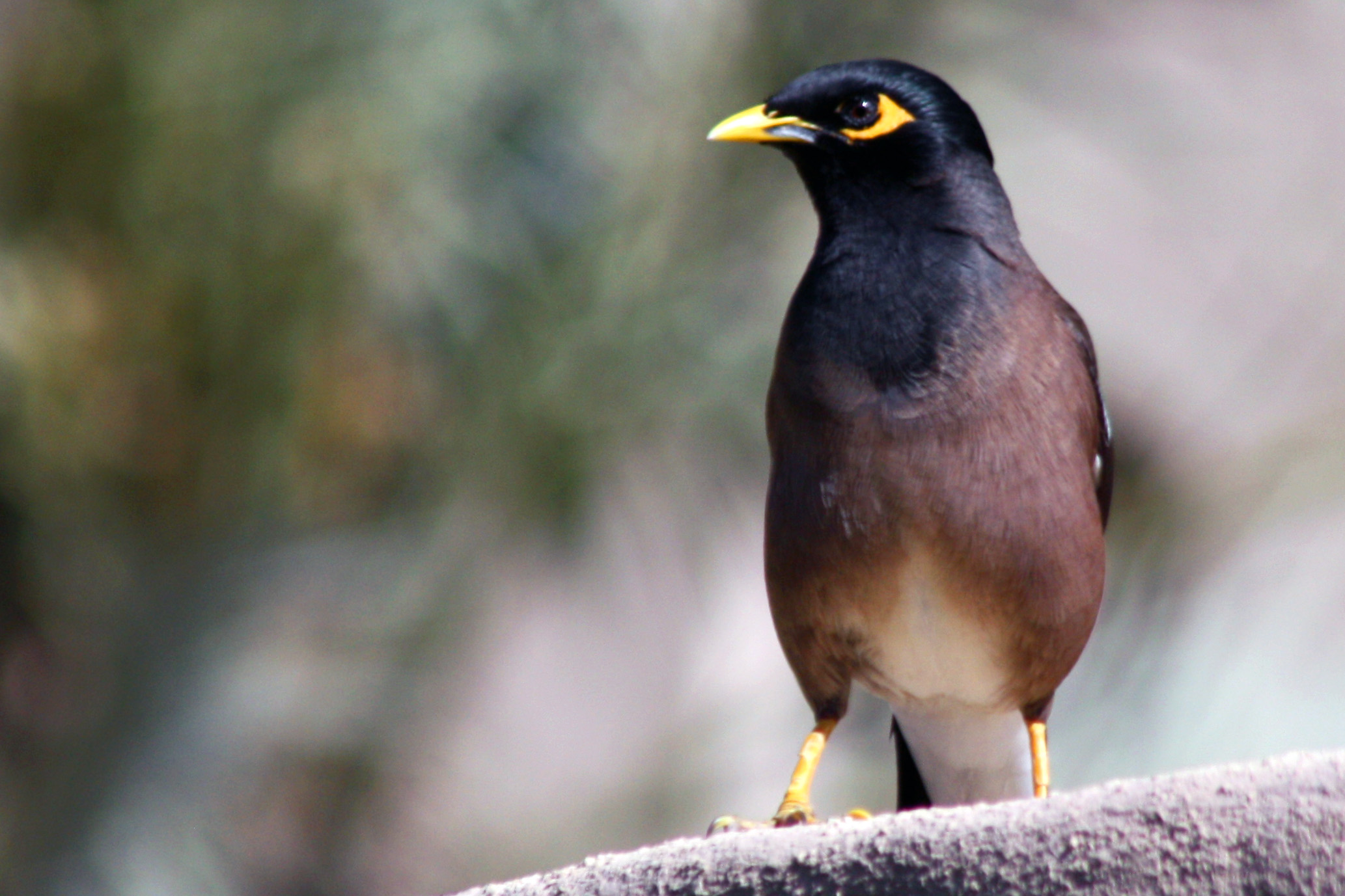
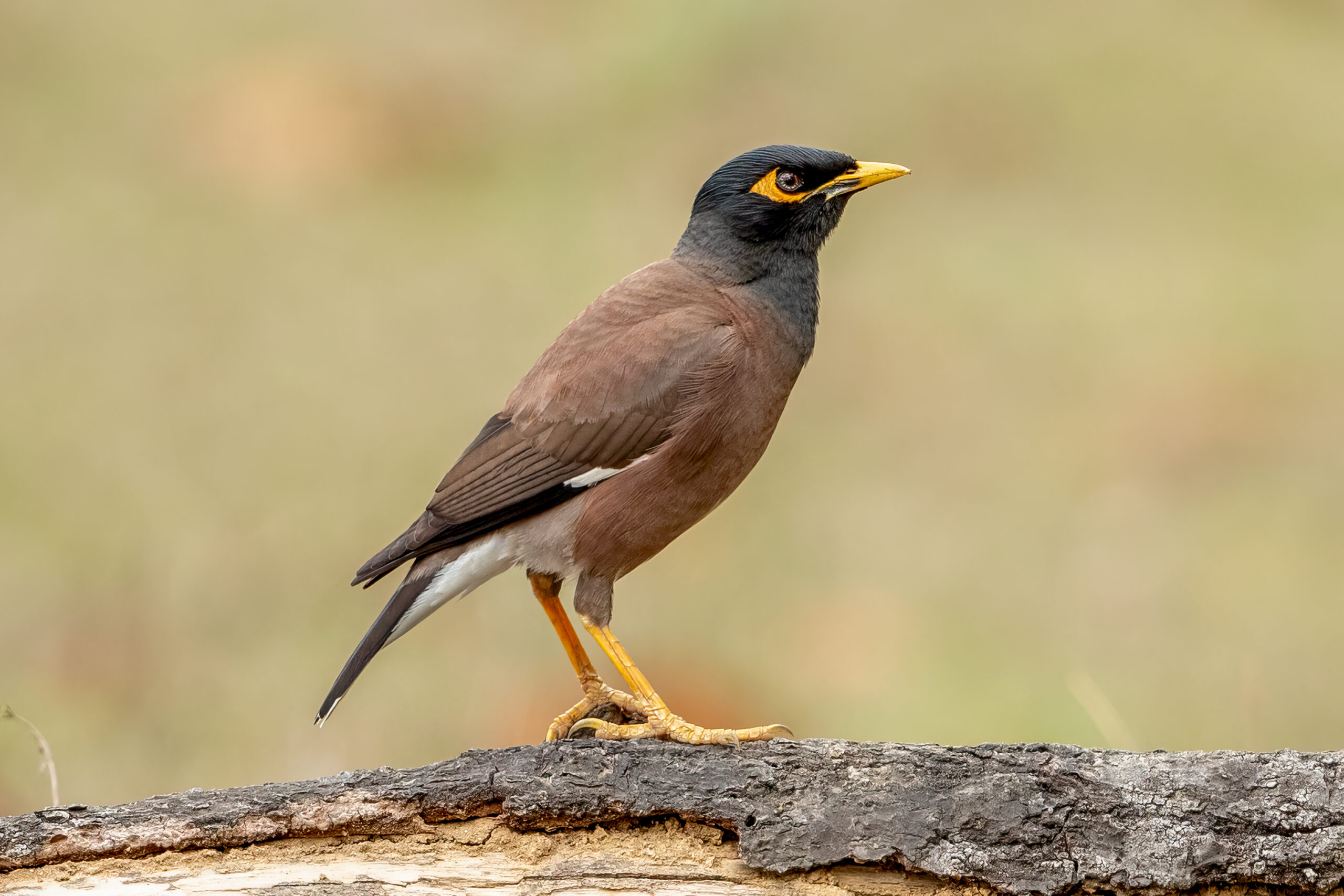
Population genomics revealed two main genetic groups of common mynas (Acridotheres tristis) in Oman: a distinct population in Dhofar and a more connected northern group spanning Muscat, North Batinah and South Sharqiyah. The pattern means that the invasion is not genetically uniform across the country and that birds in the north appear to exchange genes more readily than birds separated from Dhofar by the central desert.
Researchers genotyped 311 mynas from the four governorates. After quality filtering, the main population-genomic dataset contained 17,460 single-nucleotide polymorphisms (SNPs) from 296 birds. A SNP is a DNA position where individuals can carry different nucleotide variants; thousands of such markers can reveal which populations exchange genes and which remain genetically separated.
Dhofar formed a distinct southern genetic group
The strongest genetic break separated Dhofar from the three northern governorates. Muscat, North Batinah and much of South Sharqiyah overlapped genetically, although the northern group still contained internal structure.
The geographic pattern is consistent with Oman’s extensive central desert restricting dispersal and gene flow. Gene flow is the movement of genetic variants between populations when birds disperse and reproduce elsewhere. However, the authors emphasise that another history is possible: Dhofar may have been founded by a separate introduction from a different source population. The current data cannot distinguish conclusively between a separate introduction and divergence that developed after the species had already colonised Oman.
North Batinah had a much larger effective population size
North Batinah stood out in the estimate of effective population size. Its value was 1,973, compared with about 165–300 in the other governorates. Effective population size is not a direct count of birds. It is a genetic measure of how large a population behaves in terms of the individuals that effectively contribute genes to later generations.
The much larger value in North Batinah led the authors to identify it as a possible early invasion source and an important source population within the connected northern system. “Possible” is important: the genomic pattern is consistent with that history but does not reconstruct the original introduction sequence with certainty.
Genetic connectivity changes how local control may work
The northern populations form a connected metapopulation — separate regional populations linked by enough dispersal and reproduction for genes to move among them. The authors argue that reducing mynas in only one northern governorate could therefore be followed by recolonisation from neighbouring areas. They recommend coordinated management across Muscat, North Batinah and South Sharqiyah.
Dhofar presents a different genetic setting. Its separation from the northern populations suggests that local population reduction could be less exposed to rapid replenishment from the north, provided that the barrier remains effective. This is why the study treats Dhofar and northern Oman as different management contexts.
The study also shows what genomic data add beyond ordinary distribution records. Sightings reveal where birds occur; population genomics can show whether those birds belong to connected breeding populations, where dispersal barriers may operate and which populations may contribute disproportionately to future spread. The authors therefore recommend continued genetic monitoring alongside measures that reduce new introductions and human-provided resources used by the invasive mynas.
Genetics & genomics
Related news
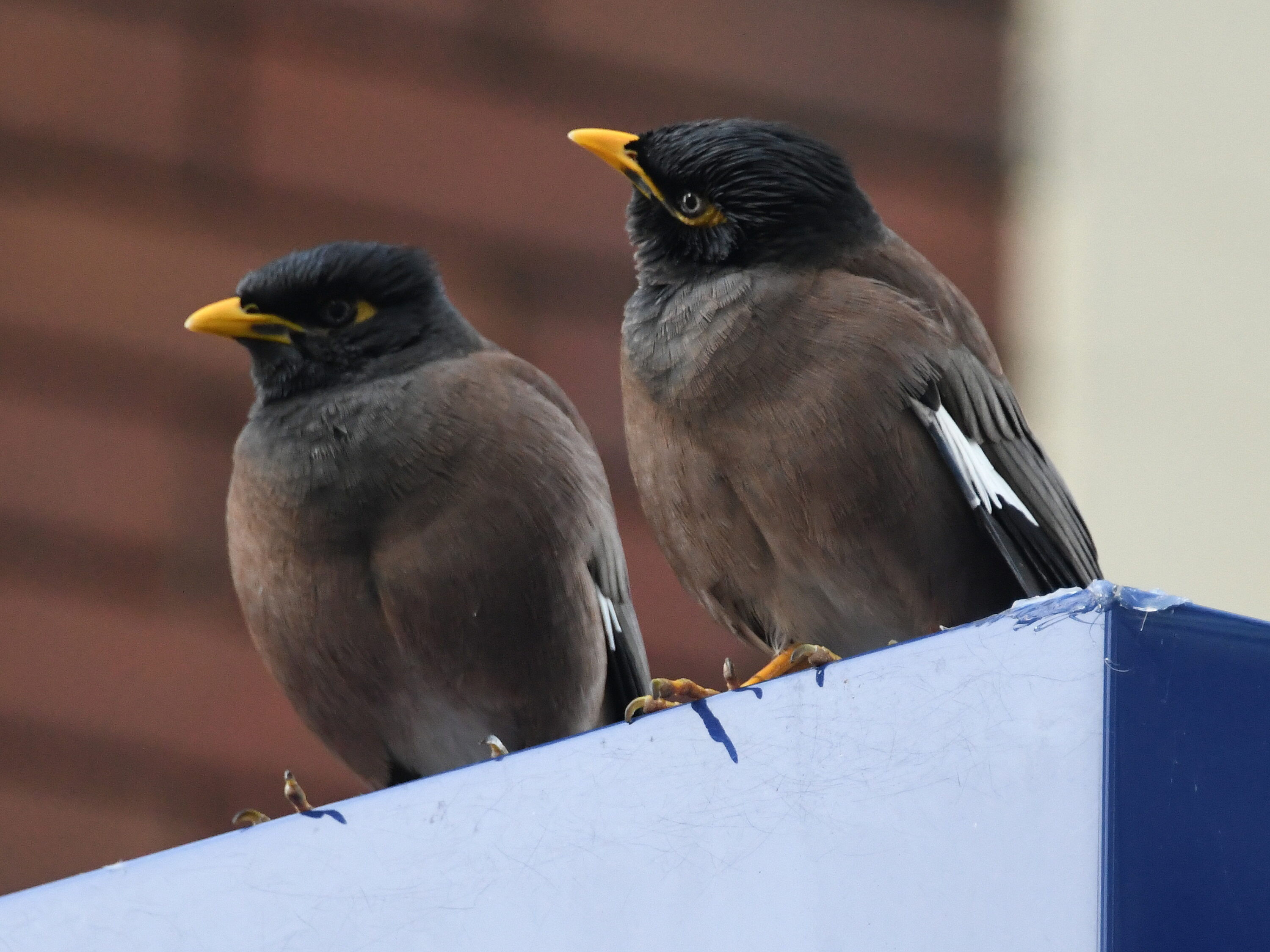
Rail Staff Say Two Common Mynas Regularly Ride Sydney Trains
Two common mynas were filmed sitting calmly inside a Sydney train, while a guard said staff know them…
Read story →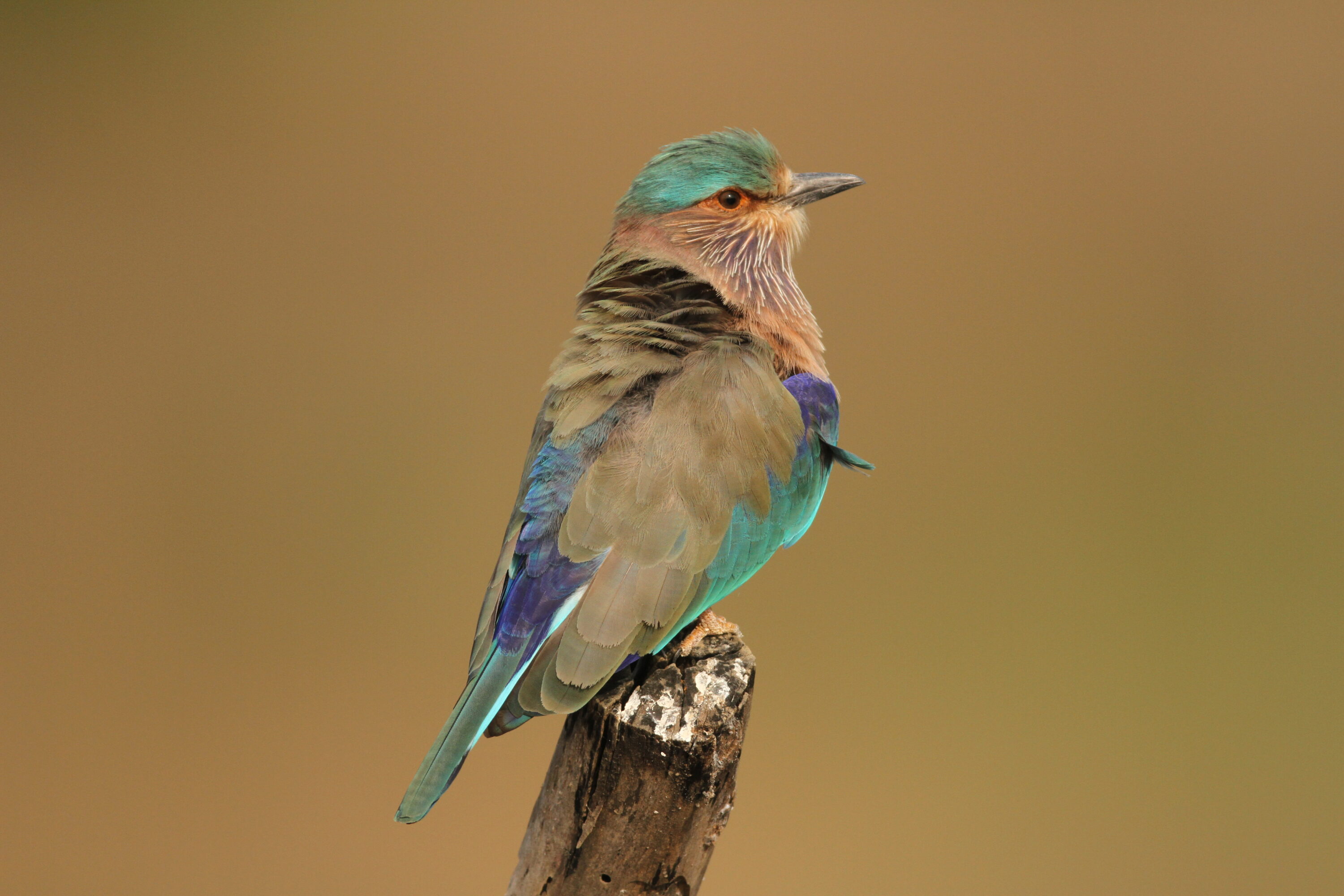
Six Cavity-Nesting Bird Species Bred Successfully in Artificial Nests in Punjab
Punjab Agricultural University reported successful breeding in artificial nests by six cavity-nesting species, including Indian roller, spotted owlet…
Read story →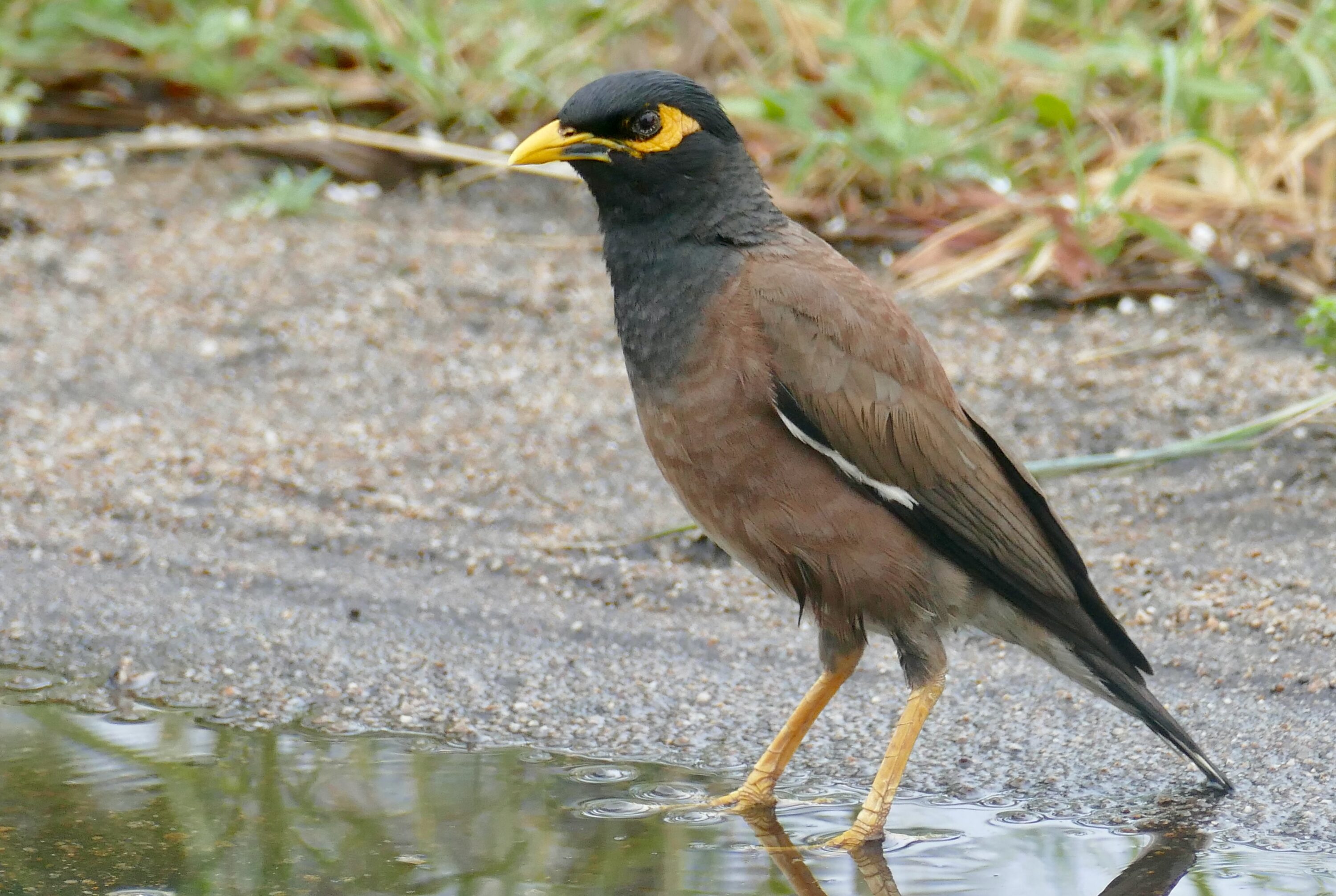
Qatar Captured 12,844 Invasive Common Mynas From January to July
Qatar reported 12,844 common mynas captured from January through July 2026, bringing the project total to 61,999. Control…
Read story →SPECIES IN THIS STORY
Species in this story
Independent research and conservation news archive
Did you find this information useful?
Wildlife Vagabond is independently built and maintained. Voluntary support helps cover source verification, hosting and continued work on research and conservation news.
Support Wildlife VagabondThe news archive will remain freely available.