
278 Records Document Coyote Expansion Into Tropical Mesoamerica
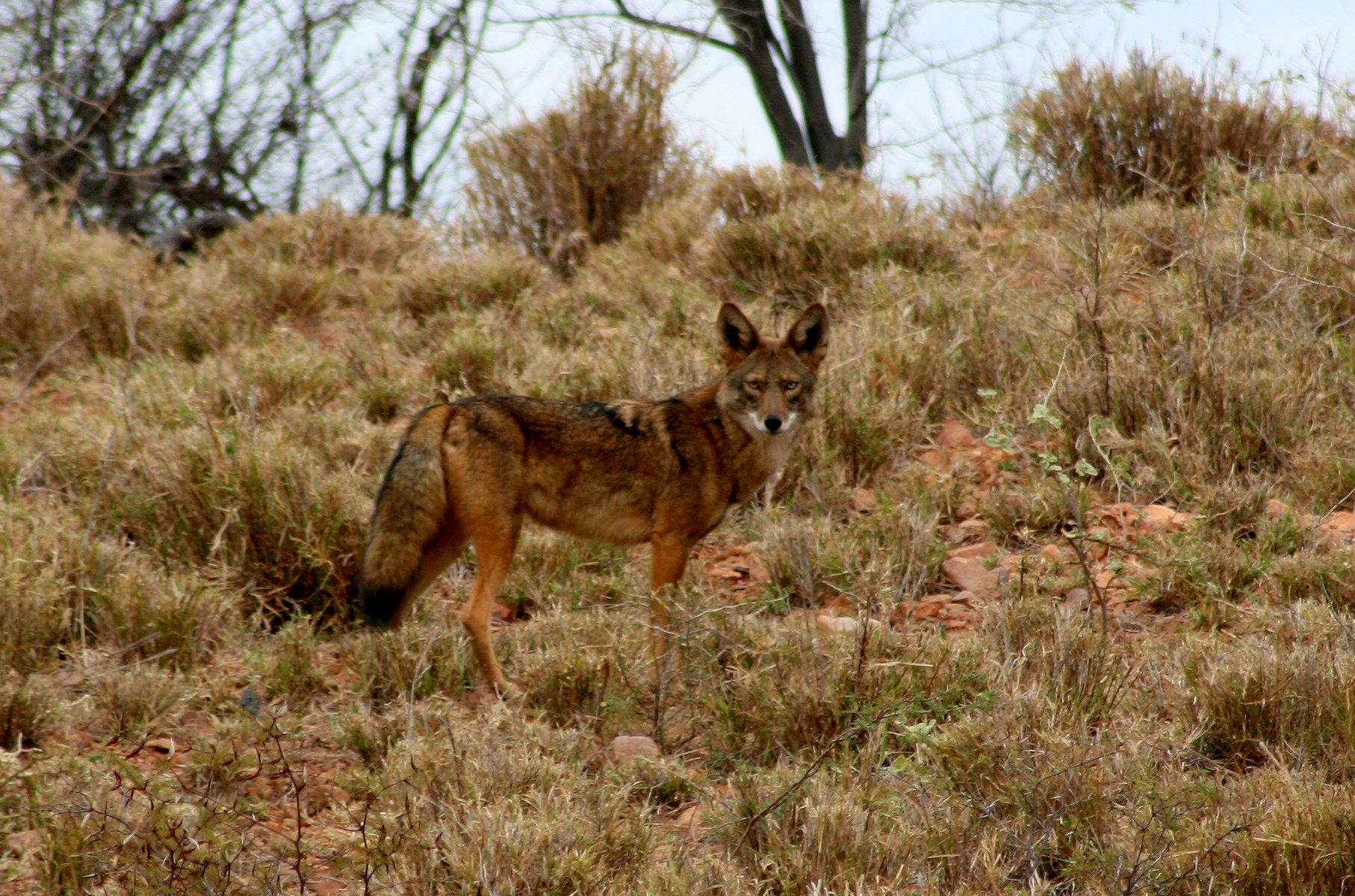
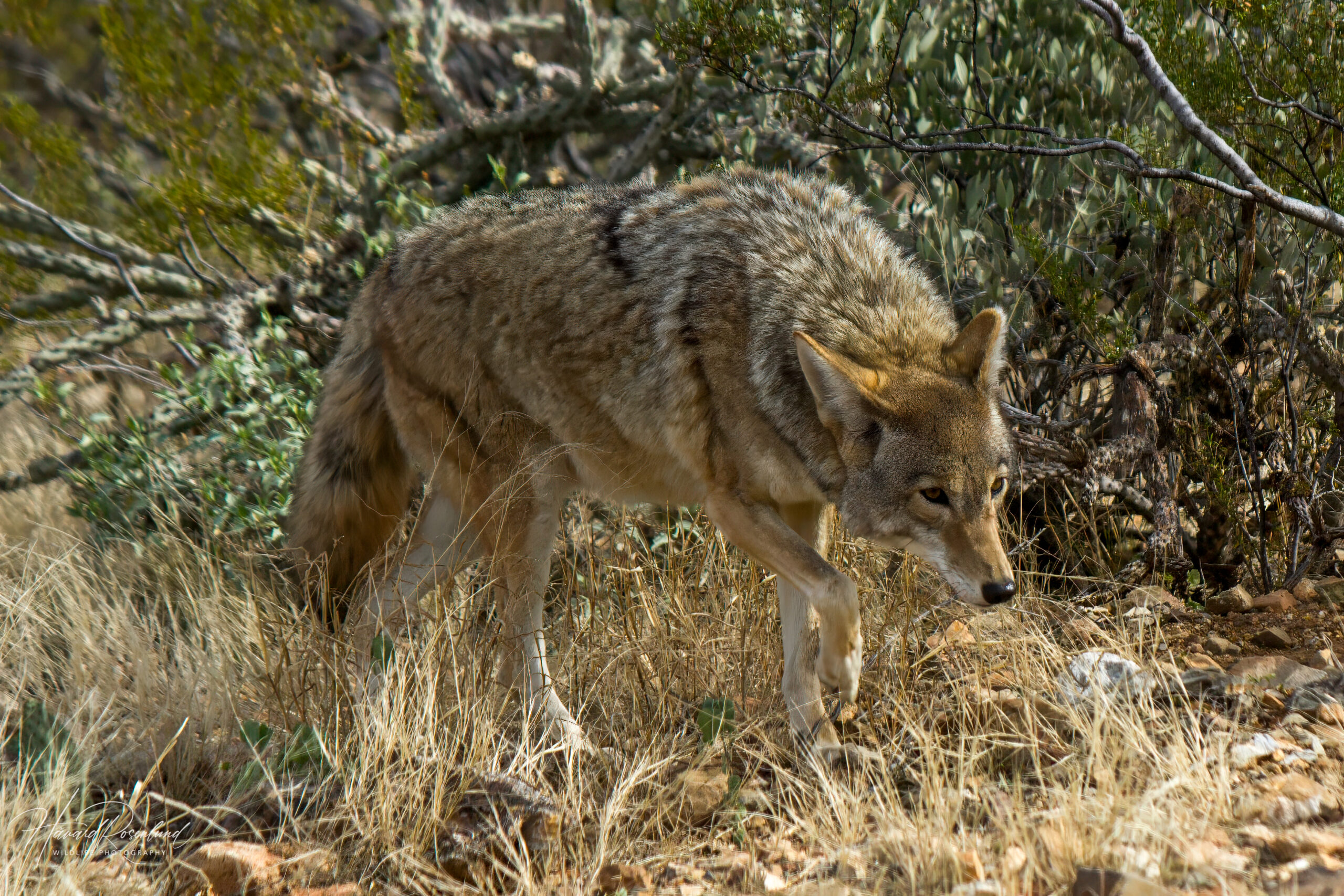
A new study has documented the continuing southward expansion of the coyote (Canis latrans) into tropical Mesoamerica. Researchers compiled 278 records from southeastern Mexico, Guatemala and Belize, including many from areas where the species had not previously been documented. The study was published on 2 March 2026 in Ecology and Evolution.
The researchers combined data from 44 camera-trap surveys conducted between 2012 and 2025 with records from iNaturalist and the Global Biodiversity Information Facility. Of the 278 records, 252 came from camera traps and 26 from the citizen-science databases.
Occurrence probability increased through time
Most camera-trap records were from Mexico, particularly Campeche, while additional records came from Guatemala and Belize. The earliest documented occurrences in the Yucatán Peninsula and Guatemala were from May 2013, and the earliest record in Belize was from July 2017. The combined dataset showed that the probability of coyote occurrence increased through time. Camera-trap effort did not show a corresponding increase across years, so the temporal trend was not explained by systematically greater sampling effort later in the study.
Human-modified landscapes were associated with the expansion
The landscape analysis also revealed a clear association with human modification. Coyotes were more likely to occur in areas with higher values on the Global Human Modification Index, which summarises the degree of human land modification, and in areas with lower vegetation greenness. The authors interpret this pattern as evidence that land-use change is helping the species expand into tropical landscapes at the southern edge of its range.
The new records extend across the Maya Forest region, where coyotes now overlap with large carnivores including jaguars (Panthera onca) and cougars (Puma concolor). The researchers therefore argue that the expansion cannot be explained simply by the absence of apex predators, as has often been proposed for parts of the coyote’s historical expansion in temperate North America.
Ecology
Related news
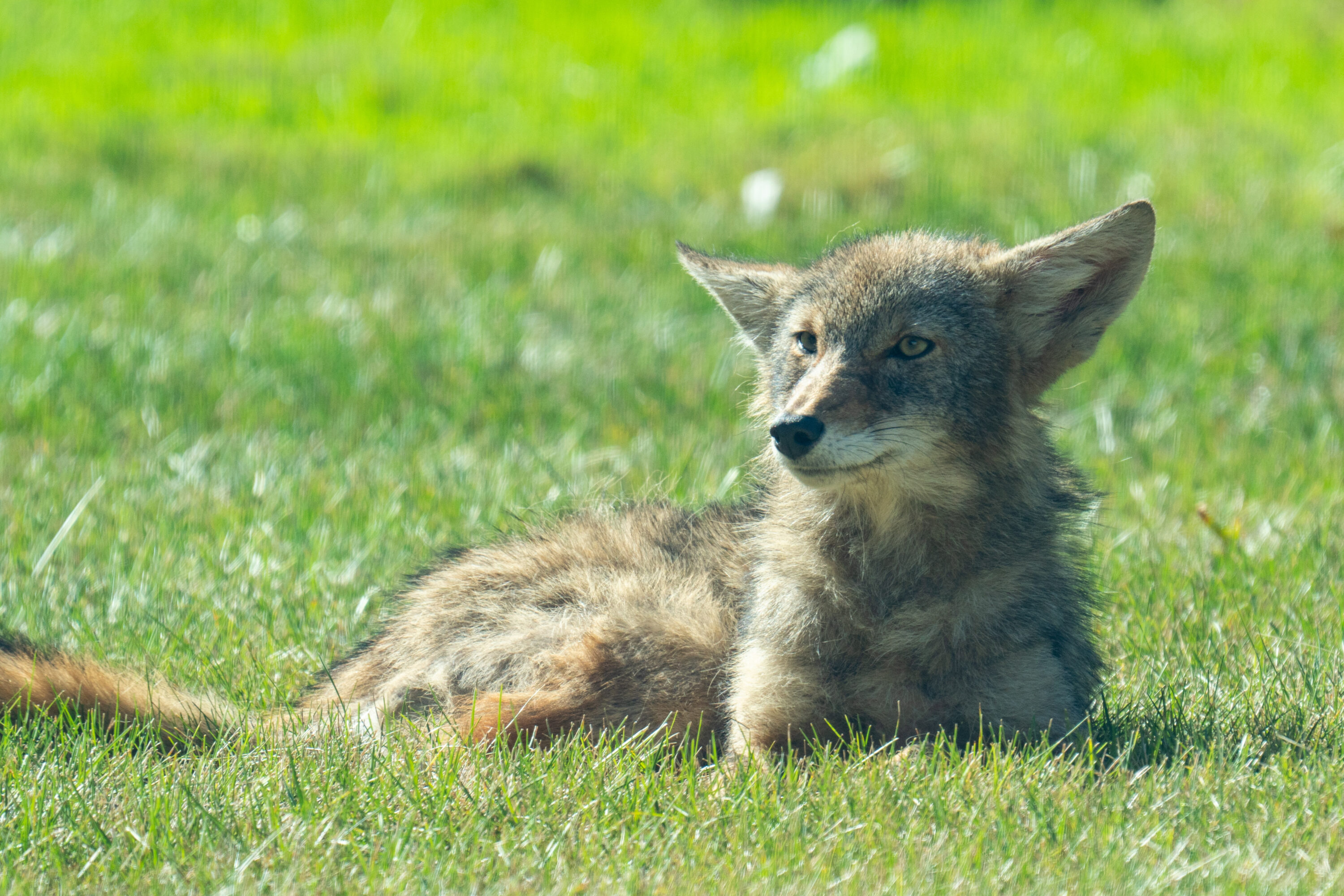
Coyotes Increased Across Illinois Over Four Decades, but County Trends Varied
Four long-running Illinois surveys together showed a statewide coyote increase from 1980–2023, while county-level populations followed more variable…
Read story →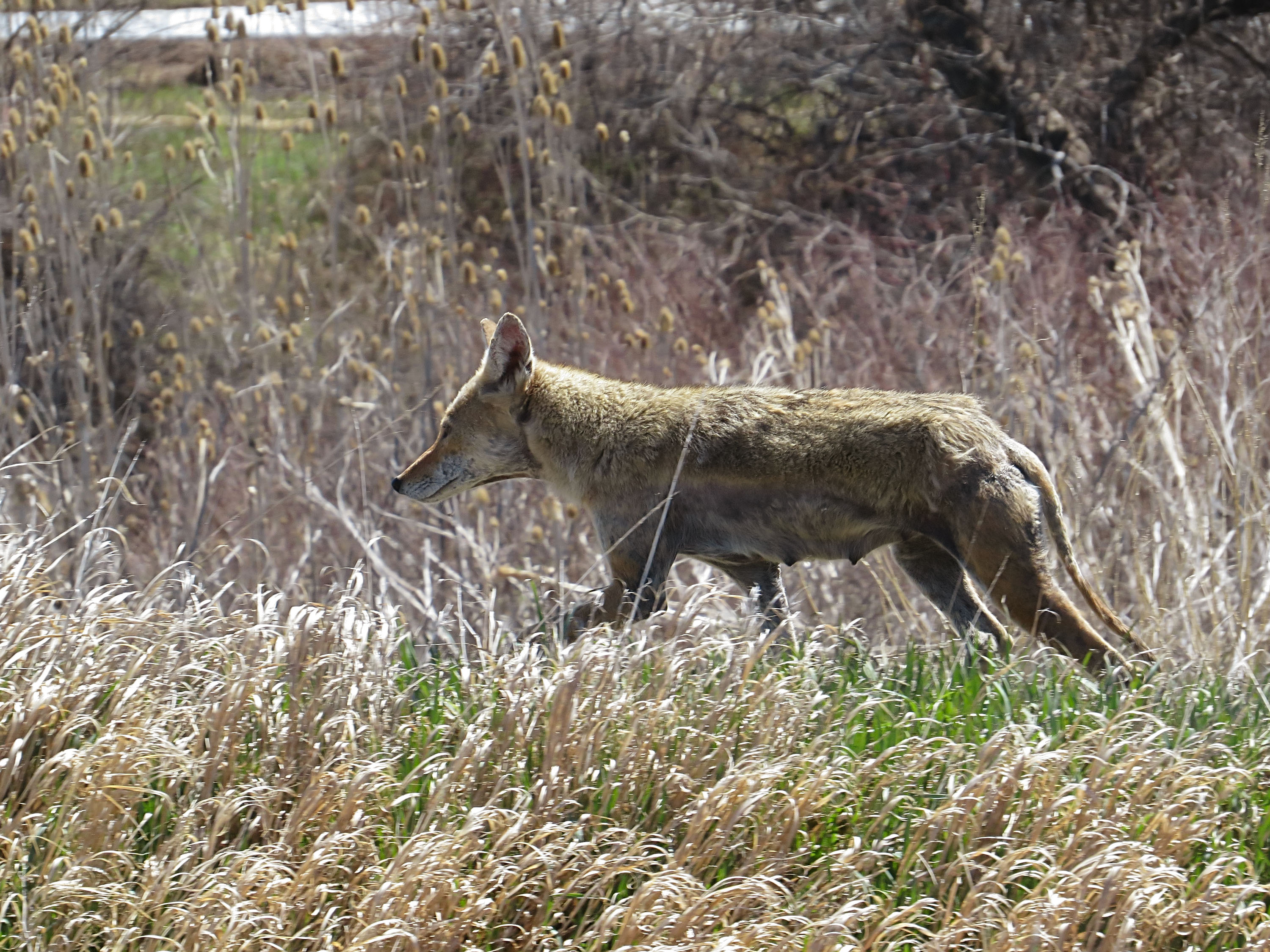
Mange in Coyotes Varied With Urban Density and Habitat Connectivity Across North American Cities
Camera-trap data linked visible mange in coyotes to urban intensity and habitat connectivity at two spatial scales, while…
Read story →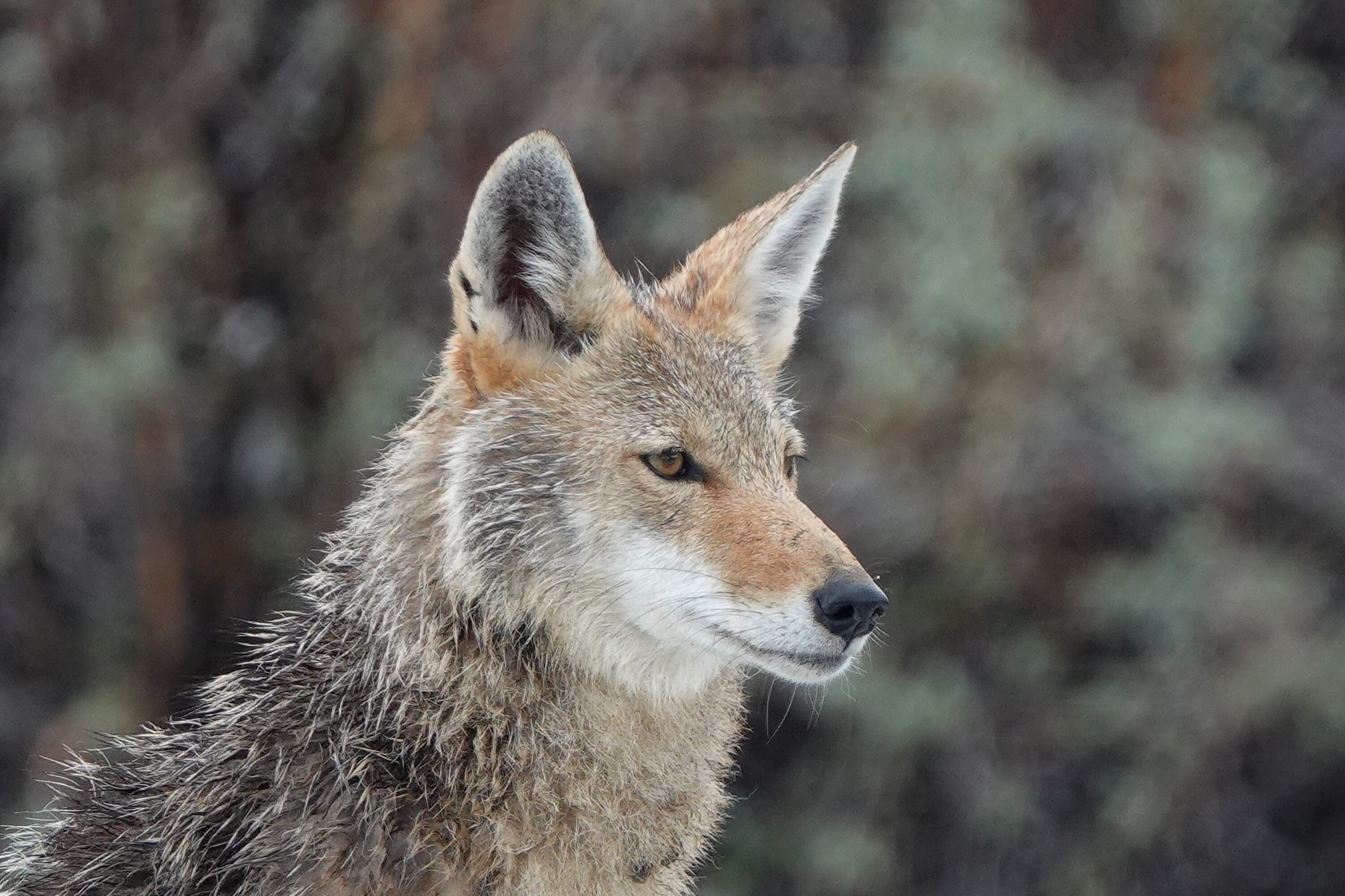
Coyotes Chose Steep Slopes and Stable Soils for Dens in Elk Island National Park
A study of 42 coyote dens in Elk Island National Park found that steep slopes, stable soils and…
Read story →SPECIES IN THIS STORY
Species in this story
Independent research and conservation news archive
Did you find this information useful?
Wildlife Vagabond is independently built and maintained. Voluntary support helps cover source verification, hosting and continued work on research and conservation news.
Support Wildlife VagabondThe news archive will remain freely available.