
Coyotes Chose Steep Slopes and Stable Soils for Dens in Elk Island National Park
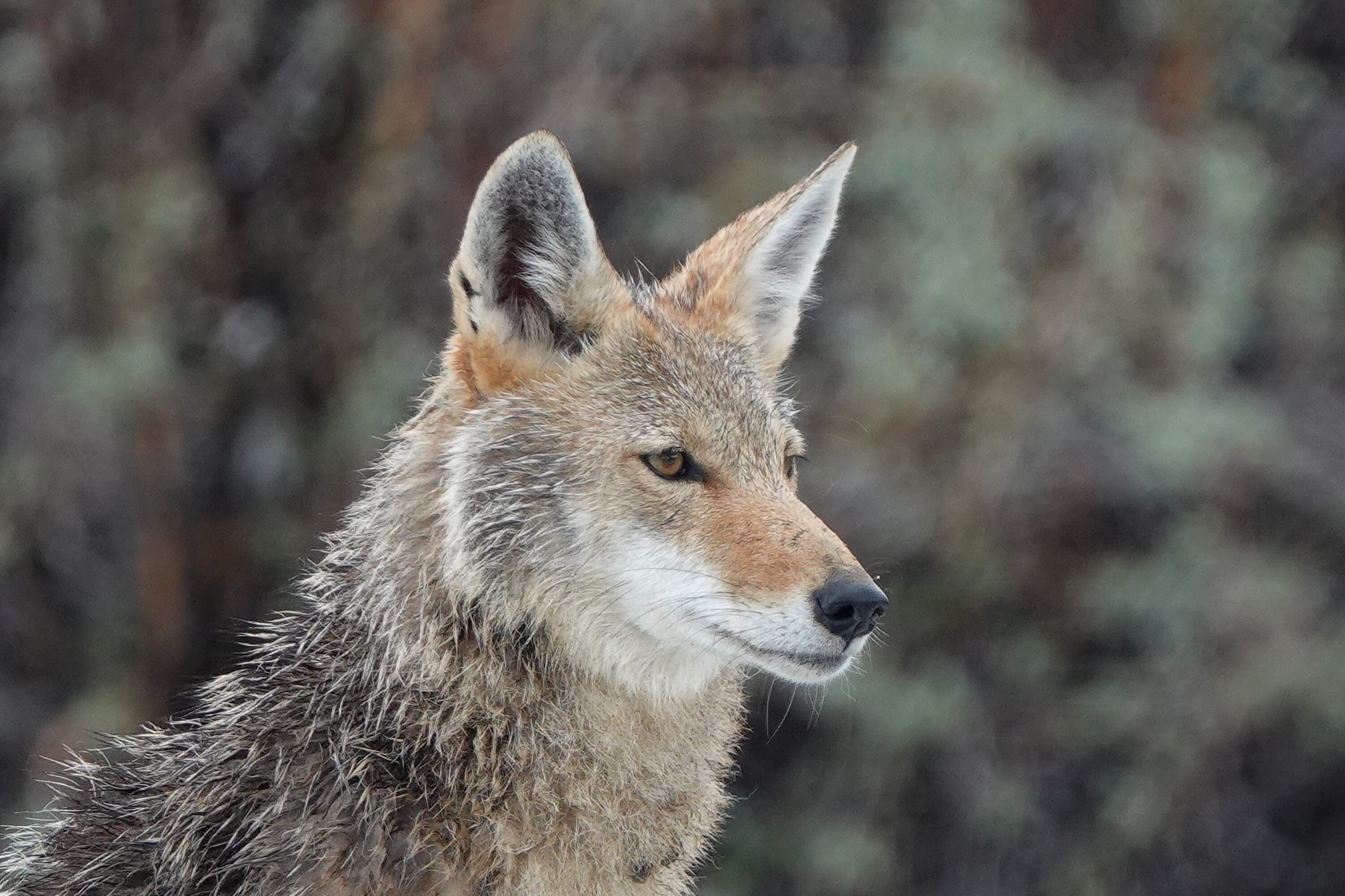
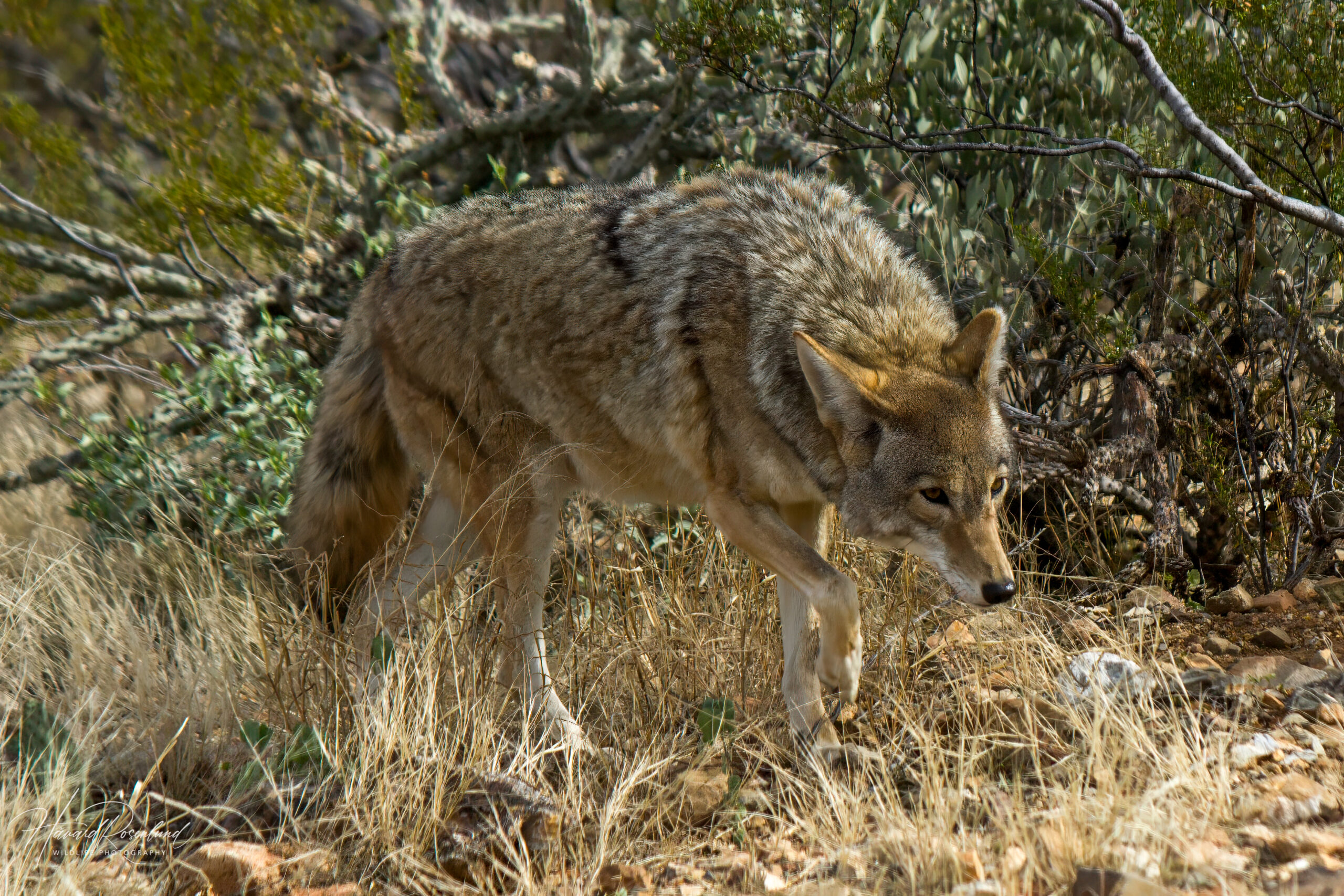
Coyotes (Canis latrans) in Elk Island National Park in Alberta, Canada chose den sites with steep slopes and stable, cohesive soils, according to a study published in the Journal of Mammalogy on 19 August 2026. The pattern points to physical stability and drainage as the strongest fine-scale features shaping den placement in this protected natural area.
The researchers identified 42 dens and compared them with available sites at both the surrounding landscape scale and immediately around each den. Selection was much stronger at the fine scale: coyotes favoured steeper ground and soils that were less prone to collapse.
Fine-scale stability dominated den selection
Structural support was also common. Almost all measured den openings incorporated roots, rocks or existing excavations, and more than half of the dens used abandoned beaver (Castor canadensis) excavations or other old beaver infrastructure. The authors suggest that these persistent structures may provide stable shelter and reduce the work needed to excavate a den.
Food, water and security explained less
At the broader scale, dens were less associated with areas containing much water, which may reduce flooding risk during spring snowmelt. The study found no evidence that coyotes placed dens to gain immediate access to water or open meadow used as indicators of nearby food resources, and evidence for choosing sites primarily for security from people or predators was limited.
The researchers could not confirm that every cavity had been used as a natal den, and they measured den characteristics outside the period when pups are most dependent on the den. Even with that limitation, the results indicate that predictable, fine-scale features that keep dens stable and well drained were the clearest drivers of den-site selection in this population.
Ecology
Related news
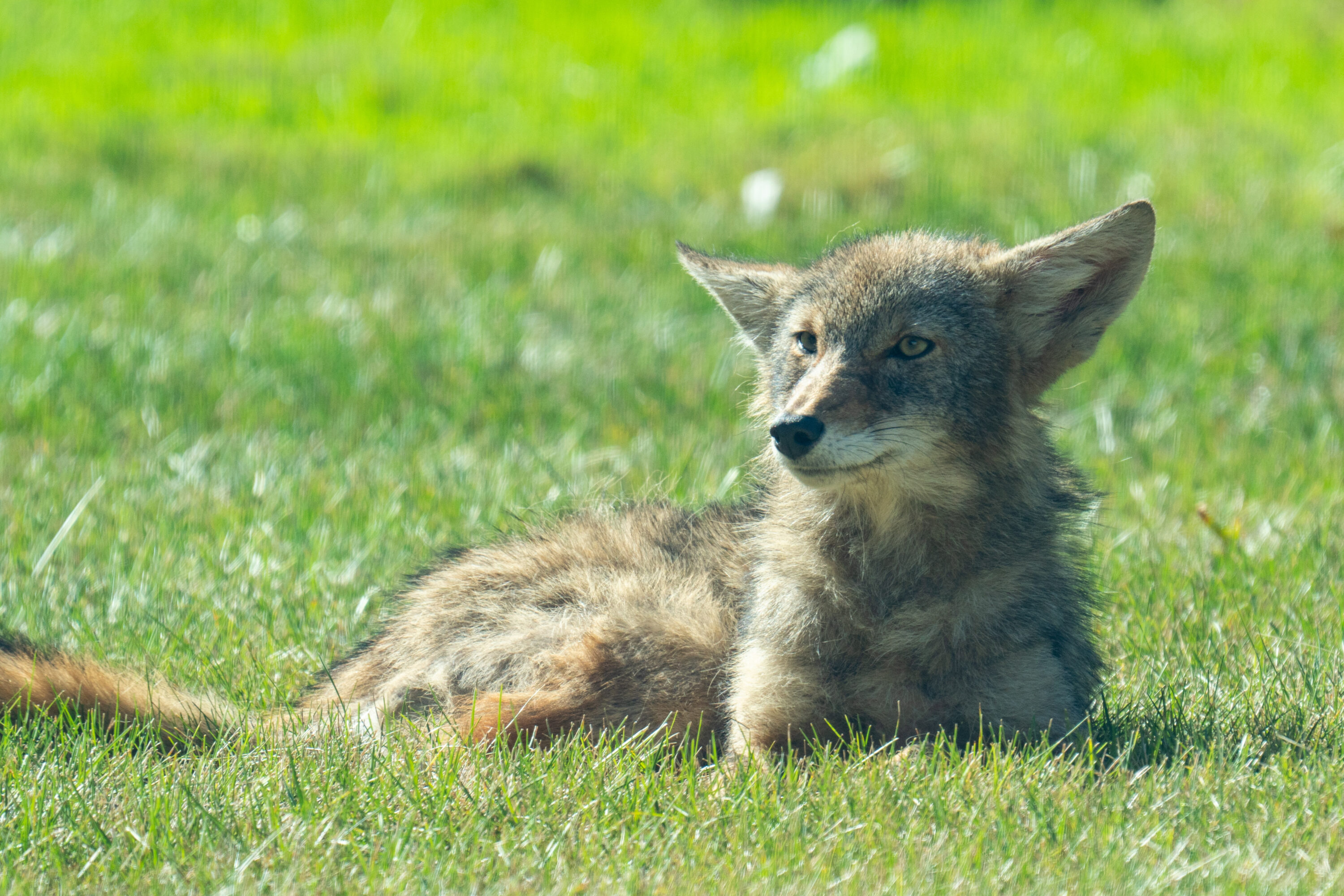
Coyotes Increased Across Illinois Over Four Decades, but County Trends Varied
Four long-running Illinois surveys together showed a statewide coyote increase from 1980–2023, while county-level populations followed more variable…
Read story →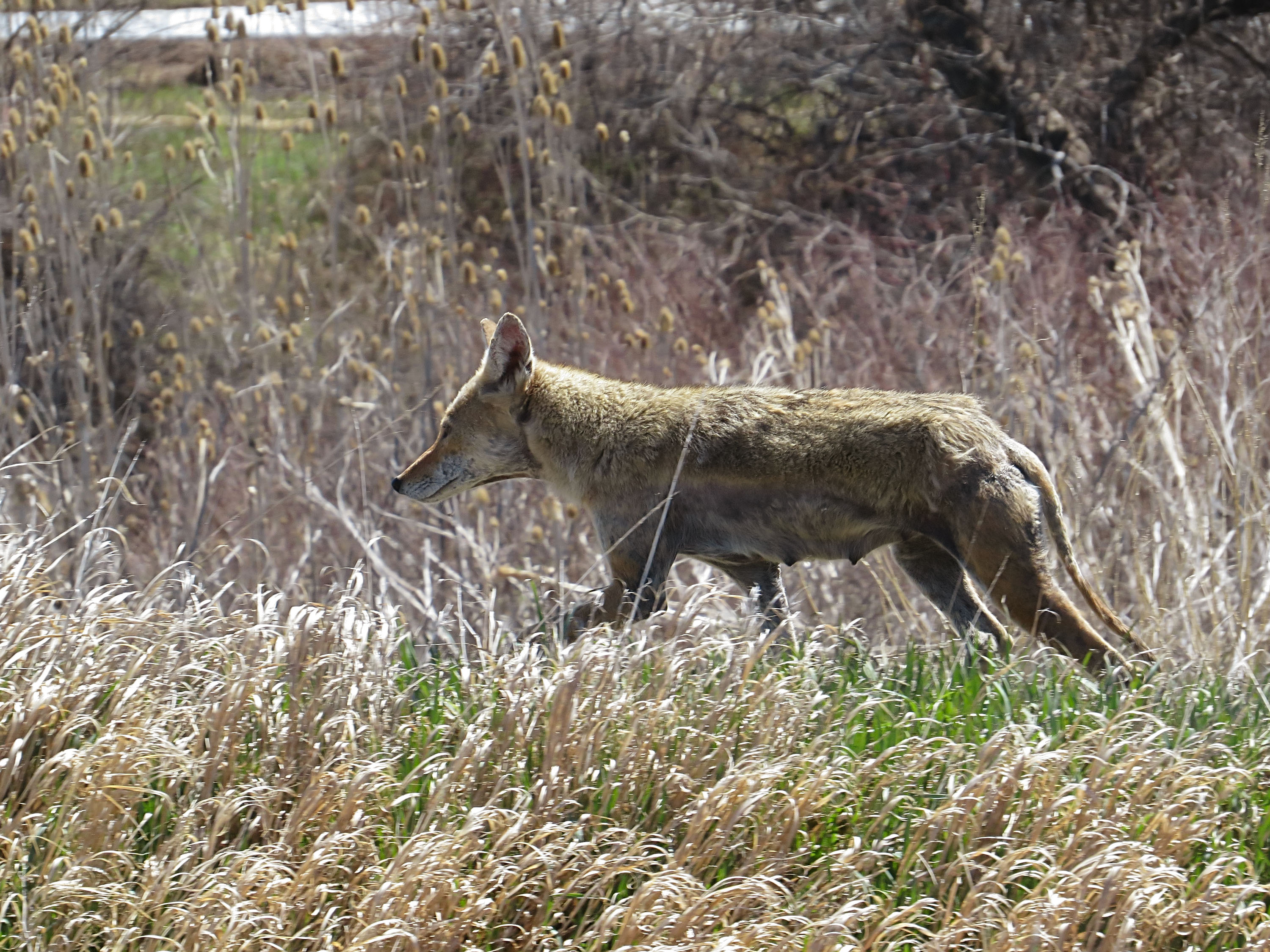
Mange in Coyotes Varied With Urban Density and Habitat Connectivity Across North American Cities
Camera-trap data linked visible mange in coyotes to urban intensity and habitat connectivity at two spatial scales, while…
Read story →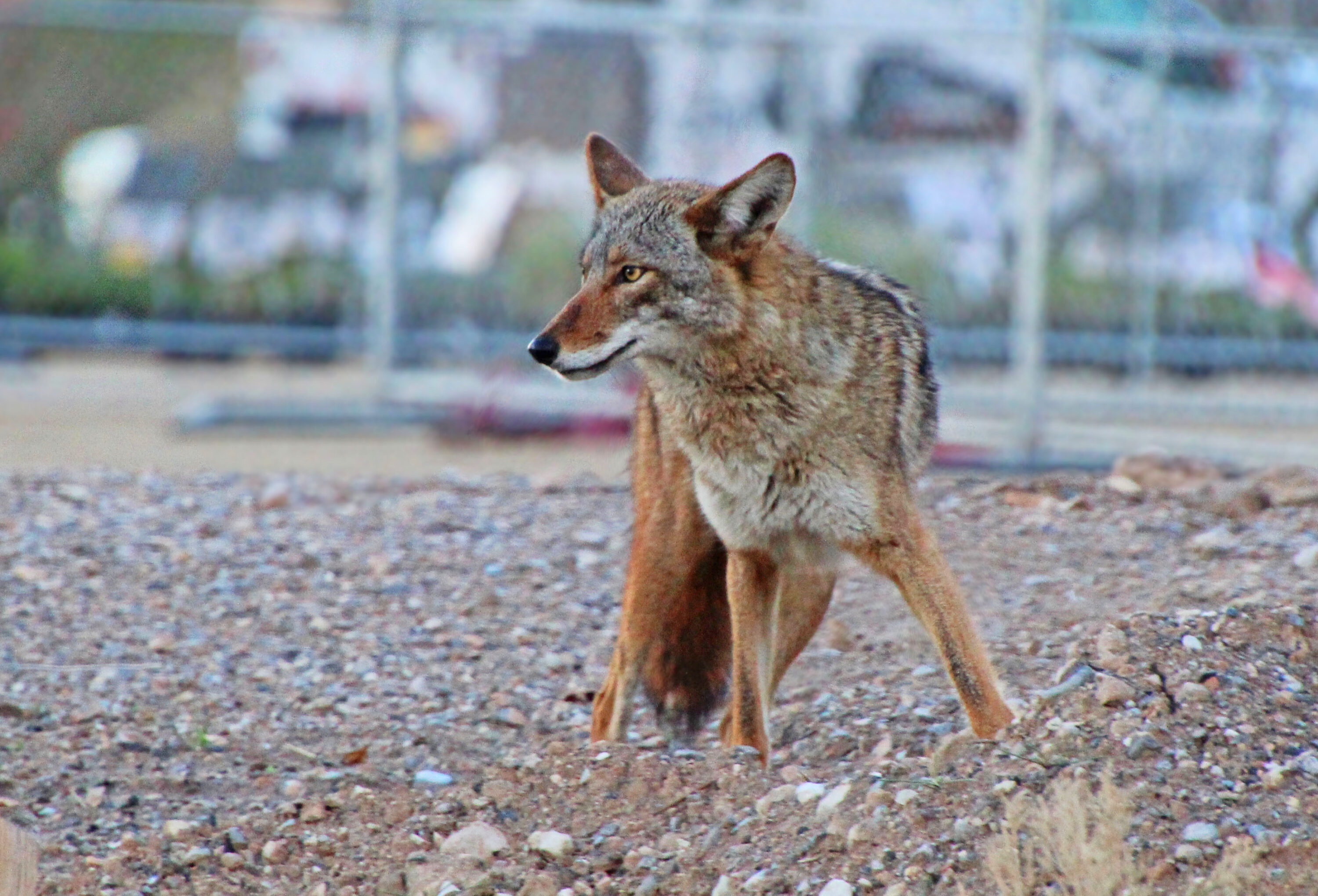
Stanley Park Recorded 108 Aggressive Human–Coyote Encounters in Nine Months
From December 2020 to August 2021, Stanley Park recorded 45 coyote attacks involving bites or scratches and 63…
Read story →SPECIES IN THIS STORY
Species in this story
Independent research and conservation news archive
Did you find this information useful?
Wildlife Vagabond is independently built and maintained. Voluntary support helps cover source verification, hosting and continued work on research and conservation news.
Support Wildlife VagabondThe news archive will remain freely available.