
Mange in Coyotes Varied With Urban Density and Habitat Connectivity Across North American Cities
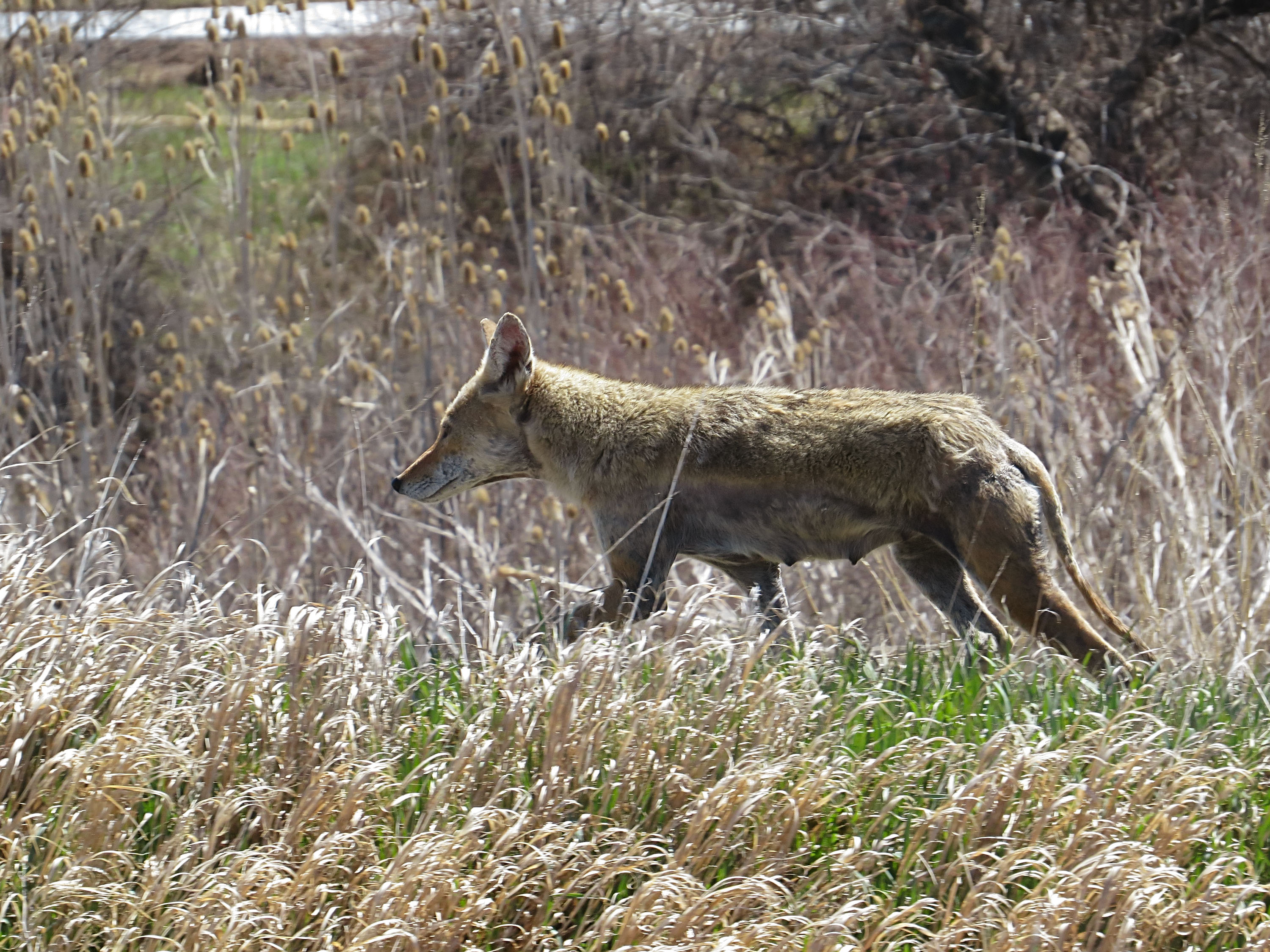
Sarcoptic mange in coyotes (Canis latrans) varied with urban development and habitat connectivity across North American cities, according to a study published in Nature Cities on 19 August 2026. The researchers used camera-trap images to identify visible signs of mange caused by the mite Sarcoptes scabiei.
Habitat connectivity showed opposite patterns at two scales
The pattern differed with spatial scale. Within individual cities, mange was more common at camera sites with greater urban intensity and at sites closer to habitat corridors. Across cities, however, mange was more common where human population density was higher and the city had fewer habitat corridors overall.
The authors interpret the contrast as evidence that connectivity can influence disease in different ways at different scales. Corridors may concentrate animal movement and contact locally, while a city with little connected habitat may confine coyotes to fewer suitable spaces. The study identifies these as associations rather than proof that any single landscape feature directly caused infection.
Models projected higher mange occurrence by 2050
The researchers also combined their disease models with projections of urban growth and climate change. Under those scenarios, the models forecast higher mange occurrence by 2050, especially at northern latitudes, where urban densification and milder winters could alter coyote overlap and the survival of hosts and mites. This is a future projection based on modeled environmental change, not an observed increase.
Because mange produces visible hair loss and skin changes, camera traps can track signs of disease without capturing animals. The study shows how the same monitoring networks used to follow urban wildlife can also reveal broad geographic patterns in wildlife health.
Disease, parasites & microbiology
Related news

Coyotes Increased Across Illinois Over Four Decades, but County Trends Varied
Four long-running Illinois surveys together showed a statewide coyote increase from 1980–2023, while county-level populations followed more variable…
Read story →
Coyotes Chose Steep Slopes and Stable Soils for Dens in Elk Island National Park
A study of 42 coyote dens in Elk Island National Park found that steep slopes, stable soils and…
Read story →
Stanley Park Recorded 108 Aggressive Human–Coyote Encounters in Nine Months
From December 2020 to August 2021, Stanley Park recorded 45 coyote attacks involving bites or scratches and 63…
Read story →SPECIES IN THIS STORY
Species in this story
Independent research and conservation news archive
Did you find this information useful?
Wildlife Vagabond is independently built and maintained. Voluntary support helps cover source verification, hosting and continued work on research and conservation news.
Support Wildlife VagabondThe news archive will remain freely available.