
Earlier-Hatched Black-headed Gull Chicks Survived Better

Black-headed gull chicks that hatched earlier in the breeding season had a higher probability of surviving their first year than later-hatched chicks, even though the later birds had higher body mass, haemoglobin and a stronger measured immune response while still in the colony. The Polish study was published on 17 March 2026.
Researchers measured 530 colour-marked chicks that successfully fledged from four breeding colonies. They recorded size-corrected body mass, blood haemoglobin and a skin-swelling response to phytohaemagglutinin (PHA) as an indicator of immune responsiveness. PHA stimulates local swelling through a combination of innate and acquired immune pathways. Resightings from across Europe were then analysed with capture–recapture models that accounted for incomplete detection.
Earlier hatching predicted higher first-year survival
For reference, the constant model corresponded to an estimated first-year survival probability of 0.28, or about 28%. Survival varied among years, but the best-supported models consistently showed lower survival as hatching date became later.
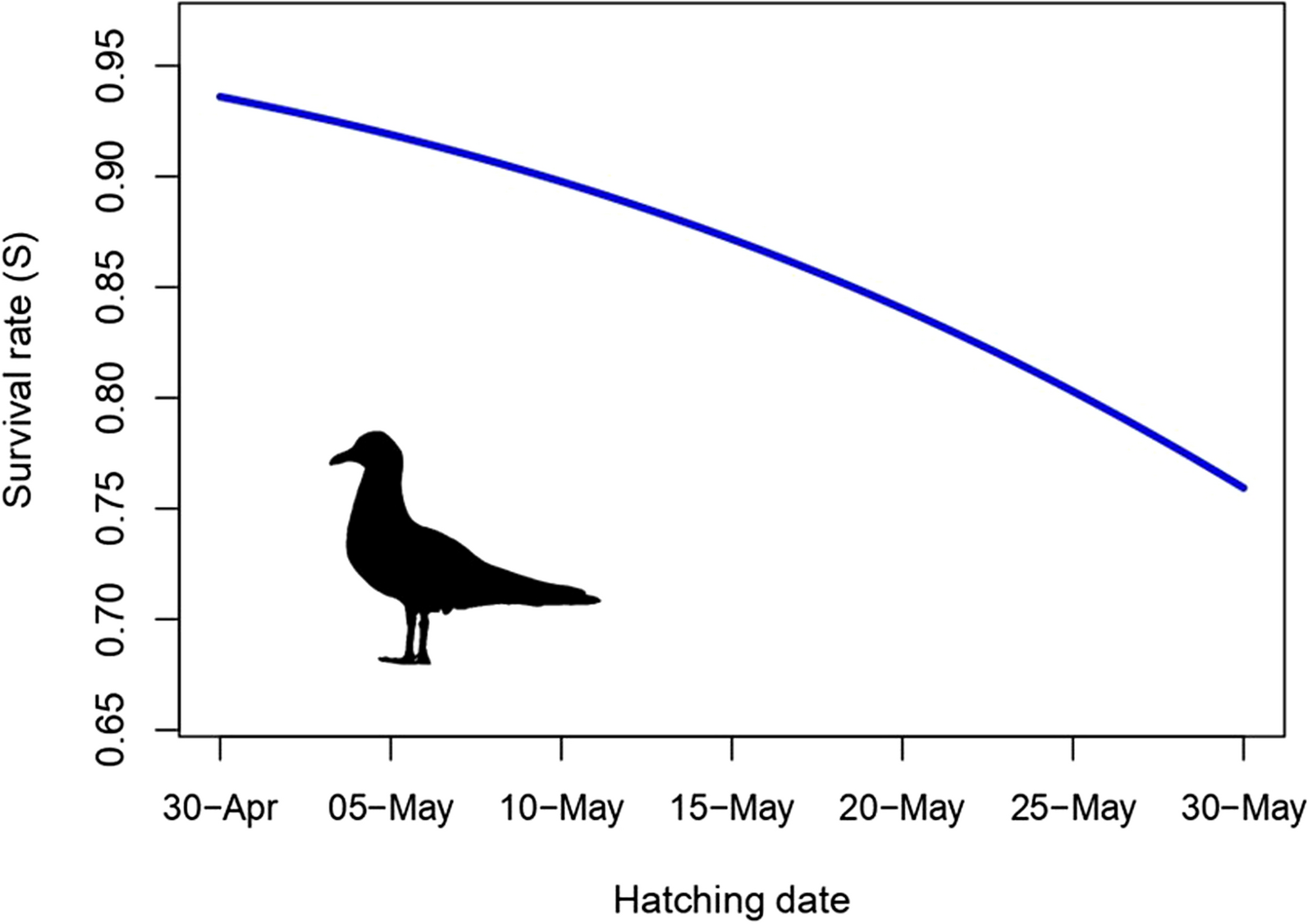
Body condition and PHA response did not improve the survival models. The result therefore separated the timing of hatching from several traits that might otherwise be expected to identify the chicks most likely to survive.
Later chicks were heavier and showed stronger measured immune responses
Later-hatched chicks had higher size-corrected mass, higher haemoglobin concentrations and stronger PHA responses. Those apparent advantages during rearing did not translate into higher post-fledging survival. Earlier chicks showed the opposite combination: lower values for the measured condition traits, but better survival through the first year.
PHA response represents one standardized component of immune responsiveness rather than the whole immune system. The lack of a survival relationship therefore does not show that immunity was unimportant; it shows that this particular early-life measure did not predict first-year survival.
The mechanism behind the hatching-date effect was not measured
The authors suggest that early chicks may become independent closer to a seasonal period of high food availability, but the study did not measure the relevant food peak. Late-hatched chicks may also have less time to develop flight and foraging skills and prepare for their first migration, potentially increasing migration costs and delaying arrival at wintering areas. Parental quality could also contribute if higher-quality adults tend to breed earlier.
Because hatching date was observed rather than experimentally manipulated, the study establishes an association rather than a causal effect of date itself. Within that limitation, hatching date was the strongest measured predictor of first-year survival in these marked black-headed gull chicks.
Ecology
Related news

GPS-Based Models Highlighted the Lower Sumida as a Key Black-headed Gull Corridor in Tokyo
GPS tracking showed that black-headed gulls followed different river features at different movement scales in Tokyo, while GPS-based…
Read story →
Black-headed Gull Sample Yielded the Longest Known Calicivirus Genome
A Hungarian black-headed gull faecal sample yielded an 8,845-nucleotide avian calicivirus genome with unusual RNA structures and enough…
Read story →
New Papillomavirus Genome Identified in Black-headed Gull Faeces in China
Researchers identified the 7,794-base-pair CrPV1 genome in faecal samples from black-headed gulls in Sichuan and found it genetically…
Read story →SPECIES IN THIS STORY
Species in this story

Independent research and conservation news archive
Did you find this information useful?
Wildlife Vagabond is independently built and maintained. Voluntary support helps cover source verification, hosting and continued work on research and conservation news.
Support Wildlife VagabondThe news archive will remain freely available.