
Fallow Deer and Mouflon Shared 69% of Plant Genera in Their Æbelø Diets
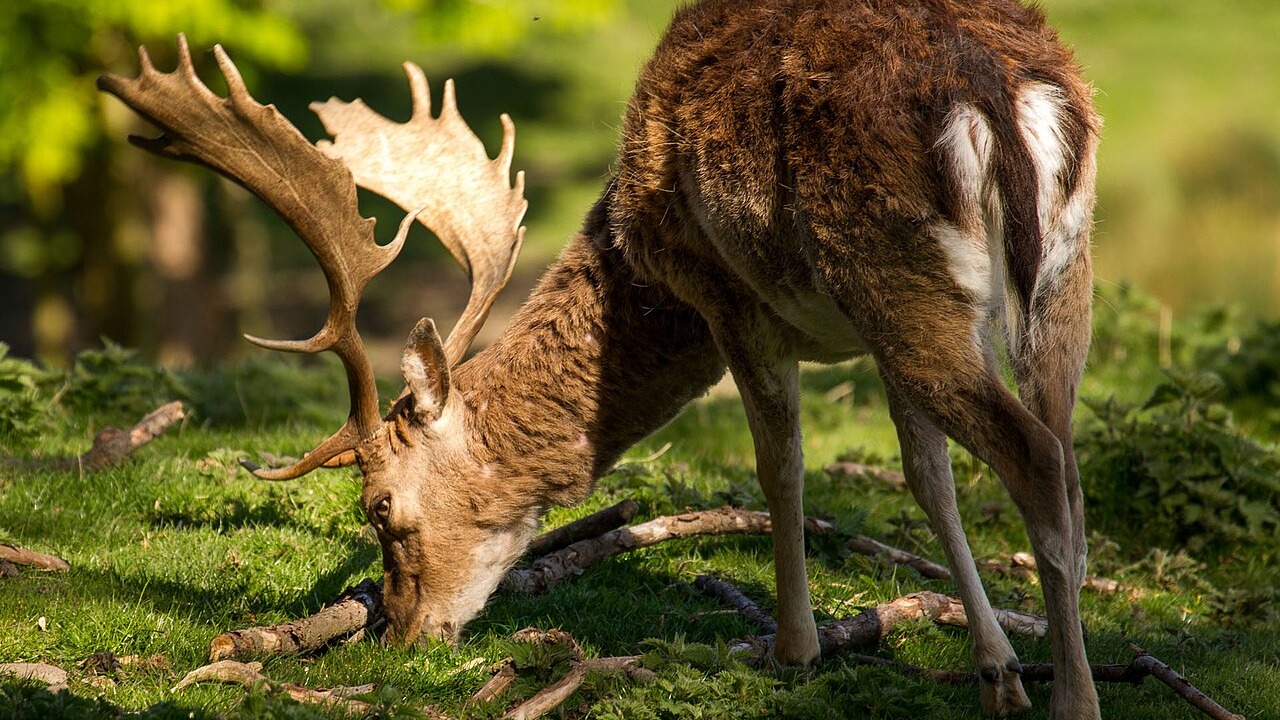
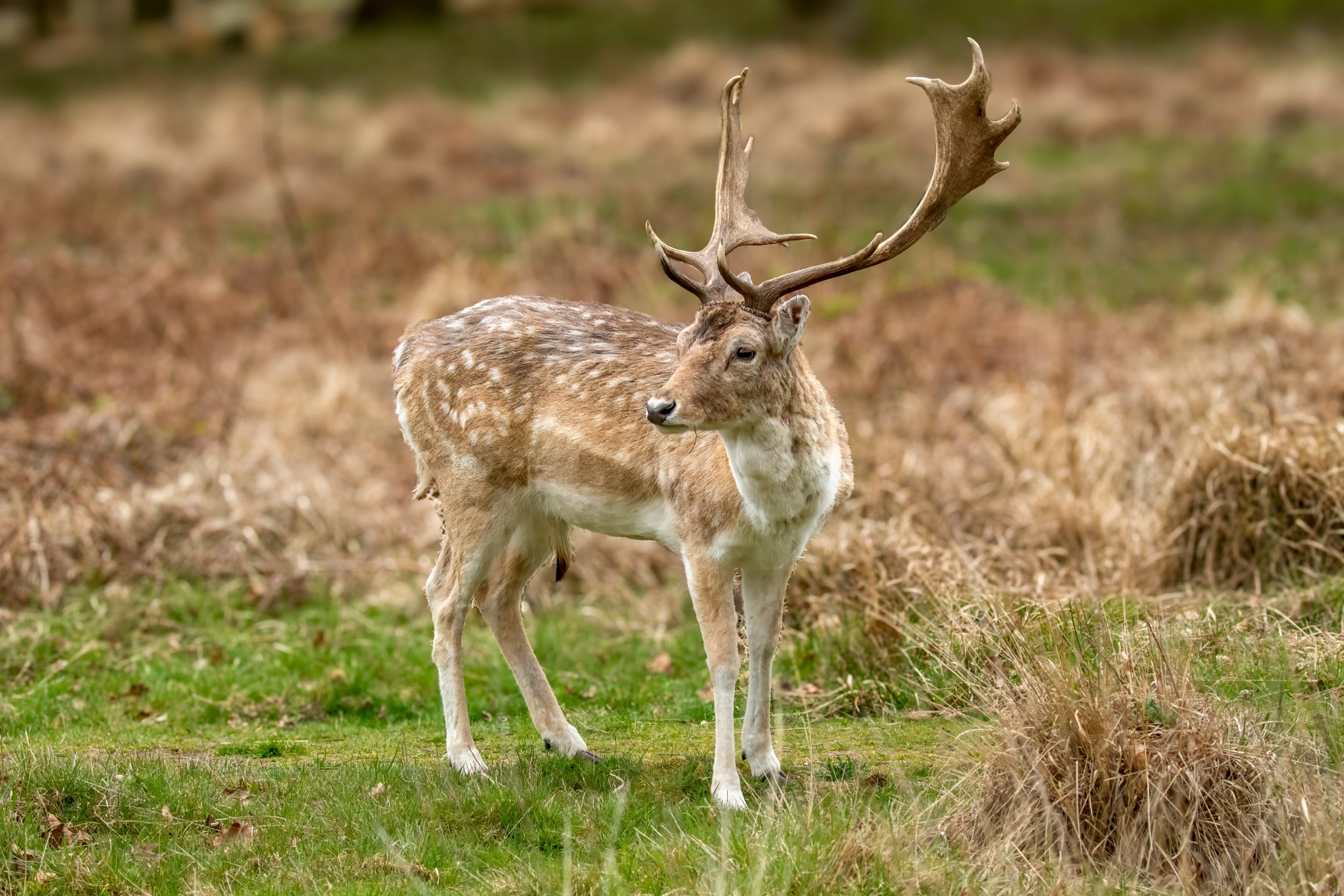
European fallow deer (Dama dama) and mouflon (Ovis gmelini musimon) on the Danish island Æbelø had strongly overlapping diets: 69% of the plant genera detected across the two herbivores were shared between them. This percentage describes overlap in the list of plant genera eaten, not the proportion of food biomass that was identical. DNA metabarcoding identified 83 plant genera in fallow deer diets and 86 in mouflon diets.
Researchers collected faecal samples over 11 months from April 2023 to March 2024 and analysed 191 fallow deer samples and 100 mouflon samples. DNA metabarcoding amplifies short plant-DNA markers remaining in faeces and compares them with reference sequences, allowing researchers to identify which plant taxa have been eaten even when recognizable plant fragments are no longer present. Both species shared a core diet dominated by graminoids. Their diets became more diverse in summer, when woody plants and forbs were detected more frequently, while plant-genus richness was lower in winter.
Comparing the dietary DNA data with vegetation surveys showed that both herbivores fed selectively rather than simply consuming plants in proportion to their availability. In practical terms, plants detected disproportionately often in faecal samples relative to how commonly they occurred in the vegetation were interpreted as being selected more strongly, while under-represented plants appeared to be avoided or used less. Soft grasses, woody plants and several forbs were disproportionately represented in the diets, whereas some coarse graminoids were consumed less than their availability would suggest.
The authors conclude that the combined foraging patterns of fallow deer and mouflon are likely to suppress tree regeneration on Æbelø and favour a shift toward grassland dominated by coarse graminoids, which runs counter to the island’s current restoration goals. The sequencing data show which plant genera occurred in the diet and how often they were detected, but do not directly measure the biomass of each plant consumed. They suggest that a more active management strategy could therefore be considered instead of the present minimum-intervention approach.
Ecology
Related news
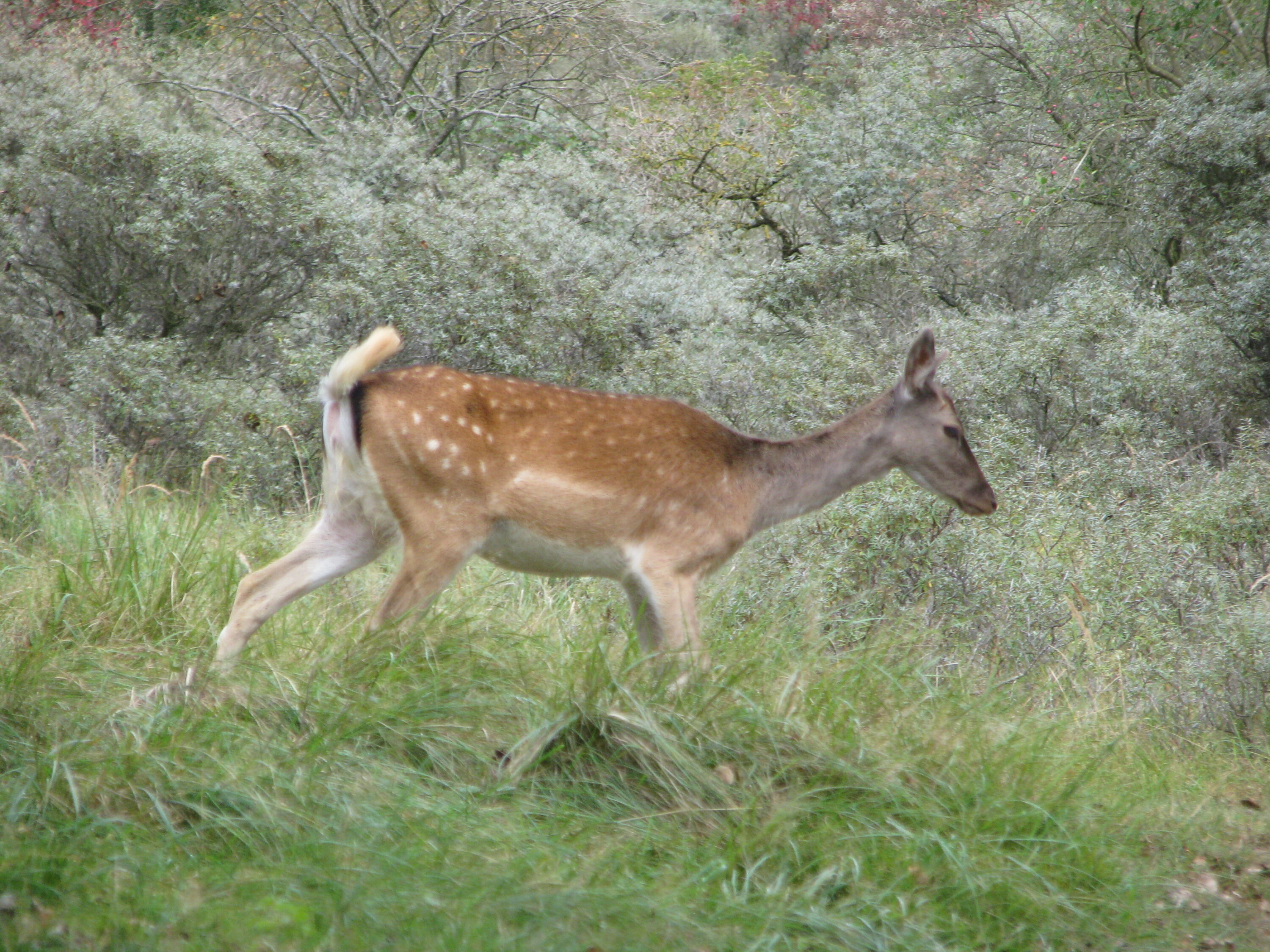
Male and Female Fallow Deer Followed Different Daily Schedules Outside the Rut
In 4,114 sexed camera-trap detections from a Dutch dune reserve, fallow deer favoured twilight and night. Outside the…
Read story →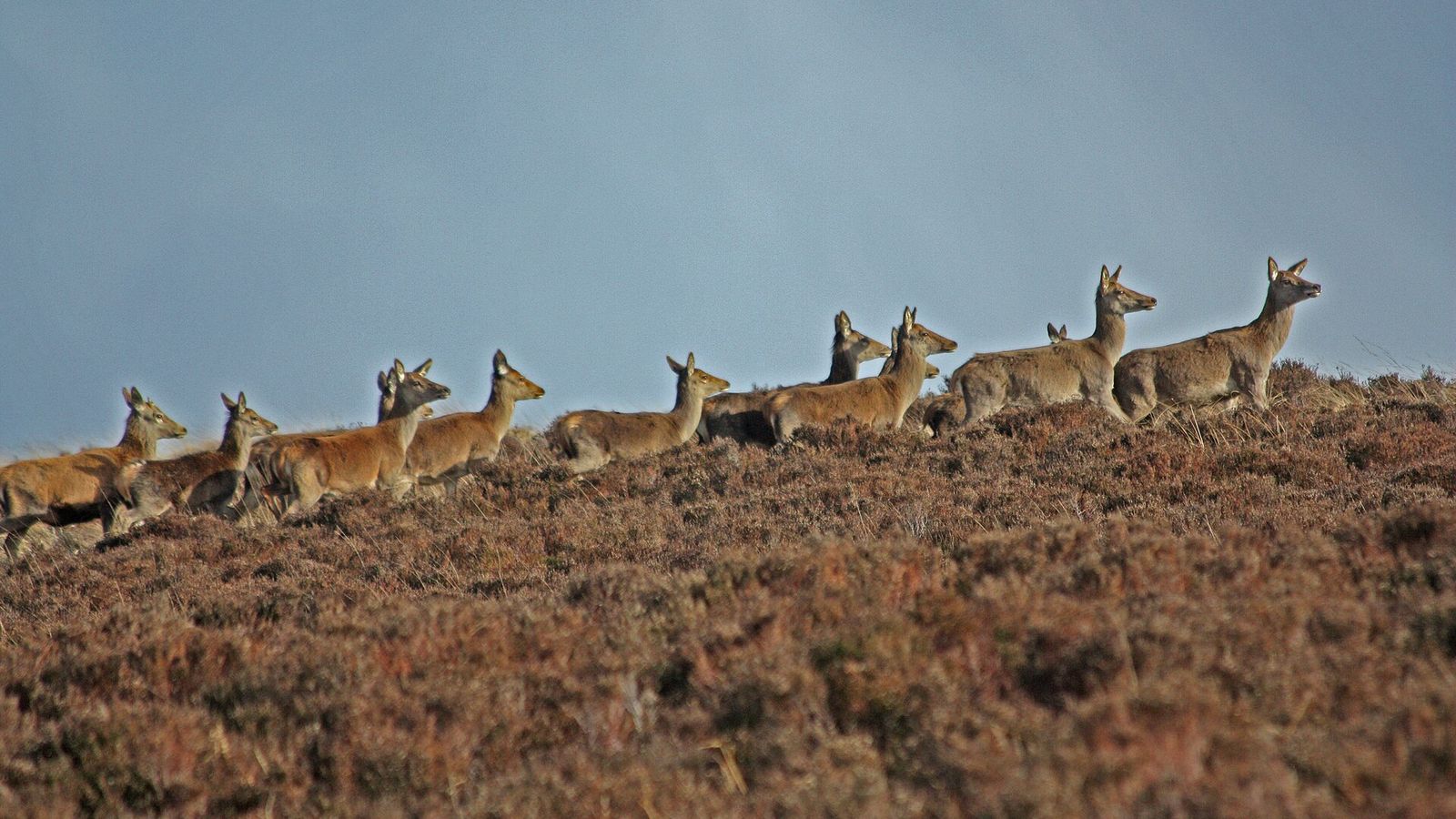
Estimated M. bovis Seroprevalence Was 26.6% in Exmoor Red Deer
A survey of 432 wild deer in the Exmoor area estimated Mycobacterium bovis seroprevalence at 26.6% in red…
Read story →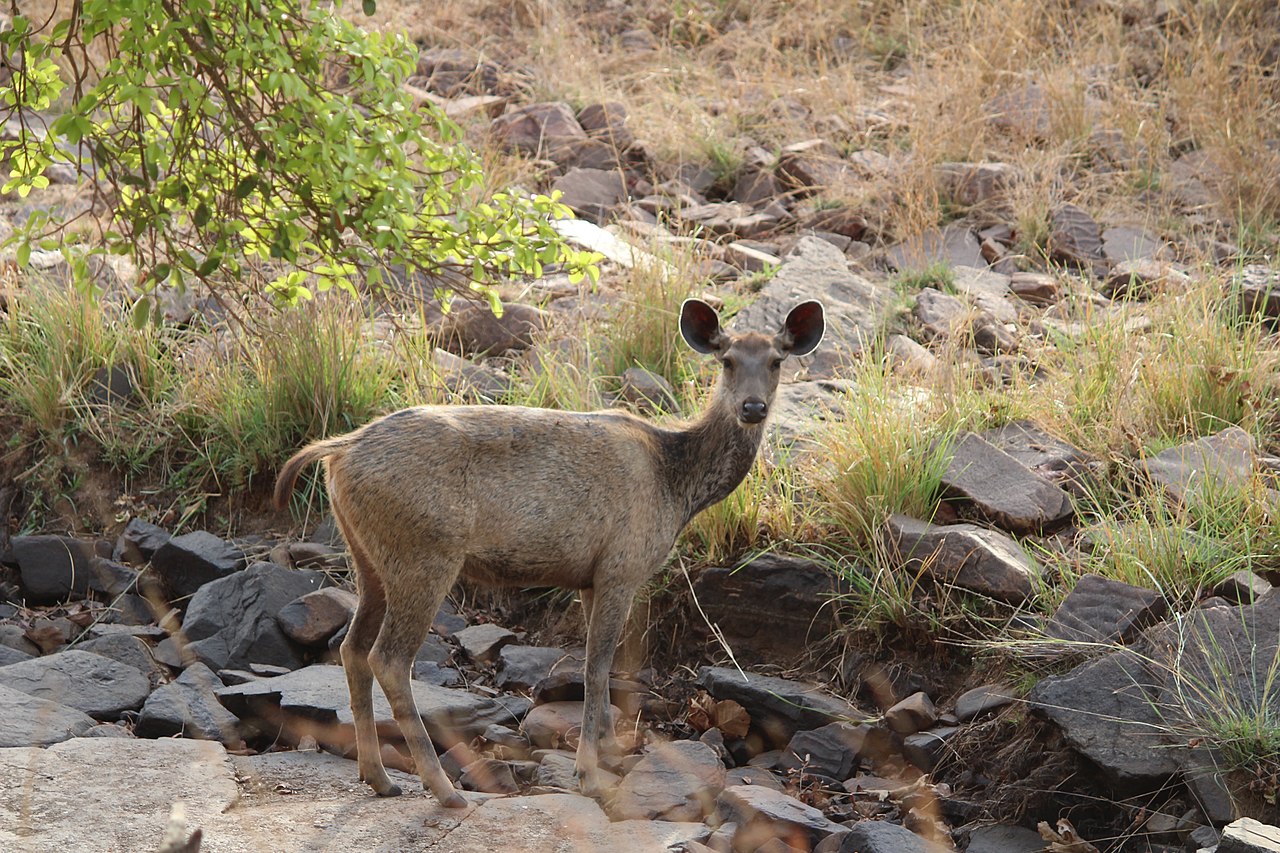
Wild Deer Near Farmland Had Greater Strongyle Diversity in Victoria
Metabarcoding of 194 faecal samples from sambar, fallow and hog deer in Victoria detected 11 strongyle taxa. Deer…
Read story →SPECIES IN THIS STORY
Species in this story
Independent research and conservation news archive
Did you find this information useful?
Wildlife Vagabond is independently built and maintained. Voluntary support helps cover source verification, hosting and continued work on research and conservation news.
Support Wildlife VagabondThe news archive will remain freely available.