
Moving 38 Osprey Chicks Had Little Modelled Effect on French Population Growth
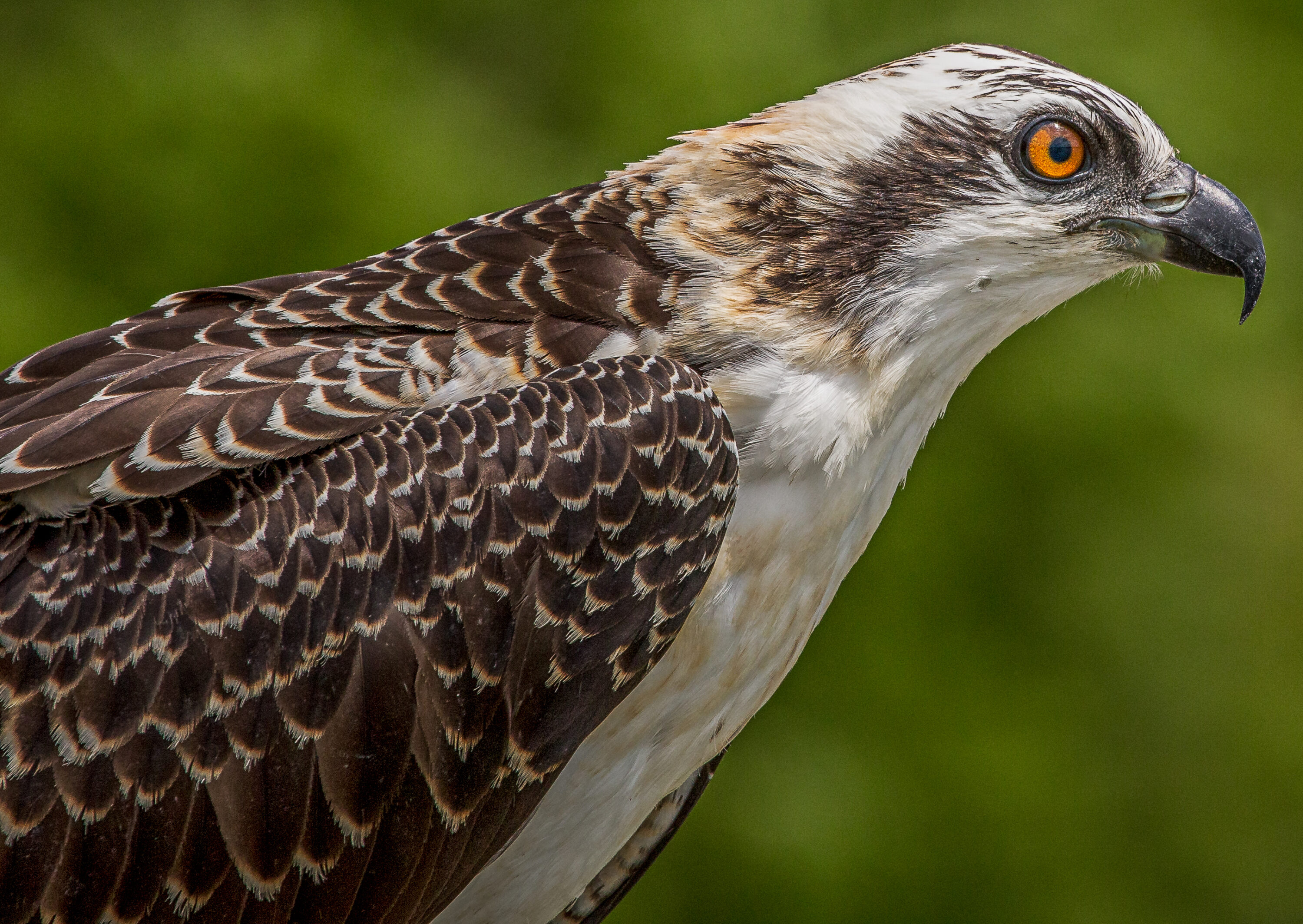
Mainland France’s osprey (Pandion haliaetus) population was still growing in a 30-year demographic study, while removing 38 flightless chicks for a translocation programme had only a small modelled effect on the donor population. The study, published in Ibis on 12 August 2026, estimated that the removals reduced annual population growth by about half a percentage point.
Ospreys disappeared as breeding birds from mainland France in the early 20th century, but natural recolonisation began with one successful pair in 1985. By 2024, researchers recorded 101 territorial pairs, including 83 breeding pairs. The new study combined nest monitoring, colour ringing and resightings from 1995 to 2024 to examine whether the expanding population was viable and how the translocation affected its source population.
The translocation removed 18% of donor-area fledglings over four years
Between 2018 and 2021, 38 chicks were moved from the central French population to Marais d’Orx in Aquitaine. The project used hacking: flightless chicks were taken from wild nests and kept in release aviaries at Marais d’Orx for 9–26 days before release. They represented 18% of the 211 young that fledged from the donor area during those four years. Across the mainland population, the demographic model estimated an annual growth rate of 1.054, equivalent to growth of roughly 5% per year. Survival and reproduction did not differ significantly between the established core and the more recently colonised peripheral area, which the authors interpret as evidence that neither area had yet reached carrying capacity.
The modelled effect on the donor population was small
In the donor population, modelled annual growth was 1.023 with the chick removals and 1.027 in a scenario without them. The difference was 0.005, or about half a percentage point per year. The study also found no statistically significant reduction in survival among translocated birds compared with birds that remained in the wild. However, survival estimates for the translocated birds tended to be lower, but the uncertainty was large enough that a weak effect cannot be ruled out.
Adult survival mattered most for continued growth
Adult survival mattered far more to population growth than short-term changes in reproduction. Estimated annual survival was about 0.87 for birds aged three years and older. In simulations, the population began to decline if adult survival fell by 13%, to below 0.76, whereas reproductive success had to fall by at least 55% to reverse population growth.
Immigration has also contributed to the French recovery, with ringed birds arriving from elsewhere in Europe. If the Aquitaine population becomes established, the authors suggest it could form a new population centre linking northern European ospreys more closely with populations on the Iberian Peninsula. The French results therefore support carefully limited translocation from a growing source population while also showing that continued recovery depends most strongly on high adult survival.
Reintroductions & translocations
Related news
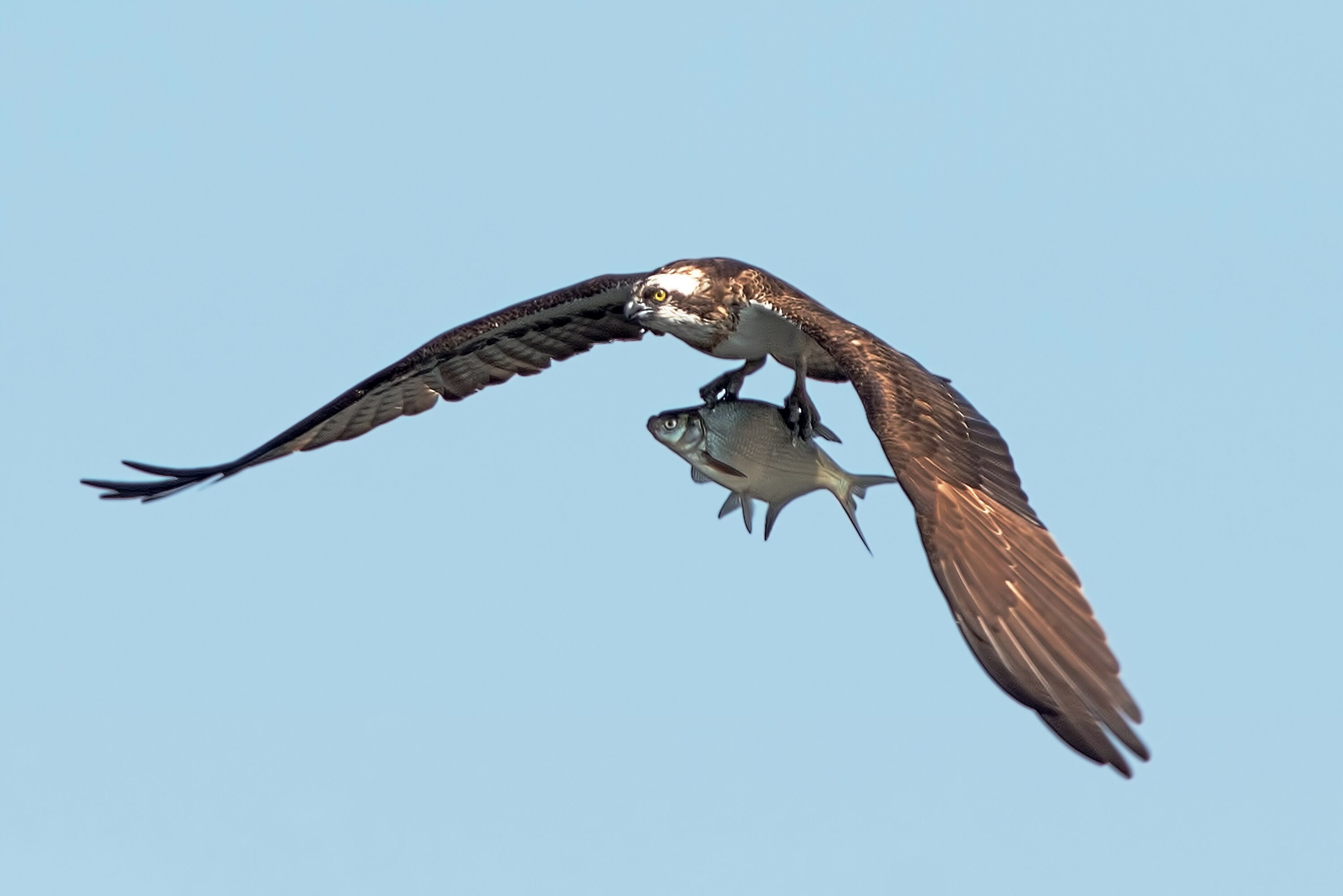
VKM: Exporting Up to 26 Osprey Young to Ireland Would Not Harm Conservation Status in Norway
VKM concluded that exporting up to 26 wild young ospreys from two Norwegian donor areas to Ireland would…
Read story →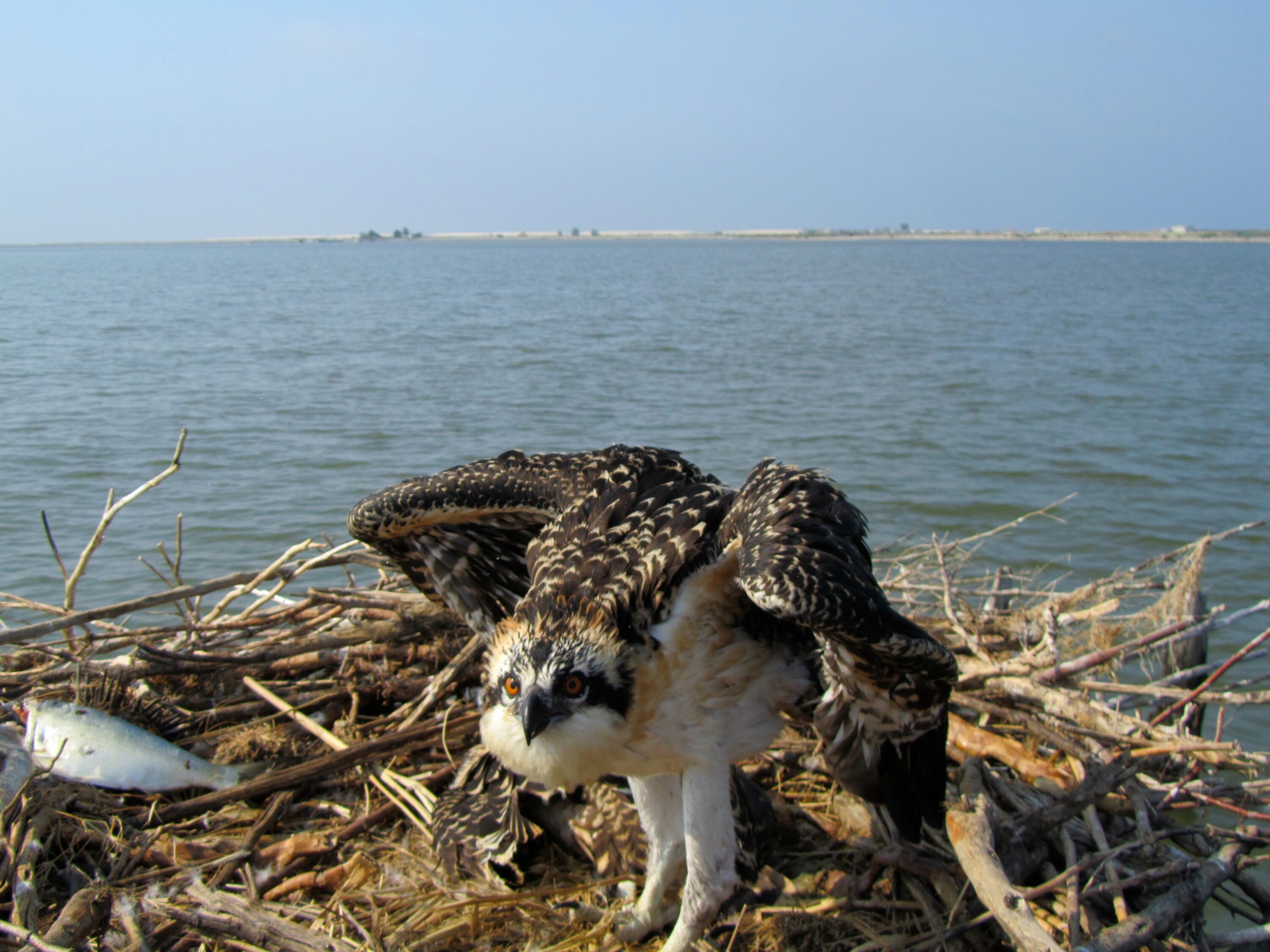
24 Osprey Chicks Fledged From 12 Rutland Nests
Rutland Osprey Project reported 24 chicks fledged from 12 nests in 2026. The season produced 14 chicks assessed…
Read story →
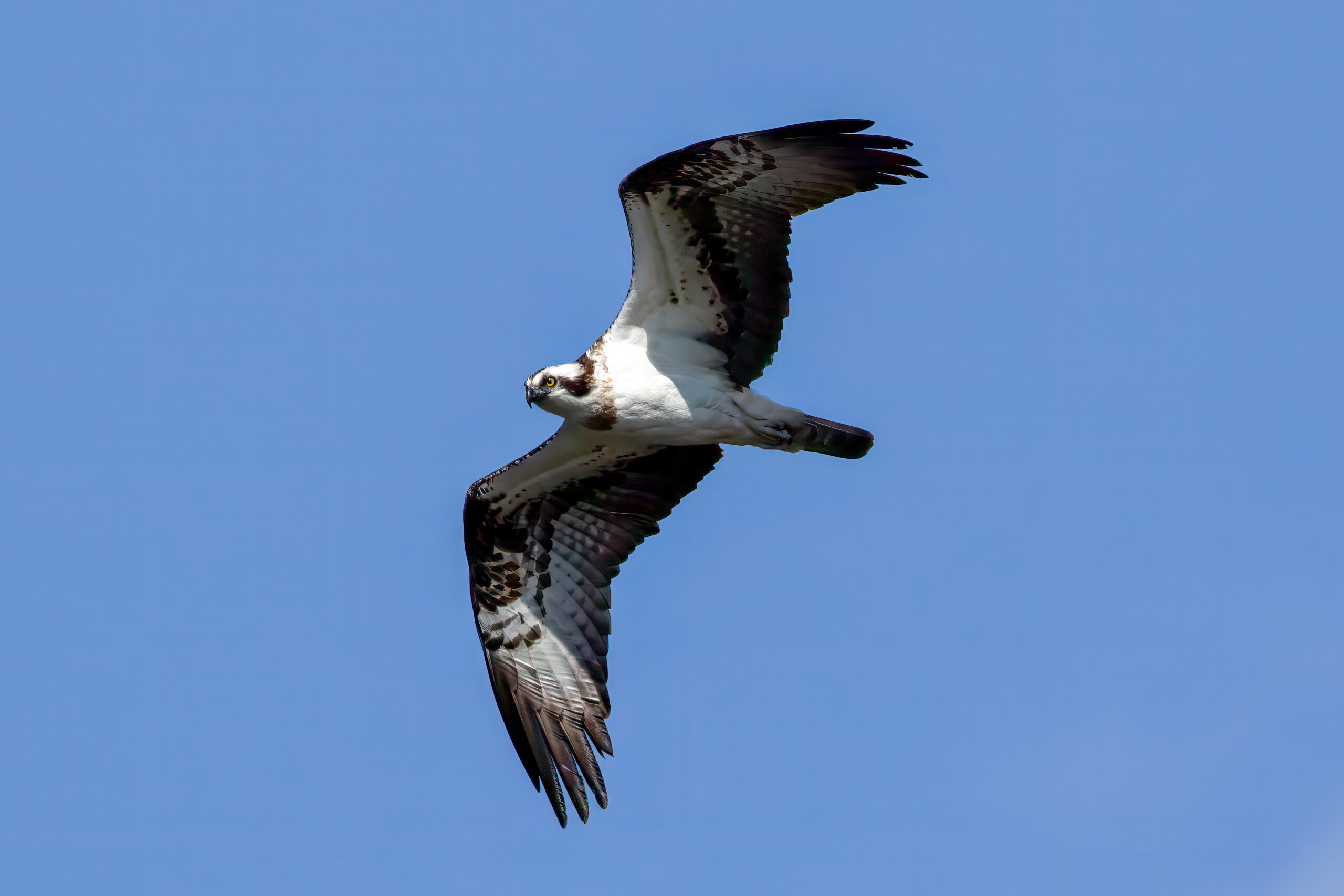
Ospreys Raised Three Chicks in Switzerland’s First Breeding in 112 Years
A male released by the Swiss reintroduction project and an unringed female of unknown origin raised three chicks…
Read story →SPECIES IN THIS STORY
Species in this story
Independent research and conservation news archive
Did you find this information useful?
Wildlife Vagabond is independently built and maintained. Voluntary support helps cover source verification, hosting and continued work on research and conservation news.
Support Wildlife VagabondThe news archive will remain freely available.