
Infrared Fingerprints Identified Rock Ptarmigan Food Plant Parts With 96.7% Test Accuracy
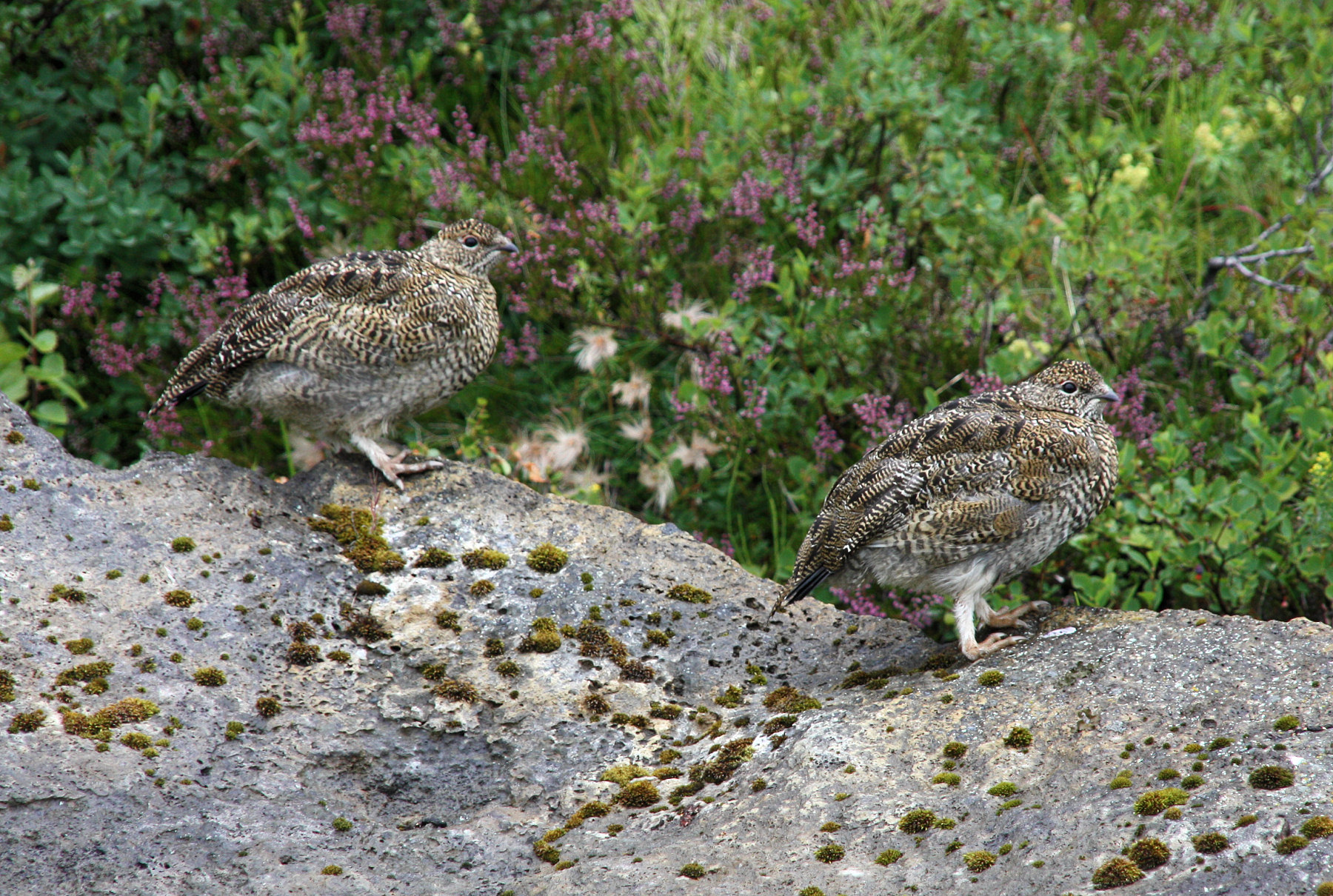
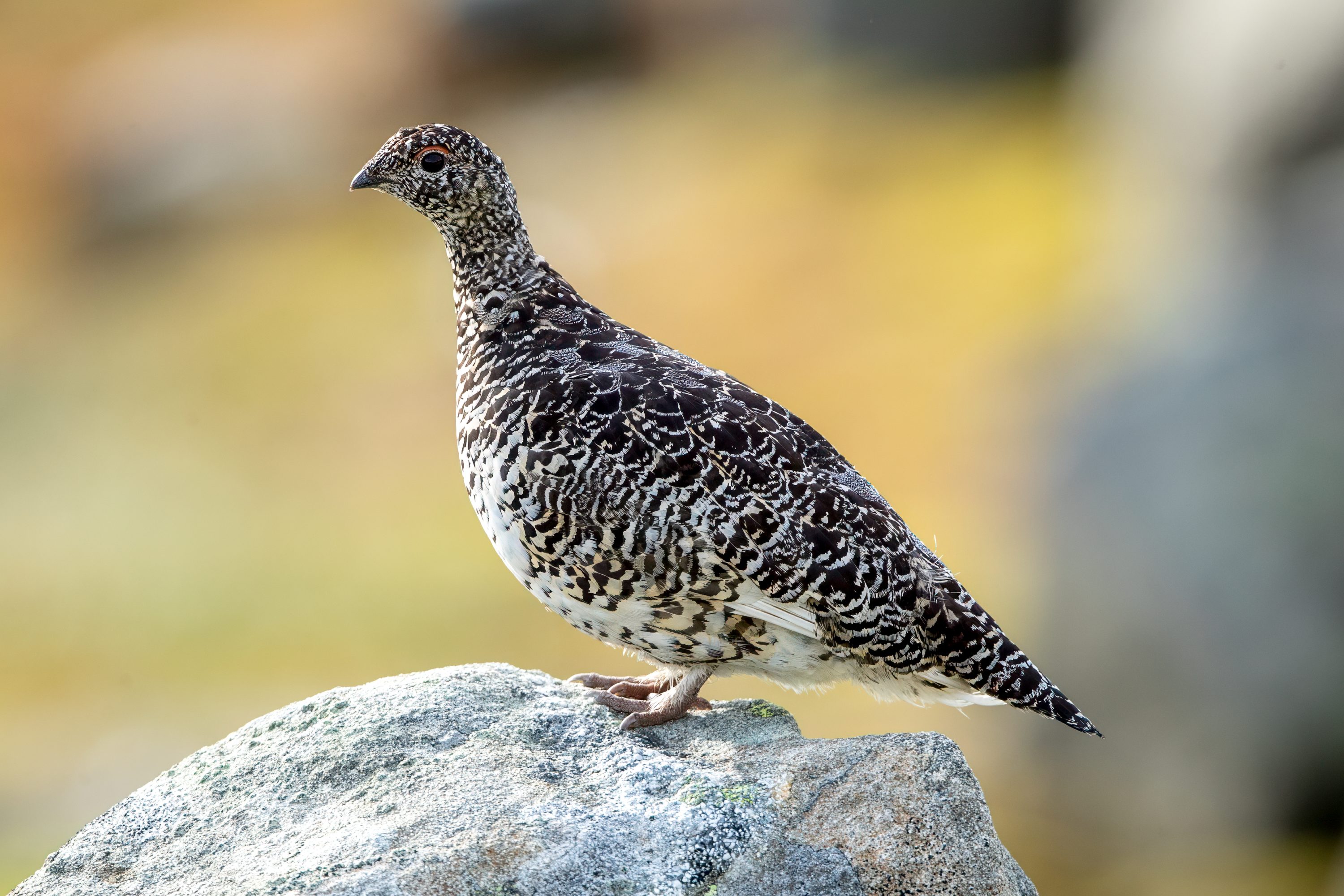
Fourier-transform infrared spectroscopy (FTIR) distinguished plant parts selected by wild rock ptarmigan (Lagopus muta) in Iceland with high test accuracy. The 2026 study used crop contents from 236 birds collected around Lake Mývatn over nine autumns from 2006 to 2014 to test whether chemical fingerprints could identify not only which plants had been eaten, but which parts of those plants.
The work was a method-validation study rather than an automatic analysis of mixed crop contents. Researchers first separated the crop material by eye into 296 pure reference fractions whose plant taxon and plant part were already known, including berries, leaves, catkins, infructescences and stems with buds.
Infrared absorption created chemical fingerprints
FTIR shines infrared radiation onto a sample and measures which wavelengths are absorbed. Different chemical bonds absorb infrared light in different regions of the spectrum, so the resulting pattern acts as a chemical fingerprint. In these ptarmigan food samples, the spectra contained signals consistent with differences in carbohydrates, lipids, proteins and structural or chemical plant defences.
Principal component analysis was used to show how samples grouped according to their spectra. The researchers then trained a Random Forest classifier — a machine-learning method that combines many decision trees — to learn which spectral features best separated the known reference classes.
Plant parts were easier to identify than closely related plant foods
The data were divided into 80% for training and 20% for testing. On the held-out test data, the model classified plant parts with 96.7% overall accuracy. Catkins, berries, stems with buds and leaves were each classified with more than 96% accuracy, while infructescences were the most difficult plant-part class at about 88%.
When the model had to identify the combination of plant taxon and plant part, overall test accuracy fell to 85.5%. Chemically similar foods were harder to separate: catkins of the two birch species were sometimes confused with each other, as were stems with buds from the two willow species. The method therefore worked best when functional plant parts differed strongly in chemistry.
The spectra also reflected nutritional trade-offs
The chemical fingerprints suggested biologically meaningful differences among foods selected by ptarmigan. Berries showed strong carbohydrate signals, including features associated with fructose, while reproductive parts such as berries and infructescences carried stronger signals from nutritional lipids. Willow material showed signals consistent with relatively high protein, but also with chemical defences such as oxalates, tannins and other phenolic compounds.
These patterns illustrate why identifying the plant part can matter as much as identifying the species. A berry, leaf and bud from the same or closely related plants can offer very different combinations of energy, protein, fibre and defensive chemistry even though DNA methods may identify them as the same taxon.
The authors caution that FTIR peak heights were not calibrated against direct concentrations of the phytochemicals, so the nutritional interpretations are qualitative rather than precise measurements of how much sugar, protein or toxin each food contained.
A reference tool, not yet a complete non-invasive diet method
The study shows that FTIR can build a useful spectral reference library from plant material actually selected by wild herbivores. The next step is to test whether these fingerprints can still be recognised after digestion in non-invasively collected faeces. The authors recommend combining FTIR with direct phytochemical measurements and DNA metabarcoding, because the methods answer different parts of the dietary question.
Organic chemistry
Related news
Record Ptarmigan Numbers and a Good Breeding Year for Alaska’s Gyrfalcons
Surveys on Alaska’s Seward Peninsula recorded the highest ptarmigan numbers in eleven years of monitoring. Gyrfalcons also had…
Read story →
Svalbard Ptarmigan and Golden Hamsters Shared a TSH Pathway for Seasonal Timing
A comparison of neuroendocrine tissue in summer- and winter-like states found the same core TSH seasonal-timing pathway in…
Read story →
Dry Weather and Snow-Covered Ground Improved Genetic Monitoring From Rock Ptarmigan Droppings
Only 103 of 338 spring fecal samples yielded usable genotypes, but a 2026 study identified field and laboratory…
Read story →SPECIES IN THIS STORY
Species in this story
Independent research and conservation news archive
Did you find this information useful?
Wildlife Vagabond is independently built and maintained. Voluntary support helps cover source verification, hosting and continued work on research and conservation news.
Support Wildlife VagabondThe news archive will remain freely available.