
H5N1 and H5N5 Were Detected in the Same Great Black-backed Gull Population; H5N5 Also in 17 Grey Seals
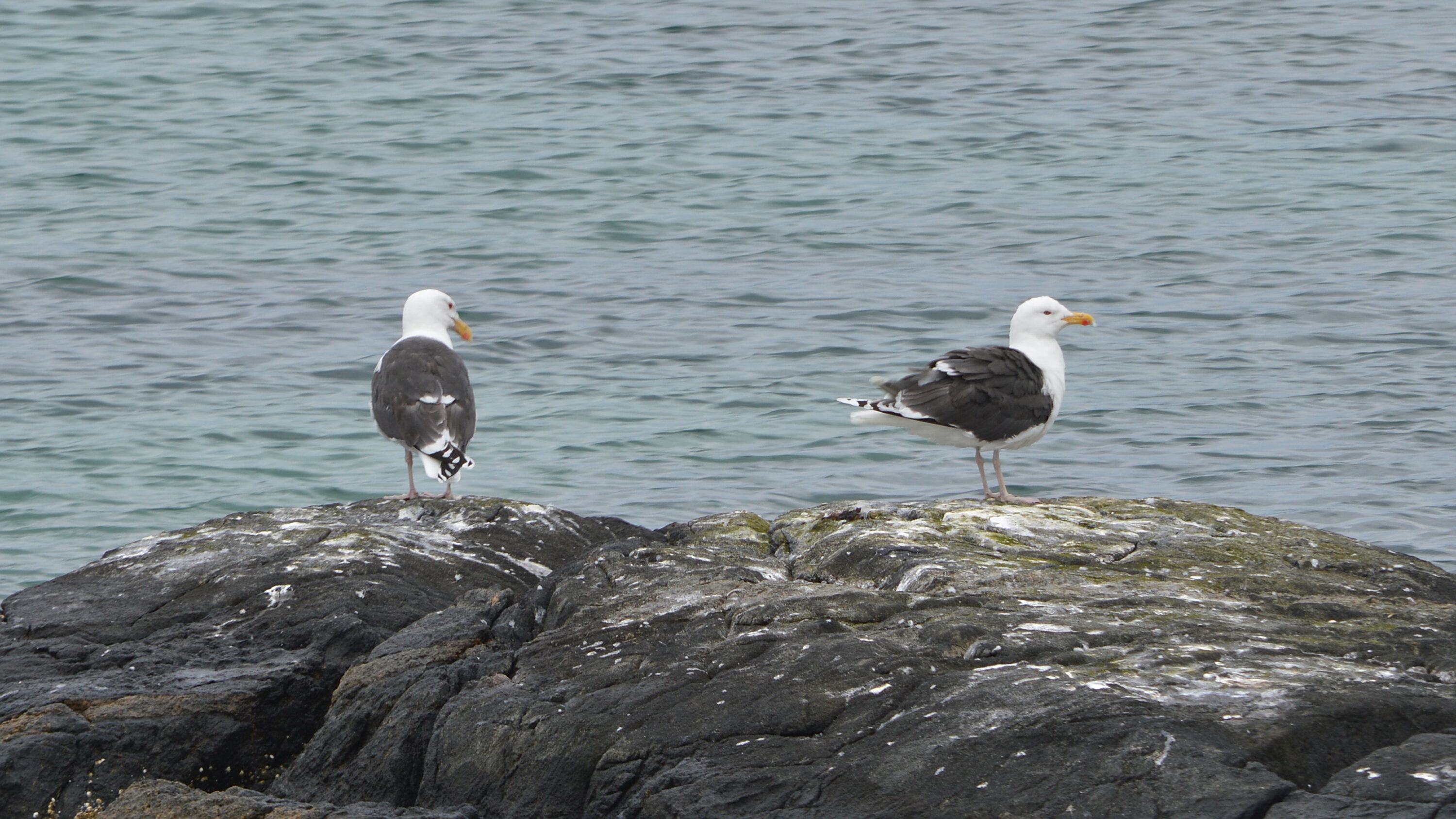
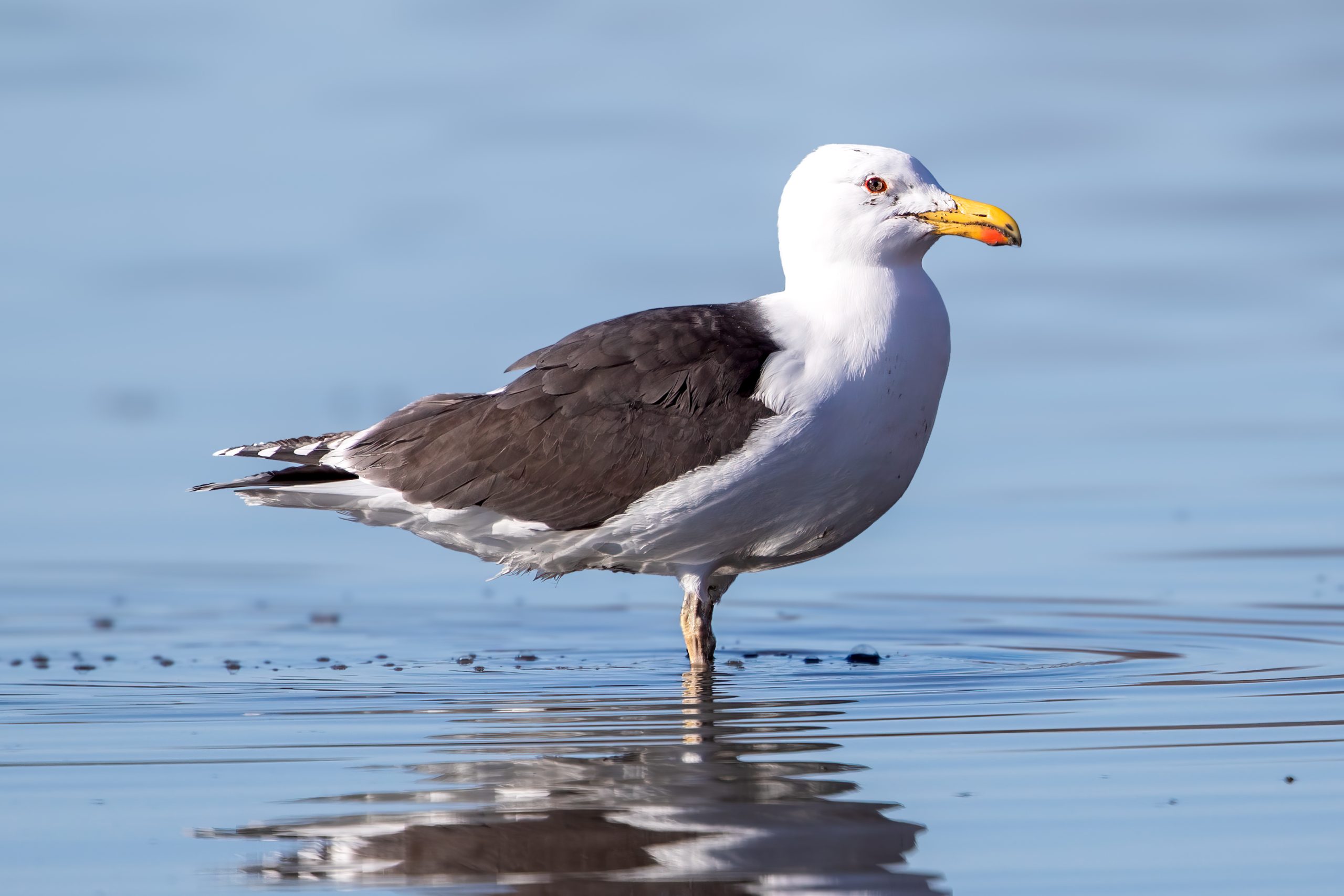
During a seabird mortality event on the Norfolk coast, two highly pathogenic avian influenza subtypes were detected within the same local great black-backed gull (Larus marinus) population. In a study first published on 24 January 2026, H5N1 was detected in five great black-backed gulls and H5N5 in 17. These were detections in the same local population during the same event; the study did not report individual gulls co-infected with both subtypes. Site staff had recorded 46 dead great black-backed gulls, together with one European herring gull (Larus argentatus) and one common gull, around Blakeney Point during the winter 2024–2025 event.
H5N5 was also detected in one European herring gull, one atlantic puffin and one northern fulmar, while H5N1 was found in one northern fulmar. The authors describe this as the first recorded instance in Great Britain of H5N1 and H5N5 being detected within the same avian population at the same location.
H5N5 was also detected in grey seals
The investigation also tested grey seal (Halichoerus grypus) carcasses from the same site. H5N5 was detected in 17 seals, whereas none tested positive for H5N1. The study reports this as the first mass detection of highly pathogenic H5N5 avian influenza in mammals in Great Britain. Blakeney Point holds England’s largest grey seal breeding colony, bringing large numbers of seals and scavenging gulls into close contact during the breeding season.
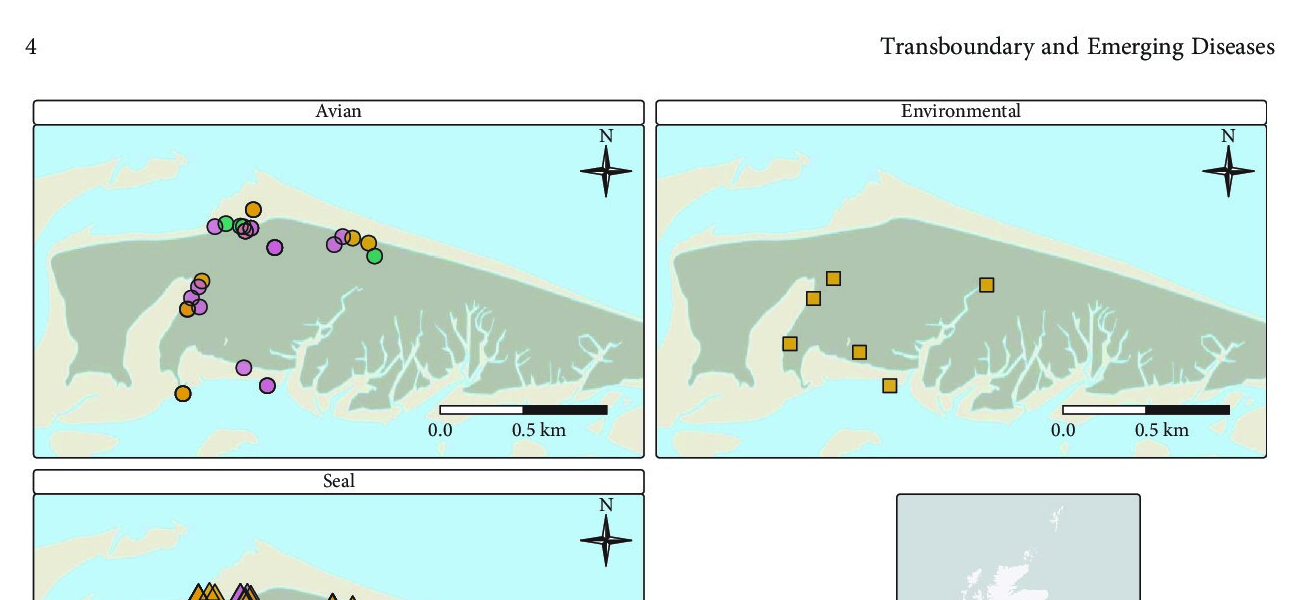
The carcass counts could not provide a precise total for the bird mortality. Many remains were decomposed or incomplete, and the length of the beach and tidal conditions prevented a complete search. The researchers therefore considered the number of dead birds to be greater than the number sampled.
Genome data revealed markers linked to mammalian adaptation
Influenza A subtypes are named from two surface proteins: hemagglutinin (H) and neuraminidase (N). H5N1 and H5N5 therefore share the H5 subtype but differ in their neuraminidase, N1 versus N5. Genome sequencing showed that the H5N1 virus was closely related to viruses circulating in British wild birds and poultry at the time. The H5N5 viruses from birds and seals shared a 22-amino-acid deletion in the neuraminidase stalk and the PB2 E627K change. PB2 is part of the viral polymerase complex, and E627K is associated with mammalian adaptation. However, the same change has also been found in avian H5N5 viruses without obvious mammalian involvement, so it does not by itself show that the virus had adapted to seals.
The H5N1 sequence did not contain mutations that the researchers considered suggestive of increased mammalian adaptation or zoonotic potential. Despite H5N1 and H5N5 occurring in the same bird population and place, the genomic analyses found no evidence of reassortment between them — the exchange of gene segments that can occur when different influenza viruses infect the same host.
The direction of transmission remained unresolved
The study could not establish the direction of transmission between birds and seals. Great black-backed gulls and European herring gulls feed around seal haul-outs, including on carcasses and afterbirths, creating opportunities for exposure in either direction. The observed seal mortality remained within the expected range for the colony and did not support sustained mammal-to-mammal transmission, although the authors could not rule it out.
Disease, parasites & microbiology
Related news
Cormorant and Large-Gull Counts Fell at a Danish Pound Net, but the Difference Disappeared Within Weeks
At one Danish pound net fitted with Looming-Eye Buoys, great cormorant and large-gull counts dropped sharply relative to…
Read story →
Gulls at Nova Scotia Fish Plants Carried High-Risk Multidrug-Resistant E. coli
Researchers recovered 34 cefotaxime-resistant Escherichia coli isolates from 100 gull faecal samples at three Nova Scotia fish-processing plants,…
Read story →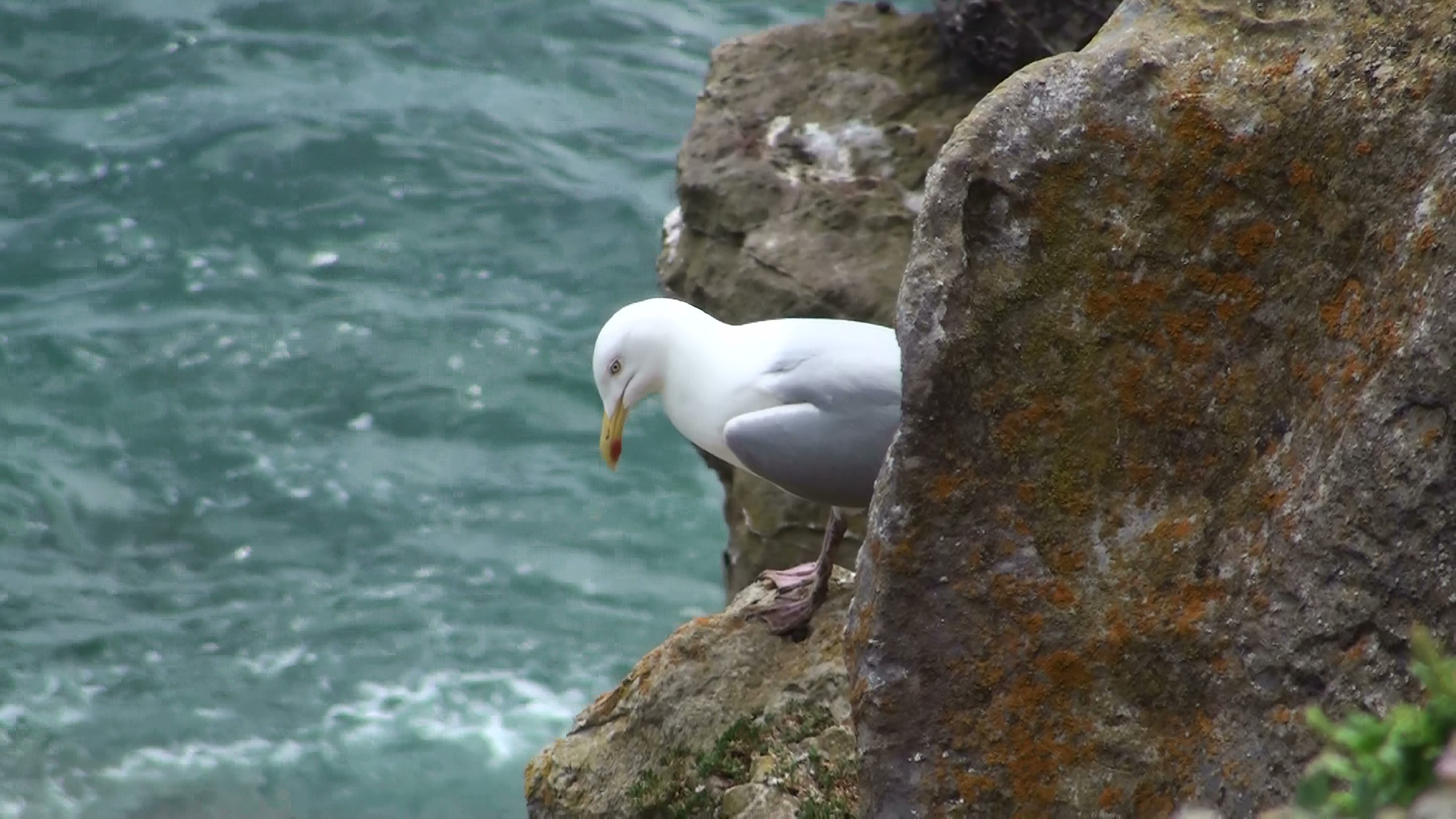
Winter Gull Survey: Great Black-backed Gull Fell 66%, Lesser Black-backed Gull 47%, Herring Gull Stayed Near 720,000
Britain’s first comprehensive winter-gull survey in two decades estimated 66.3% fewer great black-backed gulls and 47.2% fewer lesser…
Read story →SPECIES IN THIS STORY
Species in this story
Independent research and conservation news archive
Did you find this information useful?
Wildlife Vagabond is independently built and maintained. Voluntary support helps cover source verification, hosting and continued work on research and conservation news.
Support Wildlife VagabondThe news archive will remain freely available.