
Gulls at Nova Scotia Fish Plants Carried High-Risk Multidrug-Resistant E. coli
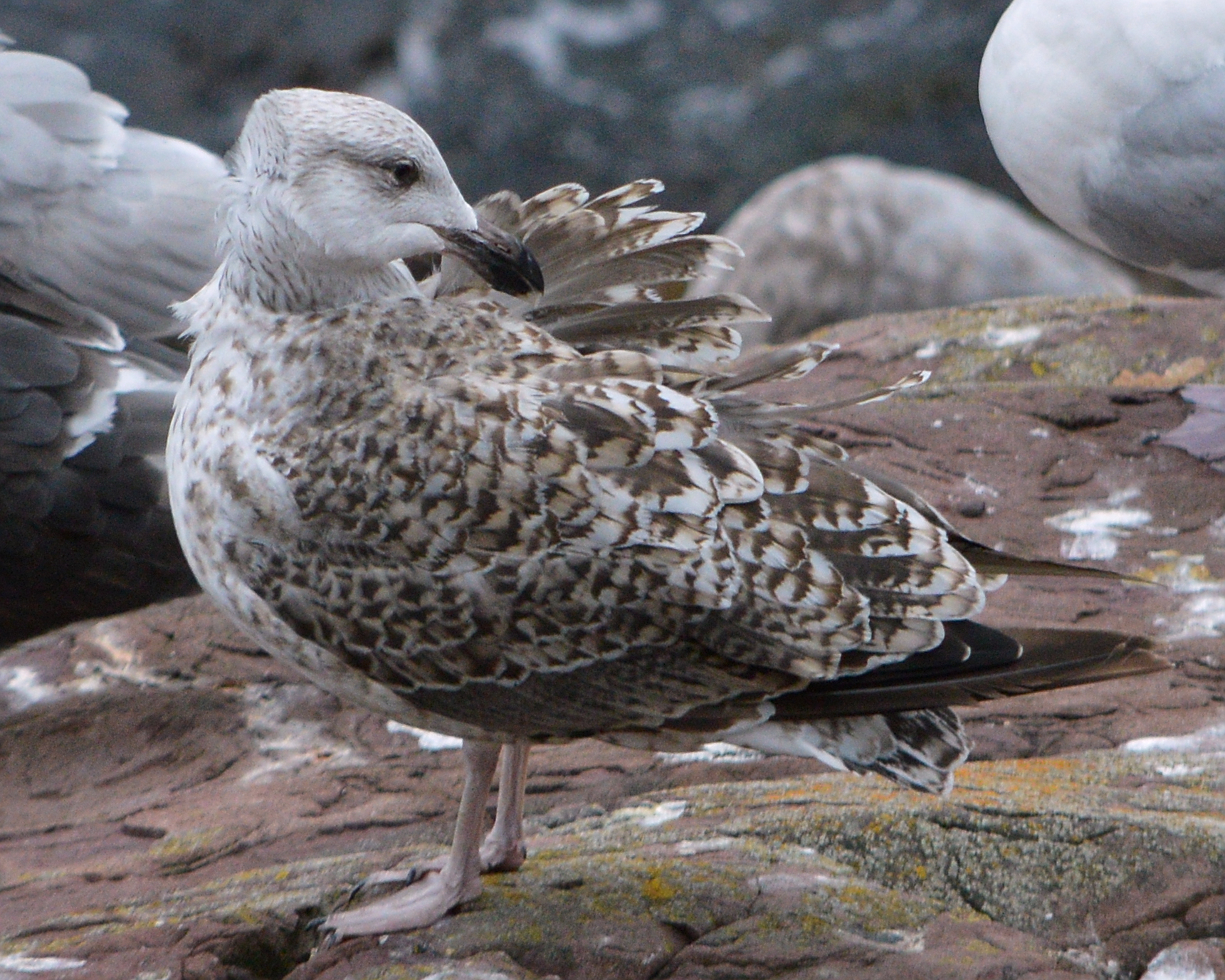
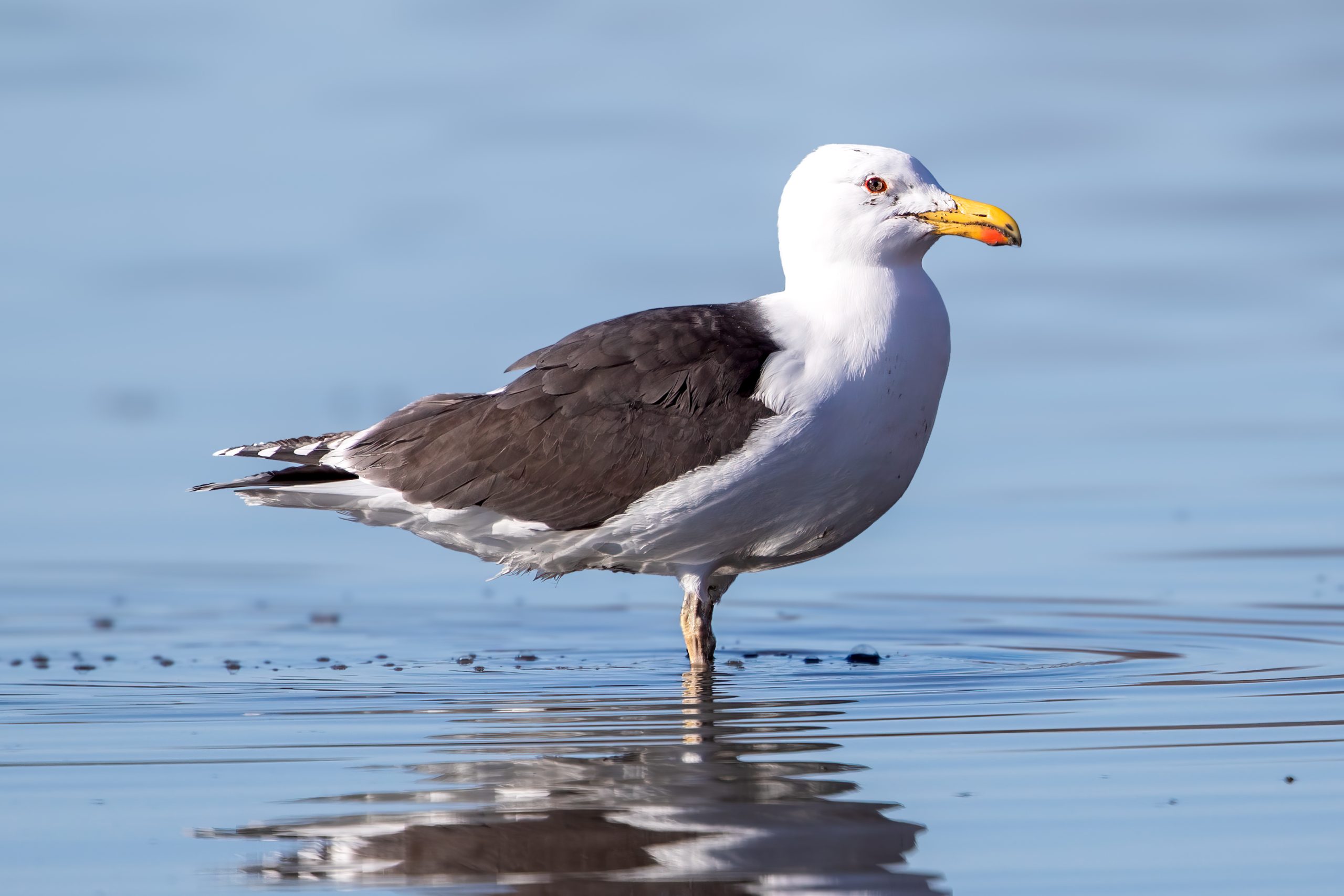
Great black-backed gulls (Larus marinus) and American herring gulls (Larus smithsonianus) visiting three fish-processing plants in Nova Scotia, Canada were carrying antibiotic-resistant Escherichia coli, according to a 2026 study. E. coli is a common gut bacterium in animals and people, although some lineages can cause disease. The concern here was not that the gulls were necessarily ill, but that bacteria in their intestines carried resistance that can make important antibiotics less effective.
Researchers collected 100 gull faecal samples and recovered 34 E. coli isolates resistant to cefotaxime, a third-generation cephalosporin used against serious bacterial infections. Detecting the bacteria in faeces shows that gulls were carrying and shedding them at the sampling sites; it does not by itself show where the bacteria were acquired or that they were transmitted to people, fish or other animals.
Most resistant isolates produced enzymes that disable cephalosporins
Twenty-nine of the 34 isolates produced extended-spectrum beta-lactamases (ESBLs), while five produced plasmid-mediated AmpC beta-lactamases. These are bacterial enzymes that can break down beta-lactam antibiotics; ESBL and AmpC mechanisms are particularly important because they can undermine newer cephalosporins such as cefotaxime. The main resistance genes included blaCTX-M-1, blaCTX-M-55 and blaCMY-2.
Many isolates also carried genes associated with resistance to other antimicrobial groups, including tetracyclines, sulfonamides, trimethoprim, aminoglycosides and quinolones. The result therefore reflects resistance to multiple drug classes rather than resistance to a single antibiotic.
Several bacterial lineages are already distributed internationally
Genomic typing showed that the resistant bacteria belonged to several sequence types, including ST155 in 12 isolates, ST744 in seven, ST224 in four and ST648 in three. A sequence type is a genetic lineage identified from a standard set of bacterial markers. These particular lineages have been reported internationally in people, animals and environmental samples, which is why the authors describe them as high-risk clones.
Plasmids provide another route by which resistance can spread. These small, usually circular DNA molecules can move between bacteria and often carry resistance genes with them. At least three plasmid types were detected in 70.6% of the isolates, showing that many of the gull-associated bacteria carried several potential vehicles for mobile resistance genes. This does not prove that gene transfer occurred in the gulls themselves, but it shows that the genetic machinery capable of moving resistance was common in the sampled bacteria.
The finding links wildlife to a wider One Health problem
The authors interpret the results within a One Health framework, which considers human, animal and environmental health together. Gulls regularly move between natural areas and human food- and waste-rich environments, so resistant gut bacteria they carry can potentially be transported between locations. The Nova Scotia study therefore identifies gulls as possible reservoirs and dispersers of antimicrobial resistance, while stopping short of demonstrating a specific transmission route from gulls to humans or other animals.
Disease, parasites & microbiology
Related news
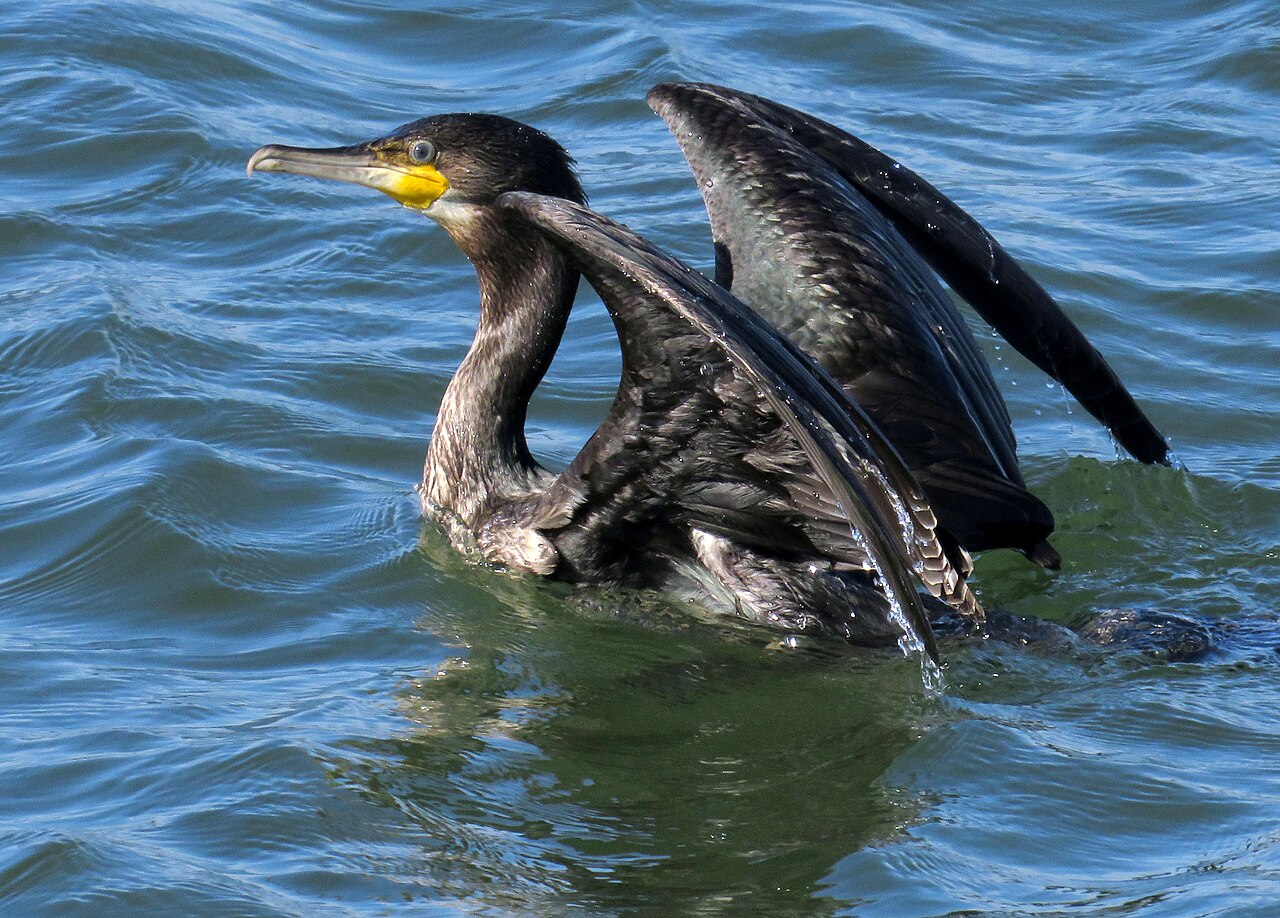
Cormorant and Large-Gull Counts Fell at a Danish Pound Net, but the Difference Disappeared Within Weeks
At one Danish pound net fitted with Looming-Eye Buoys, great cormorant and large-gull counts dropped sharply relative to…
Read story →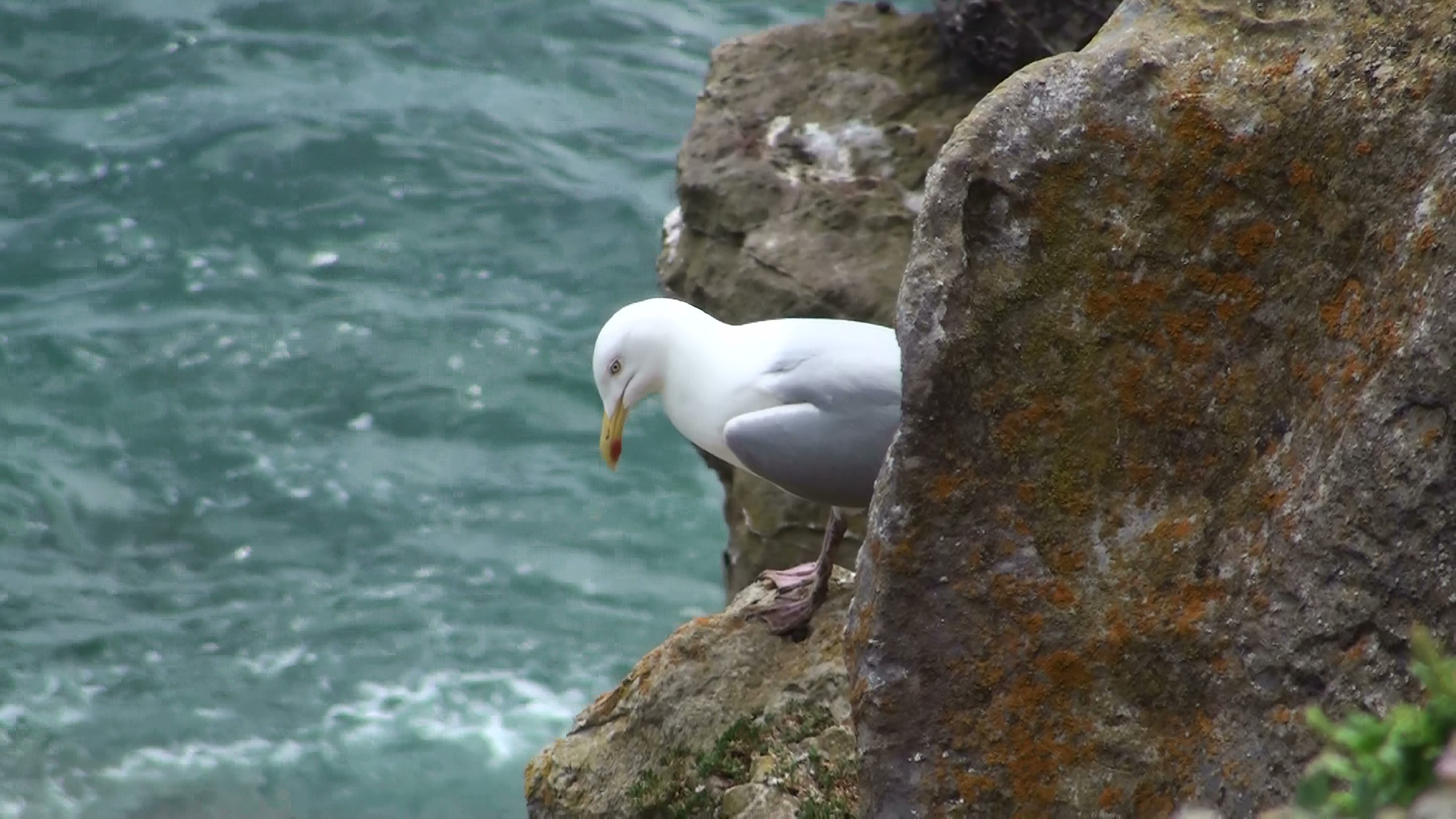
Winter Gull Survey: Great Black-backed Gull Fell 66%, Lesser Black-backed Gull 47%, Herring Gull Stayed Near 720,000
Britain’s first comprehensive winter-gull survey in two decades estimated 66.3% fewer great black-backed gulls and 47.2% fewer lesser…
Read story →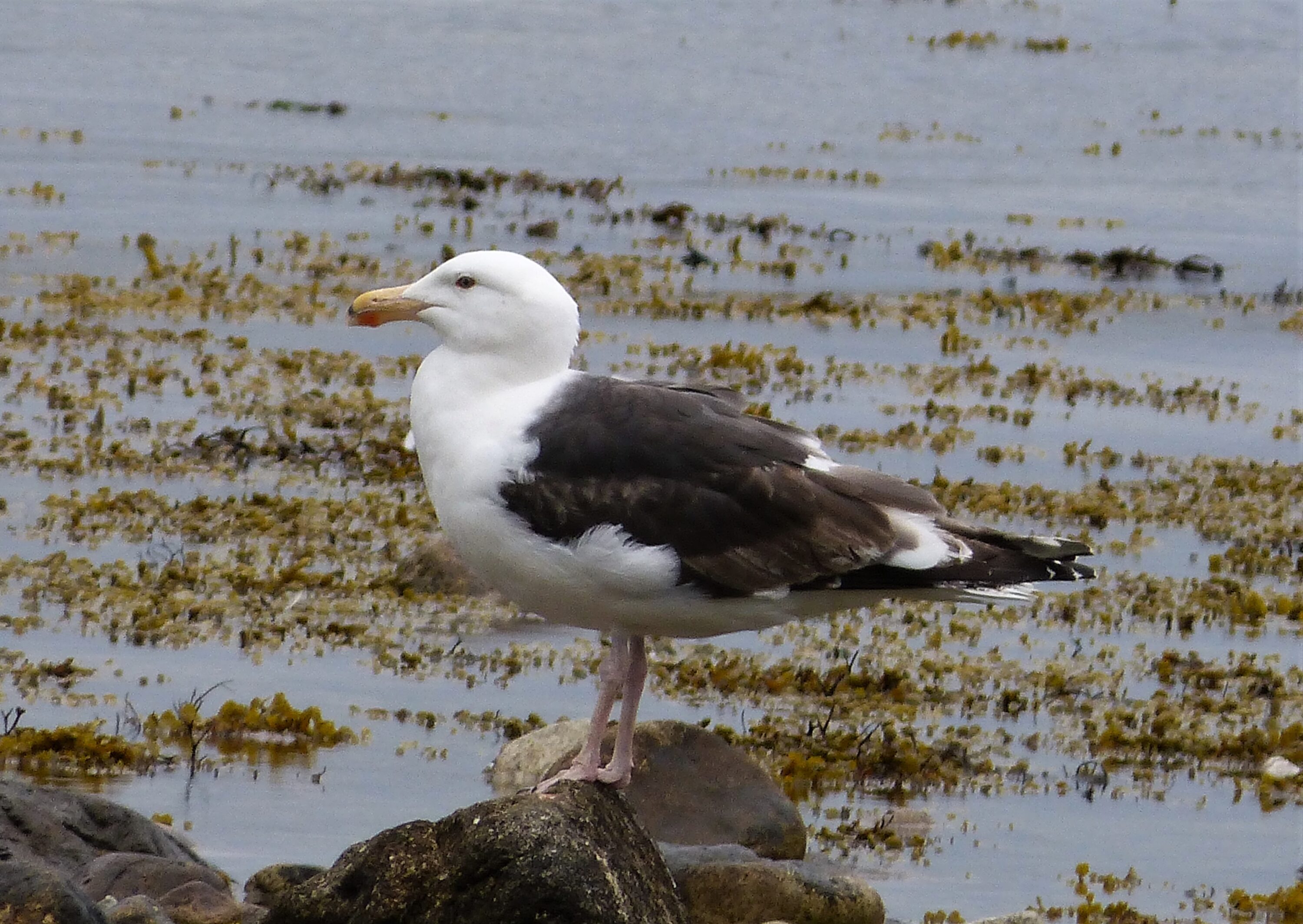
Marine Prey Made Up Over 95% of Great Black-backed Gull Diet Late in the Non-breeding Season
Stable-isotope models from 35 adult Great Black-backed Gulls on the Isle of May estimated that marine resources made…
Read story →SPECIES IN THIS STORY
Species in this story
Independent research and conservation news archive
Did you find this information useful?
Wildlife Vagabond is independently built and maintained. Voluntary support helps cover source verification, hosting and continued work on research and conservation news.
Support Wildlife VagabondThe news archive will remain freely available.