
Great-tailed Grackles Now Breed Widely and Winter Regularly in Nebraska
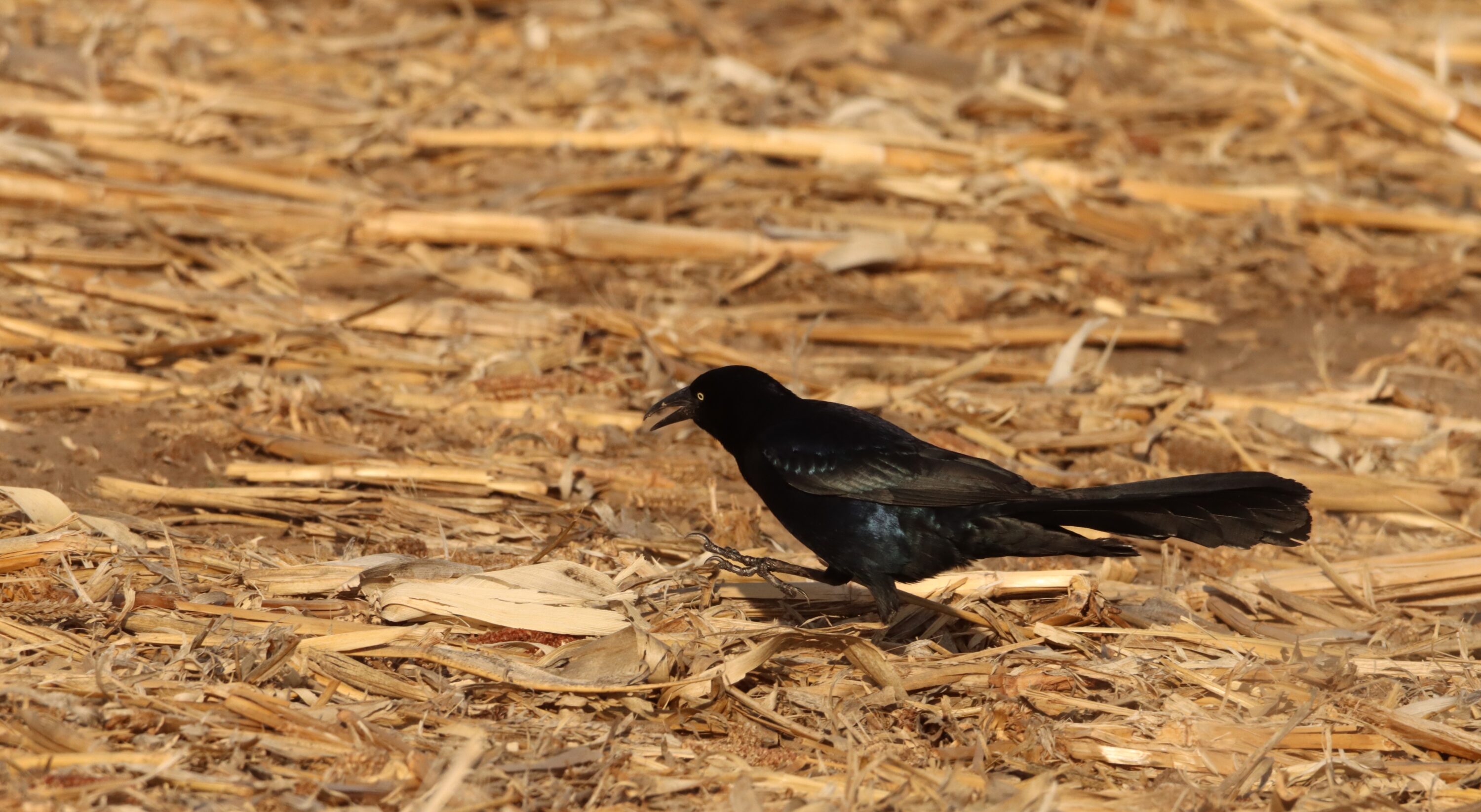
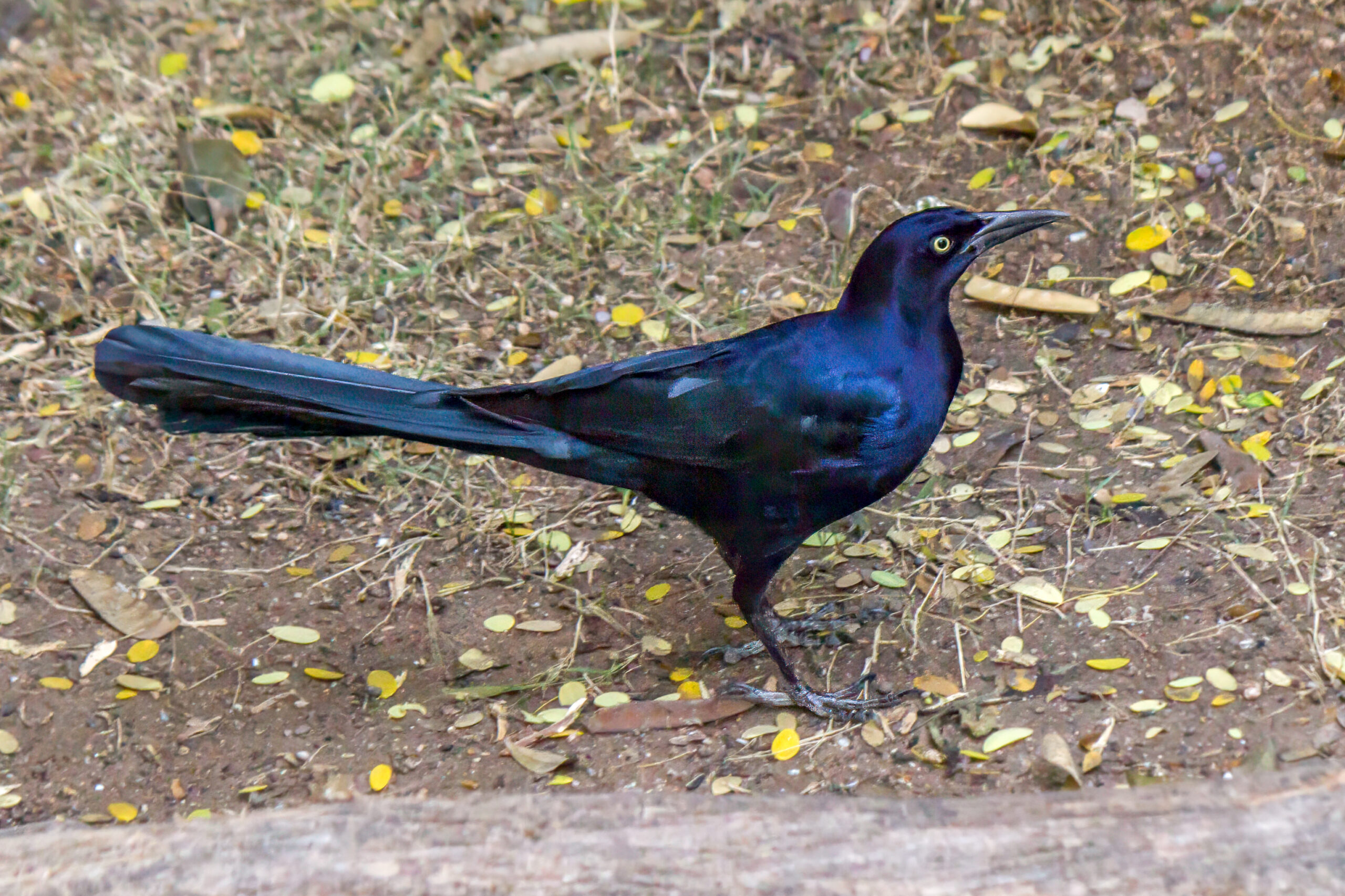
An updated Nebraska species account documents how the great-tailed grackle (Quiscalus mexicanus) has changed from a rare newcomer into a widespread breeder and regular winter resident along major river valleys. The 2026 account combines historical records, breeding-bird atlases, specimens, published literature and recent observations.
The species is now classified as a common regular spring and autumn migrant and breeder in southeastern and south-central Nebraska and as an uncommon regular winter visitor along the Platte and North Platte river valleys and areas farther south.
Breeding spread across much of Nebraska
Nebraska’s first record came from Phelps County in 1976, when nesting was suspected but not confirmed. Confirmed nesting followed in 1977 at Boys Town in Douglas County and at the former Hastings Ammunition Depot in Adams County.
During the first Nebraska breeding-bird atlas in 1984–1989, breeding-season records were still concentrated mainly in the southeast. By the 2006–2011 atlas, confirmed breeding extended much farther west and north, including the Panhandle and western Sandhills. The account describes expansion along the Platte, North Platte and Loup river systems.
Wet habitats appear important at the expanding edge of the range. Many Nebraska nests are associated with cattail marshes, although the species also nests in planted trees and highly modified urban settings. The ability to use both wetlands and human-dominated habitats may help explain how it has established across such varied parts of the state.
Wintering became regular along the river valleys
The first documented overwintering in Lincoln dates to the mid-1980s. Over subsequent decades, wintering became established along the Platte and North Platte valleys west to Scotts Bluff County, and since 2020 birds have also wintered regularly around Columbus.
This pattern is consistent with a broader idea proposed for great-tailed grackles at the leading edge of range expansion: populations may initially move seasonally and later become more resident. Nebraska’s growing winter flocks fit that possibility, but the authors emphasise that banding data are lacking, so the extent of seasonal movement into and out of the state remains unknown.
Two 2026 records extended the recent edge record
The updated account includes 20 birds at Burwell in Garfield County on 3 January 2026, an unusual midwinter record north of the main Platte–North Platte winter belt. A record in Greeley County on 8 March was also among the earliest spring dates reported for northern and western Nebraska.
These observations show that birds can occur beyond the main winter range, but they are individual edge records rather than independent evidence of a new population trend. The stronger evidence for long-term expansion comes from the accumulated breeding and winter records across several decades.
North American Breeding Bird Survey data cited in the account produced a Nebraska trend estimate of about 8.8% increase per year from 1966 to 2019. The uncertainty around that estimate was large enough to include little or no change, so the precise growth rate is uncertain even though the broader historical record clearly documents a major expansion in distribution.
Ecology
Related news
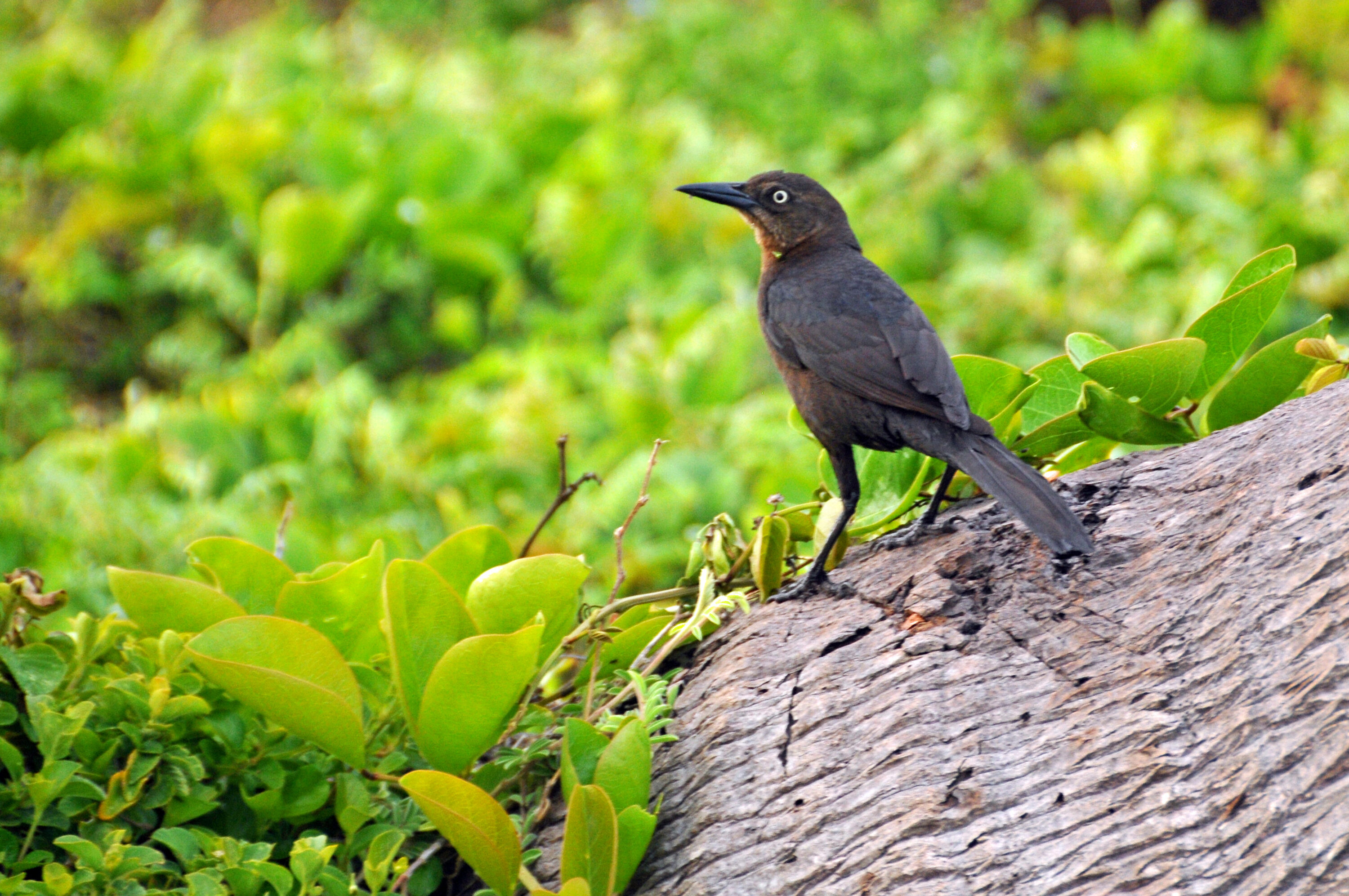
Great-tailed Grackles Hovered Over Floating Sargassum to Catch Swimming Crabs
During more than 13 hours of observation across 12 days on Cozumel, Mexico, great-tailed grackles made 57 flights…
Read story →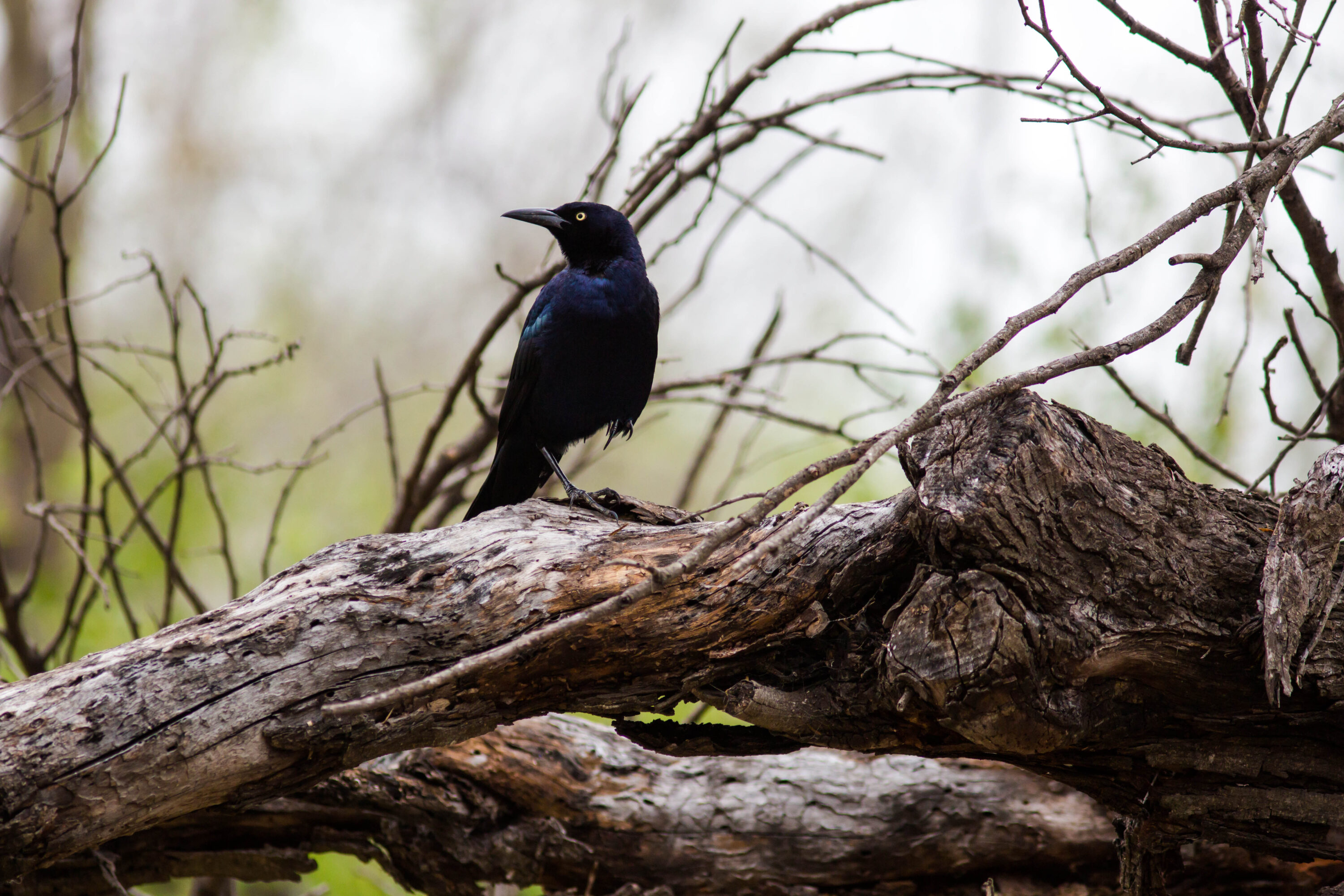
Great-tailed Grackle Is Now Known from 44 of Arkansas’s 75 Counties
A 2026 Arkansas review documents Great-tailed Grackle from 44 of 75 counties, while breeding and year-round populations are…
Read story →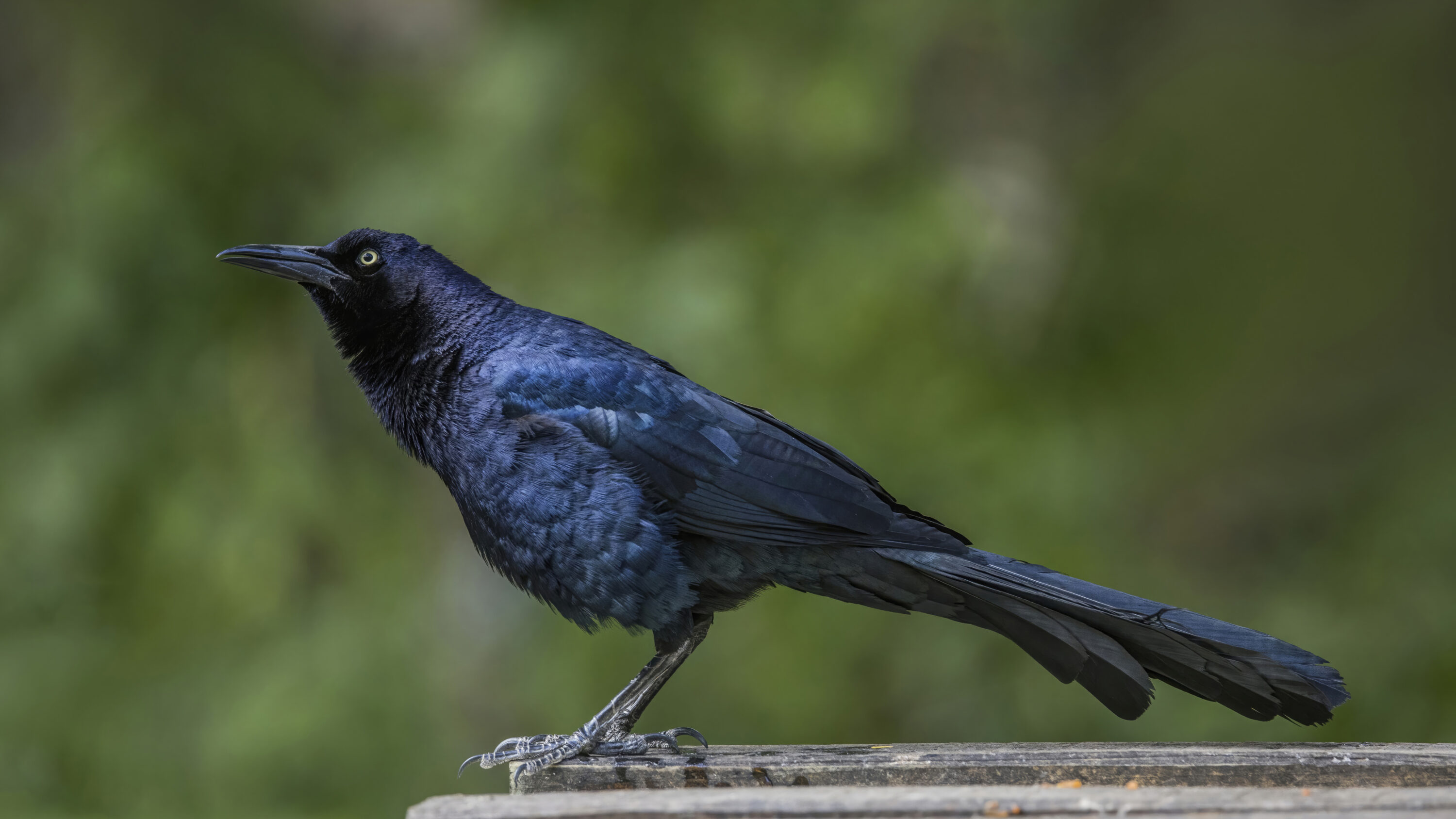
Nuclear DNA Supports One Unified Great-tailed Grackle Lineage
A genome-scale study resolves a long-standing conflict between mitochondrial and nuclear evidence and finds no signal of admixture…
Read story →SPECIES IN THIS STORY
Species in this story
Independent research and conservation news archive
Did you find this information useful?
Wildlife Vagabond is independently built and maintained. Voluntary support helps cover source verification, hosting and continued work on research and conservation news.
Support Wildlife VagabondThe news archive will remain freely available.