
Grey-headed Gulls Foraged in the Spray Below Overflowing Gariep Dam
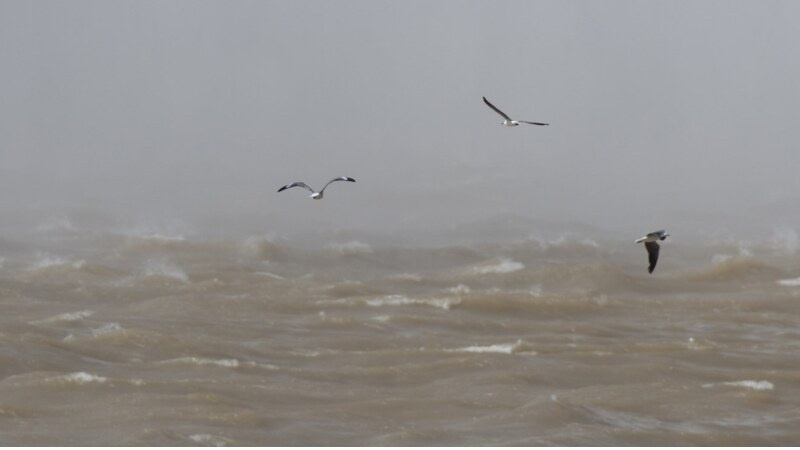
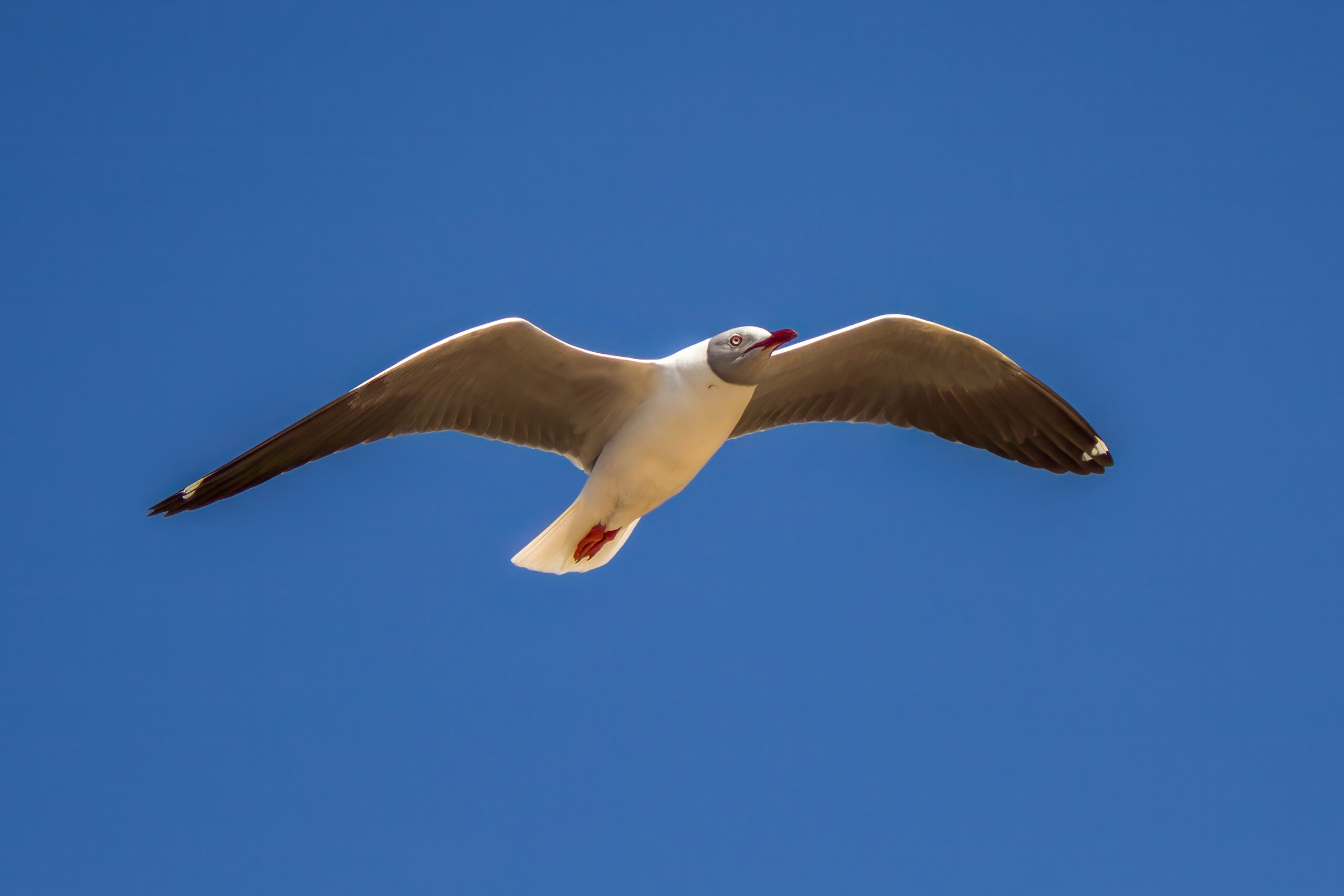
On 8 March 2026, numerous grey-headed gulls (Chroicocephalus cirrocephalus) were observed repeatedly flying into the dense spray below the overflowing Gariep Dam in South Africa. The behaviour was interpreted as opportunistic foraging in an unusually turbulent, short-lived feeding environment.
Gulls repeatedly entered the spray plume
Heavy rainfall in the Orange River catchment had caused strong overflow at the dam, sending large volumes of water over the wall and creating a violent torrent and dense spray plume below the spillway. The gulls repeatedly flew low over the turbulent water, frequently entered the spray and mist close to the falling sheet of water, and then circled back over the outflow. They remained airborne during the observation, although some birds occasionally dipped toward the water surface before returning to the spray.
Most of the gulls appeared to be adults in non-breeding plumage, with one or two immature birds also present. The observation adds another example of the species’ flexible feeding behaviour. Grey-headed gulls are opportunistic feeders that use a wide range of food sources and can exploit temporary concentrations of prey.
Turbulence may have concentrated or disoriented prey
The author, Martin Potgieter, suggests that the extreme turbulence below the spillway may have disoriented fish or other aquatic organisms, making them easier to exploit. Another possibility raised in the paper is that flying insects were concentrated in the spray plume. Swifts and swallows were actively feeding over the same area at the time, supporting the possibility that insects were available there.
The overflow differed from the more familiar situation in which gulls feed below hydroelectric turbine outlets. At Gariep Dam, the observed turbulence was produced by water spilling directly over the dam wall. Potgieter argues that major spill events may temporarily create artificial waterfall-like feeding environments, where turbulence concentrates or disturbs potential prey.
He concludes that further observations during future spill events could show whether grey-headed gulls and other waterbirds regularly exploit these temporary feeding opportunities. The note was published in Biodiversity Observations on 9 April 2026.
Behaviour
Related news
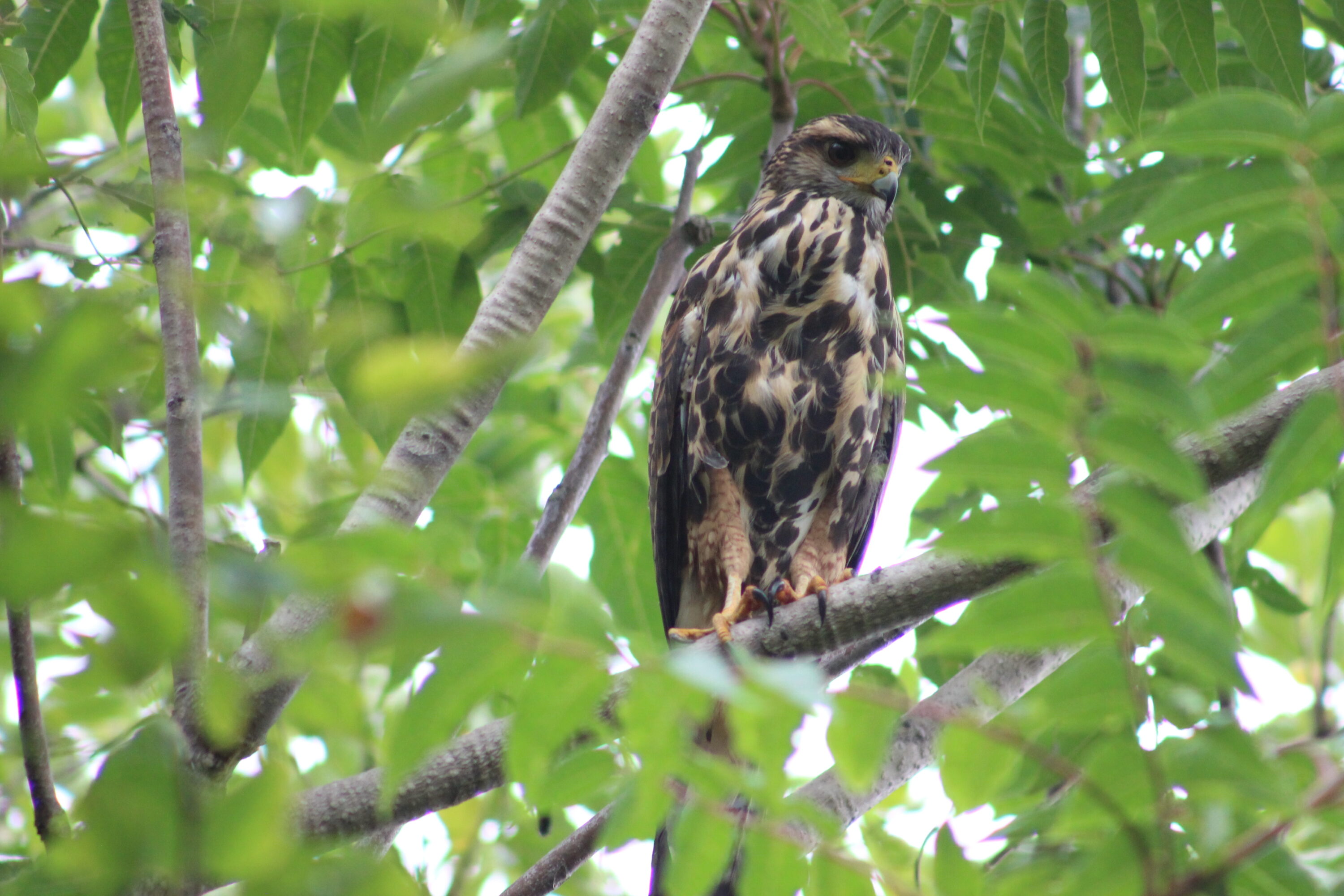
Juvenile Harris's Hawks Manipulated Pine Cones for About Five Minutes
Two juvenile Harris's hawks in Buenos Aires Province tore pine cones from trees, carried them to new perches…
Read story →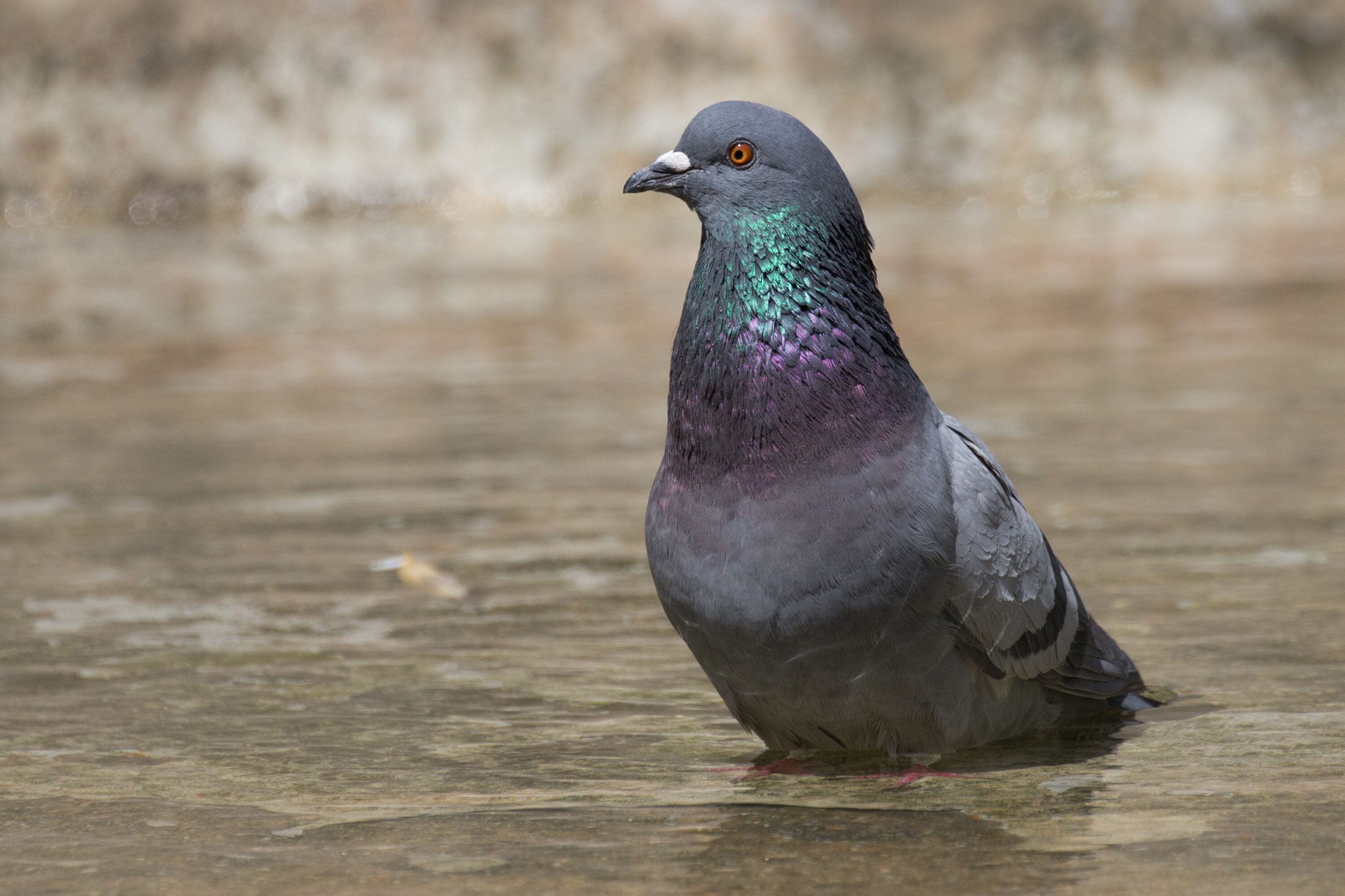
Rock Doves Preferred Predictive Information Despite a Lower Food Payoff
Seven rock doves preferred an informative option that paid on 20% of trials over a non-informative option that…
Read story →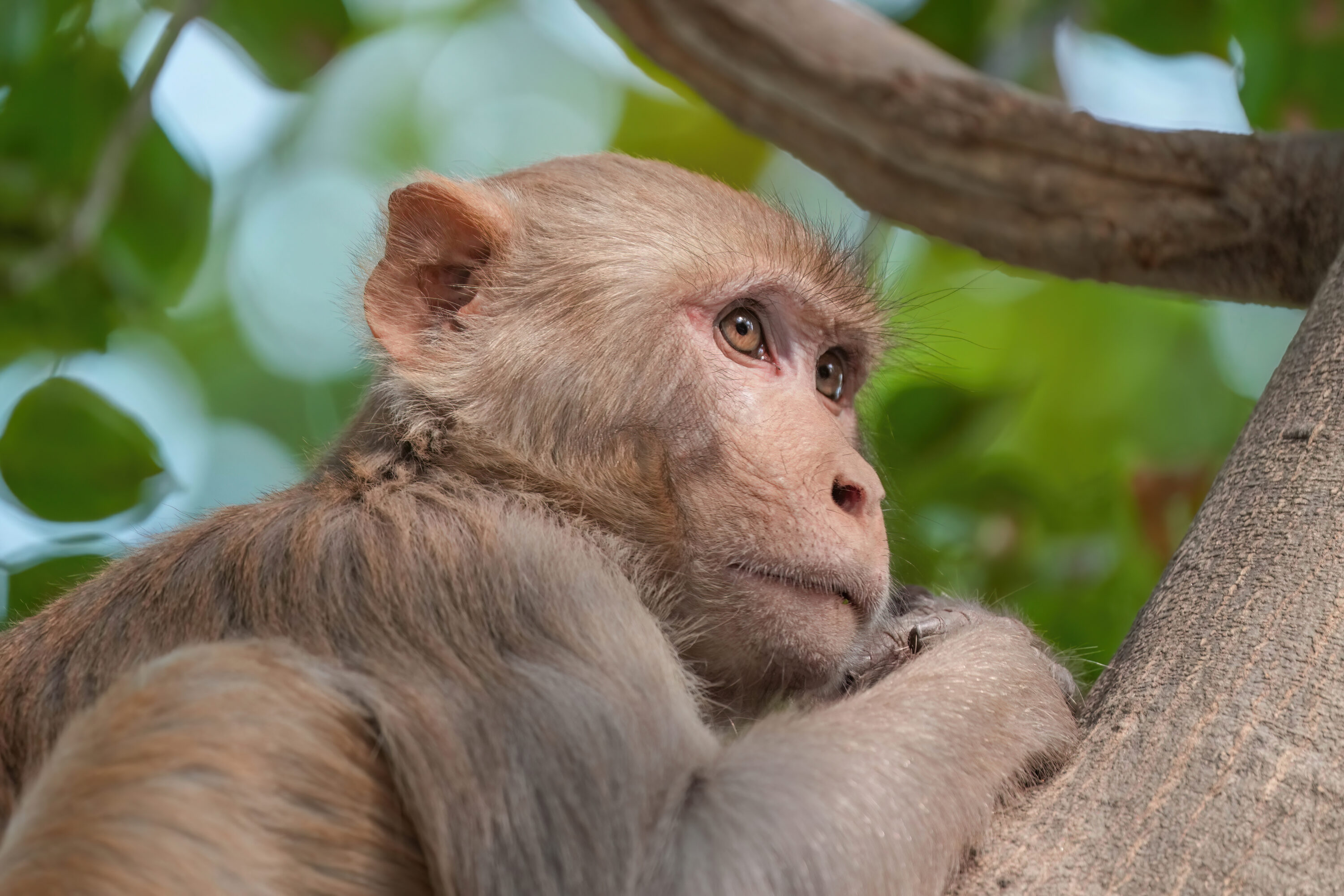
Task Uncertainty Increased Interference From Irrelevant Visual Information in Rhesus Macaque Decisions
Two rhesus macaques made less accurate visual decisions under task uncertainty; recordings and microstimulation in primary visual cortex…
Read story →SPECIES IN THIS STORY
Species in this story
Independent research and conservation news archive
Did you find this information useful?
Wildlife Vagabond is independently built and maintained. Voluntary support helps cover source verification, hosting and continued work on research and conservation news.
Support Wildlife VagabondThe news archive will remain freely available.