
All Six Juvenile Harris’s Hawks Left Their Natal Ranges After Repeated Exploratory Movements
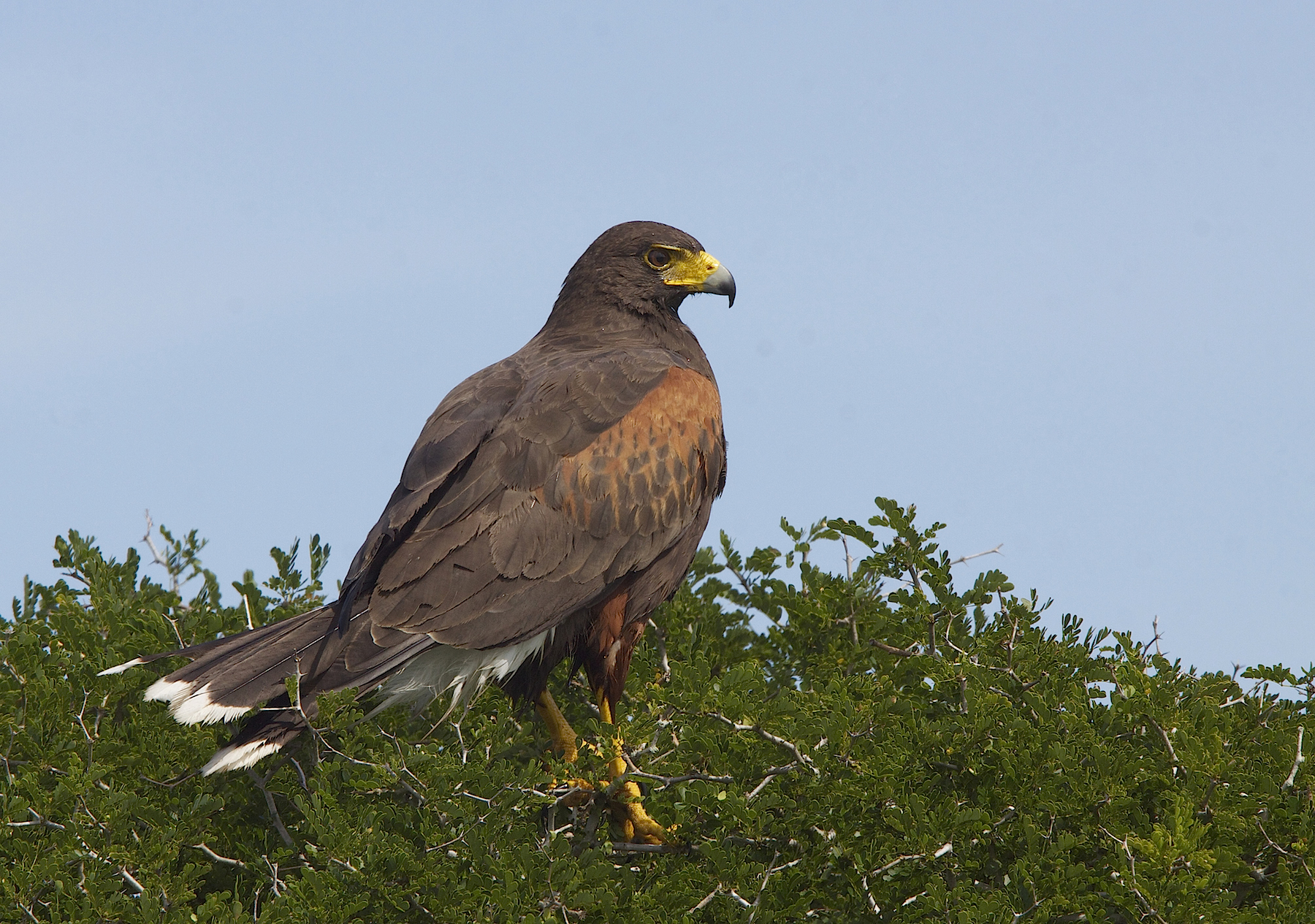
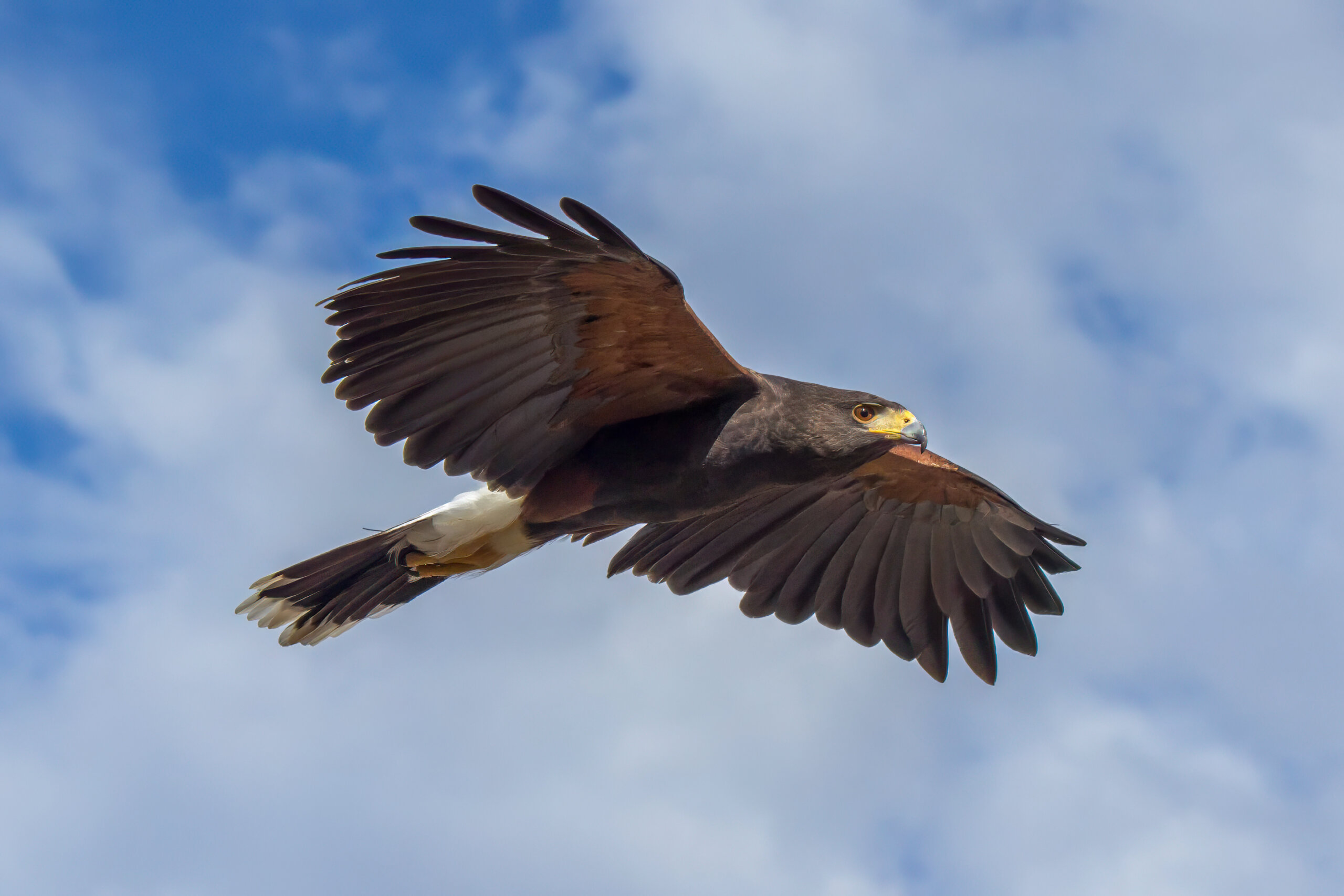
A study of wild Harris’s hawks (Parabuteo unicinctus) in south Texas, USA has documented repeated exploratory movements before juveniles left their natal home ranges. Published on 6 February 2026 in the Journal of Raptor Research, the study used Apple AirTags to follow the movements of 11 hawks living in urban and suburban landscapes.
Researchers Brooke A. Poplin, James C. Bednarz and Andrew J. Gregory focused on a poorly documented stage in the species’ life: what happens when young Harris’s hawks begin moving beyond the family territory before dispersal. The species is well known for cooperative social groups, and juveniles can remain with their natal group for an extended period before establishing themselves elsewhere.
Six juveniles made repeated exploratory movements outside their natal home ranges. Each juvenile made an average of seven such movements during the study, and all six eventually dispersed from their natal ranges. The repeated departures and returns show that dispersal was preceded by a period of exploratory movement rather than occurring as a single departure.
The researchers also recorded exploratory movements by two hawks in adult plumage and documented both moving to new home ranges. These adult-plumaged birds made longer exploratory movements than the juveniles.
More impervious surface was linked to longer exploratory movements
Landscape structure was associated with how far the hawks travelled. Individuals whose home ranges contained a higher proportion of impervious surfaces such as roads, roofs and paved areas made longer exploratory movements. Tracking also ended prematurely more often for these birds, either because tags failed or ran out of battery, or because the hawks moved into areas without nearby Apple devices to relay their locations.
Behaviour
Related news
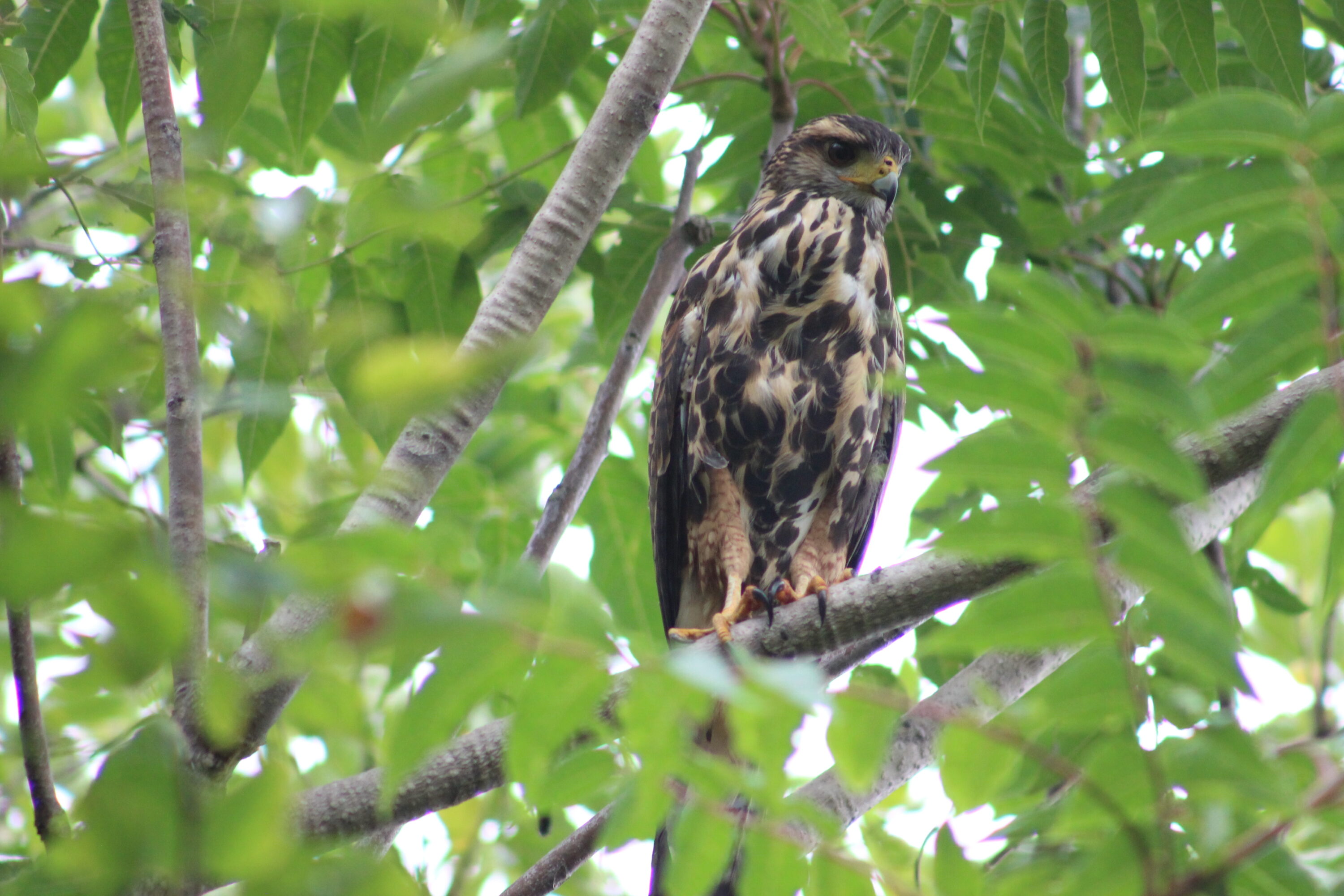
Young Harris’s Hawks Gripped Pine Cones Like Prey
Two young Harris’s hawks in Argentina pulled pine cones from trees and gripped and tore at them with…
Read story →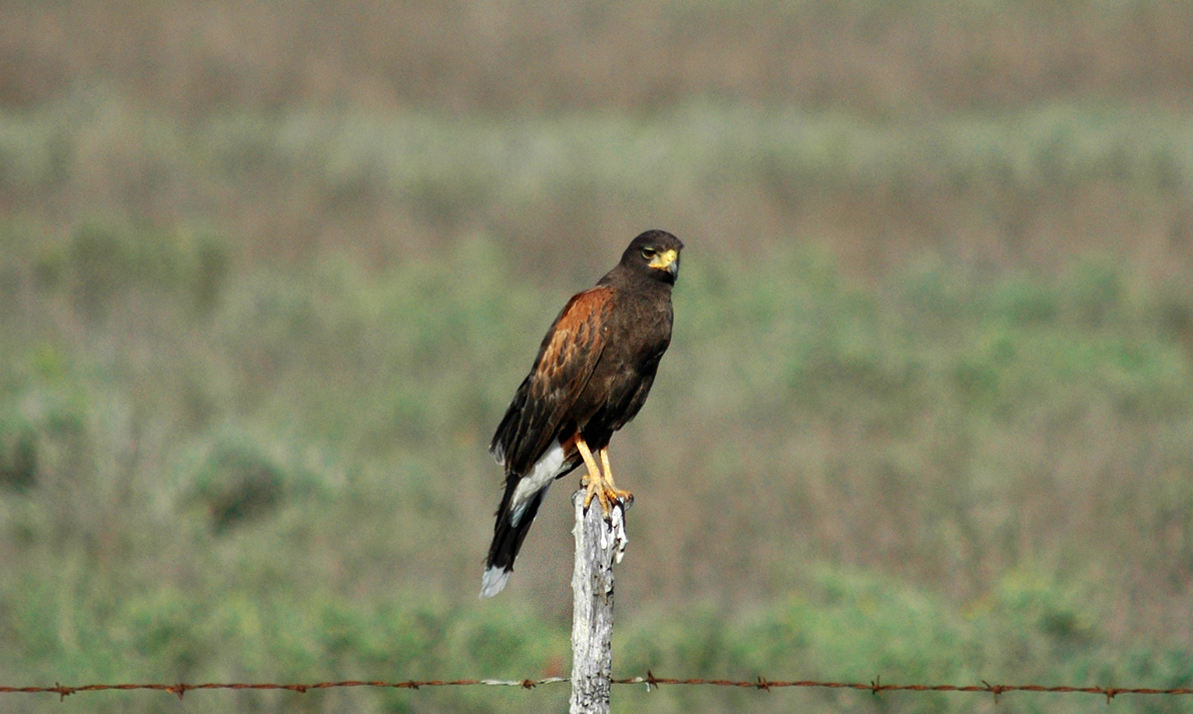
Preliminary Evidence Shows Harris’s Hawks Can Prey on Invasive Red-bellied Squirrels in Buenos Aires
Pellets, prey remains and direct observations in Buenos Aires provided preliminary evidence that Harris’s hawks can capture and…
Read story →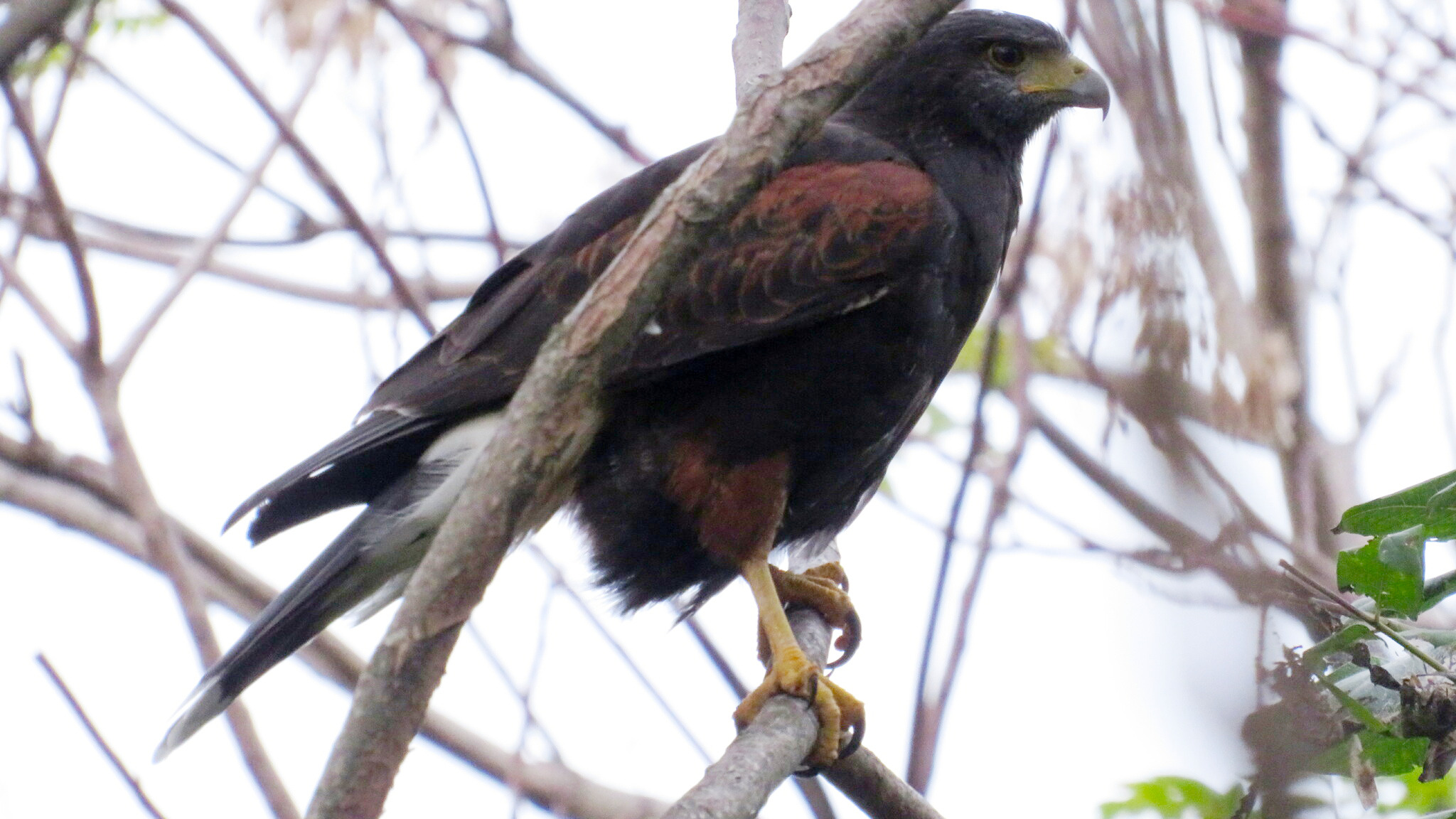
South American Harris's Hawk Form Reached Definitive Adult Plumage After Four Annual Molts
A 2026 study of 139 photographed individuals of the South American Harris's hawk form identified five age classes,…
Read story →SPECIES IN THIS STORY
Species in this story
Independent research and conservation news archive
Did you find this information useful?
Wildlife Vagabond is independently built and maintained. Voluntary support helps cover source verification, hosting and continued work on research and conservation news.
Support Wildlife VagabondThe news archive will remain freely available.