
Heavy-Metal Exposure Coincided With Altered Behaviour in Eurasian Tree Sparrows
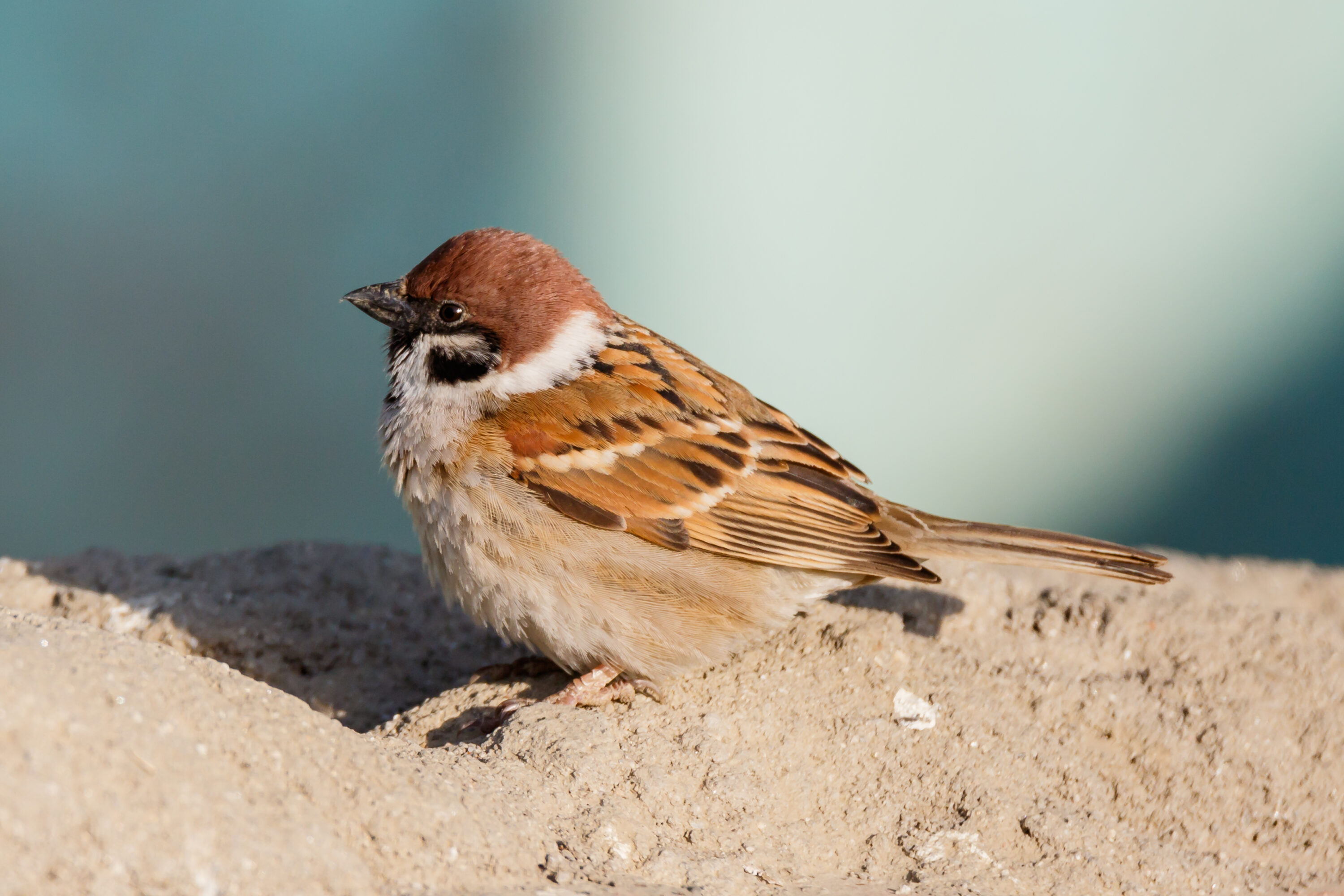
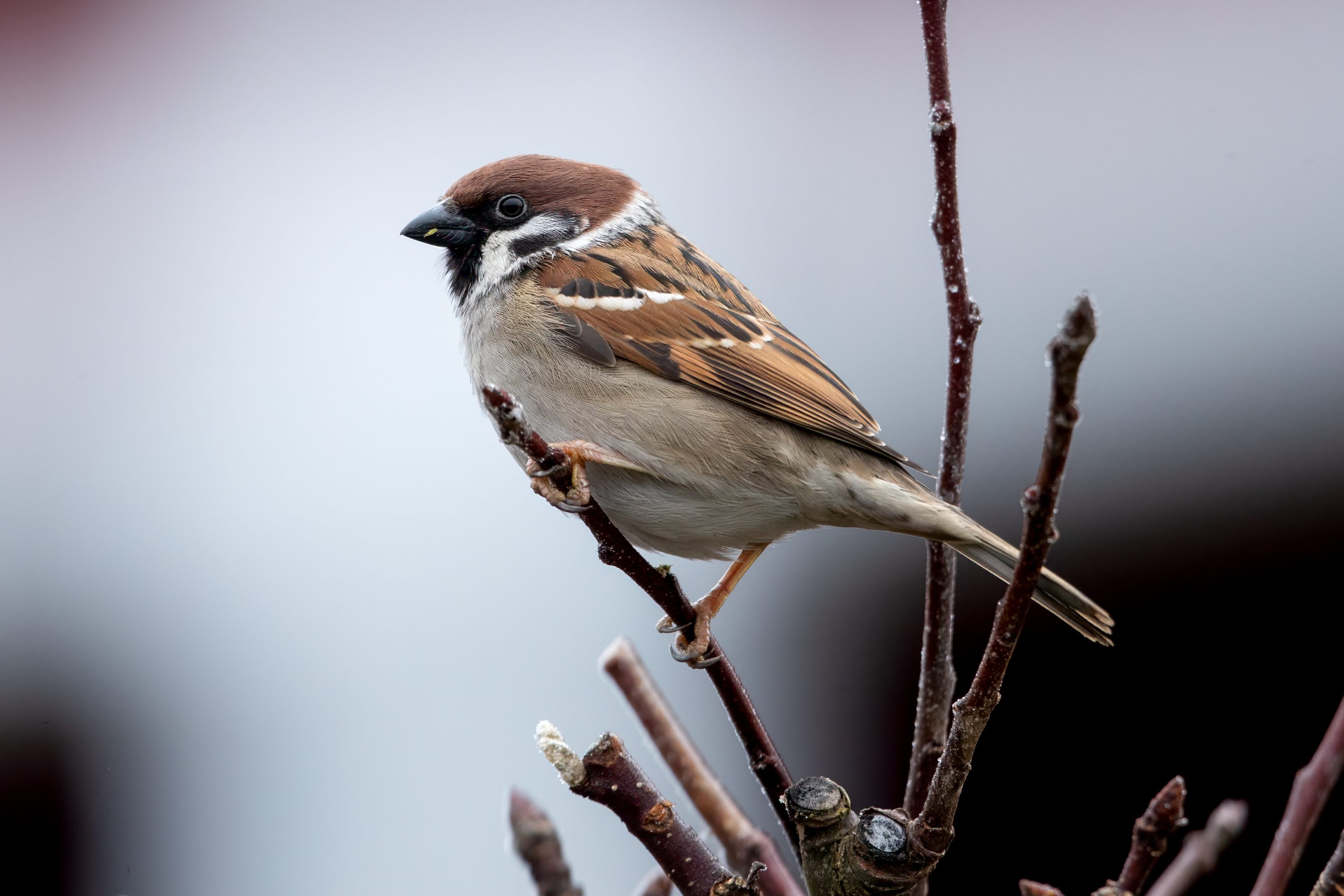
Wild Eurasian tree sparrows (Passer montanus) living beside a long-polluted metal-smelting area showed different behaviour and more signs of developmental instability than birds from a nearby comparison site, according to a new study from Henan Province in China. The findings link greater exposure to several heavy metals with measurable differences in activity, sociability and responses to handling, but the two-site study cannot establish that pollution alone caused those differences.
The researchers compared Eurasian tree sparrows from Mantoushan Village, where industrial wastewater from metal smelting has contaminated the environment, with birds from Geliaofan Village, a relatively unpolluted site 17 kilometres away. Fieldwork conducted between 2021 and 2024 included 140 wild birds: 40 adults and 30 juveniles from each site, divided evenly between males and females.
Polluted-site birds carried more copper, lead, cadmium and chromium
Samples from the birds were analysed for copper, zinc, lead, chromium and cadmium. Birds from the polluted site generally carried higher concentrations of copper, lead, cadmium and chromium in several tissues. They also had lower calcium levels and greater fluctuating asymmetry—small differences between the left and right sides of paired body structures. Such asymmetry is often used as an indicator of developmental instability, although it does not identify a single cause.
The team assessed several aspects of personality under temporary captive conditions. Heart rate during handling was used as one measure of stress responsiveness. Exploration and activity were recorded in a new environment, while reactions to a mirror were used to estimate sociability. The birds were colour-ringed and released after testing.
Some behavioural differences depended on age and sex. Adults and juvenile males from the polluted site were more active, while adult and juvenile males also showed greater sociability in the mirror test. Birds from the comparison site had higher handling heart rates and, in several groups, remained stationary for longer periods. Measures related to boldness and exploration also differed, but not in one uniform direction across every age and sex group.
No simple “polluted personality”
The relationships between individual metals and behaviour were complex. Higher levels of chromium, cadmium, lead or copper were often associated with lower scores for exploration, boldness or sociability, whereas zinc was positively associated with some behaviours. These patterns did not produce a single personality profile that applied to all birds.
The authors suggest several possible biological pathways. Heavy metals can interfere with the nervous system, hormone regulation and energy balance, while reduced calcium may affect physiological function. Behavioural change could in turn influence feeding, predator avoidance, competition and reproduction. However, these mechanisms were not directly tested in this study.
Two sites cannot isolate pollution from every habitat difference
The strongest caution is the study design. Only one polluted site and one comparison site were examined. Because the two villages may differ in food availability, vegetation, predators, human disturbance or other unmeasured conditions, the results cannot separate the effects of metal exposure from every habitat difference. The authors also caution that the study used a modest sample over a limited sampling period, so individual associations should be interpreted cautiously.
Behaviour
Related news
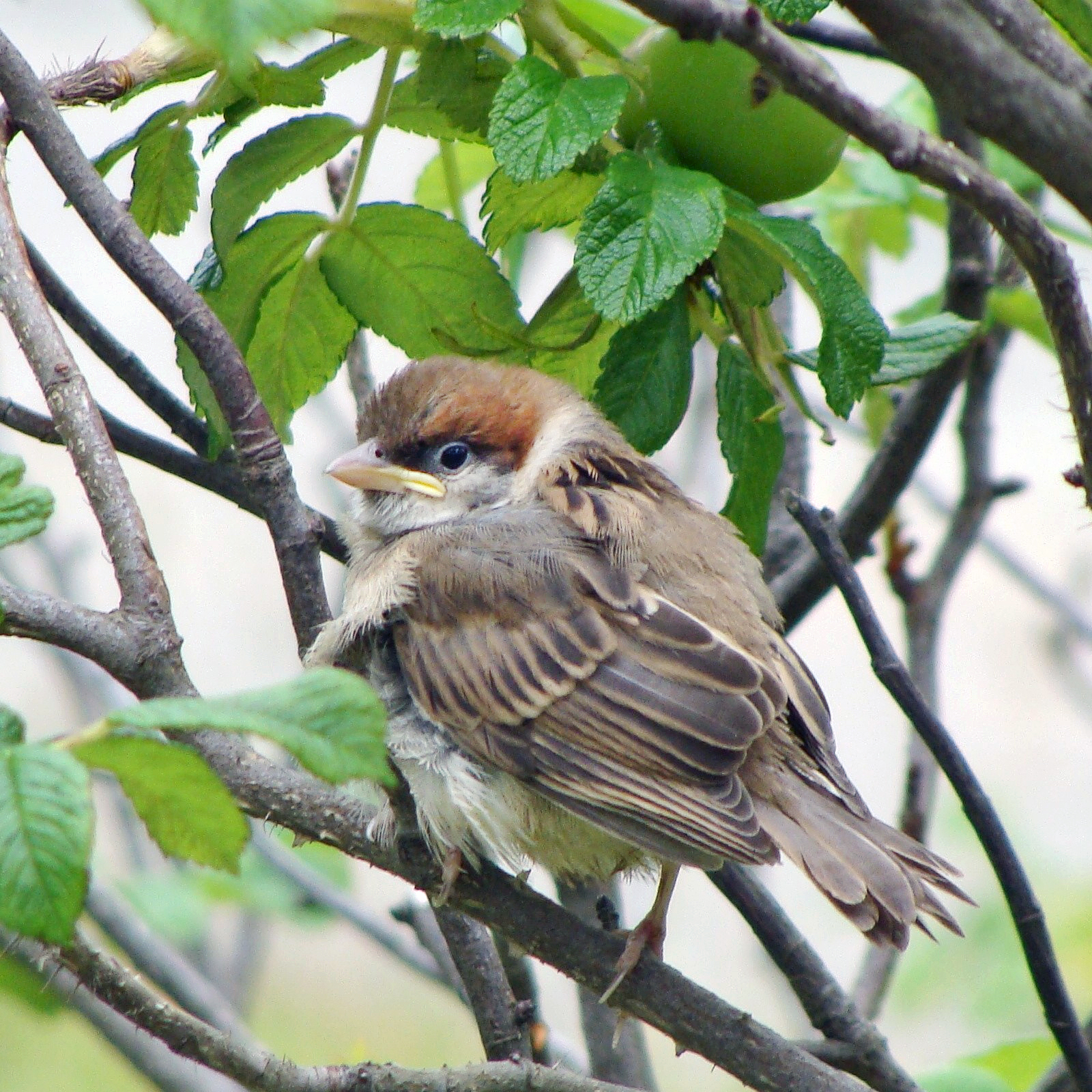
Ground Beetles Dominated the Diet of Eurasian Tree Sparrow Chicks
DNA metabarcoding of 59 faecal samples from Eurasian tree sparrow chicks at three sites in southern England detected…
Read story →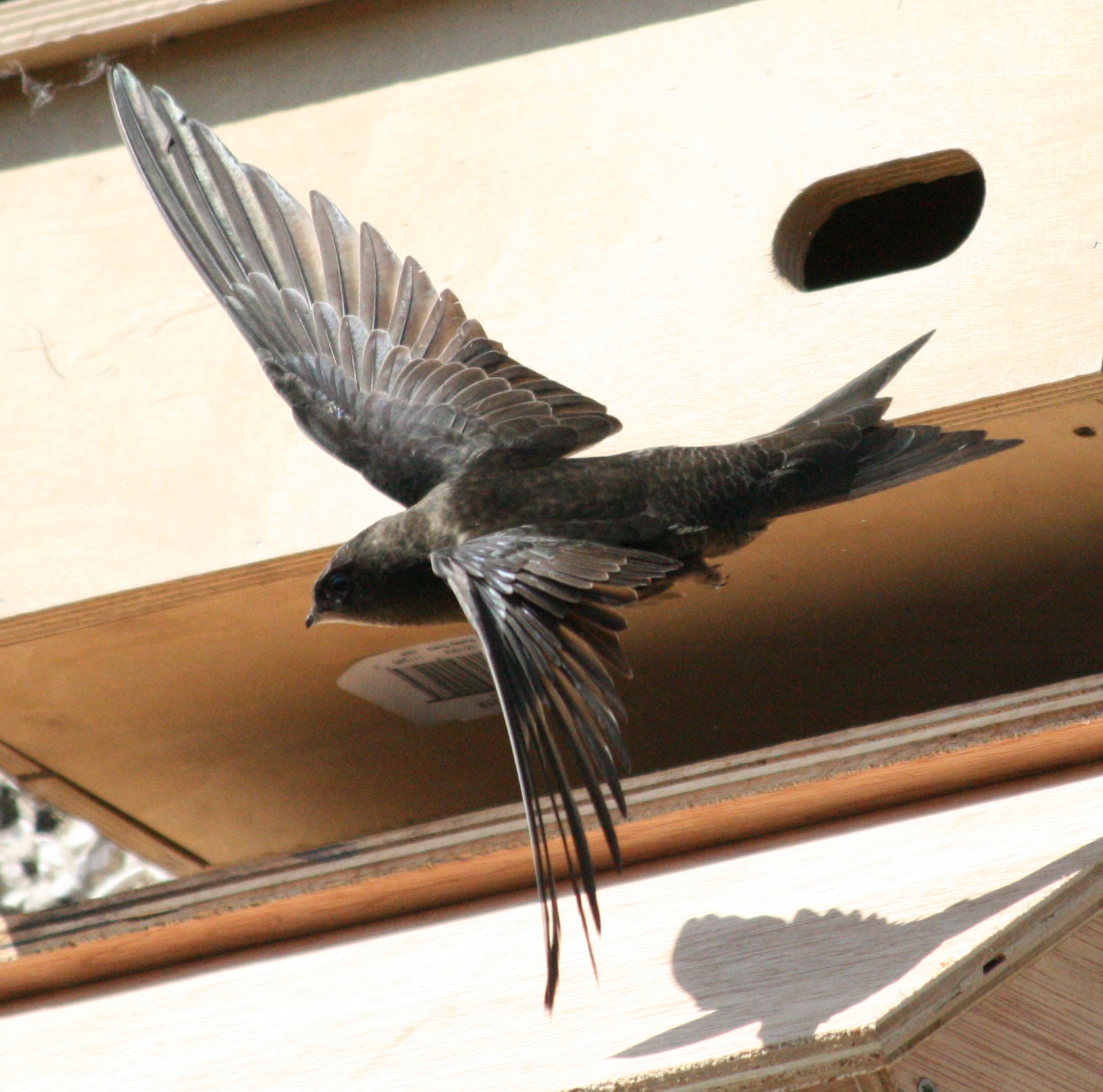
2023 Survey Found Eurasian Tree Sparrows in 7.8% of a Beijing Swift Tower’s Usable Boxes
A 2023 breeding-season survey found Eurasian tree sparrows in 137 of 1,763 usable boxes in a Beijing tower…
Read story →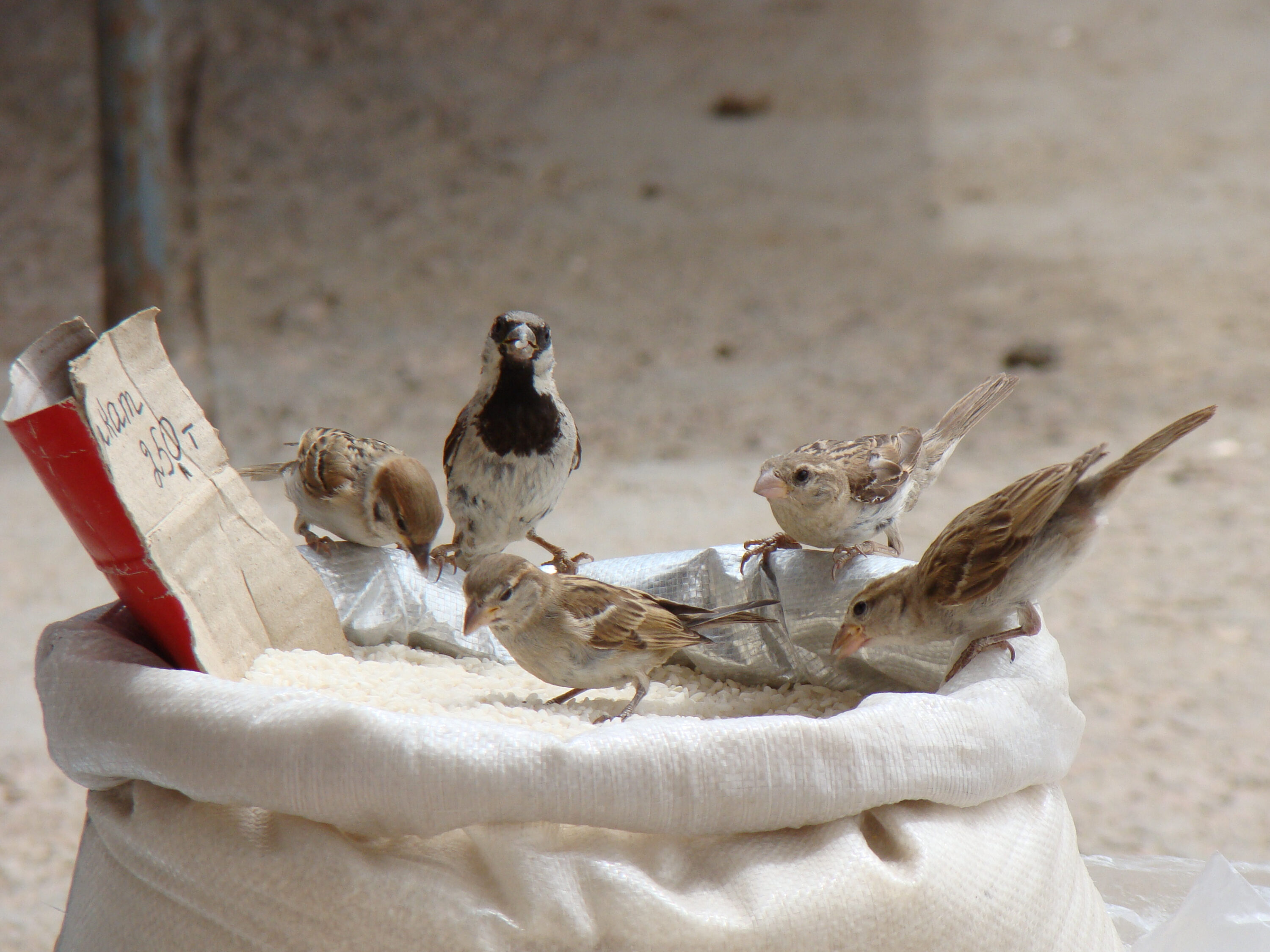
Tree and House Sparrows Divided Assam’s Urban Landscape
Surveys across five towns found tree sparrows most strongly associated with green suburban zones, while house sparrows concentrated…
Read story →SPECIES IN THIS STORY
Species in this story
Independent research and conservation news archive
Did you find this information useful?
Wildlife Vagabond is independently built and maintained. Voluntary support helps cover source verification, hosting and continued work on research and conservation news.
Support Wildlife VagabondThe news archive will remain freely available.