
2023 Survey Found Eurasian Tree Sparrows in 7.8% of a Beijing Swift Tower’s Usable Boxes
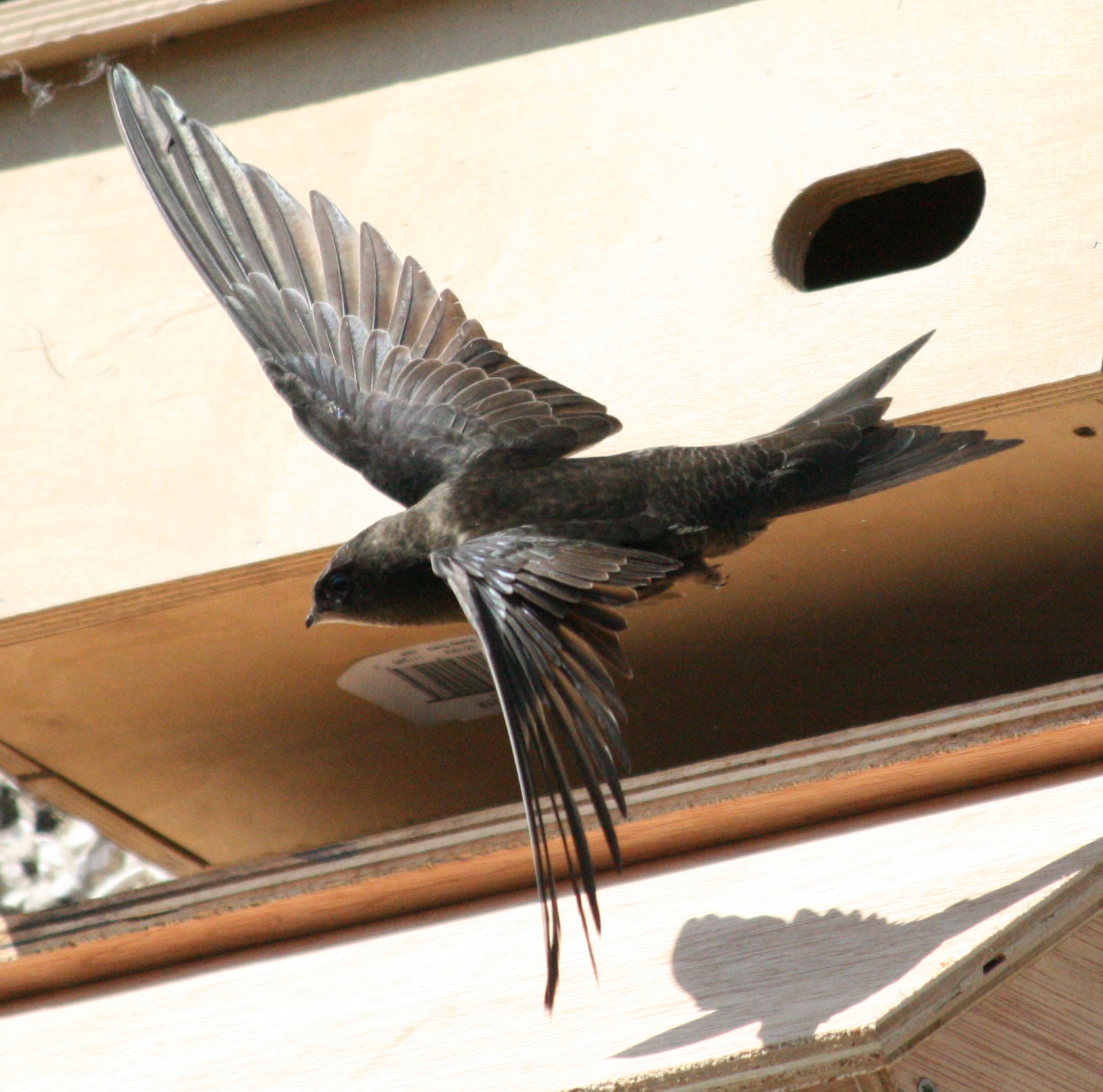
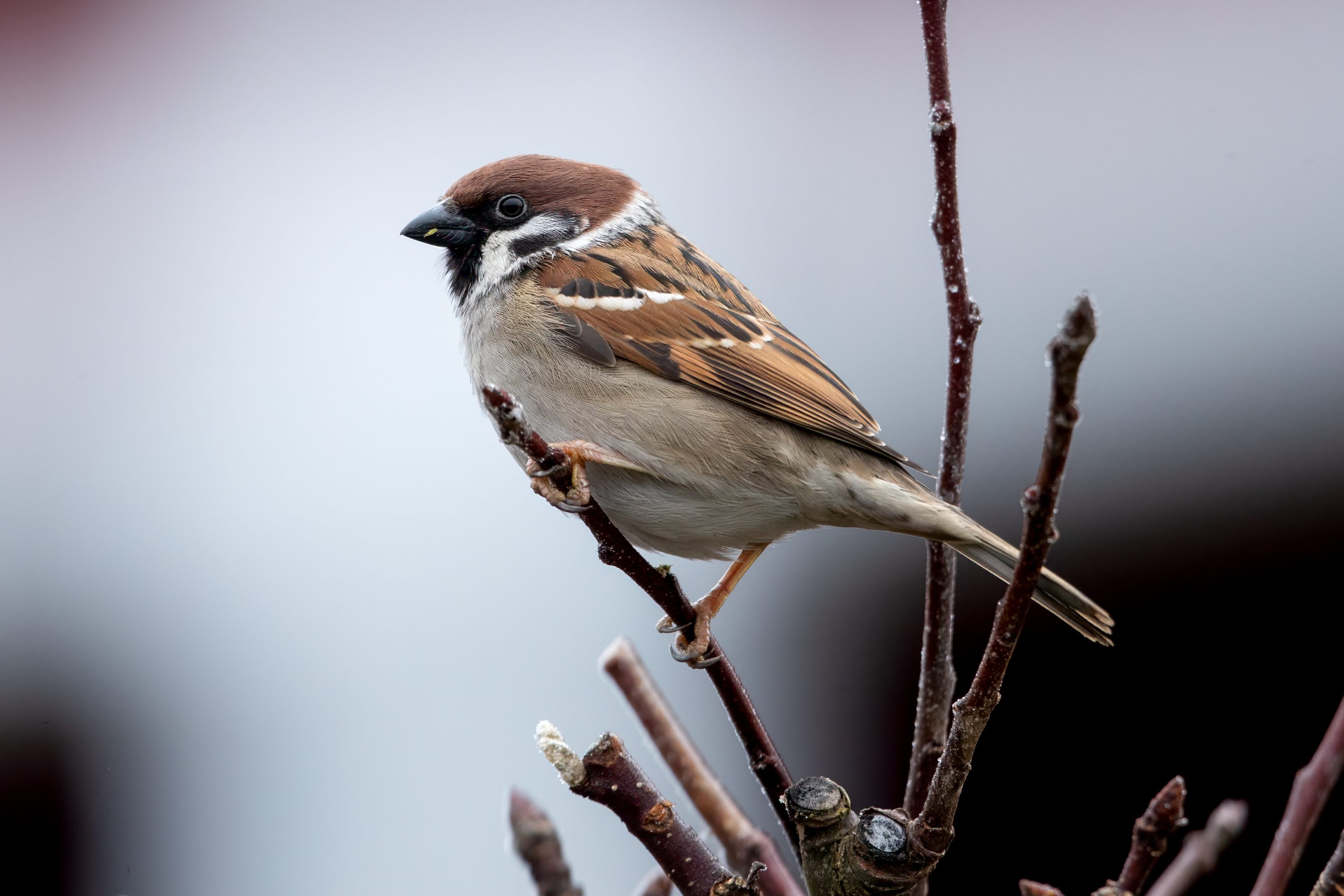
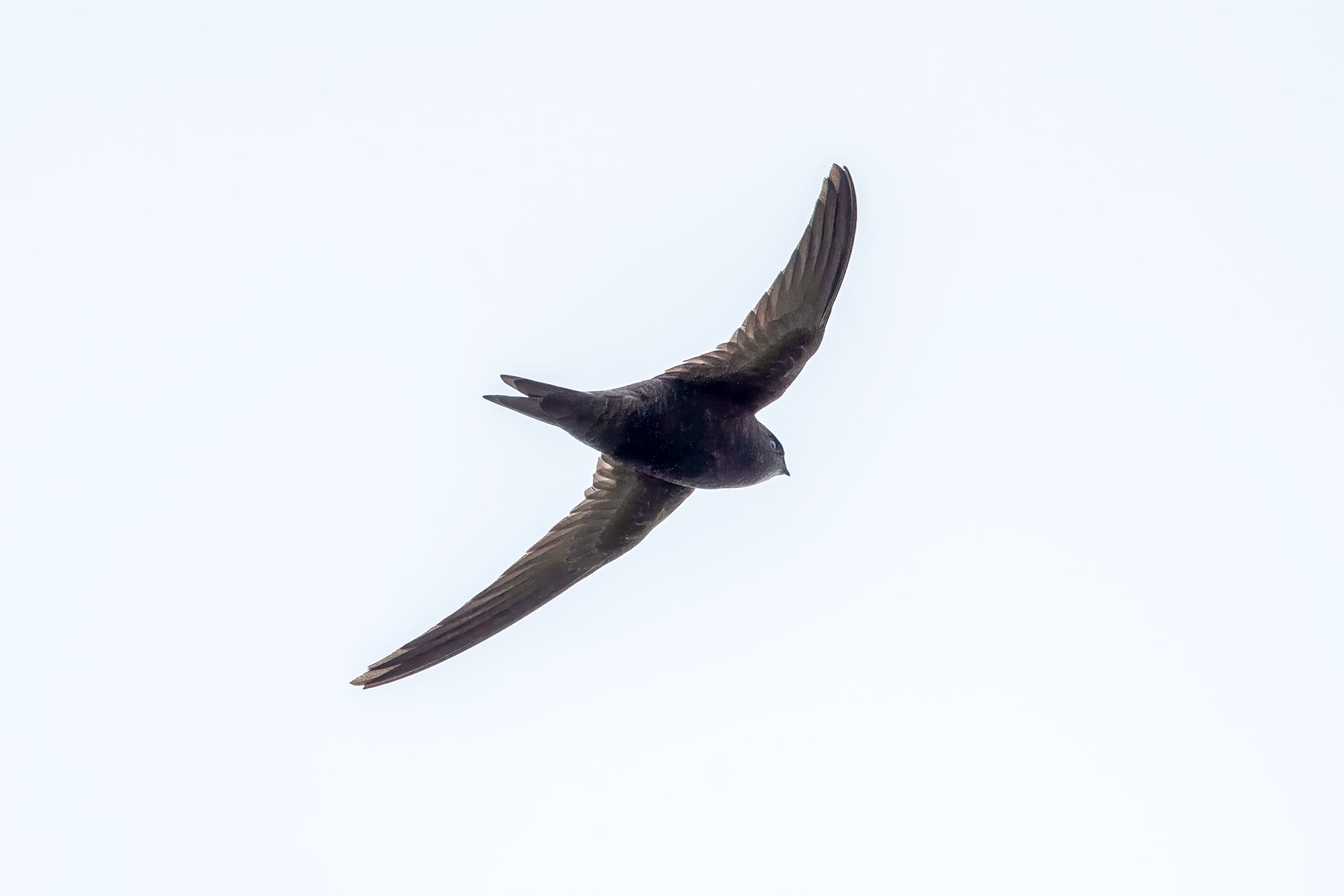
A purpose-built swift tower in Beijing, China’s Olympic Forest Park failed to attract the Beijing subspecies of common swift (Apus apus pekinensis). Instead, Eurasian tree sparrows (Passer montanus) occupied 137 of the 1,763 undamaged nest boxes surveyed in July 2023, an occupancy rate of 7.8 percent.
The 21.42-metre tower was built in connection with preparations for the 2008 Beijing Olympics and contains 2,240 artificial boxes arranged on five levels. Researchers recorded whether boxes were used by tree sparrows and compared box height, orientation and entrance shape. No other bird species, including common swifts, was recorded using the boxes.
Tree sparrows used boxes around 8.4 metres above ground most often and showed higher use of south- and east-facing boxes than north-facing ones. Circular entrances accounted for 68.6 percent of occupied boxes, while elliptical entrances were also used more often than rectangular or triangular openings.
When Lin Sidan and Liang Wei compared the tower with designs that have successfully attracted common swifts elsewhere, they identified several mismatches. Successful swift boxes are generally flatter, positioned on building façades at least five to seven metres above ground, provided with an unobstructed flight path and protected from excessive direct sunlight. The authors also noted that the tower’s boxes were densely arranged and that oversized openings could have facilitated sparrow occupation.
The authors considered competition from tree sparrows as another possible contributor to the absence of swifts, but stated that this requires further confirmation. Their main conclusion was that nest-box design and placement need to reflect the target species’ nesting requirements if artificial structures are to function as intended.
Management
Related news
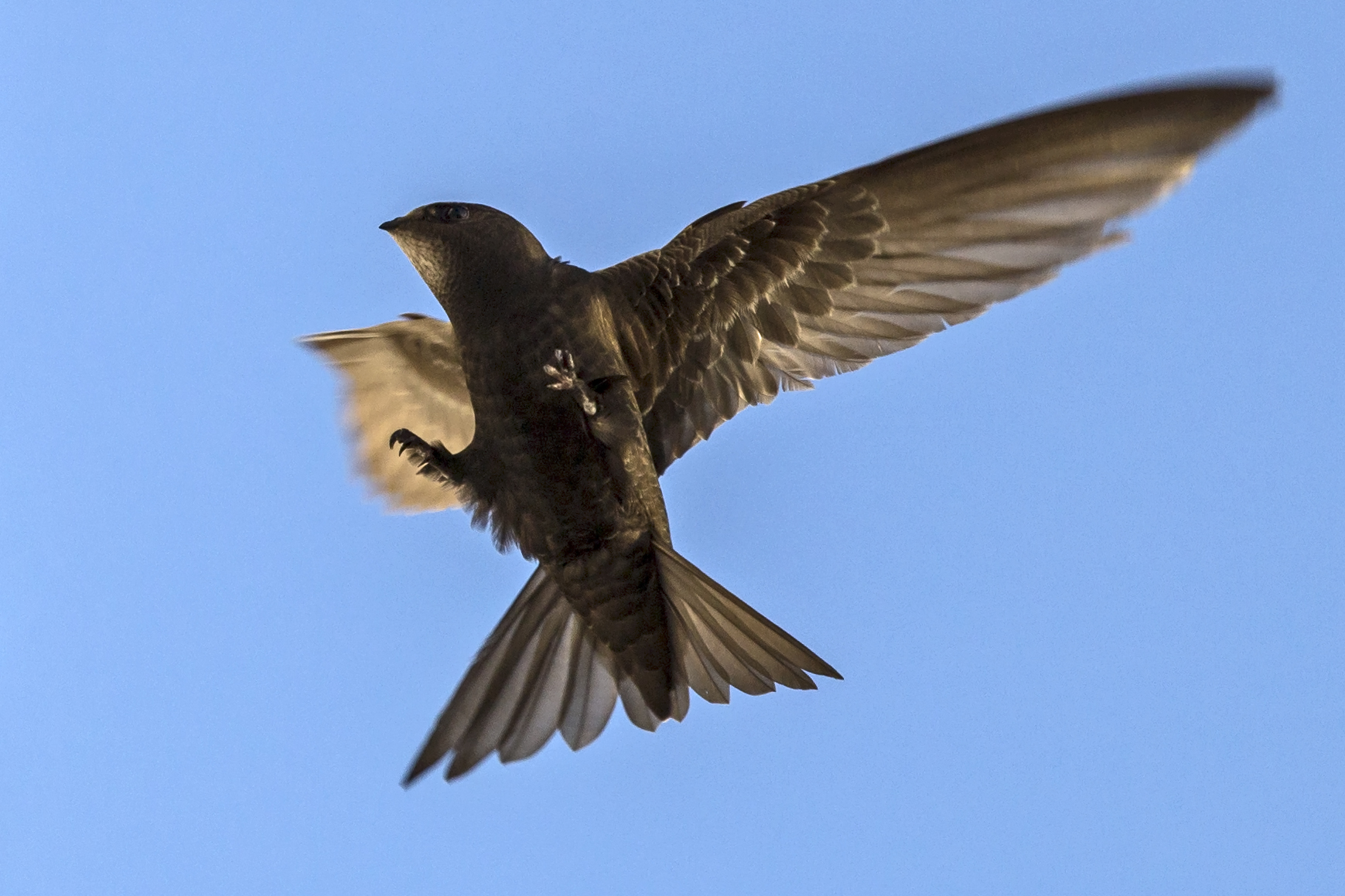
Common Swift Faecal Sacs Contain Measurable Energy That Parents May Recycle
A study of 224 nestling faecal sacs found measurable chemical energy that common swift parents could potentially recycle…
Read story →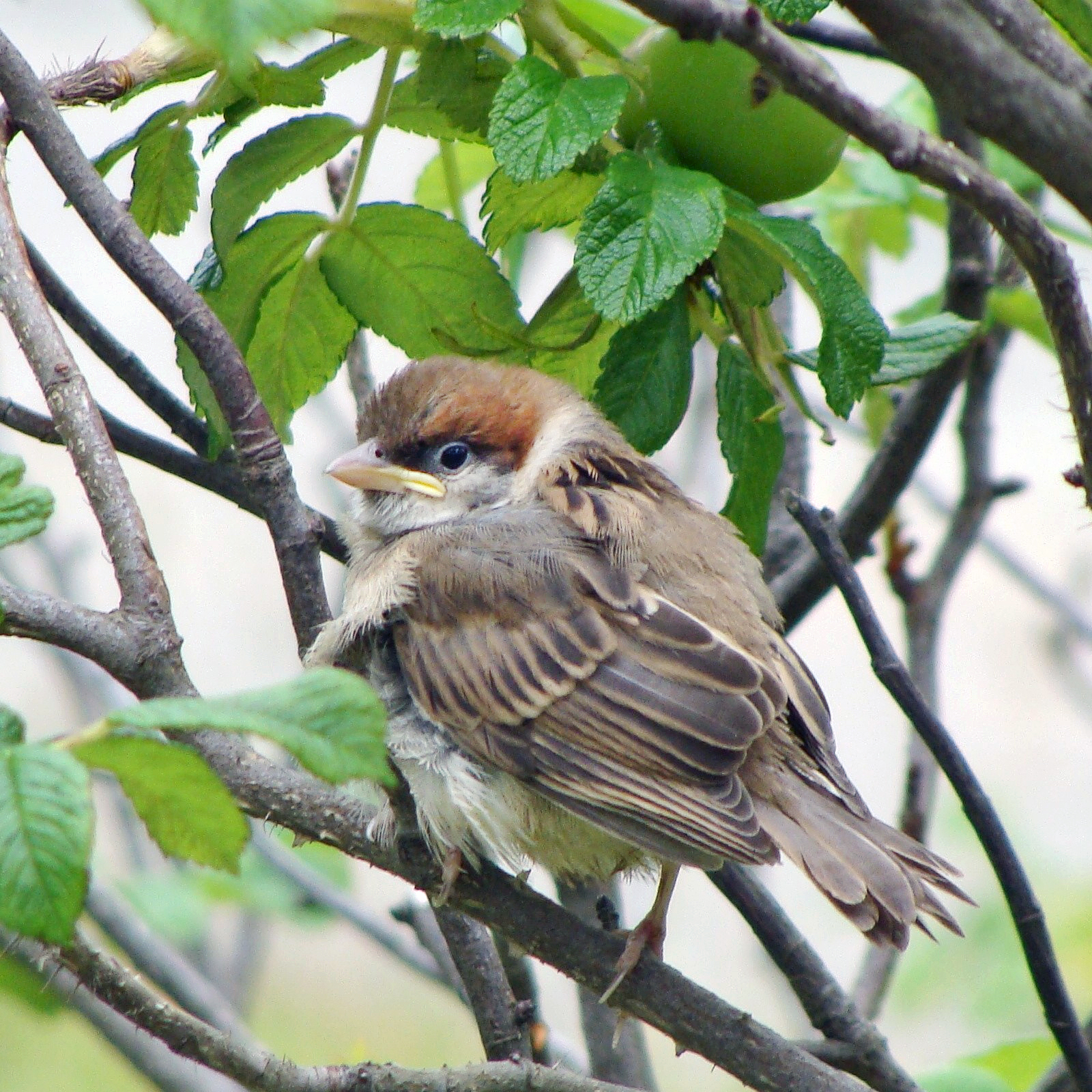
Ground Beetles Dominated the Diet of Eurasian Tree Sparrow Chicks
DNA metabarcoding of 59 faecal samples from Eurasian tree sparrow chicks at three sites in southern England detected…
Read story →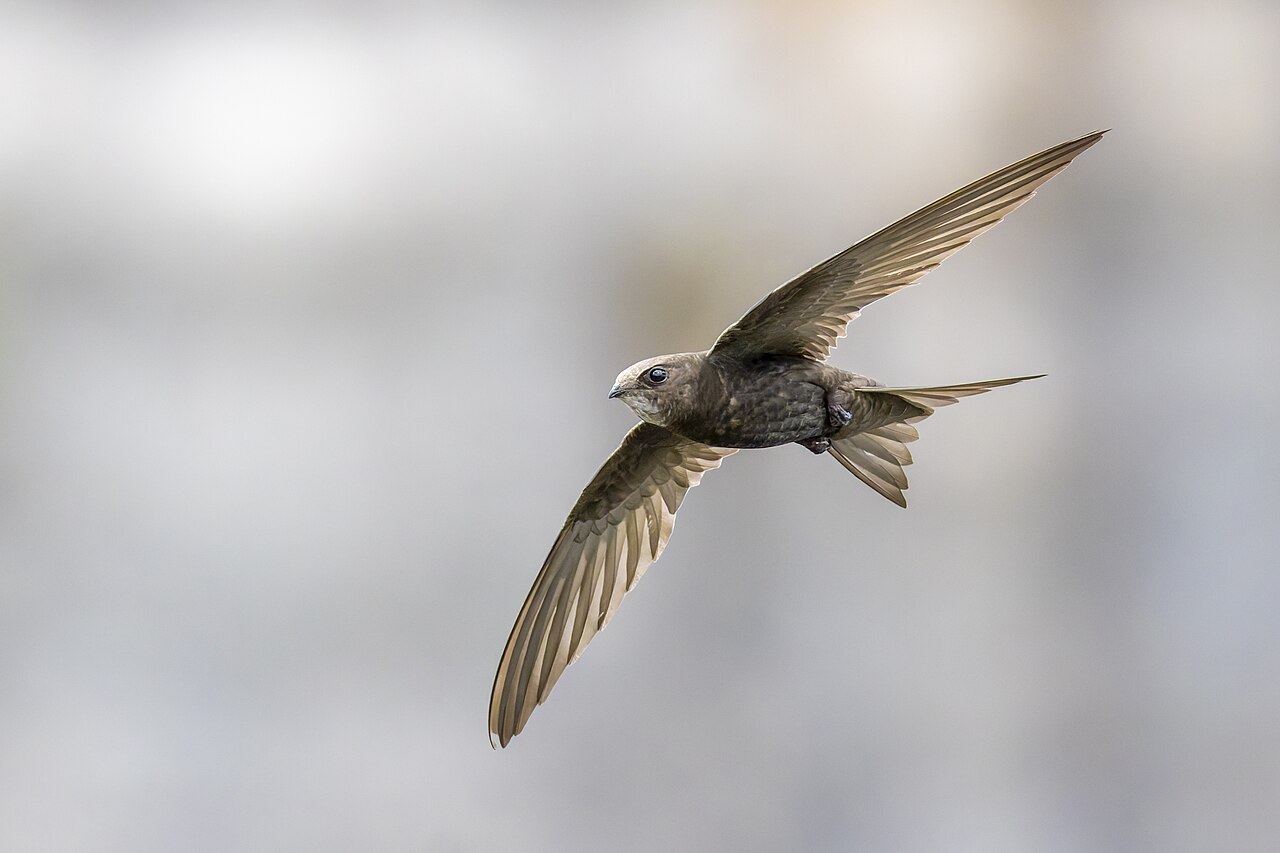
Study Reports First Documented Avipoxvirus Infection in a Swift Species
Four juvenile Common Swifts from three breeding sites in Germany developed avipoxvirus-associated wing lesions. Two recovered and were…
Read story →SPECIES IN THIS STORY
Species in this story
Independent research and conservation news archive
Did you find this information useful?
Wildlife Vagabond is independently built and maintained. Voluntary support helps cover source verification, hosting and continued work on research and conservation news.
Support Wildlife VagabondThe news archive will remain freely available.