
Ground Beetles Dominated the Diet of Eurasian Tree Sparrow Chicks
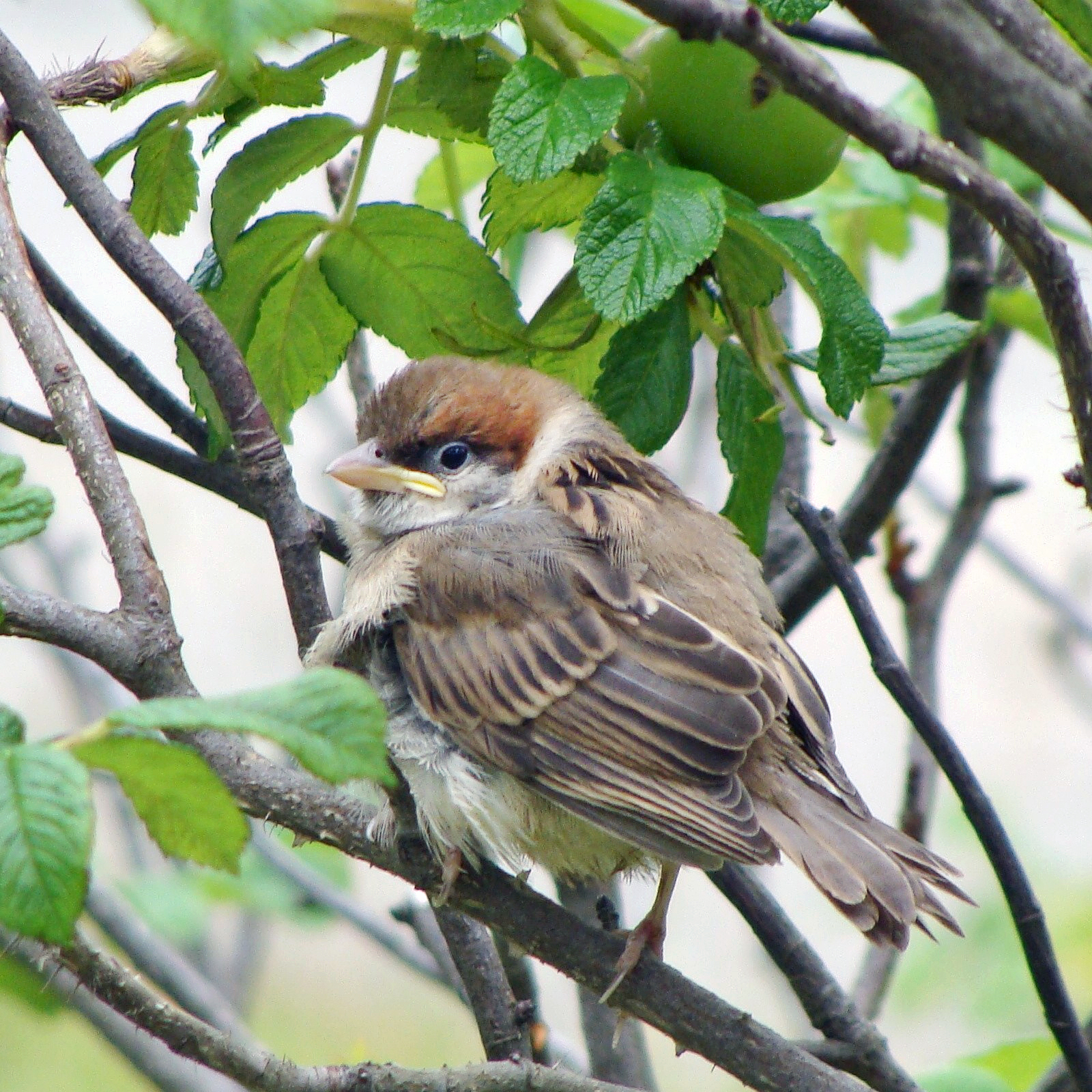
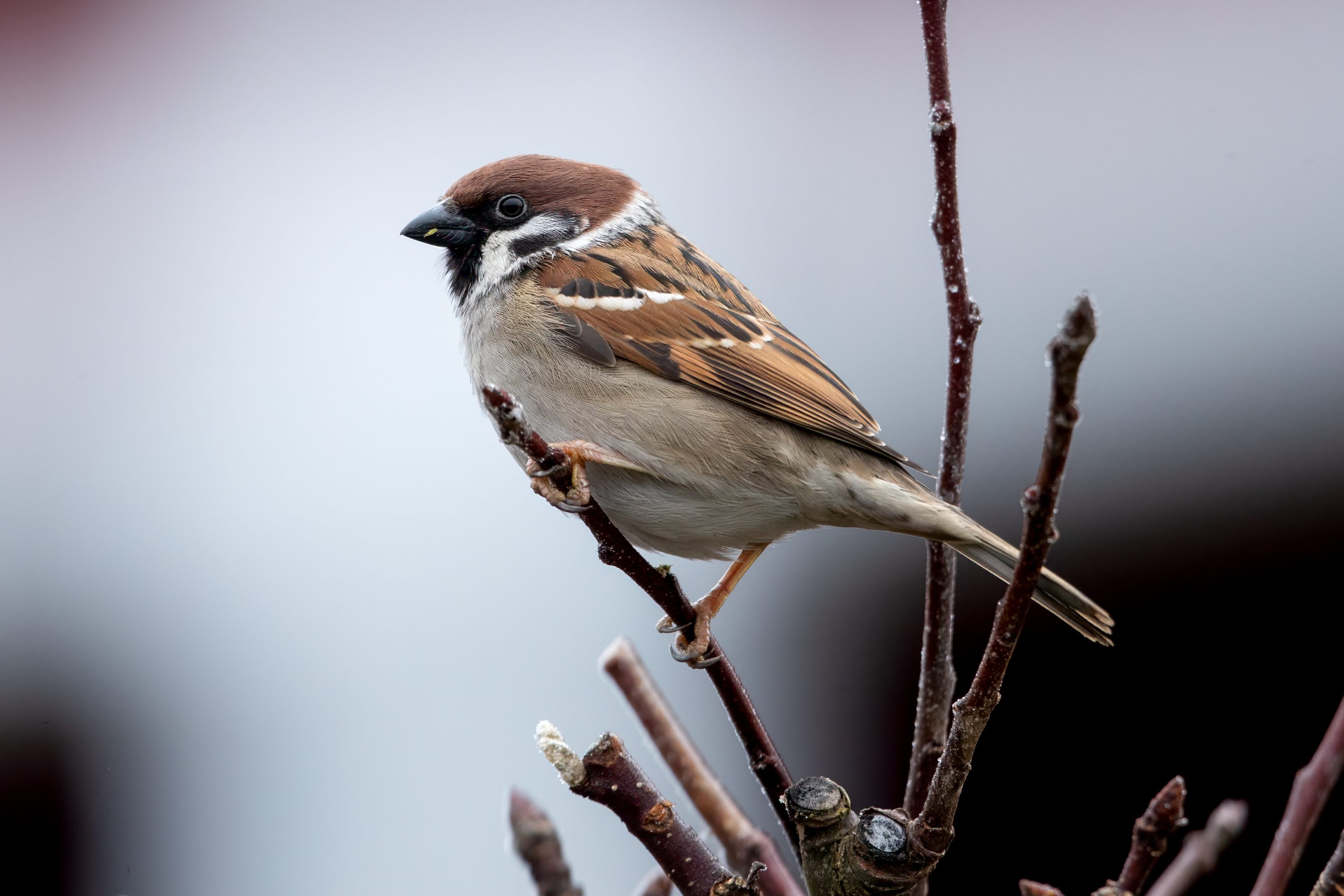
Ground beetles dominated the invertebrate diet detected in Eurasian tree sparrow (Passer montanus) chicks at three sites on the Marlborough Downs in southern England. The 2026 study was the first molecular analysis of nestling diet in the species and pointed to predominantly ground-based foraging by the adults feeding them.
During the 2024 breeding season, researchers collected faecal samples from chicks and used DNA metabarcoding of the COI region to identify prey. This method reads short DNA sequences from the mixed remains in a sample and compares them with reference sequences, allowing several prey species to be identified at once; COI is a commonly used animal DNA-barcode region. Usable invertebrate DNA was recovered from 59 samples. The analysis detected 22 species from five orders: beetles, flies, wasps and their relatives, true bugs and spiders.
Ground beetles were the most frequent individual prey
Beetles were detected in 73.1% of the samples. The two most frequently identified individual prey species were both ground beetles: Pterostichus melanarius occurred in 22.6% of samples and Poecilus cupreus in 12.9%.
Relatively few invertebrate species were detected in each sample. The authors suggest two possible explanations: parents may have repeatedly delivered the same prey species, or food may pass through young chicks quickly enough for each sample to represent only a short dietary window.
Diet varied between sites, habitats and sampling times
Prey composition showed significant spatial and temporal variation across the study. The authors link this pattern to local habitat features and cropping patterns around nest sites, which can change which invertebrates are available to breeding tree sparrows.
The prominence of ground beetles led the authors to conclude that parents were foraging mainly at or close to ground level. They therefore highlight bare ground and sparse or short vegetation as potentially important feeding habitat during the breeding season. The study therefore provides a molecular baseline for examining how chick diet varies between habitats and through the breeding season.
Ecology
Related news
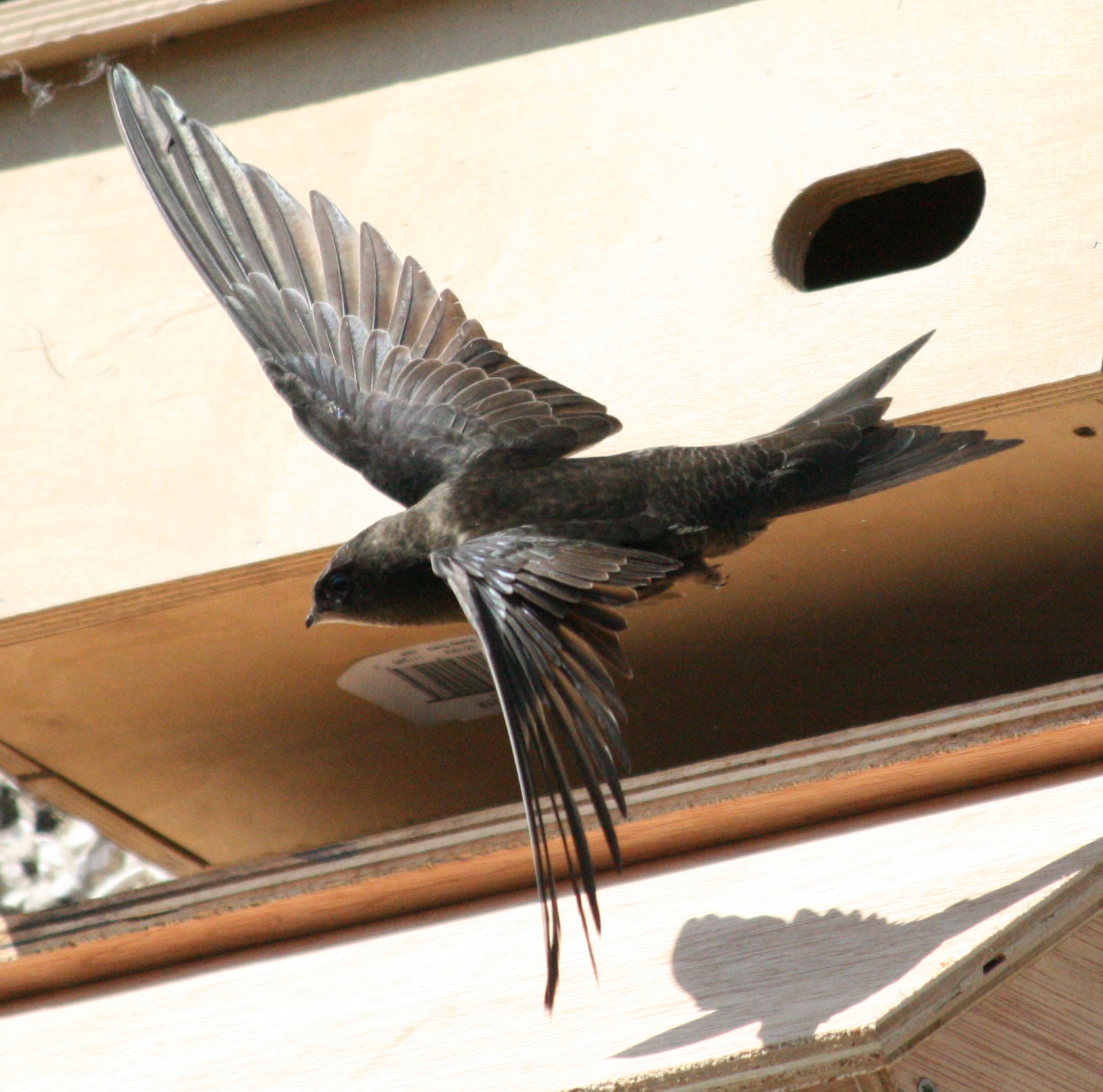
2023 Survey Found Eurasian Tree Sparrows in 7.8% of a Beijing Swift Tower’s Usable Boxes
A 2023 breeding-season survey found Eurasian tree sparrows in 137 of 1,763 usable boxes in a Beijing tower…
Read story →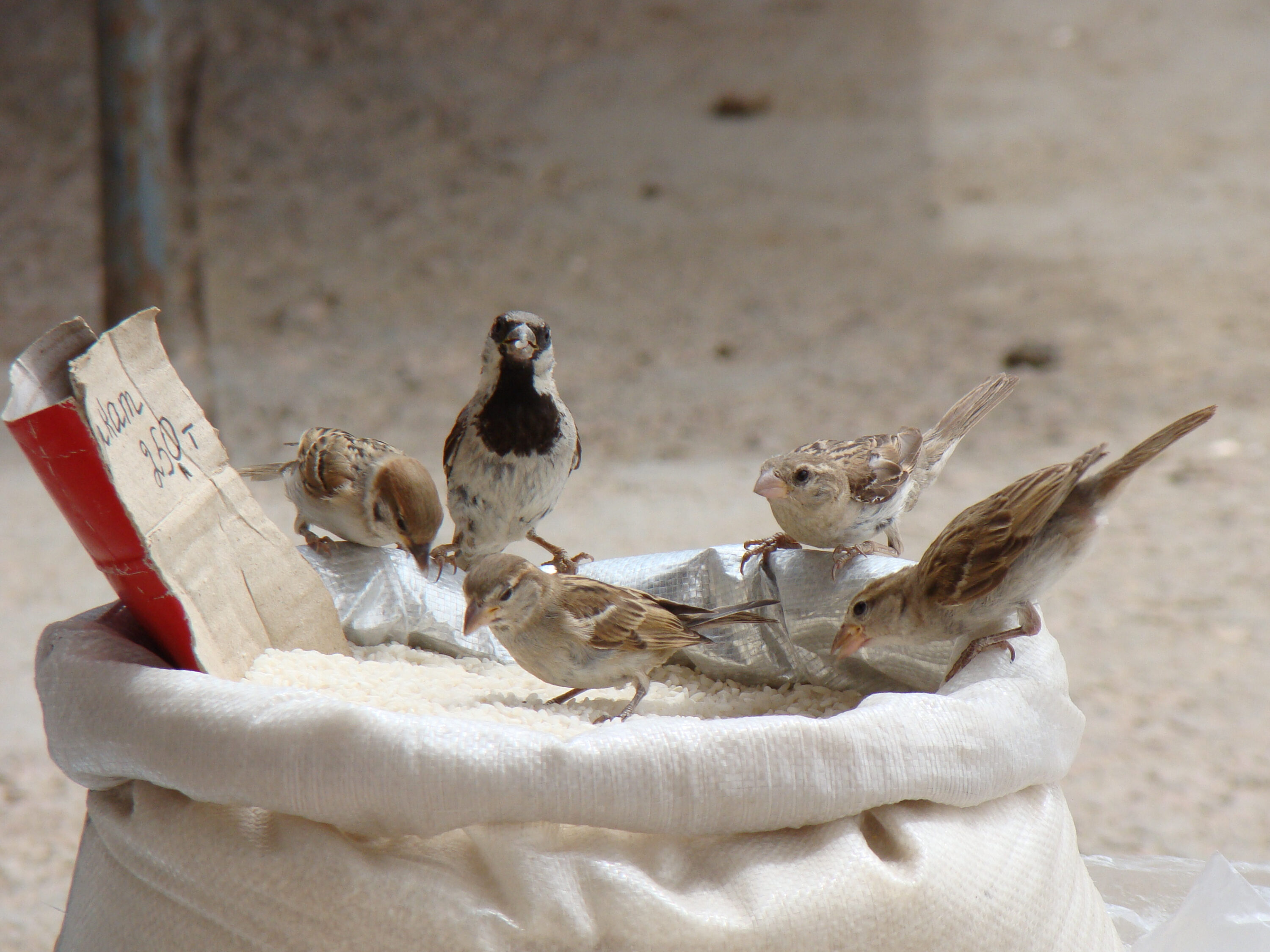
Tree and House Sparrows Divided Assam’s Urban Landscape
Surveys across five towns found tree sparrows most strongly associated with green suburban zones, while house sparrows concentrated…
Read story →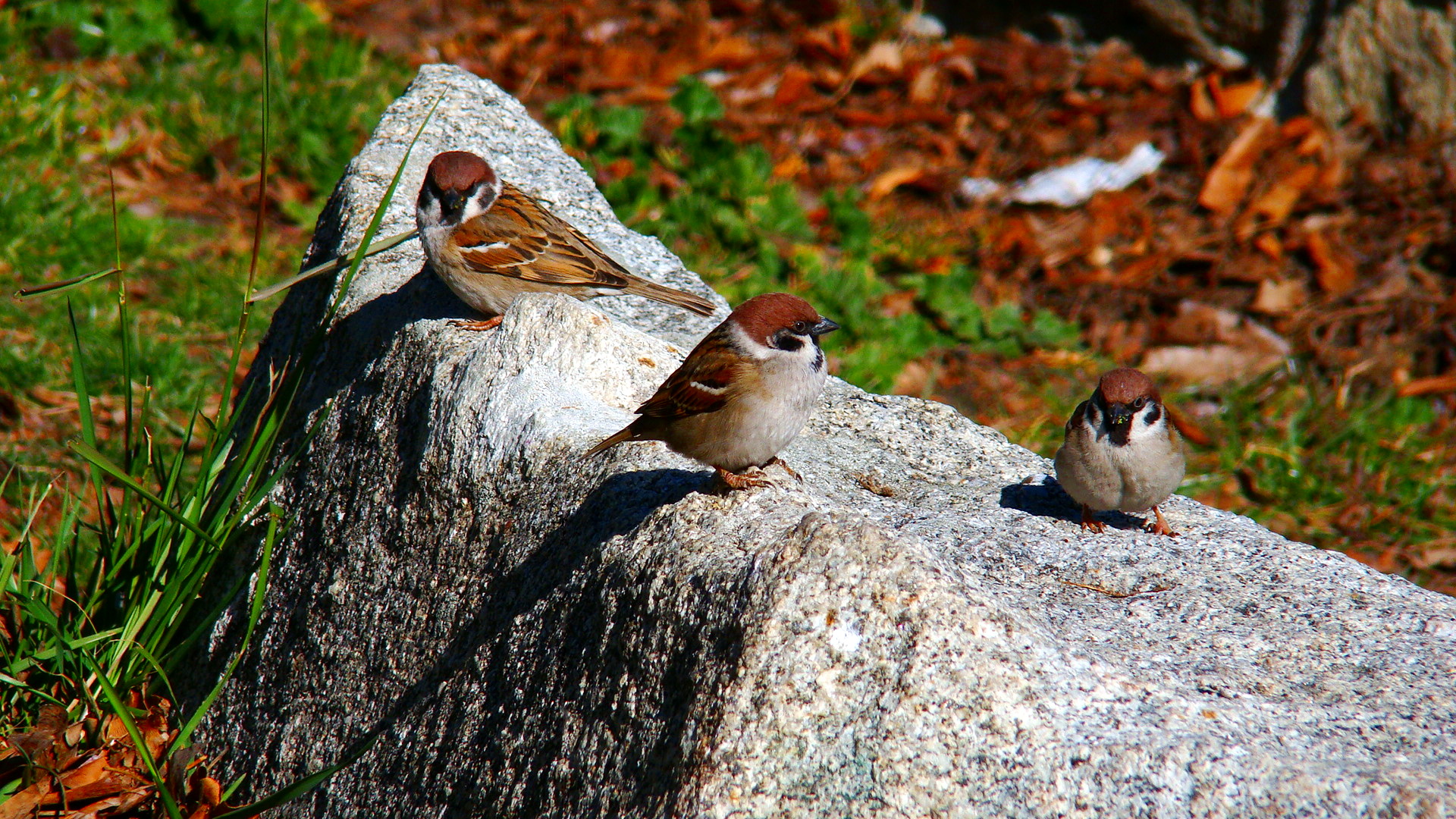
Estimated Adult Tree Sparrow Survival Was Lower in Intensively Managed Madrid Parks
A 19-year study linked intensive maintenance of Madrid green spaces to lower estimated adult survival in Eurasian tree…
Read story →SPECIES IN THIS STORY
Species in this story
Independent research and conservation news archive
Did you find this information useful?
Wildlife Vagabond is independently built and maintained. Voluntary support helps cover source verification, hosting and continued work on research and conservation news.
Support Wildlife VagabondThe news archive will remain freely available.