
Higher Social Density Increased Testosterone in Eurasian Blue Tit Egg Yolks
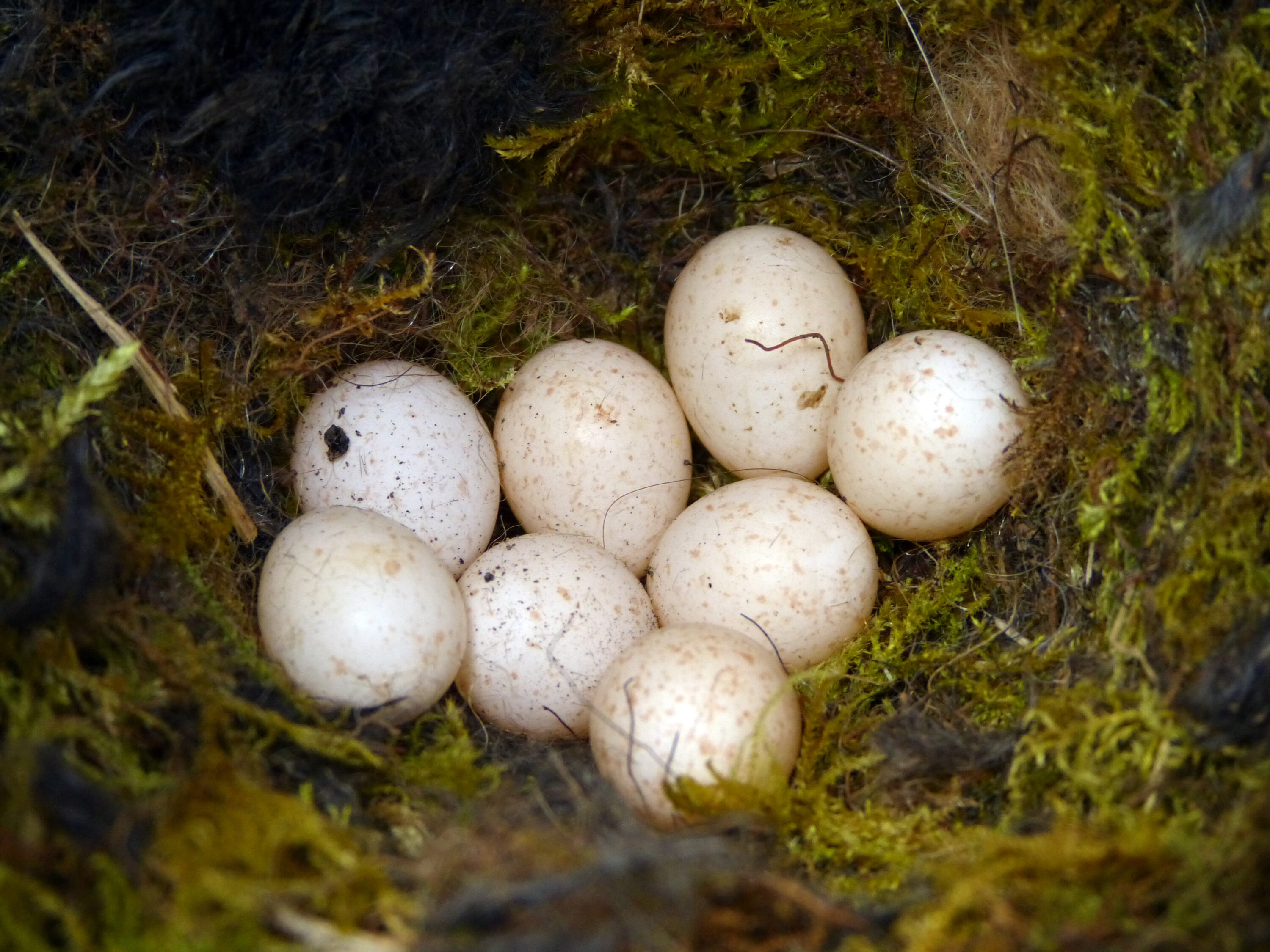
Female Eurasian blue tits (Cyanistes caeruleus) breeding in experimentally crowded areas deposited more testosterone in their egg yolks than females breeding at lower social density, according to a study published on 18 February 2026. The researchers also found later behavioural differences among the offspring, including greater sociability in males raised at low density.
Mothers can influence offspring development not only through genes and parental care, but also by transferring hormones into the egg before hatching. Yolk testosterone is one such maternal signal, so changes in its concentration provide a possible route by which the mother’s social environment can shape offspring behaviour and development.
The experiment took place in spring 2023 in a Pyrenean oak forest at Miraflores de la Sierra in central Spain. Researchers divided the 52-hectare study area into 12 plots and rearranged nest boxes before egg laying, creating six high-density and six low-density areas. High-density plots averaged 8.33 breeding pairs, compared with 4.33 in low-density plots.
Crowded mothers put more testosterone into their eggs
The third egg from each clutch was collected for hormone analysis. Seventy-six nests were initially included, and yolk testosterone could be measured from 73. Females in the high-density plots laid eggs with significantly higher testosterone concentrations than females in the low-density plots. The density treatment did not produce a significant change in clutch size or egg mass.
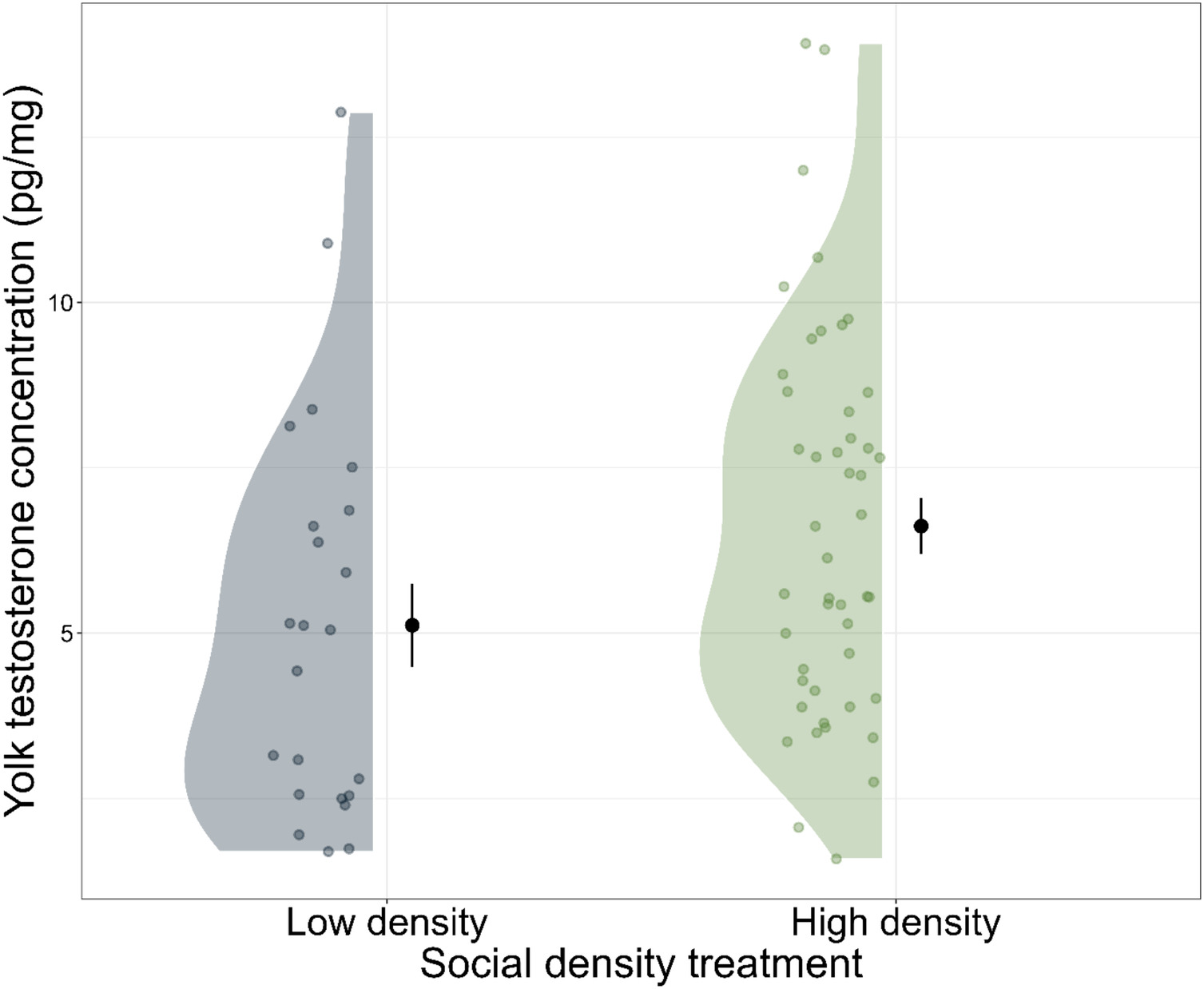
The authors interpret the increased maternal testosterone transfer as a response to a more competitive social environment. In dense breeding neighbourhoods, encounters with other blue tits are likely to be more frequent, potentially favouring offspring traits suited to greater competition.
Male offspring at low density were more sociable
After hatching, the researchers tested nestlings in a social preference arena and measured breathing rate as a proxy for behavioural proactivity. Male nestlings raised at low density showed a stronger preference for the larger group stimulus, while the same density effect was not detected in females. Nestling body mass on days 8 and 12 was not significantly affected by either social density or yolk testosterone concentration.
Breathing rate also carried two distinct signals. It showed a positive but non-linear relationship with yolk testosterone concentration, while nestlings raised in the high-density plots had lower breathing rates than those raised at low density. Because breathing rate was used as a proxy for behavioural proactivity, the result shows that prenatal hormone exposure and the social conditions experienced after hatching were associated with offspring behavioural phenotype in different ways.
Physiology
Related news

Inland Mute Swans Had Higher Winter Body Condition Despite Harsher Winters and Supplemental Feeding
A study of 853 mute swans from four Polish wintering regions found higher body condition inland than on…
Read story →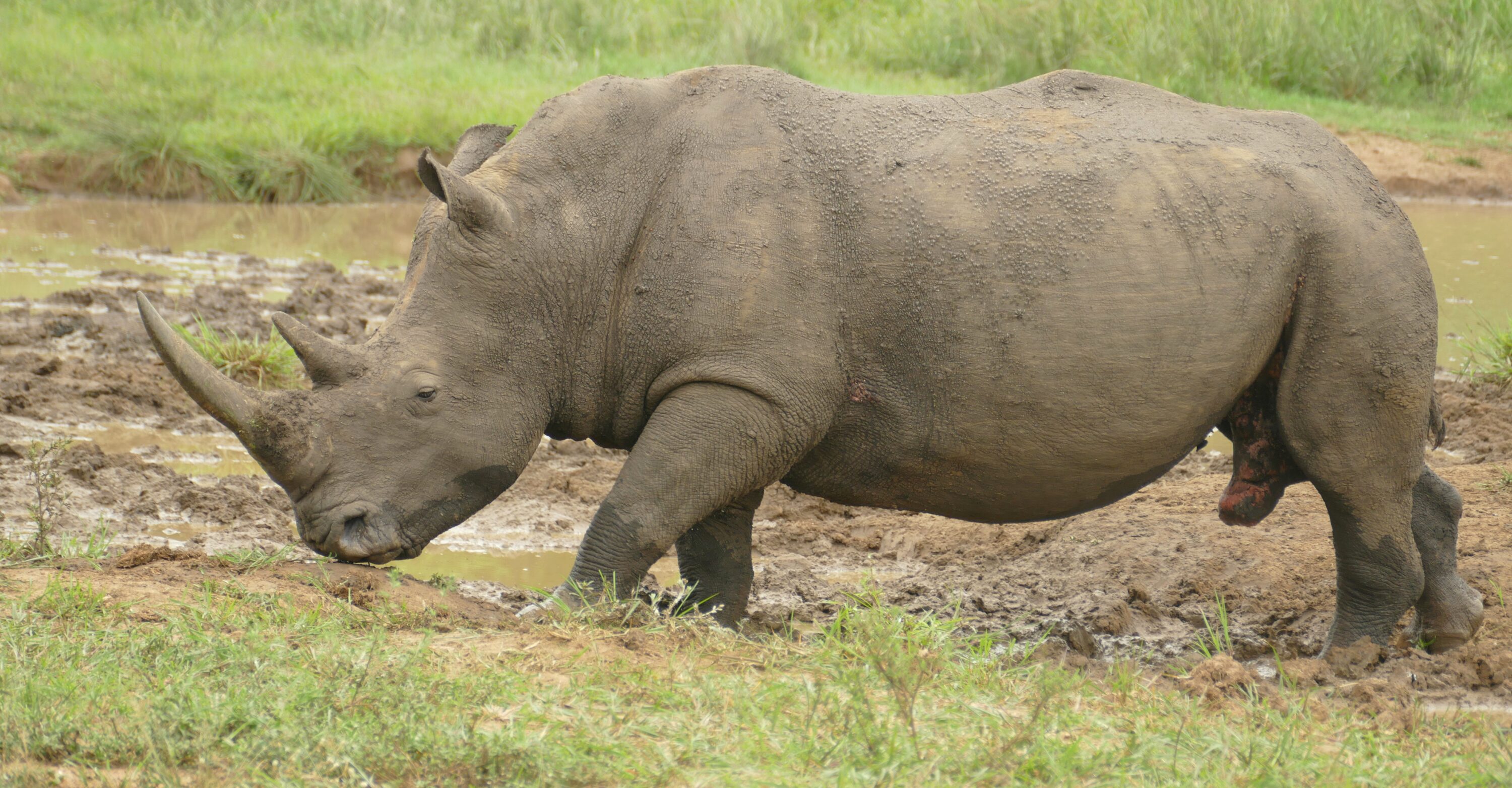
pH-Adjusted Hill Equation Reliably Estimated Blood Oxygen Saturation From 70–100% in Immobilised White Rhinos
A South African study of 16 immobilised male white rhinos in Kruger National Park found that a pH-adjusted…
Read story →
Task Uncertainty Increased Interference From Irrelevant Visual Information in Rhesus Macaque Decisions
Two rhesus macaques made less accurate visual decisions under task uncertainty; recordings and microstimulation in primary visual cortex…
Read story →SPECIES IN THIS STORY
Species in this story

Independent research and conservation news archive
Did you find this information useful?
Wildlife Vagabond is independently built and maintained. Voluntary support helps cover source verification, hosting and continued work on research and conservation news.
Support Wildlife VagabondThe news archive will remain freely available.