
Hungary’s First ha-MYXV Outbreak Was Confirmed in 33 of 37 Targeted Hare Samples

Hungary’s first confirmed epidemic outbreak of hare-adapted recombinant myxoma virus (ha-MYXV) was documented in European hares (Lepus europaeus) in October 2025. Myxoma virus is a poxvirus that causes myxomatosis; the hare-adapted form is recombinant, meaning its genome contains genetic material brought together from previously distinct viral variants. Researchers examined 37 animals from areas where unusual hare mortality or infection was already suspected; 33 were positive by multiplex qPCR, a test that detects several viral DNA targets in the same reaction and can help identify the recombinant form.
The resulting 89.2% positivity applies to this targeted outbreak sample, not to the Hungarian hare population as a whole. Sampling took place from 7 to 28 October in counties on the Little Hungarian Plain and Great Hungarian Plain. Some animals were found dead through passive surveillance and others came from normal hunting activities in areas where game managers suspected ha-MYXV.
Positive cases appeared across Hungary within days
The first positive animal came from Hegyeshalom in western Hungary on 7 October. By 13 October, positive cases had also been confirmed in eastern and south-eastern parts of the country. The authors interpret the timing and geography as consistent with the virus entering Hungary from Austria following an outbreak near Vienna.
They also argue that the speed of the west-to-east pattern is difficult to explain by arthropod vectors alone. Mosquitoes and other insects remain possible transmission routes, but the paper also discusses direct contact and human-associated movement of the pathogen as potential contributors. These routes were not individually measured in the study.
Clinical signs varied among the examined hares
Visible signs included conjunctivitis, skin lesions and swelling around the eyelids or genital region, while some animals lacked obvious external signs. A limited comparison also found poorer body condition in some infected adult hares from western Hungary, but the sample was too small to describe population-wide effects.
The researchers emphasise that morbidity, mortality and survival at population level in Hungary were still unknown. Their strongest conclusion is that ha-MYXV had established an epidemic outbreak across widely separated parts of the country. They call for nationwide monitoring to determine how the virus spreads and what repeated outbreaks mean for European hare populations.
Disease, parasites & microbiology
Related news

Cryptosporidium Deer Mouse Genotype IV Was Recorded in Europe for the First Time in European Hares
Five of 370 faecal samples from wild European hares in Czechia and Slovakia contained Cryptosporidium deer mouse genotype…
Read story →
Classic and Recombinant Myxoma Viruses Were Found Together in Pooled Tissue From Two Hares in West Hungary
Whole-genome sequencing of pooled material from two European hares in western Hungary detected both classic MYXV and the…
Read story →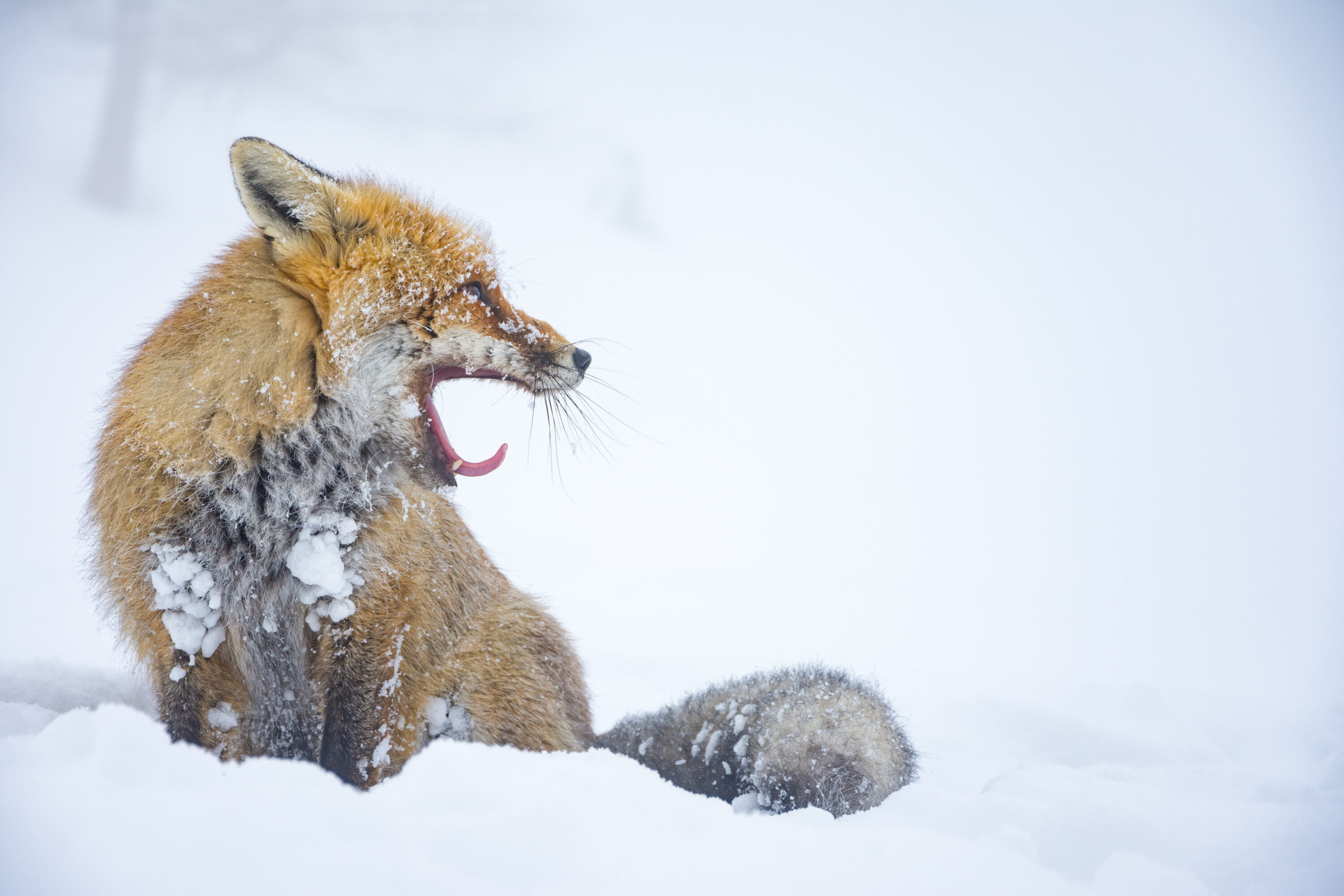
Red Fox Activity Peaks Shifted as Eastern Cottontails Became Established at Le Bine
Camera-trap data from 2013–2023 showed subtle shifts in red fox activity timing as eastern cottontails became established at…
Read story →SPECIES IN THIS STORY
Species in this story

Independent research and conservation news archive
Did you find this information useful?
Wildlife Vagabond is independently built and maintained. Voluntary support helps cover source verification, hosting and continued work on research and conservation news.
Support Wildlife VagabondThe news archive will remain freely available.