
India’s Common Sandpiper Index Fell 40.2% Over the Long Term and 2.7% Per Year Recently
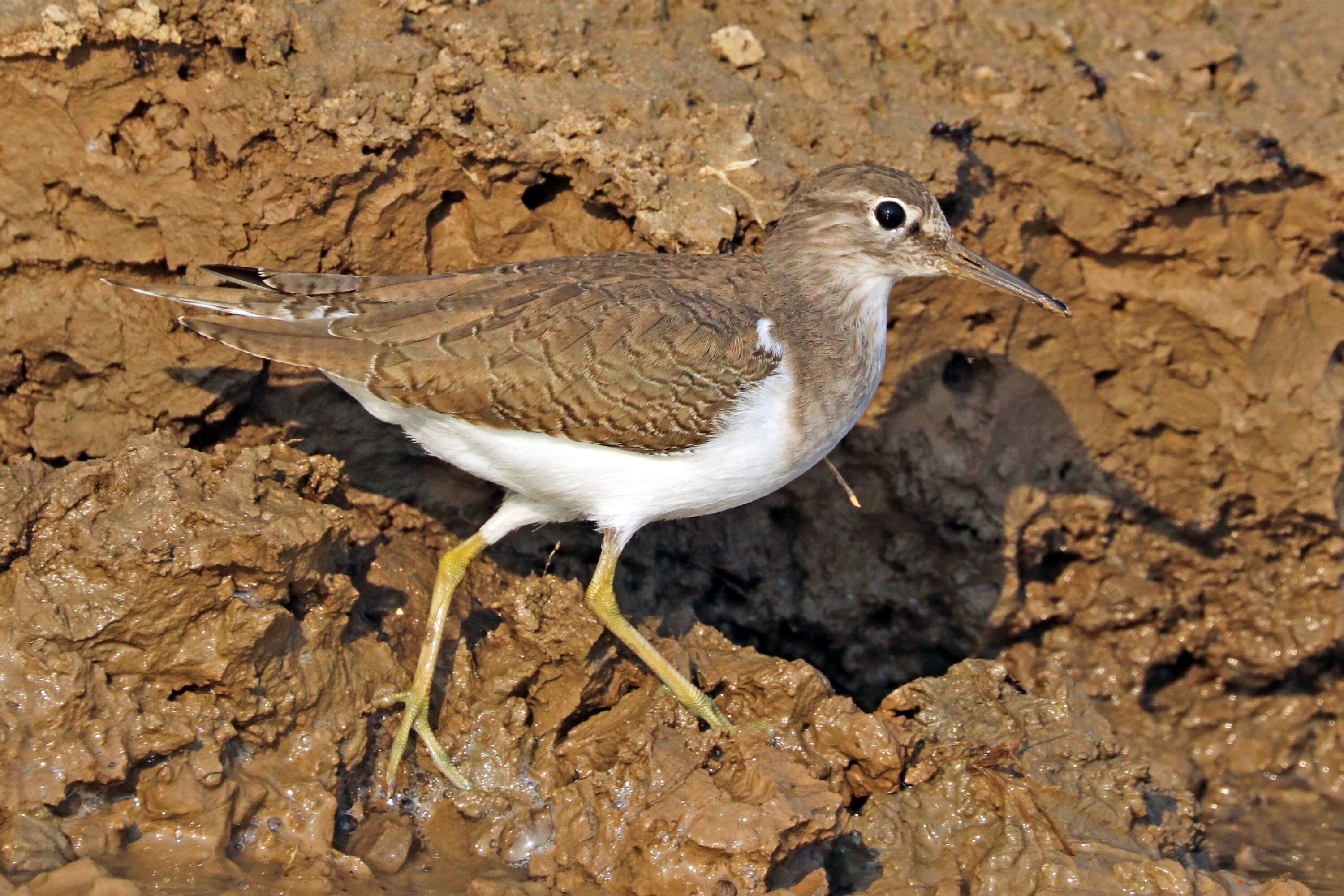
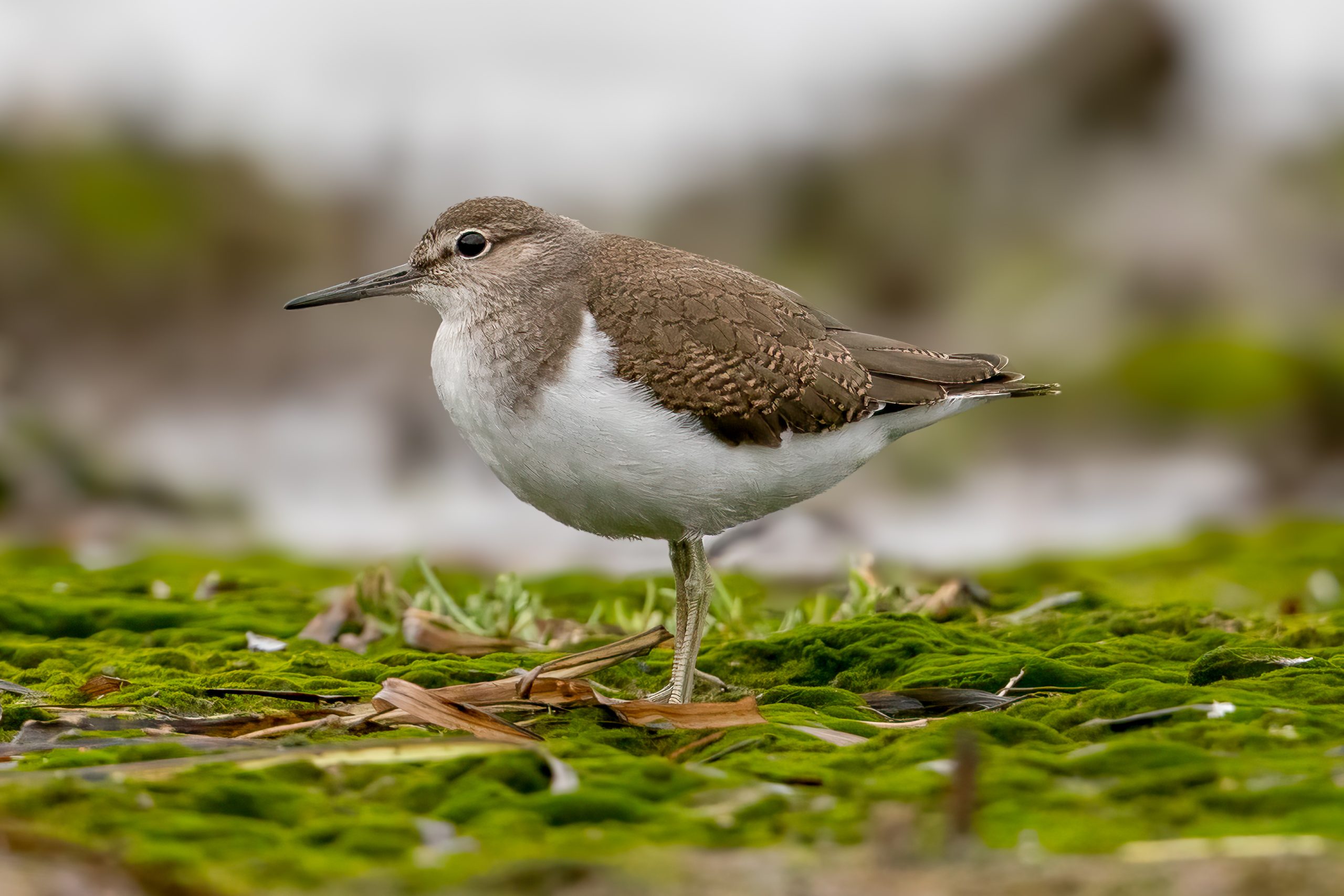
The 2025 interim update to State of India’s Birds, released on 6 May 2026, estimated a substantial national decline in the abundance index for common sandpiper (Actitis hypoleucos). The updated long-term estimate was −40.2%.
The current annual trend was also negative at −2.7% per year. Both updated estimates therefore clearly supported a decline.
A winter migrant strongly associated with wetlands
State of India’s Birds classifies common sandpiper as a winter migrant and wetland specialist in India. The updated analysis estimated its national distribution range at 2,160,368 km². Its national conservation priority remains Moderate under the assessment framework carried forward from the 2023 report.
The new figures came from a much larger dataset
The 2025 update used about 48 million eBird observations available through 31 May 2025, compared with 30 million in the 2023 assessment. It also introduced an improved uncertainty-estimation procedure and more robust subsampling.
The abundance trends are derived from changes in frequency of reporting on complete bird lists. They therefore describe changes in an abundance index rather than a direct count of individual common sandpipers.
Population & status
Related news
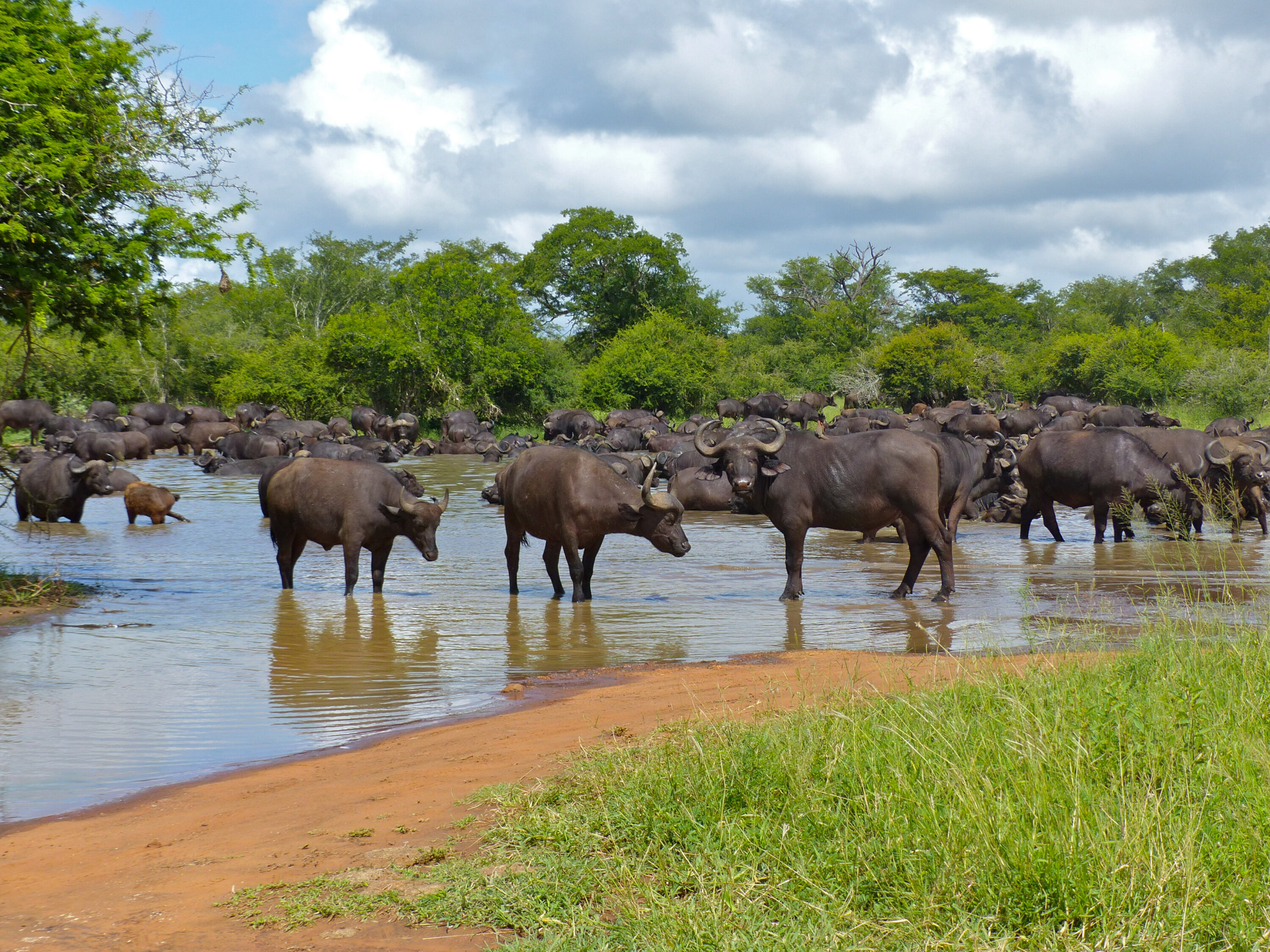
African Buffalo Herds Concentrated in Wetlands and Forest During Gambella's Dry Season
A two-year study in Ethiopia's Gambella National Park found similar but uncertain buffalo abundance estimates in 2022 and…
Read story →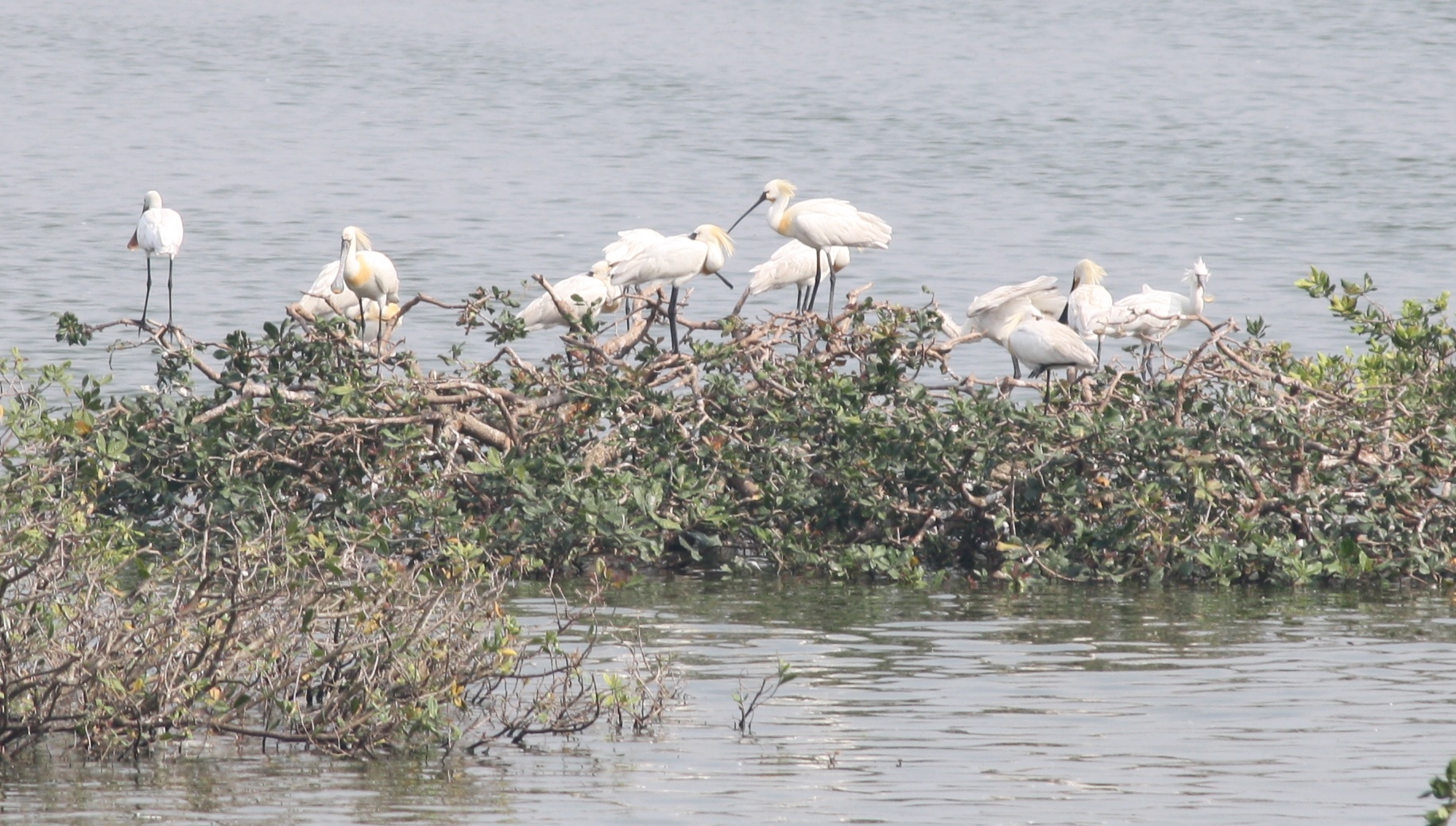
Therthangal Spoonbill Colony Returned to 12 Active Nests After Complete Breeding Failure
Six breeding seasons at Therthangal Bird Sanctuary in Tamil Nadu ranged from 12 active Eurasian Spoonbill nests in…
Read story →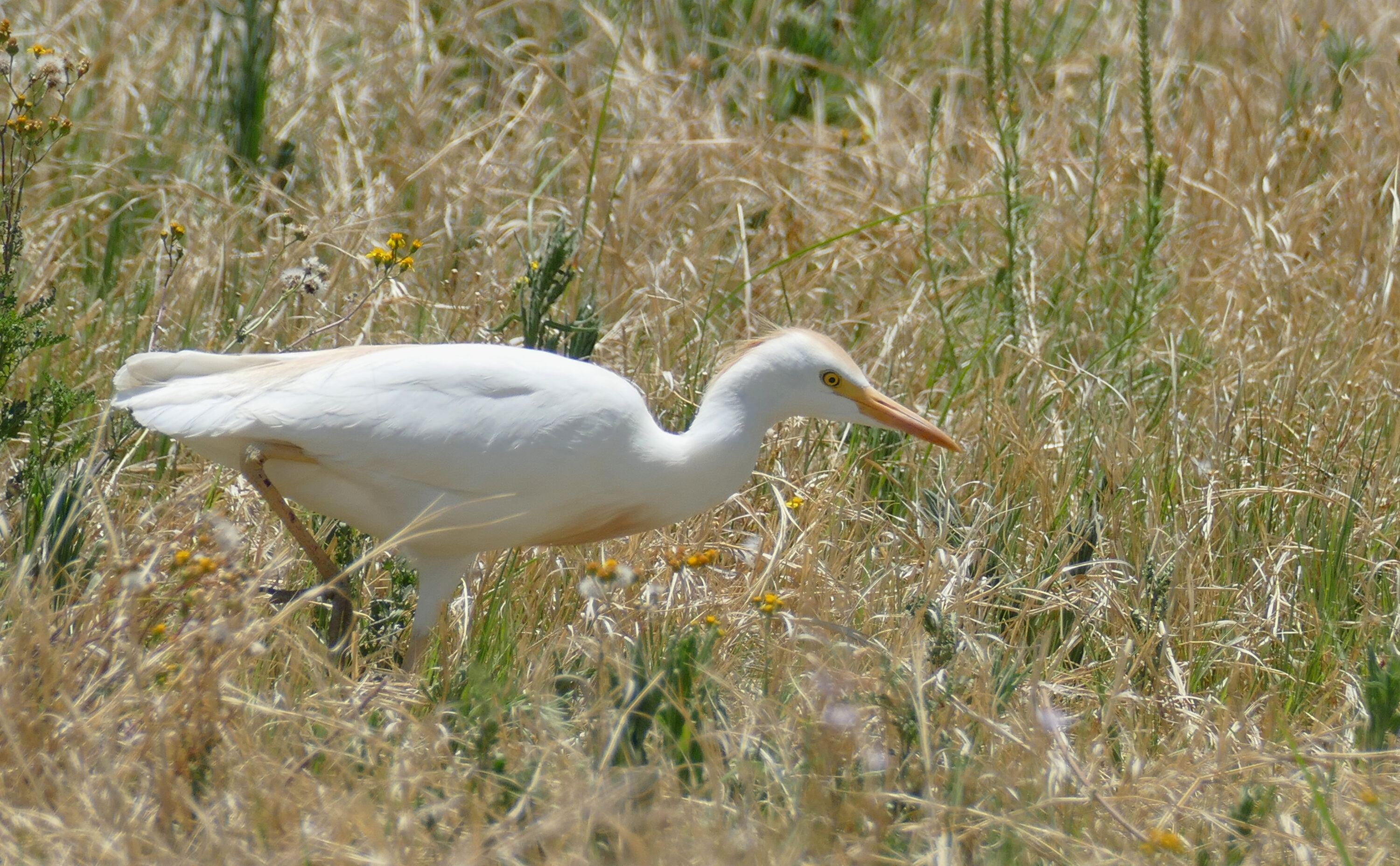
Cattle Egret Reporting Rate Rose From 0.38 to 0.60 in Southern African Atlas Data
A systematic review of 173 studies found generally stable or increasing cattle egret populations in the better-studied parts…
Read story →SPECIES IN THIS STORY
Species in this story
Independent research and conservation news archive
Did you find this information useful?
Wildlife Vagabond is independently built and maintained. Voluntary support helps cover source verification, hosting and continued work on research and conservation news.
Support Wildlife VagabondThe news archive will remain freely available.