
Buffalo Gather Around Water and Forest as the Dry Season Arrives
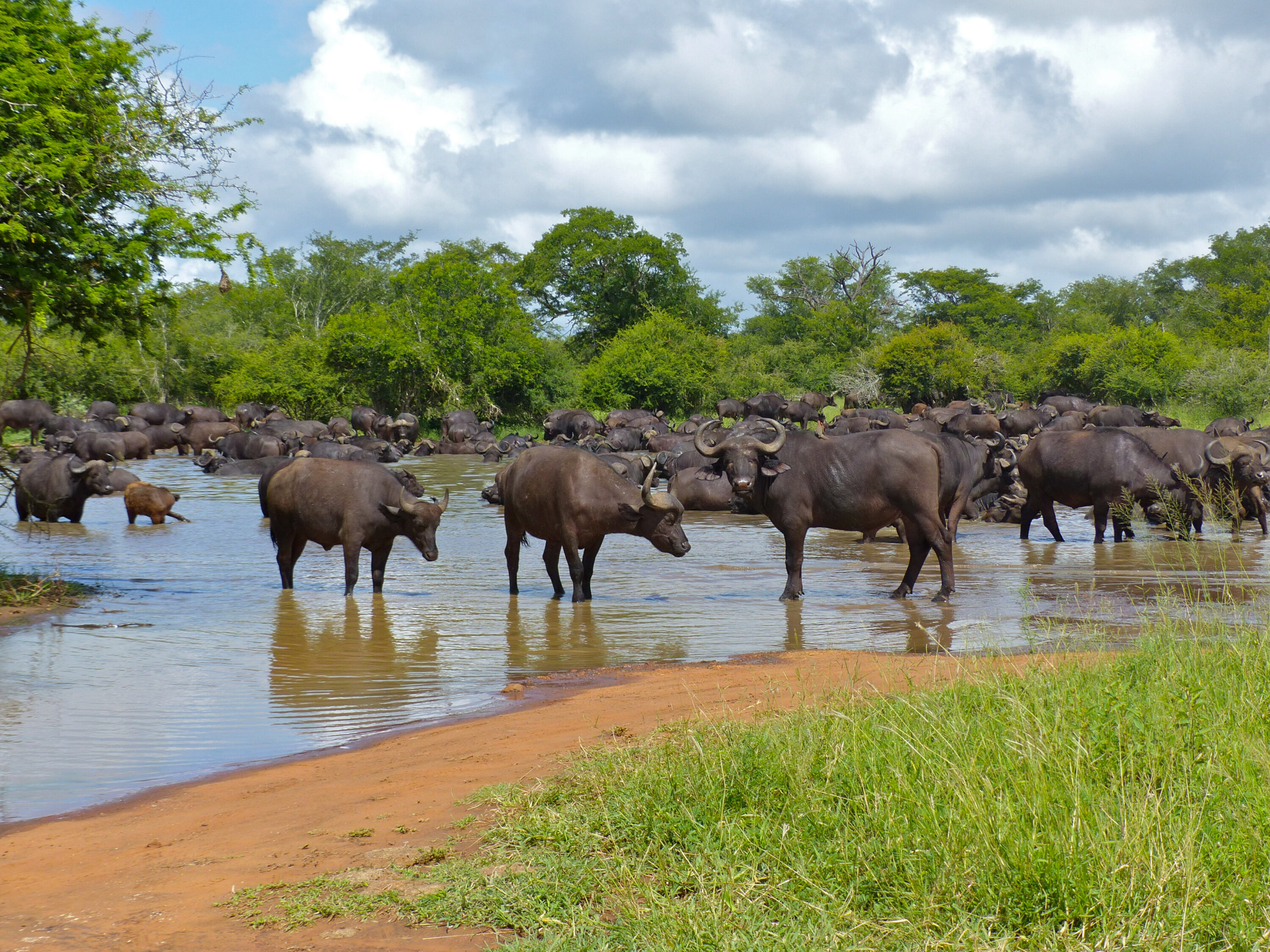
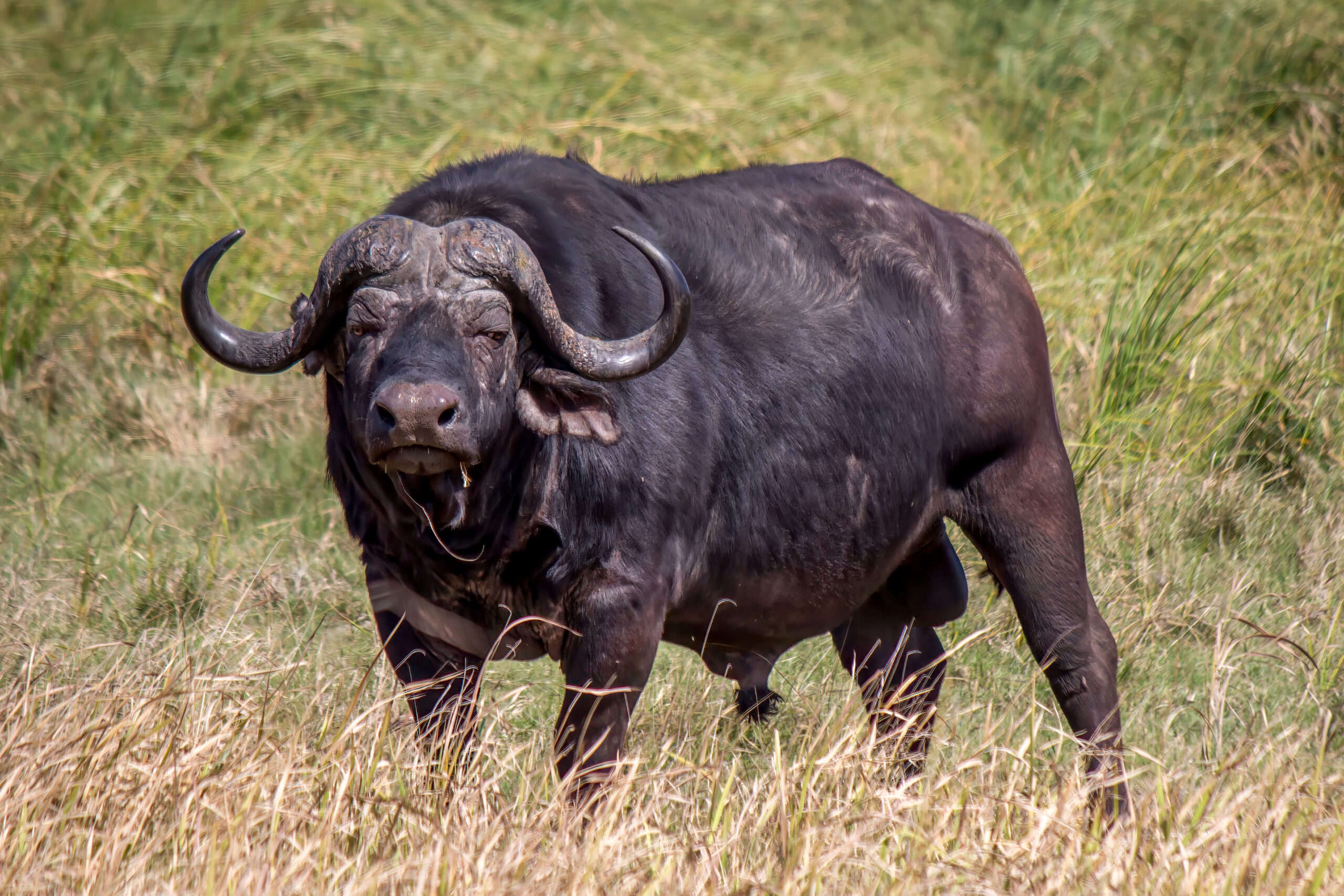
As the savanna dries out, water and shade become especially important for African buffalo (Syncerus caffer). In Ethiopia’s Gambella National Park, researchers found larger herds and greater use of forest during the dry season. Yet the buffalo continued eating much the same grasses and maintained a similar daily pattern of feeding and resting.
The team studied buffalo through the wet and dry seasons of 2022 and 2023. They recorded herds along 35 line transects, or fixed survey routes through different habitats. They also examined plant remains in dung and signs of grazing, and watched the animals’ daytime behaviour.
Larger herds and greater use of forest
Herds averaged about 66 animals in the wet season and 97 in the dry season. The share of records from open savanna fell from roughly 28% to 13%, while the forest share rose from 15% to 26%. Permanent wetlands remained important in both seasons, accounting for around 30–31% of records.
Buffalo occurred more often near water and where tree canopy cover was greater, and less often near settlements. The researchers point to the shade provided by forests and the water and green forage retained by wetlands as grasses in drier areas lose nutritional value.
Similar grasses and daily routines
Eleven grass species featured in the diet, with Urochloa mosambicensis the most common. The researchers found no clear seasonal change in the grass species eaten. Feeding accounted for about 30% of daytime activity in both seasons, peaking in the morning and late afternoon. Resting and mud wallowing became more prominent around midday.
The pattern suggests that buffalo respond to the dry season mainly by using different parts of the landscape. Access to water, shade and green grazing can therefore help them maintain their feeding habits and daily routines.
Population estimates were close to 4,600 animals in both study years, but were too uncertain to establish small changes. The researchers describe the population as stable in the short term, while stressing that the concentration of large herds into limited areas makes those places particularly important to protect.
They therefore recommend protecting wetlands, maintaining buffer areas near settlements and preserving movement corridors across national borders. If farming, livestock or other development encroaches on the areas buffalo depend on during the dry season, access to food and water could become more difficult.
Ecology
Related news
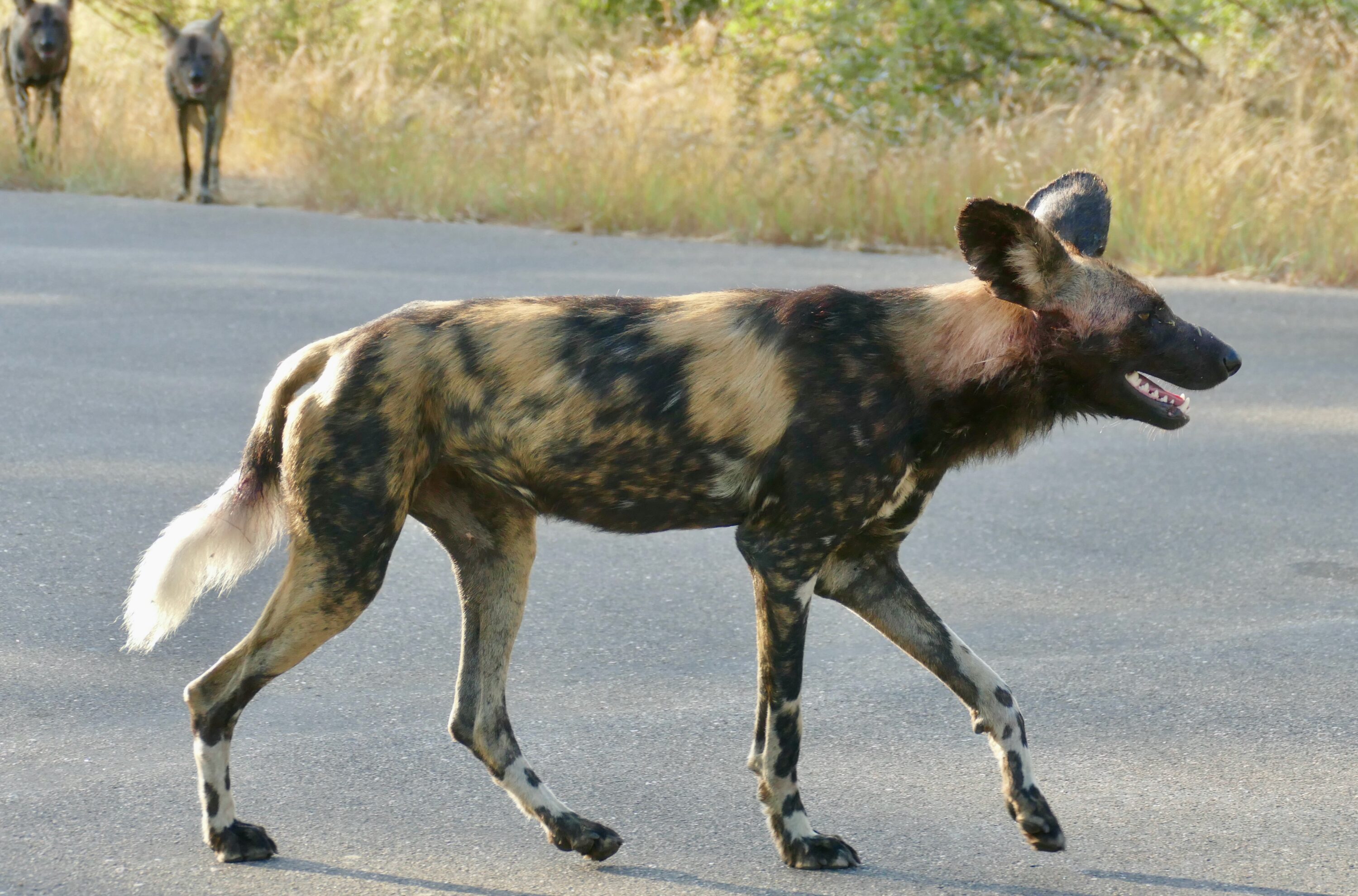
Food Leaves Its Mark on the Gut Bacteria of Kruger’s Wildlife
Gut bacteria in nine mammal species from Kruger National Park followed clear patterns linked to food and digestion.…
Read story →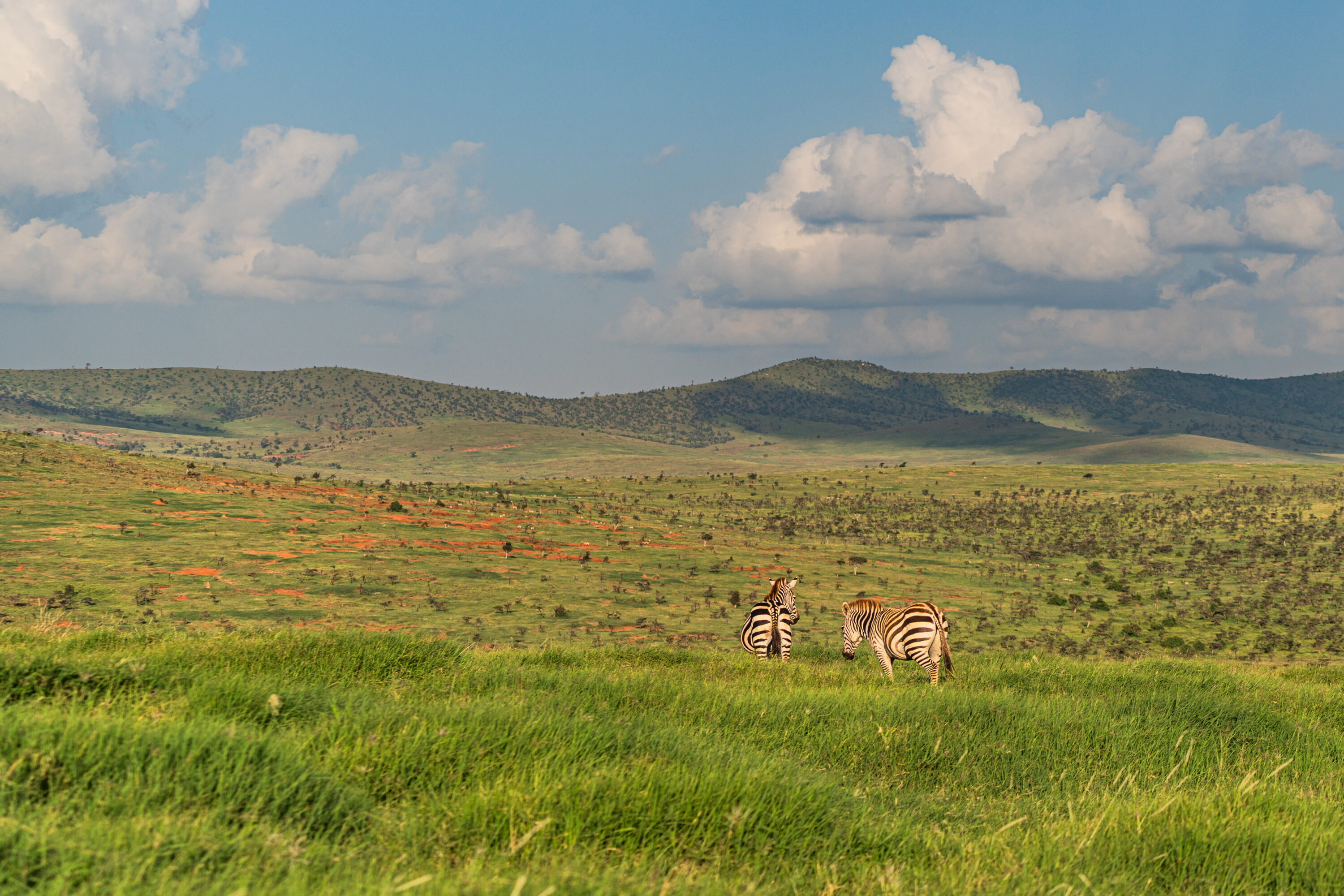
First Reported Giardia Detections in Four Wild Herbivore Species in Kenya
Molecular screening of wildlife and livestock in Laikipia produced the first reported Giardia detections in African buffalo, plains…
Read story →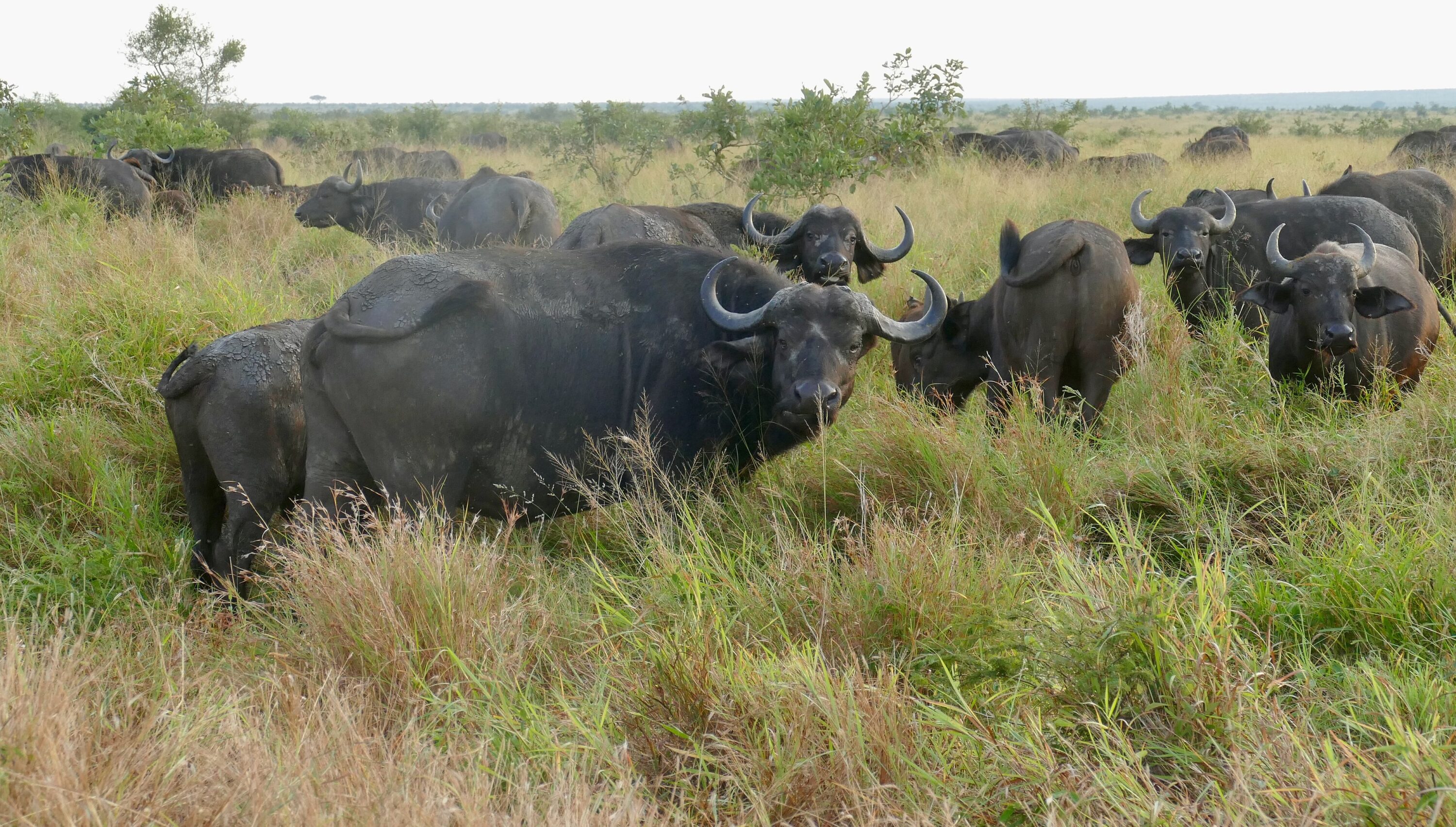
Habitat conditions help explain why some African buffalo translocations succeeded in Mozambique
A 2026 analysis of African buffalo translocations in Mozambique found that habitat suitability helped explain success and failure,…
Read story →SPECIES IN THIS STORY
Species in this story
Independent research and conservation news archive
Did you find this information useful?
Wildlife Vagabond is independently built and maintained. Voluntary support helps cover source verification, hosting and continued work on research and conservation news.
Support Wildlife VagabondThe news archive will remain freely available.