
Indian Dhole Mitochondrial Genomes Were Distinct From the Chinese Dhole Sequence
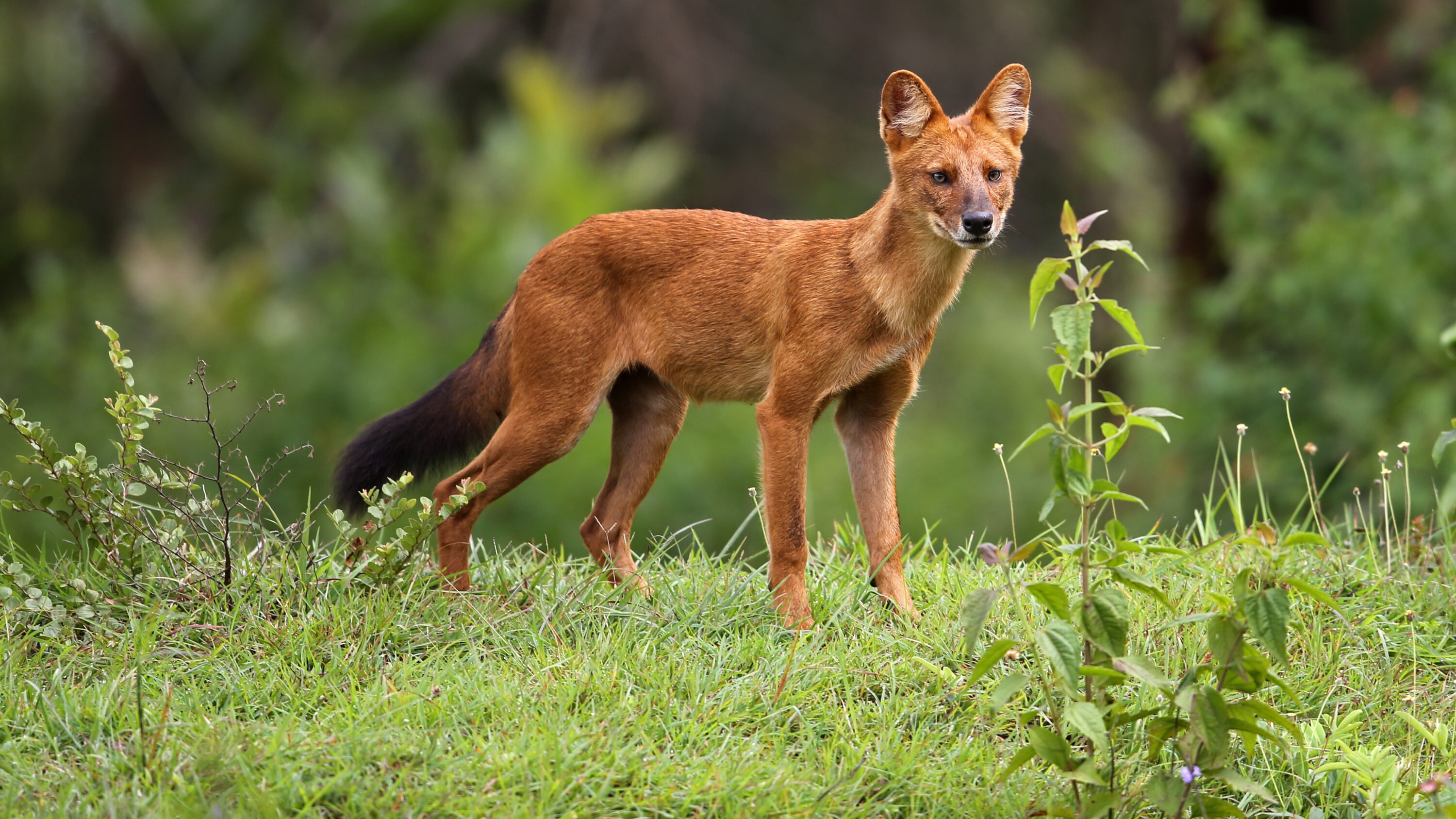
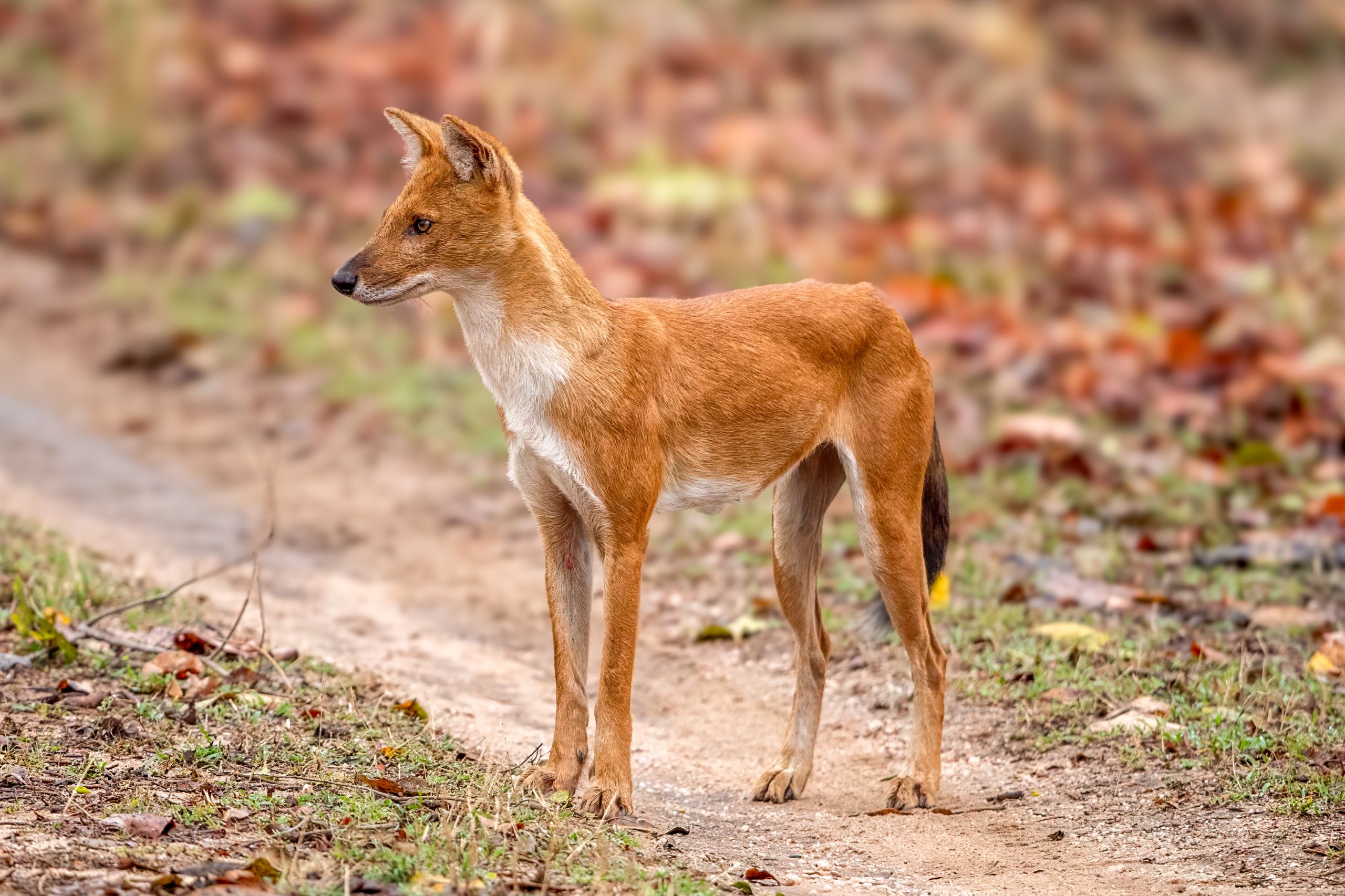
A 2026 study reported the first complete mitochondrial genome structures for the Indian dhole (Cuon alpinus) and Indian wolf (Canis lupus pallipes). The researchers sequenced blood samples from two dholes and one wolf held at Sri Chamarajendra Zoological Gardens in Mysore, India, and compared the resulting genomes with previously published canid sequences.
The dhole mitochondrial genome was 16,754 base pairs long and contained the standard vertebrate complement of 13 protein-coding genes, 22 tRNA genes, two rRNA genes and a control region. Mitochondrial DNA is inherited mainly through the maternal line in mammals, so these genomes trace maternal evolutionary history rather than representing the full nuclear genome. The two Indian dhole sequences were identical to each other.
Indian dholes formed a distinct mitochondrial group
Genetic family-tree analyses placed the two Indian dholes together in a well-supported mitochondrial group that was clearly separated from the Chinese dhole sequence included in the analysis. This shows divergence between the sampled maternal lineages, but the small captive sample cannot establish genome-wide differentiation between Indian and Chinese dhole populations. The Indian wolf likewise formed a distinct mitochondrial group within the Canis lupus complex and was separated from the Himalayan wolf.
The genomes provide a regional reference for future studies
The authors describe the new mitochondrial genomes as region-specific genomic resources for future studies of population structure, phylogeography — how genetic lineages are distributed geographically — and conservation genetics. They also note that the two zoo dholes may represent the same lineage, so the identical sequences should not be taken as a broad measure of genetic diversity in Indian dholes.
Genetics & genomics
Related news
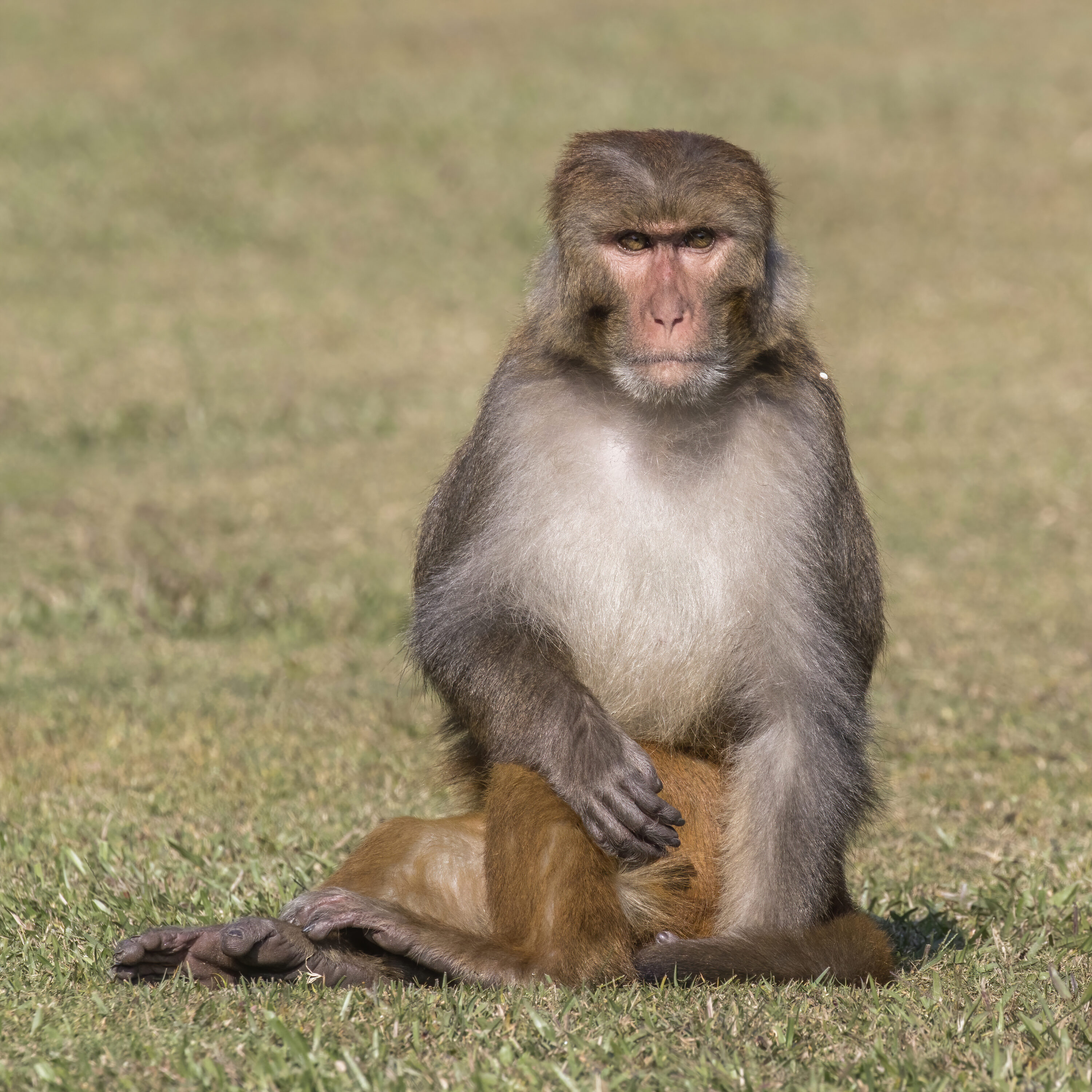
mFISH Mapped 16 of 22 Rhesus Macaque Chromosome Types to a Single Human Chromosome
Human chromosome-painting probes showed one-to-one homology for 16 of 22 rhesus macaque chromosome types, while three macaque chromosomes…
Read story →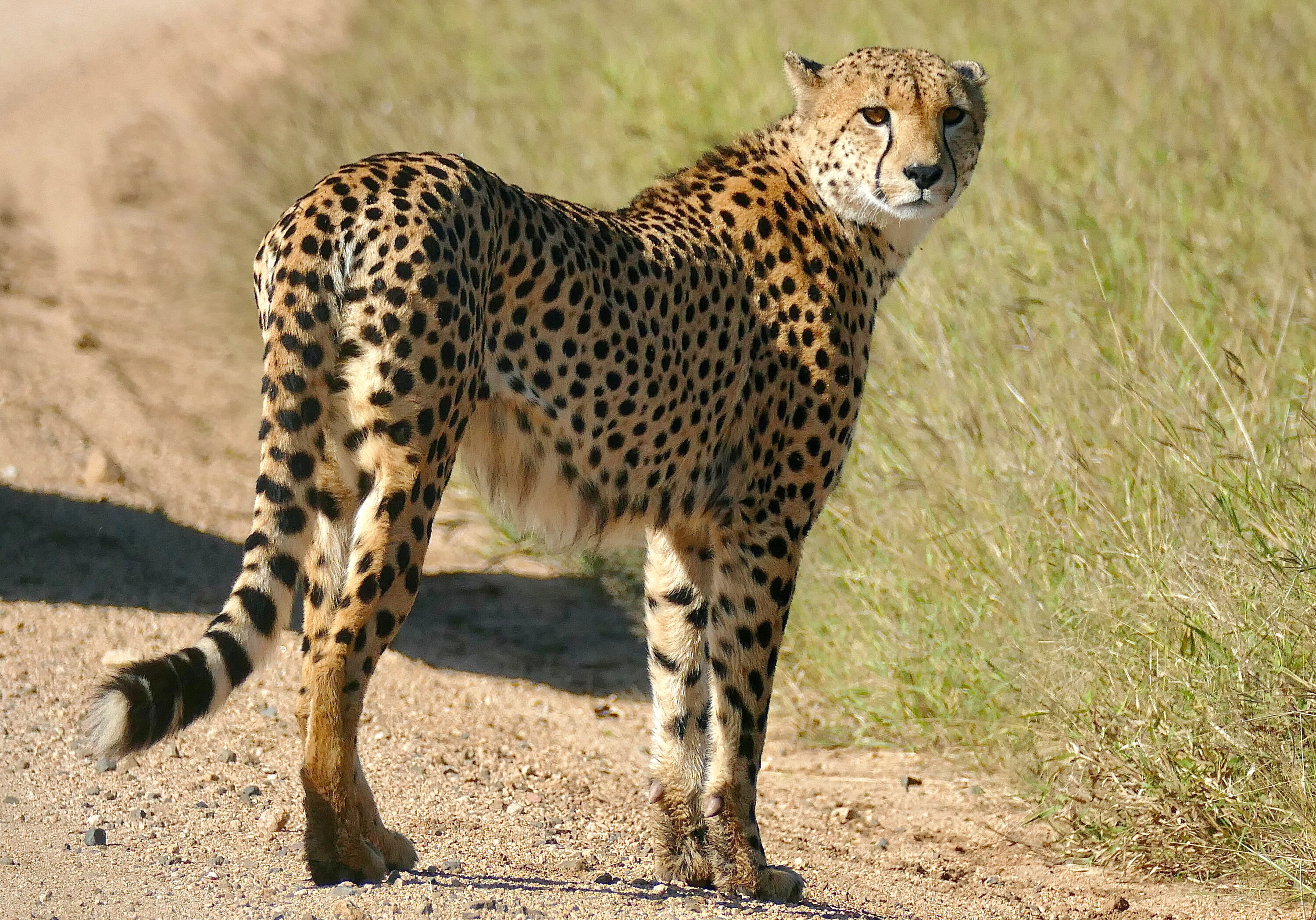
DNA Methylation Shifted as Namibian Male Cheetahs Became Territorial
Paired blood samples from ten free-ranging Namibian males revealed widespread, predominantly increased DNA methylation after the same cheetahs…
Read story →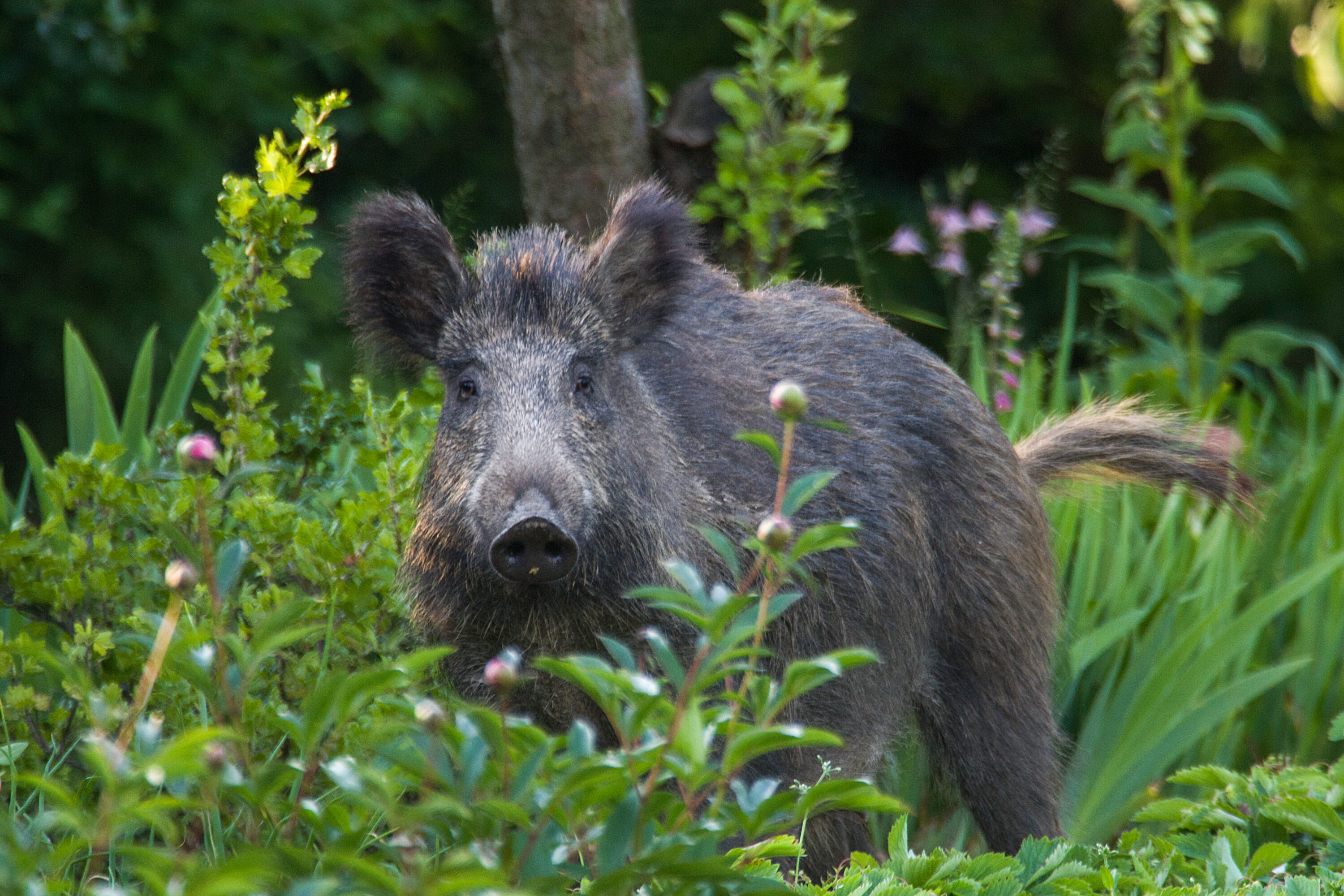
Zoonotic Sarcocystis Found in 3.3% of Polish Wild Boar Hunted for Food
Molecular testing of 241 wild boar from all 16 Polish provinces found Sarcocystis miescheriana DNA in 90% and…
Read story →SPECIES IN THIS STORY
Species in this story
Independent research and conservation news archive
Did you find this information useful?
Wildlife Vagabond is independently built and maintained. Voluntary support helps cover source verification, hosting and continued work on research and conservation news.
Support Wildlife VagabondThe news archive will remain freely available.