
Northern Plains Grey Langur
Semnopithecus entellus
At a glance
Habitat
- Dry deciduous forest, scrub, rocky hills, farmland, villages and cities
Diet
- Leaves, fruit, flowers, buds, shoots and seeds; often takes provisioned food near people
Activity
- Diurnal; both arboreal and strongly terrestrial
Size
- Length: 51–78 cm body; 69–101 cm tail Weight: Males ~18 kg; females ~13 kg
Range
- Northern Indian plains, mainly south of the Ganges and north of the Godavari–Krishna region
Description
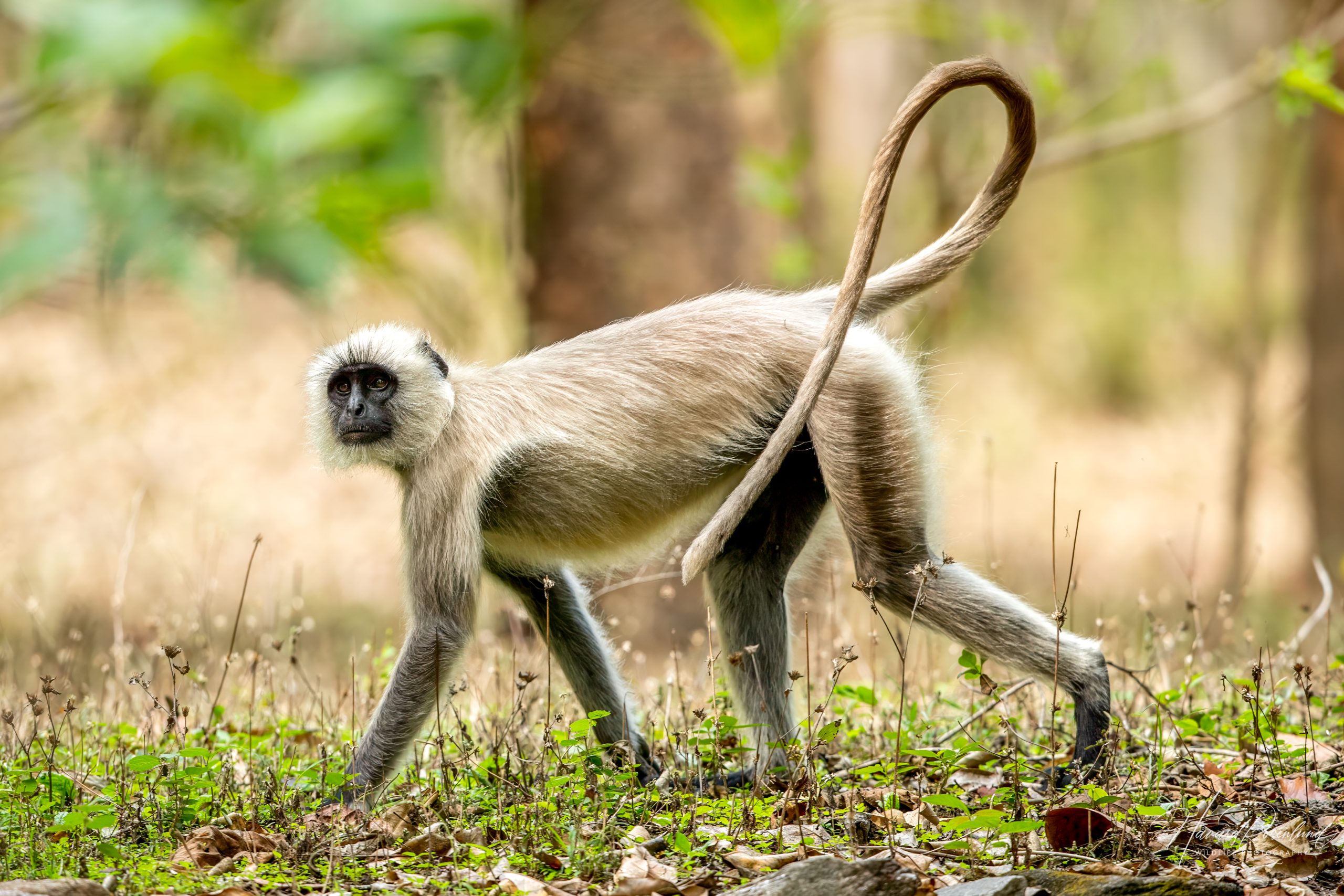
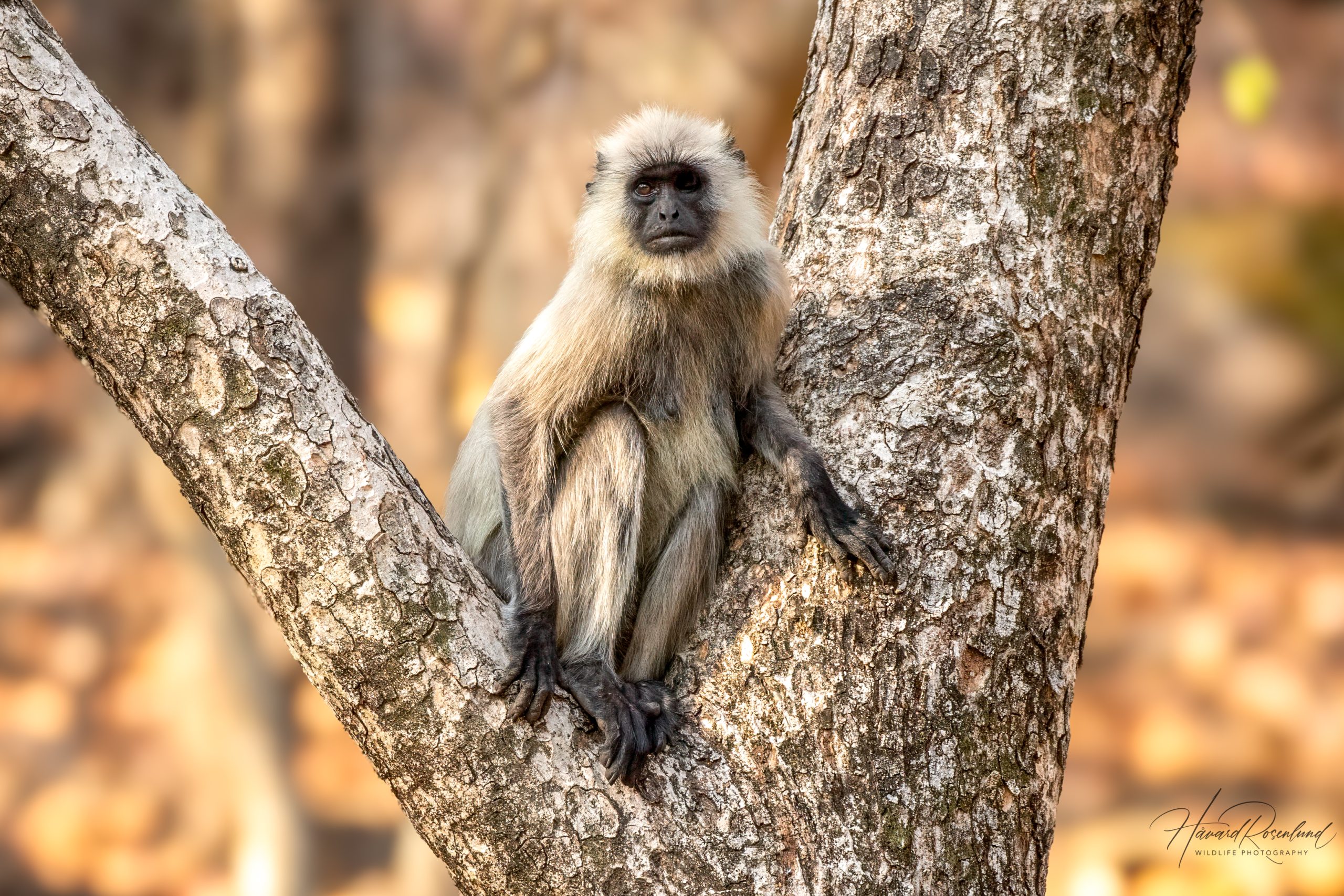
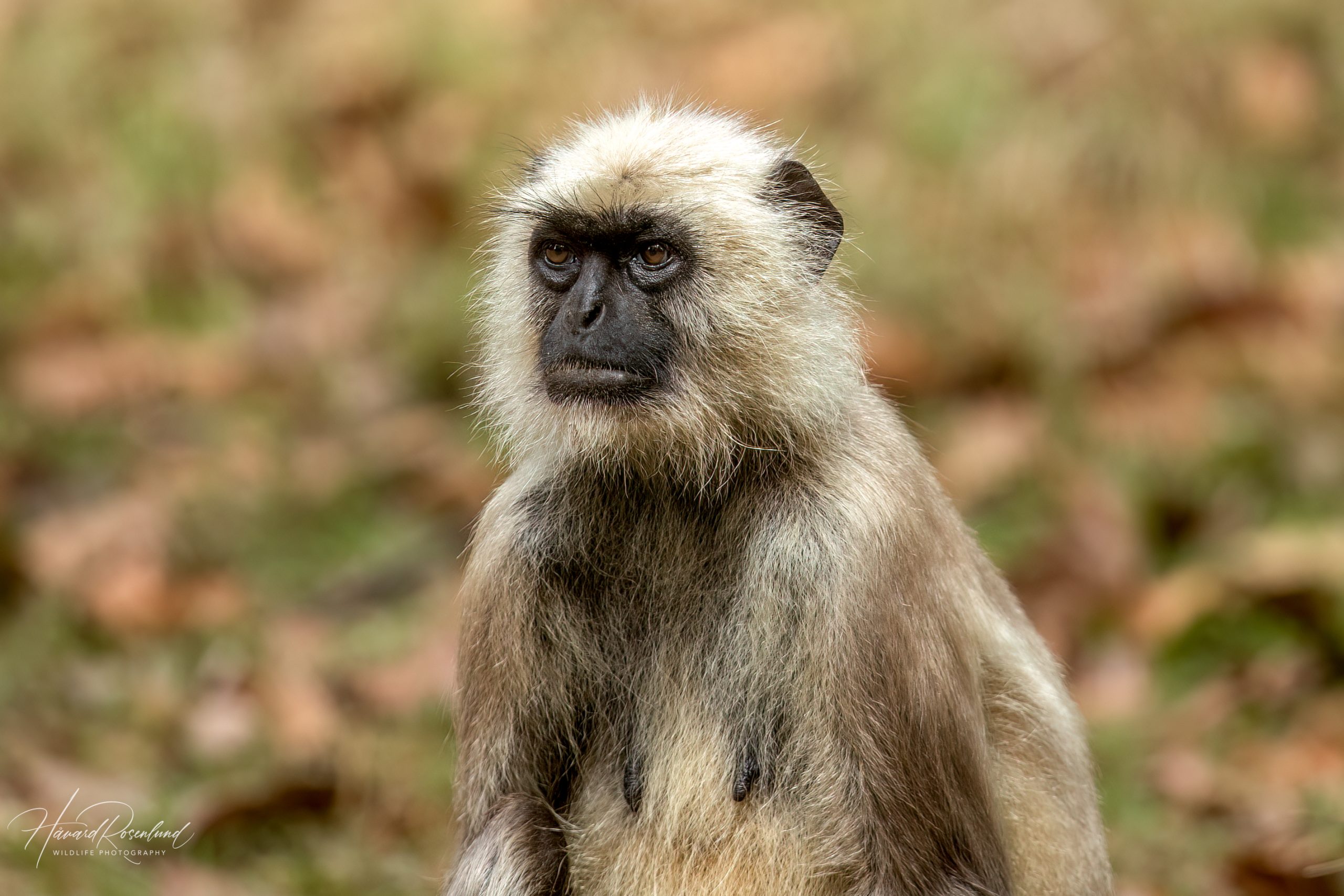
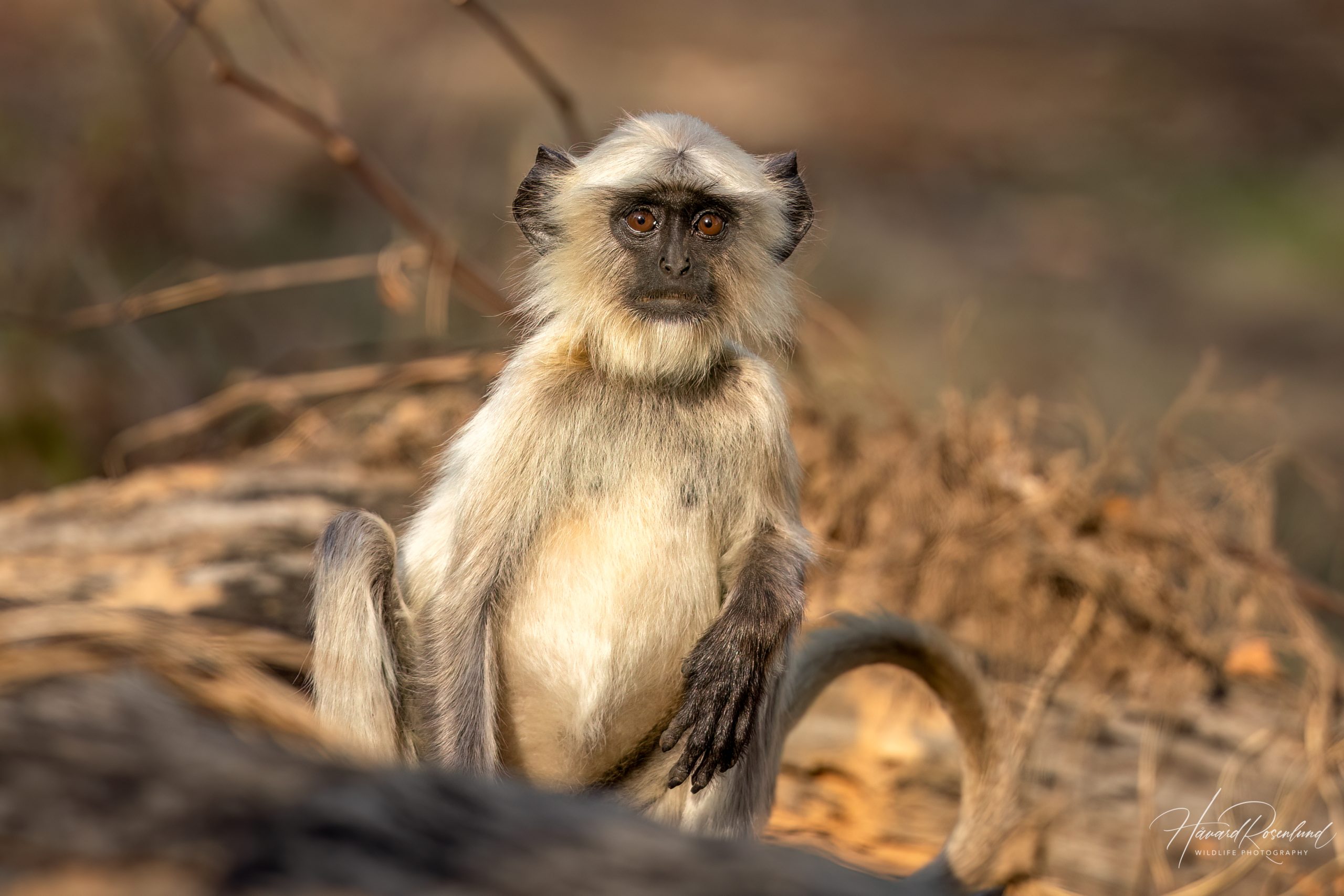
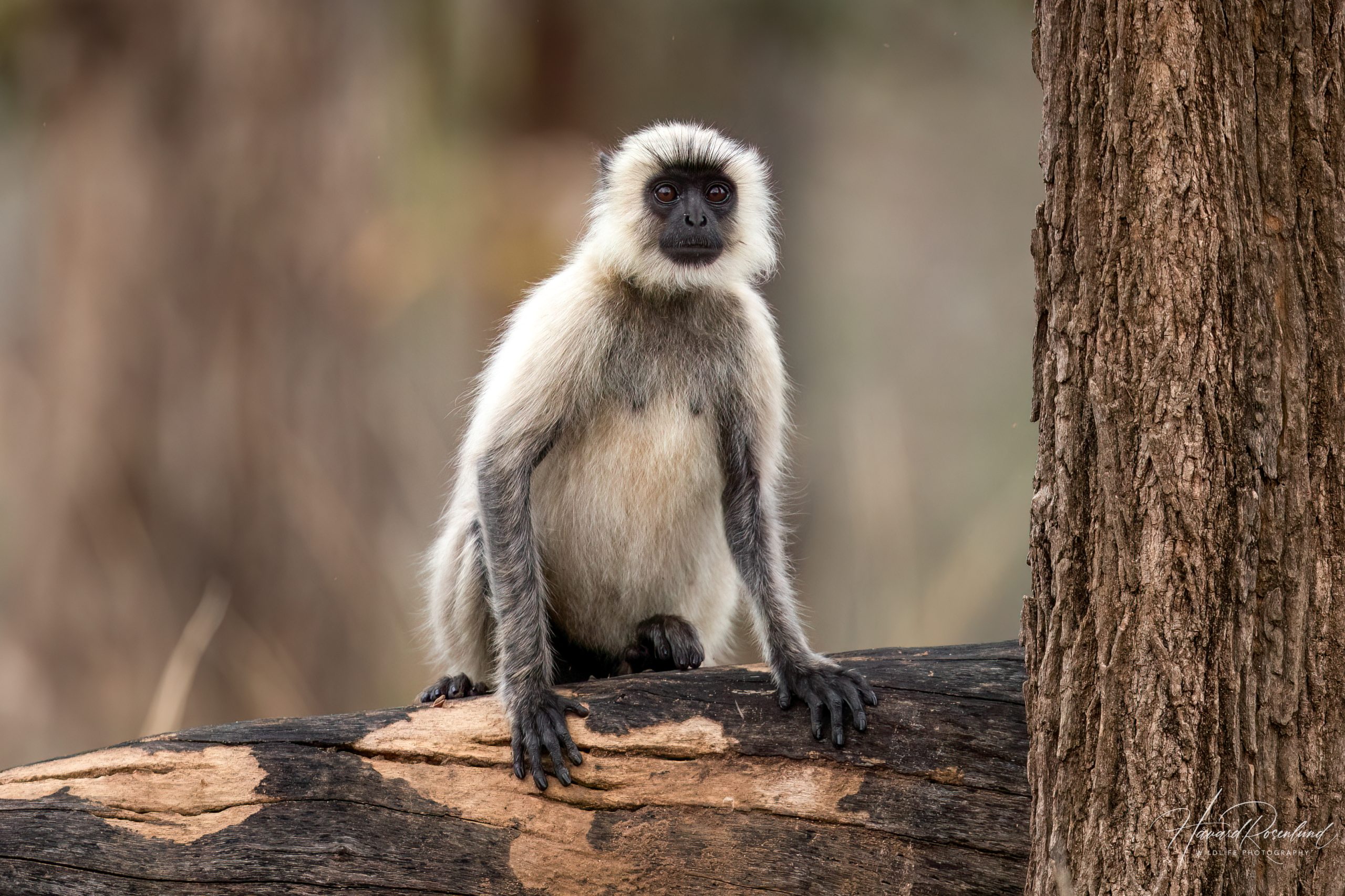
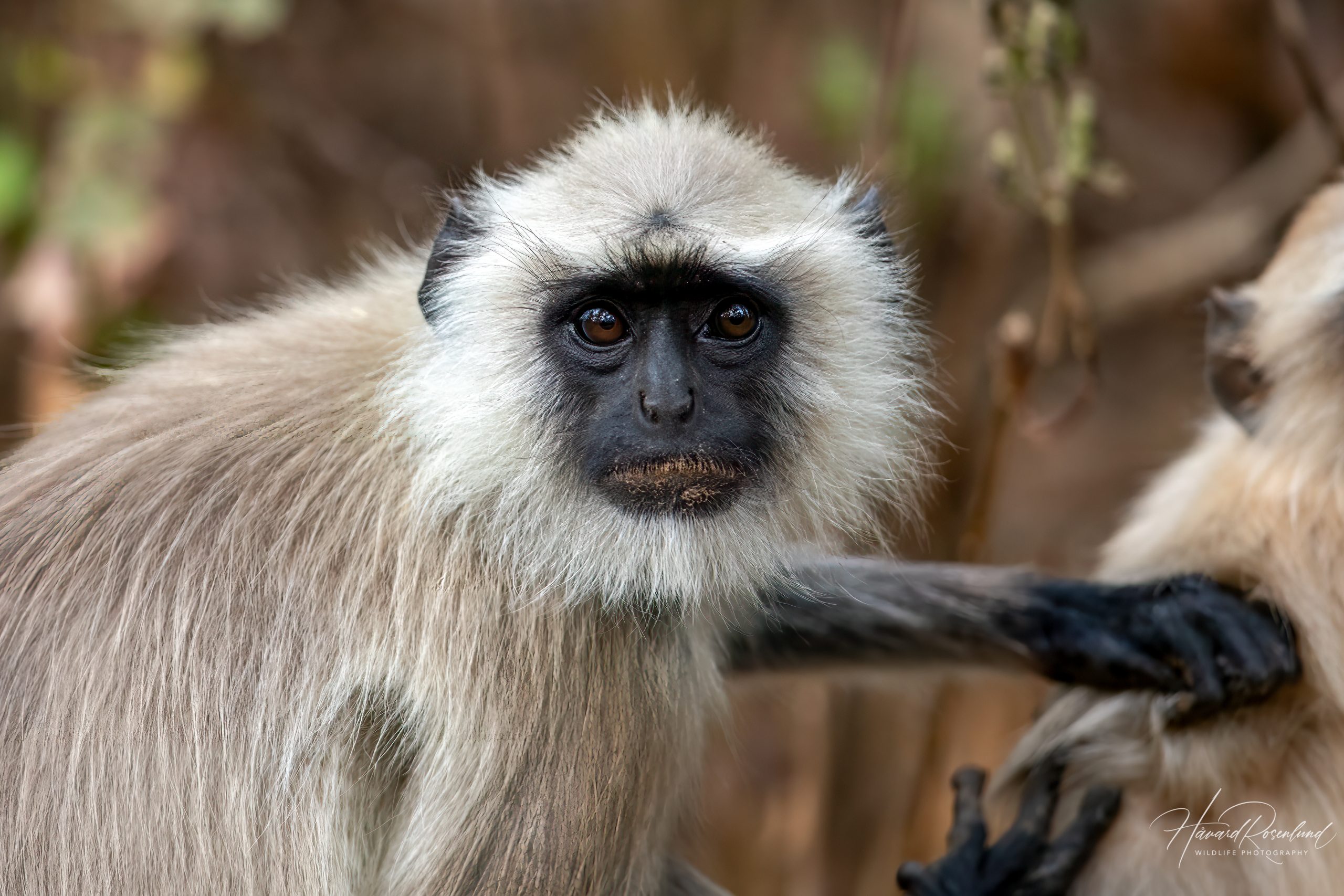
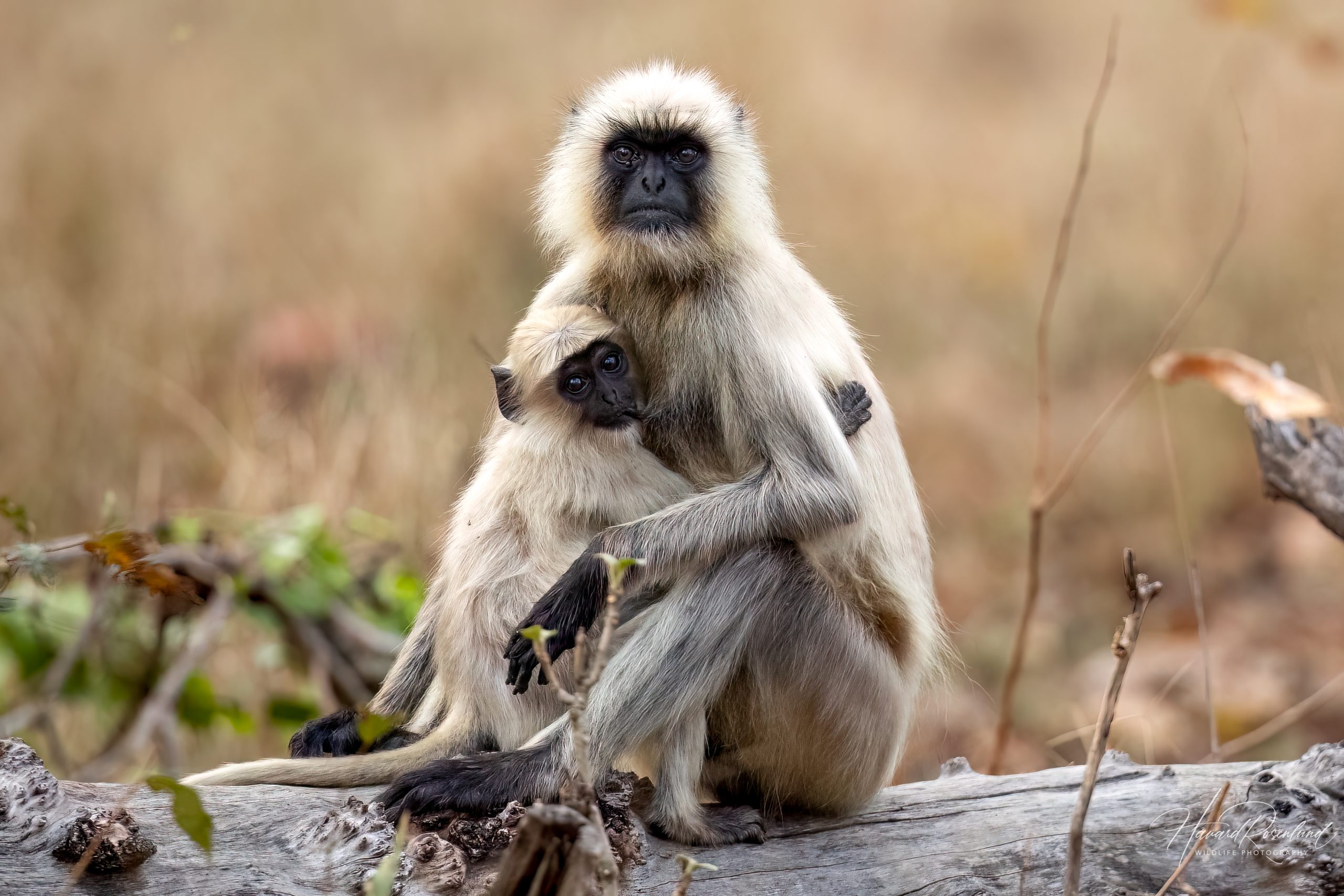
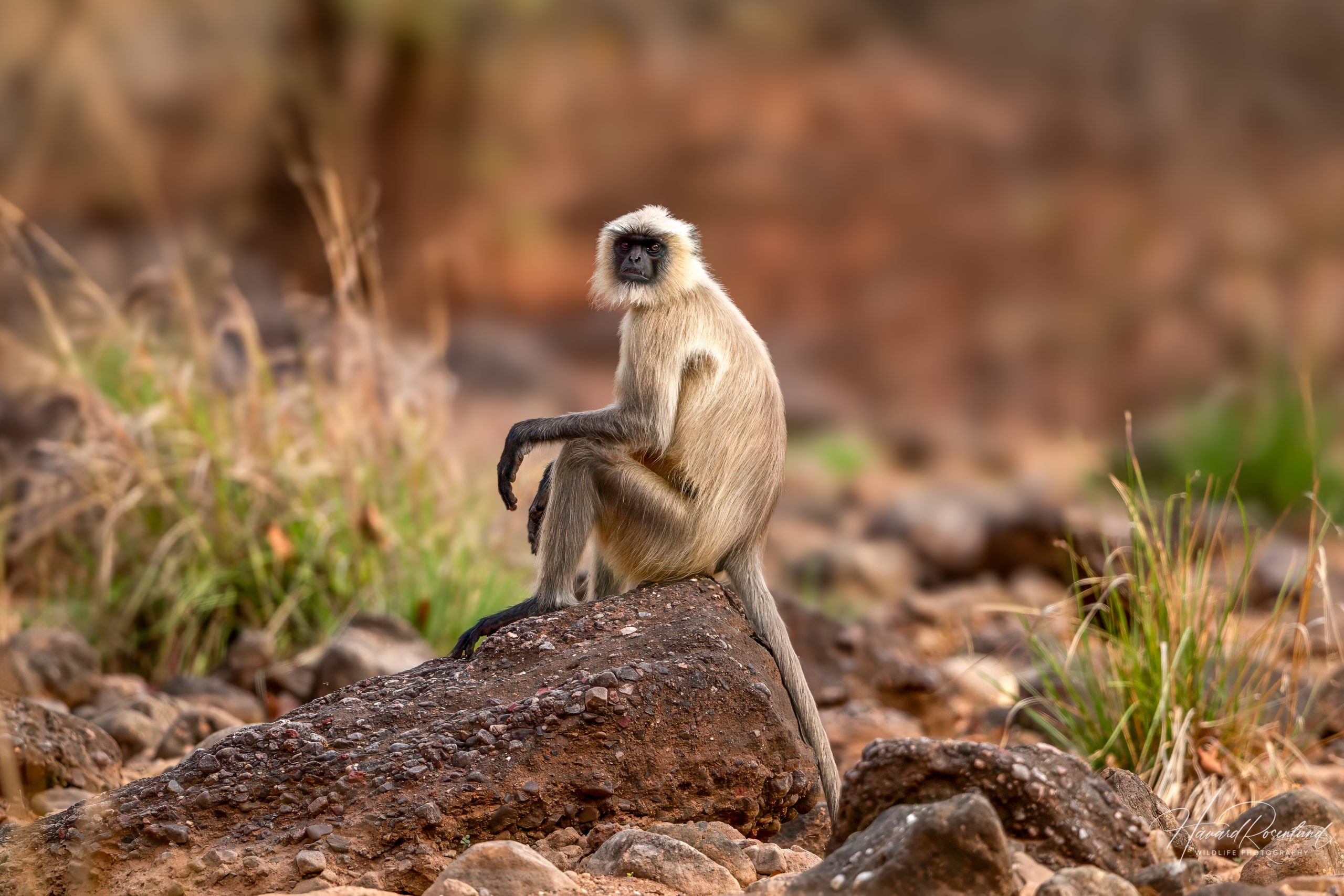
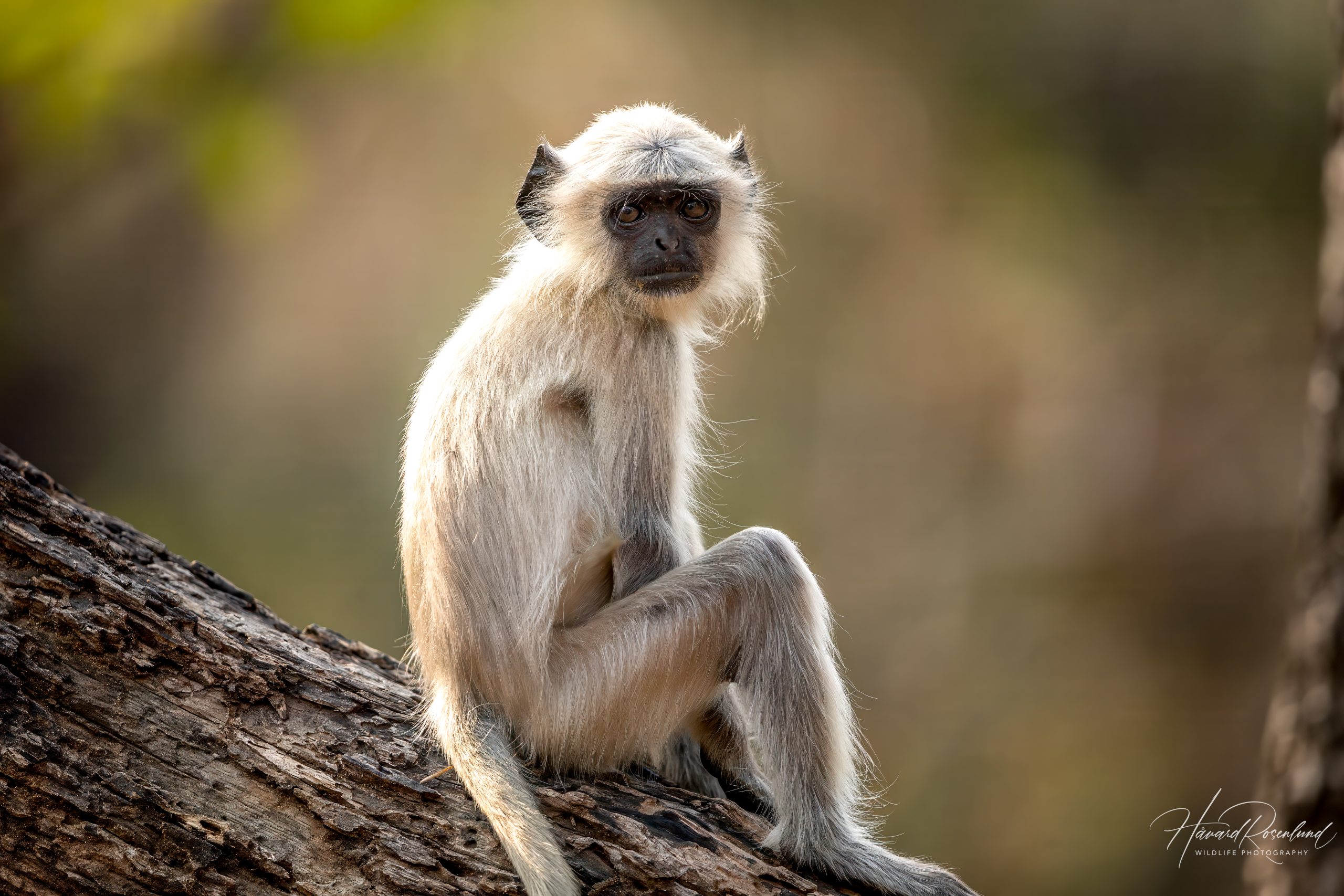
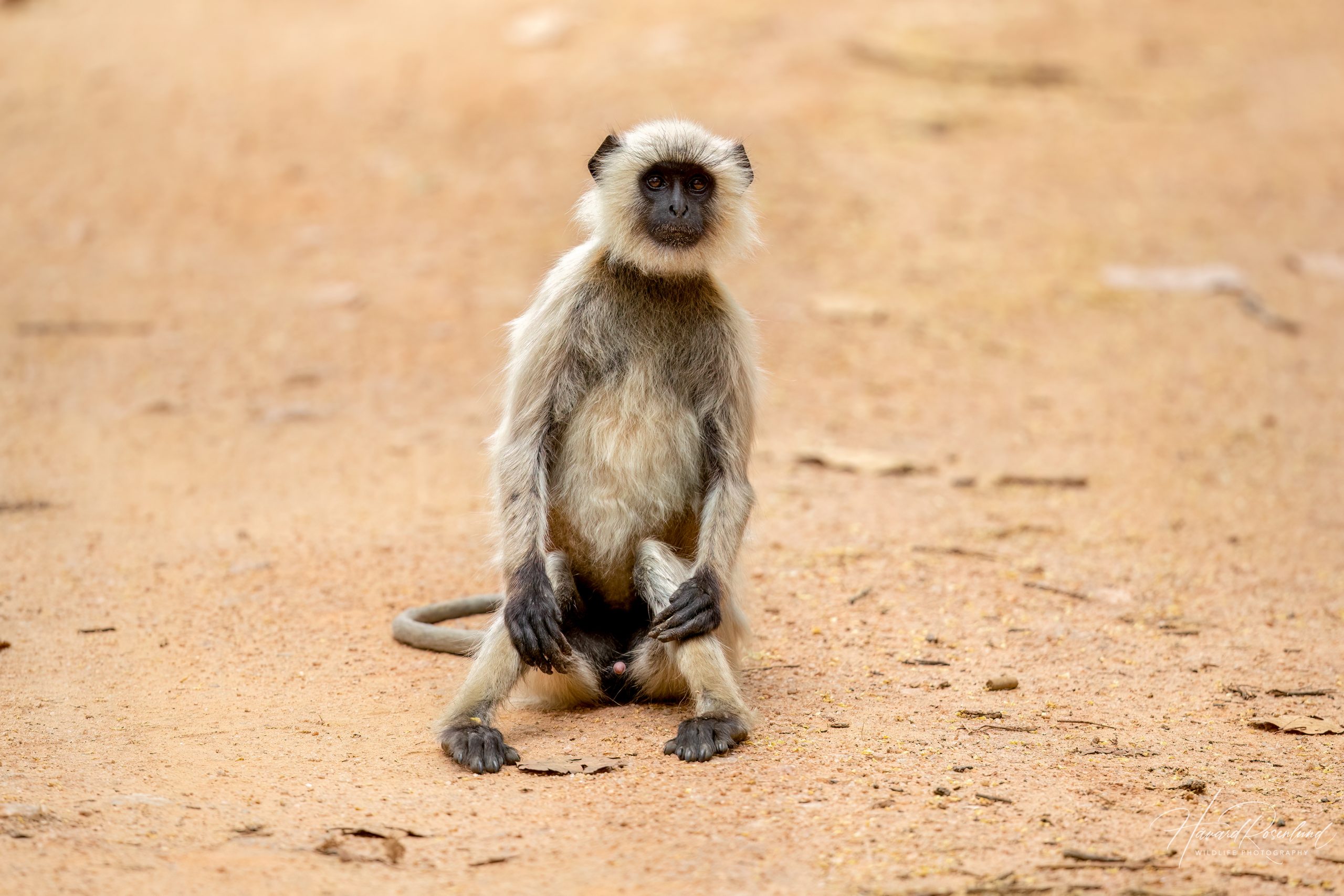
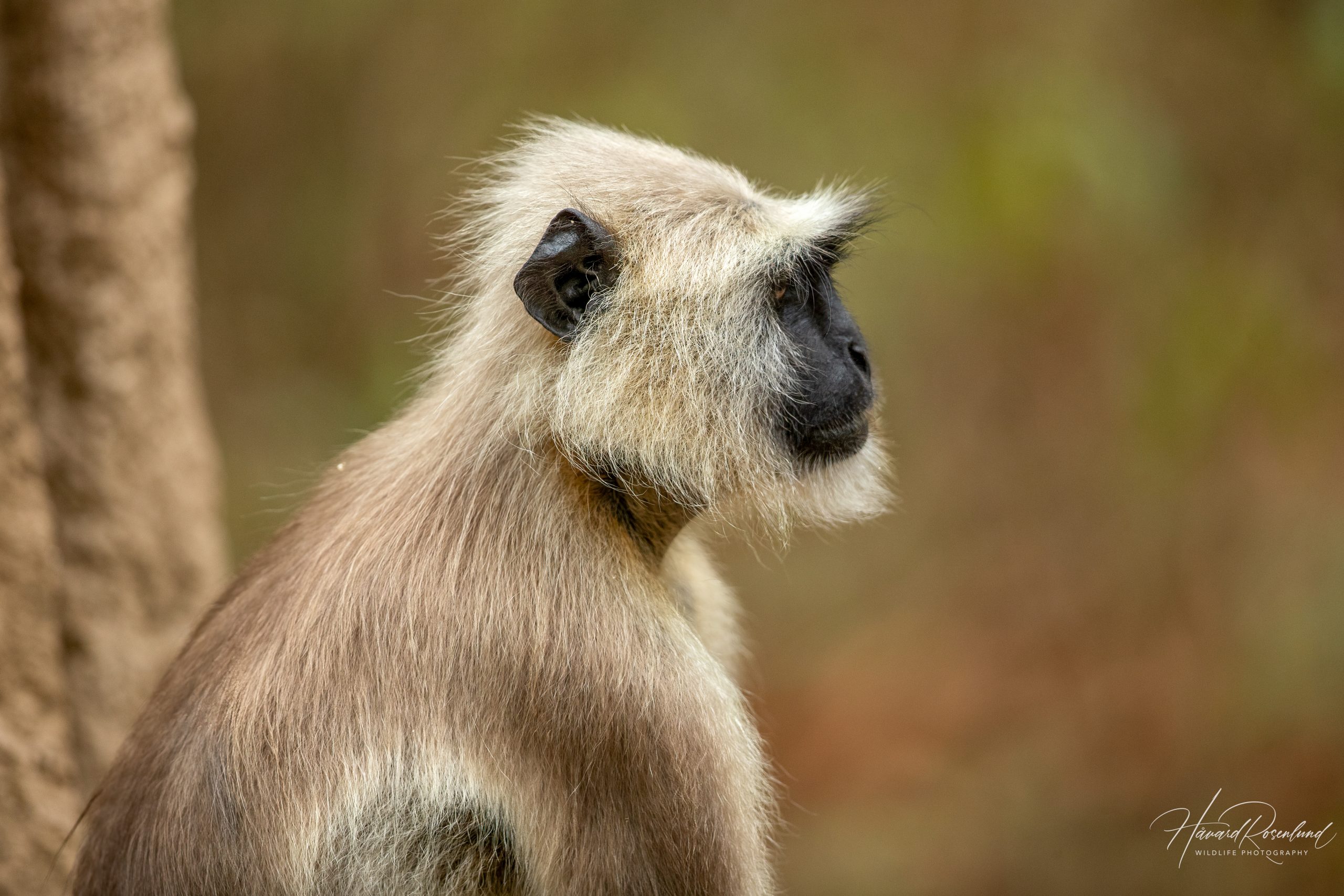
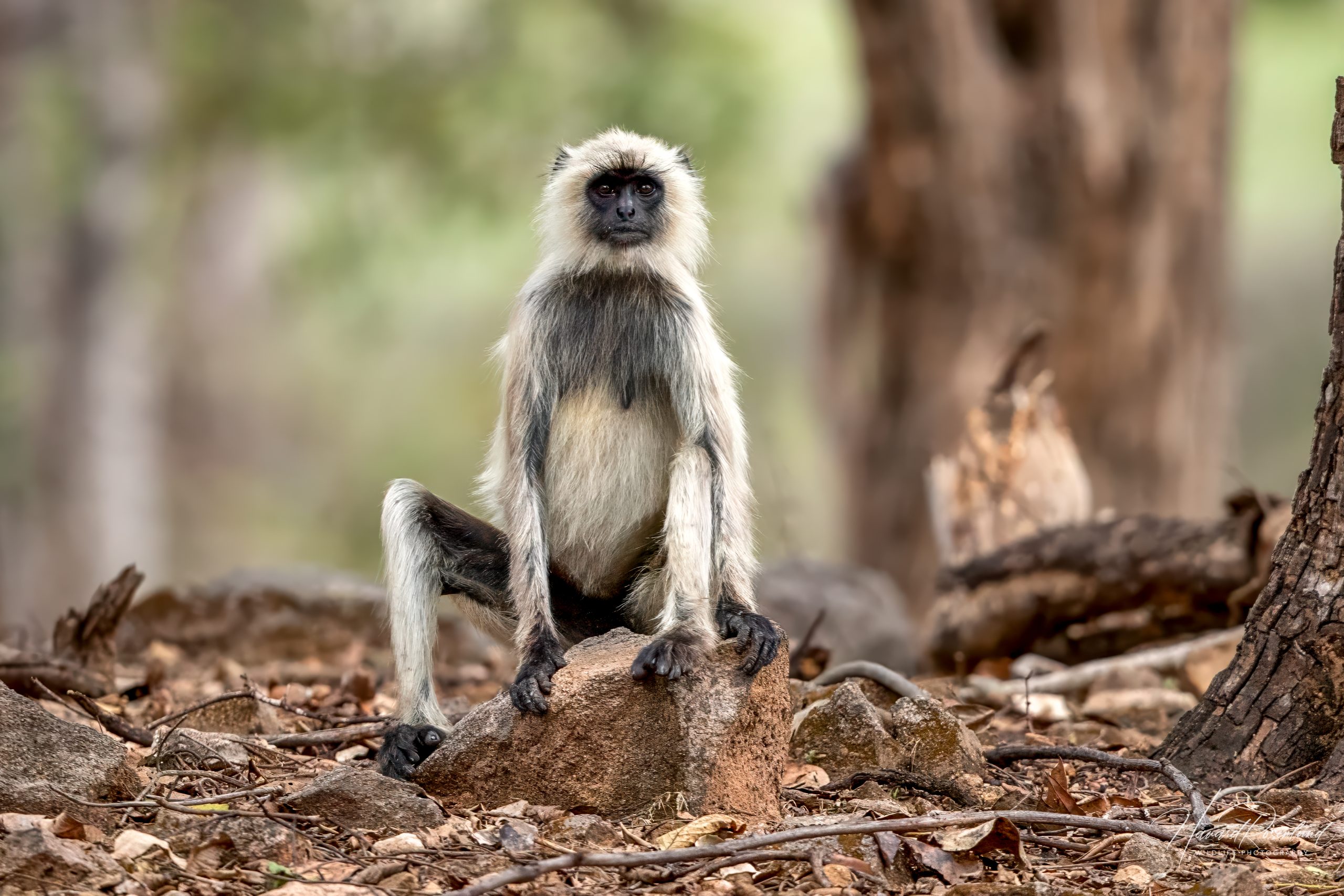
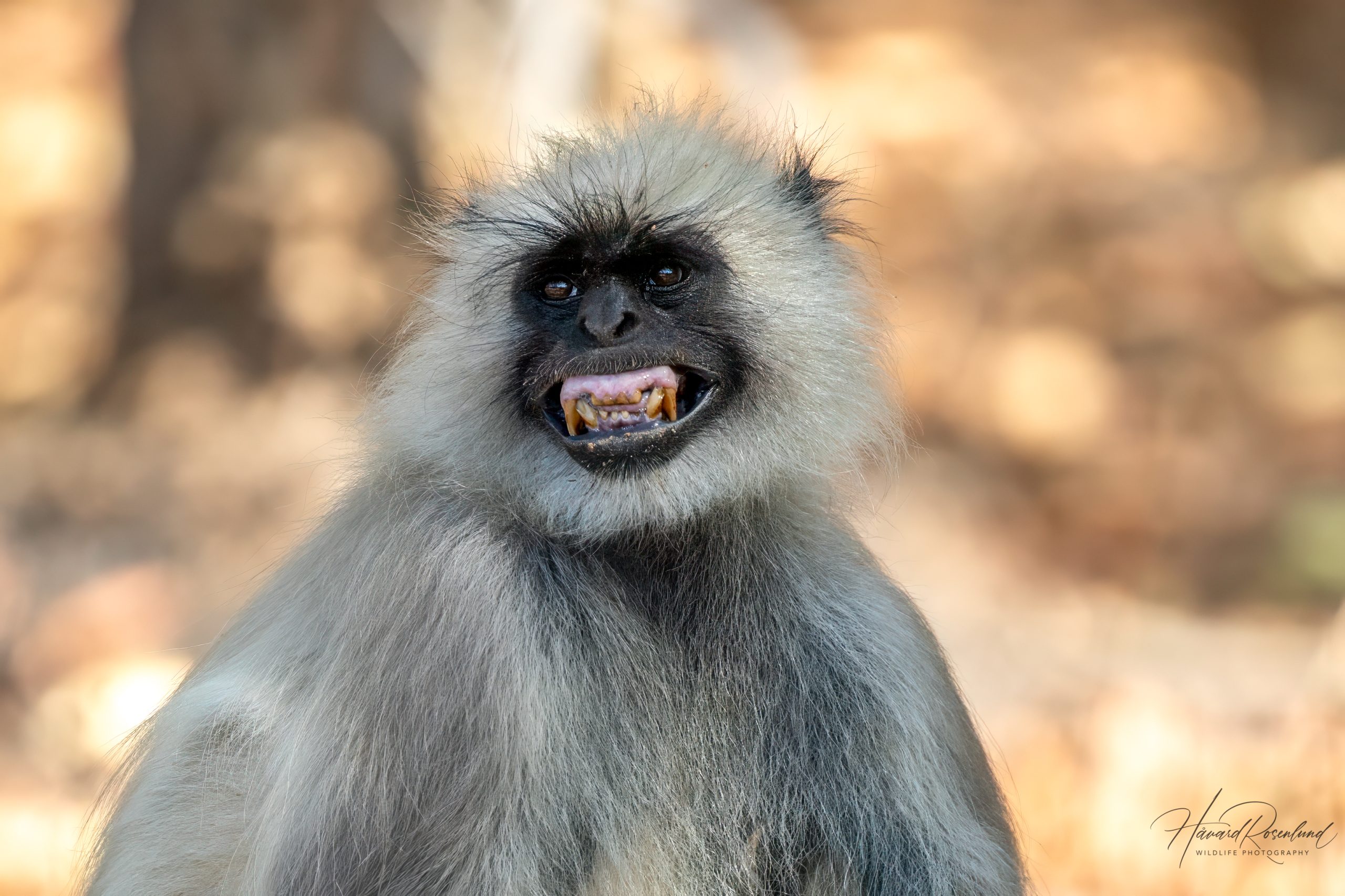
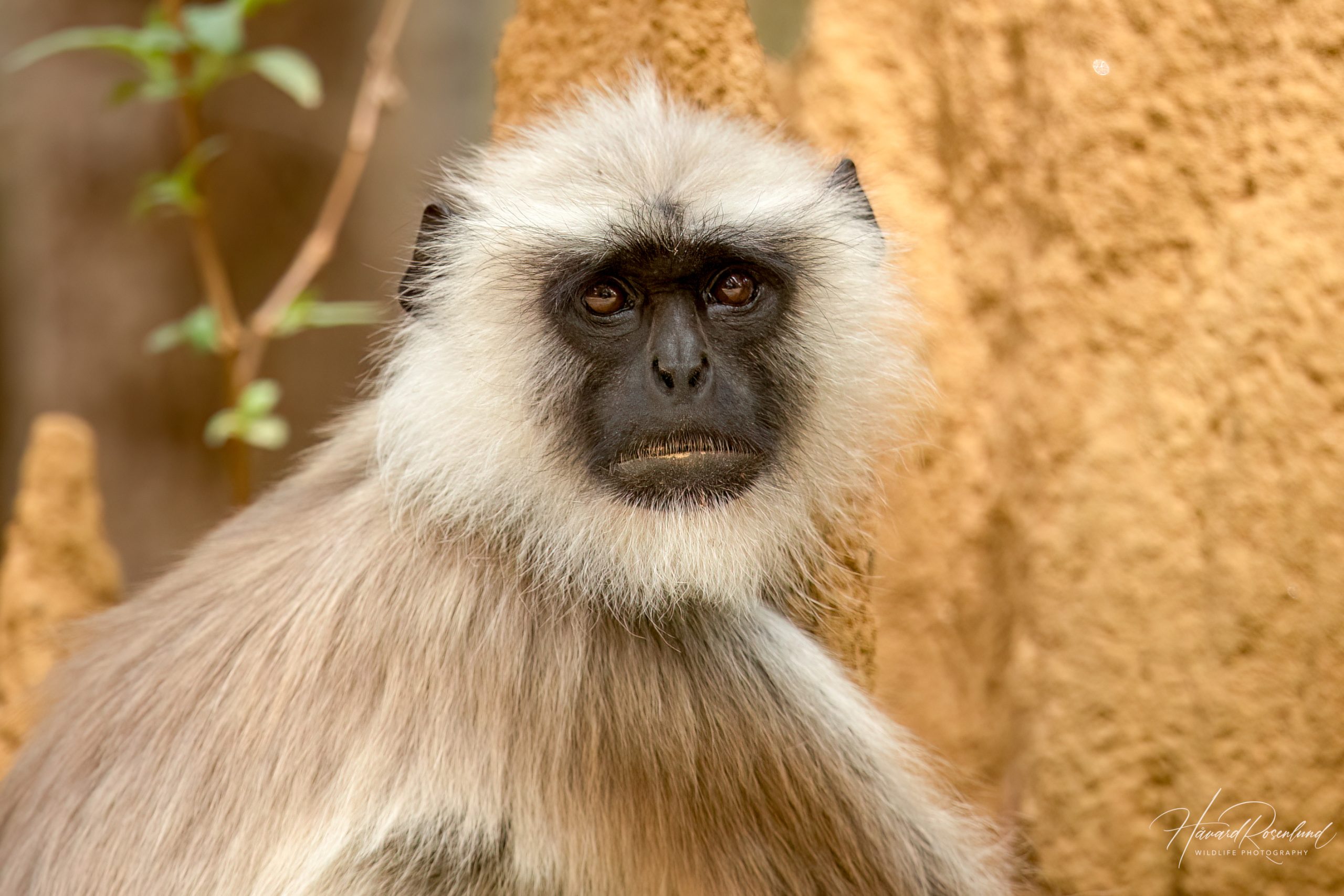
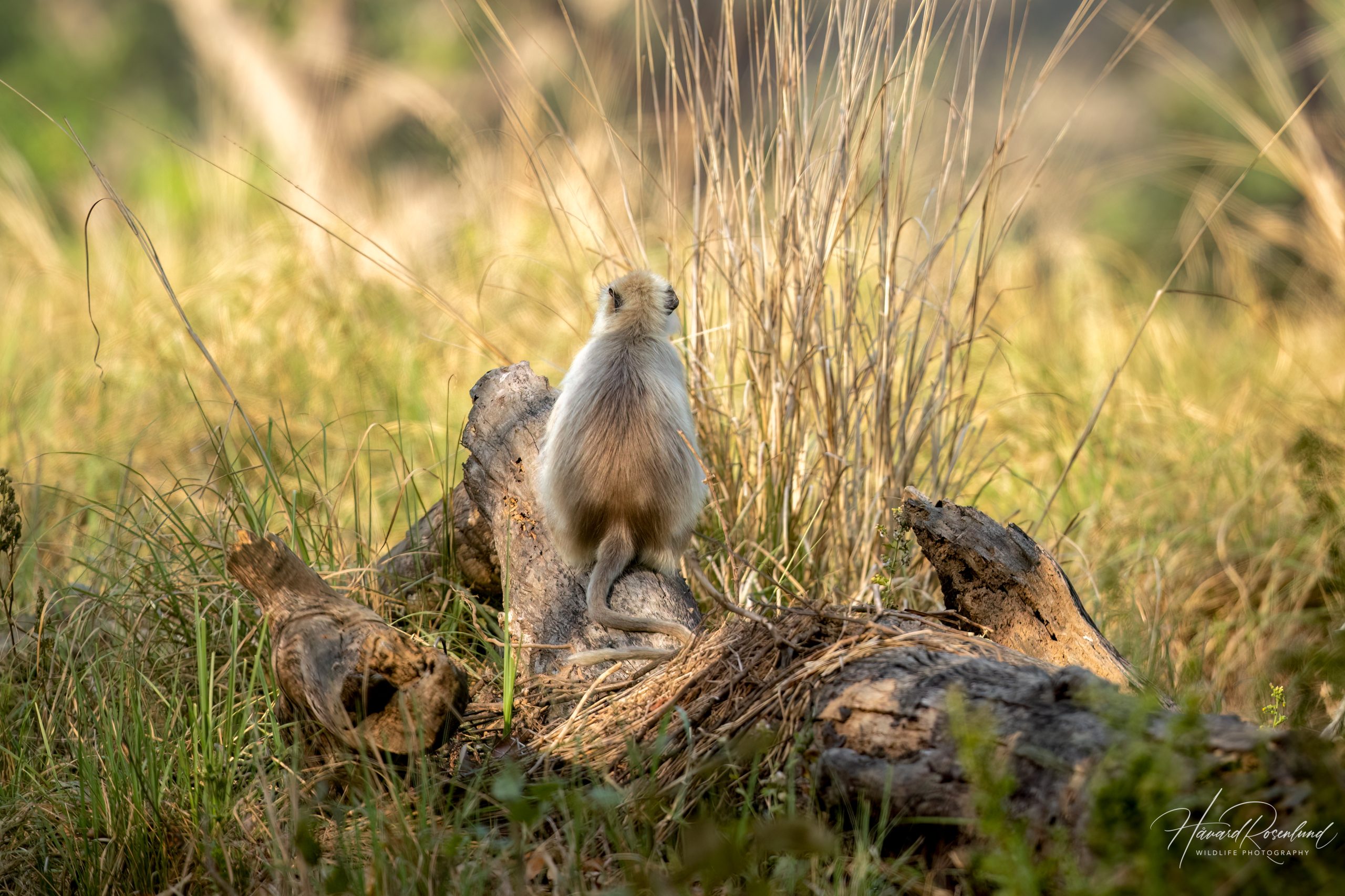
The northern plains grey langur (Semnopithecus entellus), also called the Bengal sacred or Hanuman langur, is a large, long-limbed leaf monkey of the northern Indian plains. Adults have pale grey to yellowish-grey fur contrasting with a black face, ears, hands and feet, and a very long tail. Head-and-body length is roughly 51–78 cm and the tail about 69–101 cm. Males are substantially heavier than females, averaging about 18 kg compared with about 13 kg for females.
Unlike several other grey langur species, the crown is not strongly crested. The modern species is also much more narrowly defined than the old use of the name “Hanuman langur”, which once covered grey langurs across most of the Indian subcontinent.
Taxonomy
Grey langur taxonomy has changed substantially. For much of the twentieth century nearly all grey langurs of the Indian subcontinent were treated as one highly variable species, Semnopithecus entellus. A genetic study published in 2010 showed that the old “Hanuman langur” grouping did not form one simple evolutionary lineage and recommended splitting it into several species.
Mammal Diversity Database v2.5 from 2026 recognises S. entellus as the Bengal sacred or northern plains grey langur and treats Himalayan, Terai, Malabar, tufted and other grey langur populations as separate species. This means that some classic studies published under the name S. entellus concern populations that would receive a different scientific name today.
Habitat
Northern plains grey langurs use an exceptionally broad range of environments within their lowland range, including dry deciduous forest, scrub, rocky hills, riverine woodland, agricultural mosaics, villages and cities. The native range lies mainly in India and Pakistan, in lowlands north of the Godavari and Krishna rivers and south of the Ganges. The Bangladesh population is regarded as introduced.
Their success in open and human-modified landscapes partly reflects their ability to travel and feed extensively on the ground as well as in trees. Trees remain important for shade, sleeping sites and many natural foods, but groups can cross fields, roads and built-up areas between scattered patches of cover.
Diet
The species eats mainly leaves and fruit rather than being a strict leaf specialist. Young and mature leaves form a major part of the natural diet, supplemented by fruit, flowers, buds, shoots, seeds and other plant parts. Insects are also taken occasionally.
A study published in 2015 of the introduced population in Jessore, Bangladesh, recorded 54 plant species in the diet. Leaves accounted for 57.5% of feeding time and fruit for 20.7%, while provisioned food made up 8.7%. A 2025 study of eight groups in the same area found that time spent feeding on different plants was not closely related to their protein, fat or carbohydrate content. Accessibility and other local conditions therefore appear more important for food choice than the balance of these macronutrients alone.
Like other leaf monkeys, langurs have a multi-chambered digestive system in which microbes break down and ferment fibrous plant material before it reaches the small intestine. This allows them to use leaves that many other primates cannot digest efficiently. In towns and temple areas, however, naturally fibrous foods may be partly replaced by bread, processed snacks, fruit and other food supplied by people.
Social behaviour
Northern plains grey langurs are diurnal and use both the ground and trees. Their social system is flexible. They may live in one-male groups with several adult females and young, in groups containing several adult males, or in all-male bands. Females usually form the stable core of mixed-sex groups, while males are more likely to leave and move between groups.
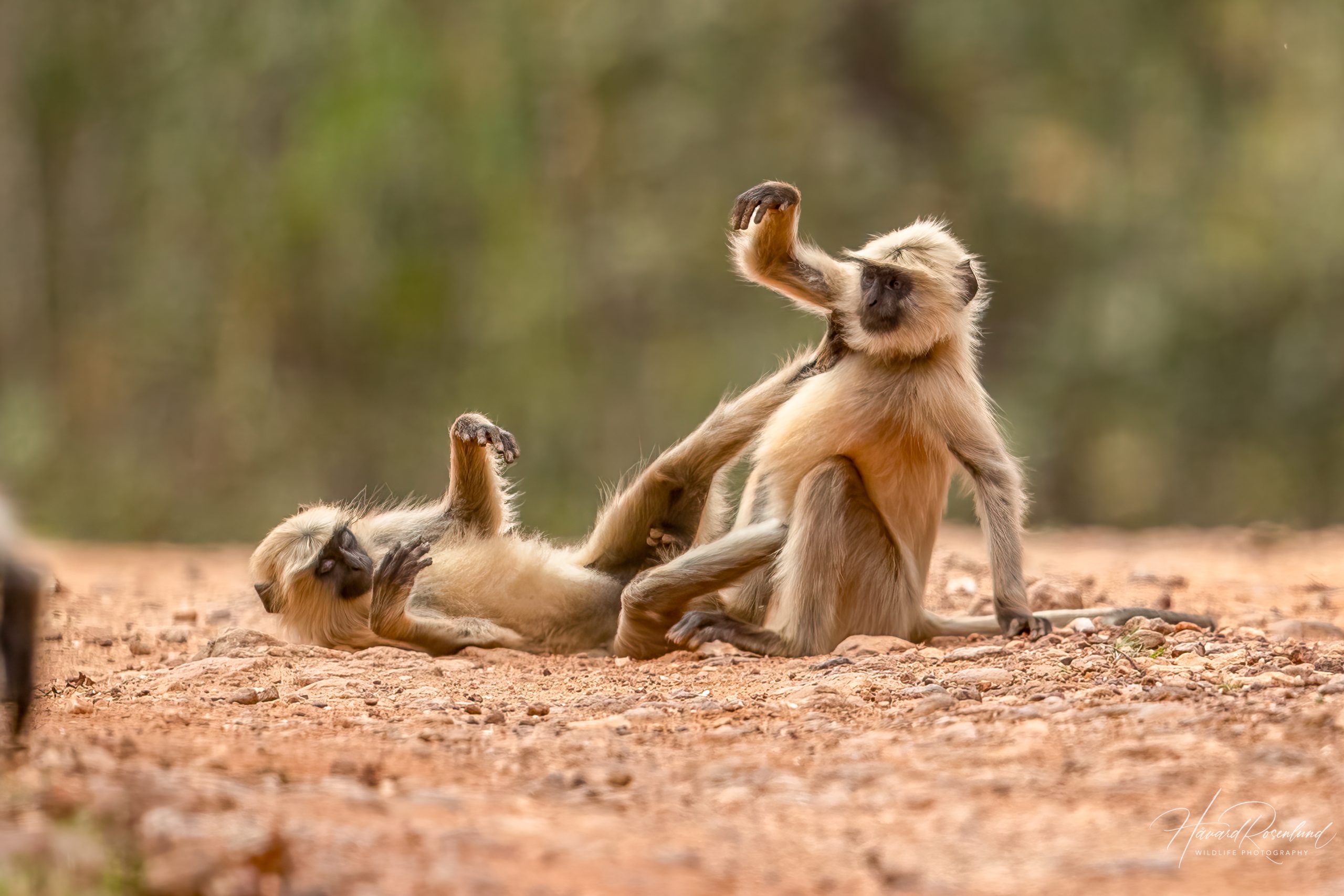
Group size can vary greatly. A survey published in 2002 from Kumbhalgarh Wildlife Sanctuary in Rajasthan found mixed-sex troops of 19–113 individuals, while all-male bands ranged from 8 to 32. Long-term studies around Jodhpur have likewise documented one-male groups, all-male bands and multi-male groups that may be temporary or more persistent. Dominance, grooming, play, infant care, submission and aggression are important parts of social life, while group composition varies with local ecological and social conditions.
The video below shows a group playing on a road in Bandhavgarh National Park, India.
Predation
Large carnivores are an important part of grey langur ecology. Leopards (Panthera pardus), tigers (Panthera tigris) and dholes (Cuon alpinus) all take langurs where their ranges overlap, although exact predation rates for today's narrowly defined S. entellus are difficult to separate from older studies that used the same name for several grey langur species.
Langurs reduce risk through group vigilance, alarm calls and rapid retreat into trees. They also frequently associate with chital (Axis axis). A classic study published in 1989 from Kanha in central India found that 70.1% of deer herds observed within 200 m of the langurs approached to within 25 m of the troop. Chital clearly benefit from the association by responding to langur alarm calls and feeding on plant material dropped from the trees. Langurs may also gain some warning from chital alarm responses, but the benefit to the langurs appears smaller.
Reproduction
Females usually give birth to a single infant after a gestation of roughly 200 days. A 13-year study from Jodhpur, published in 1992, found a mean gestation of 200.3 days and a mean birth interval of 16.7 months in one-male groups that reproduced throughout the year. Other long-term work shows that food availability and feeding by people can affect age at first birth, how long mothers nurse, the interval between births and how strongly births are concentrated in one season.
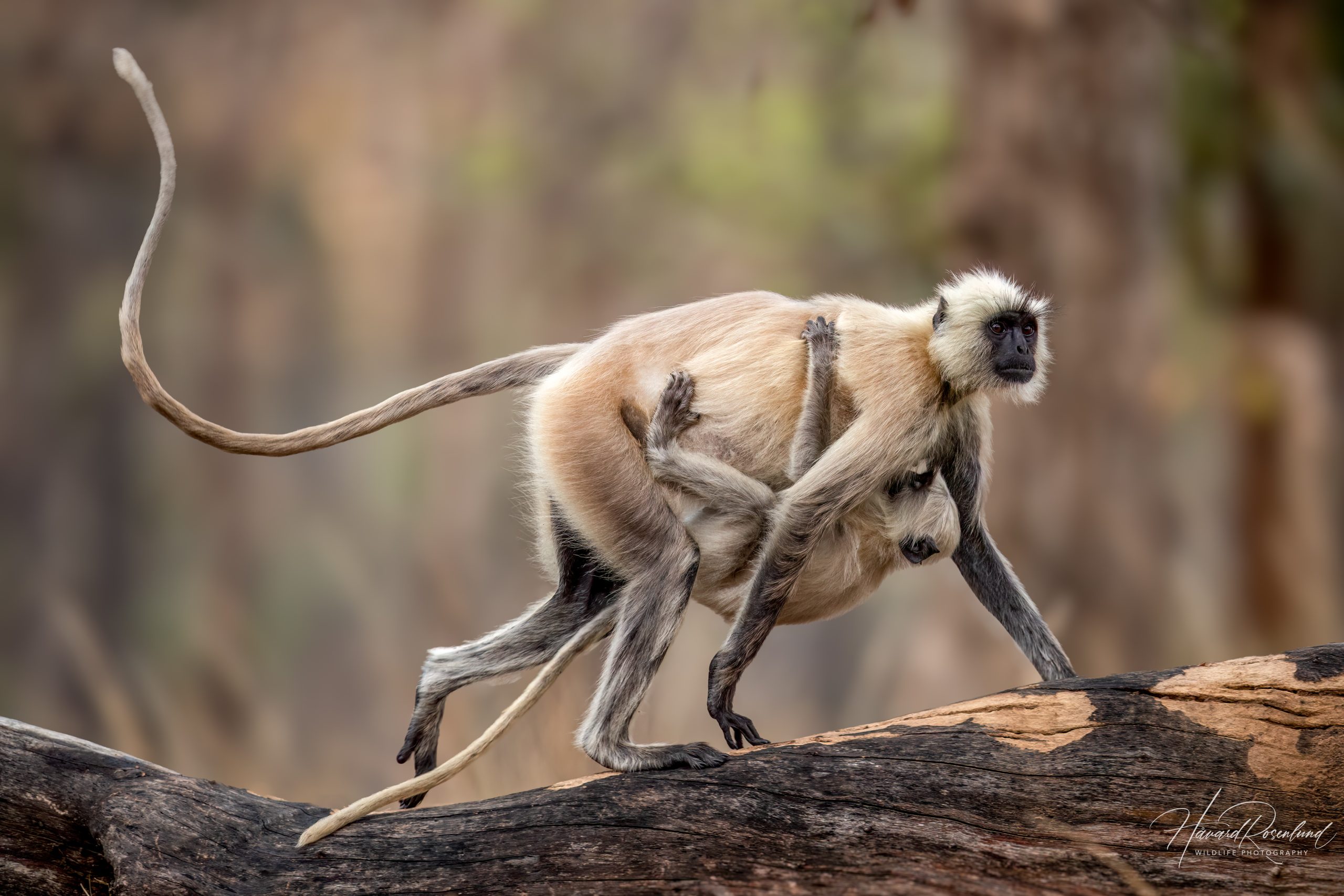
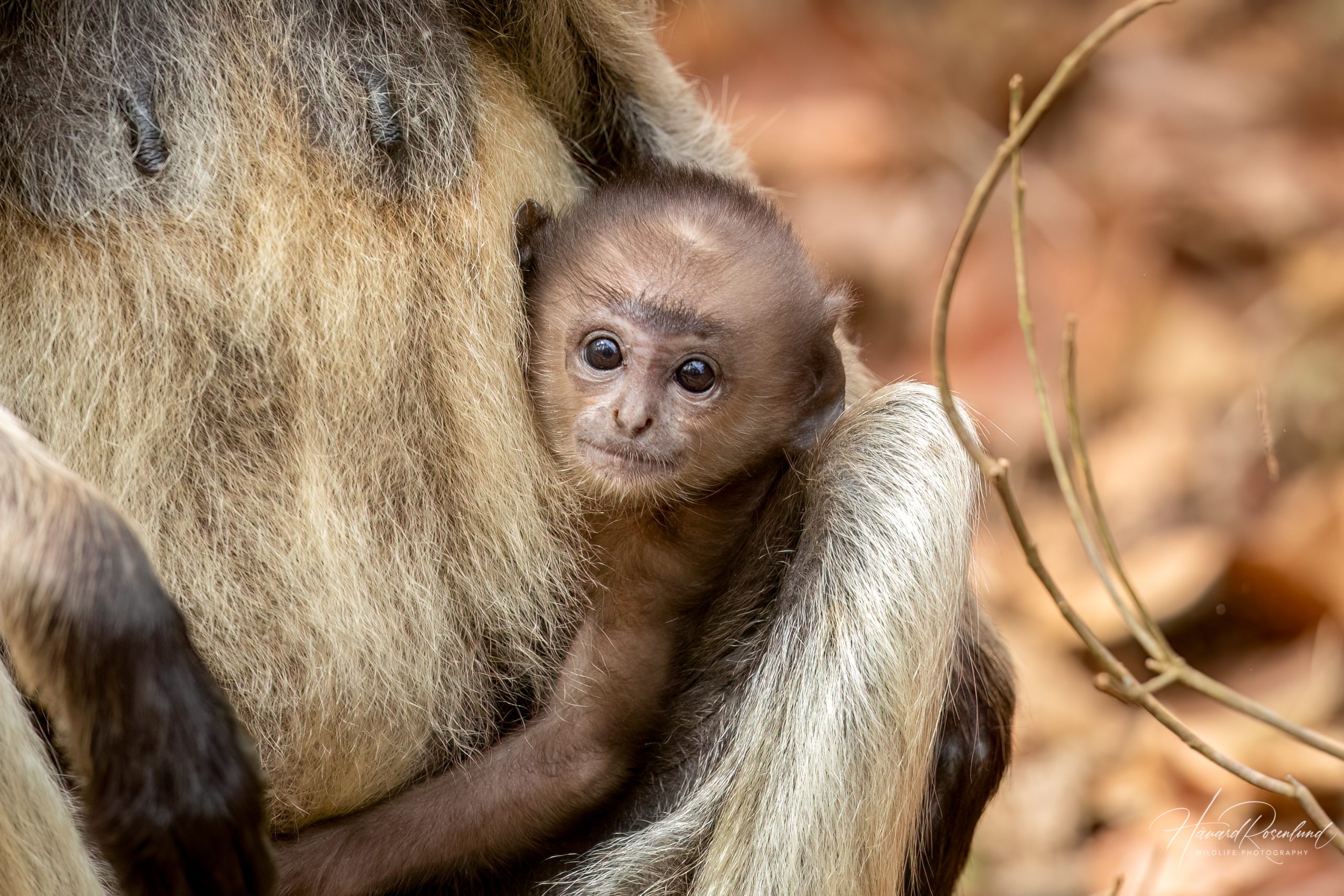
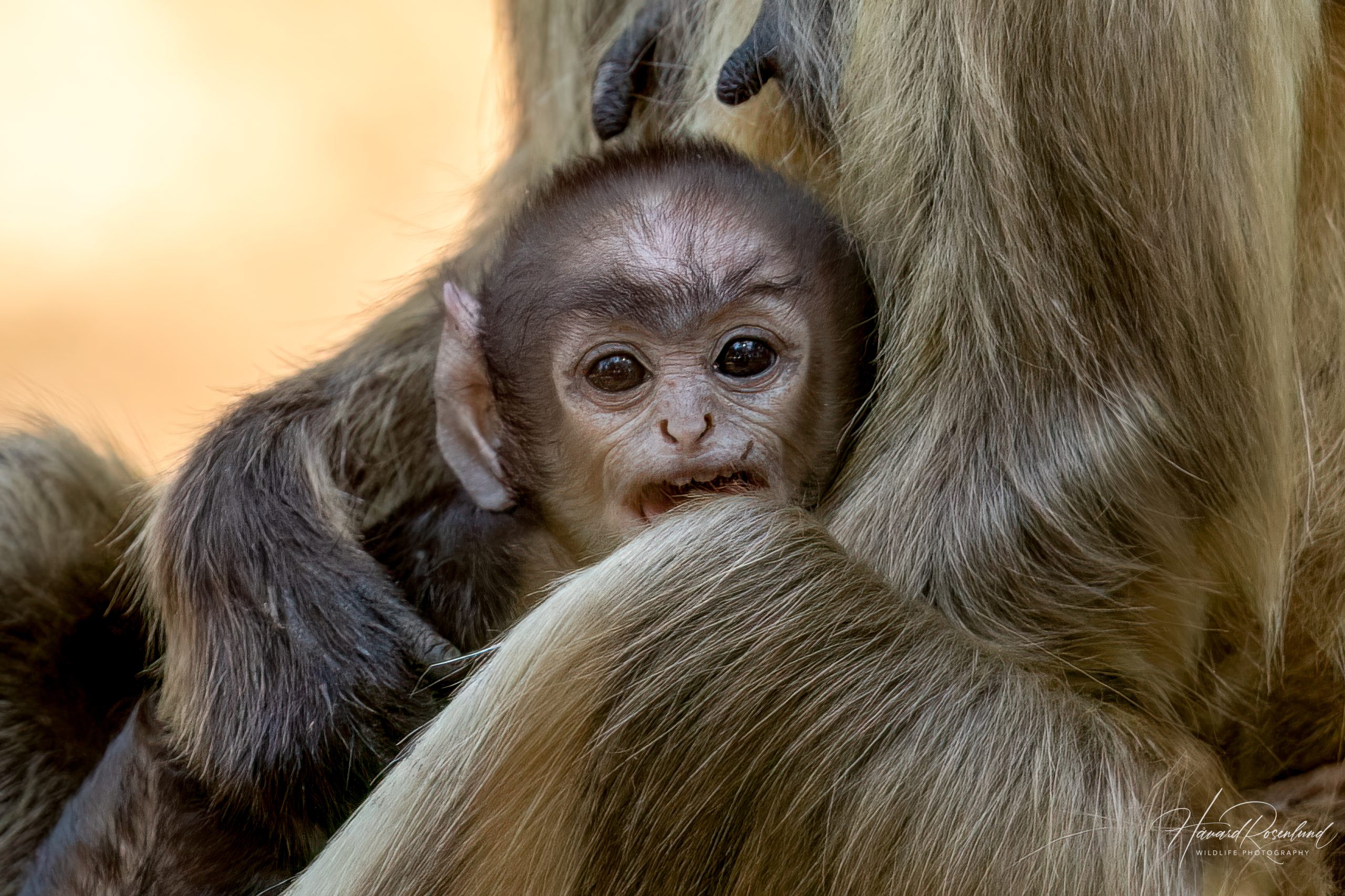
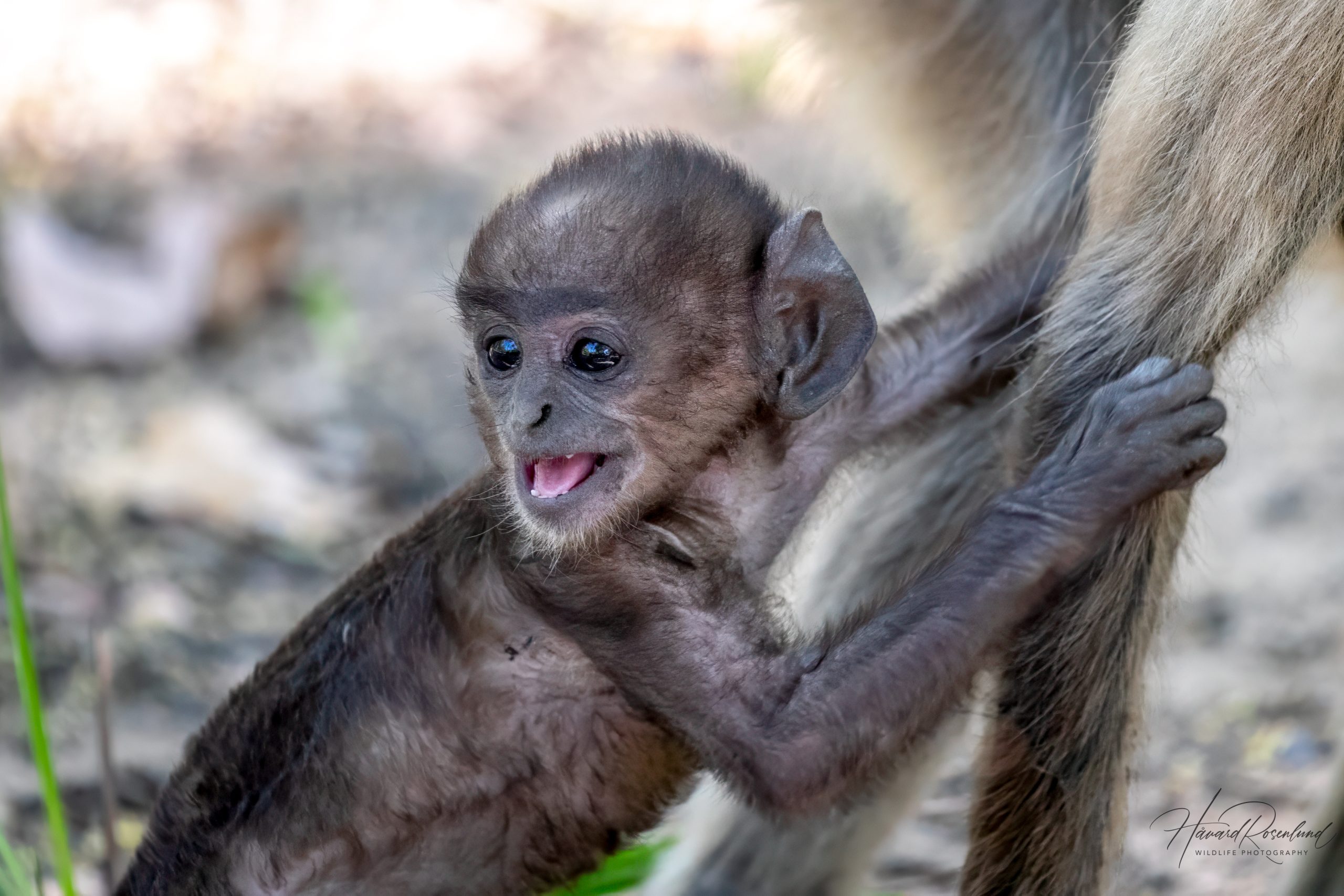
Infants remain closely attached to the mother early in life, but other females may groom, carry or guard them; this care by females other than the mother is often called allomothering.
Male takeovers add an unusually important dimension to langur reproduction. A classic 1974 study from Mount Abu in Rajasthan combined its observations with earlier records from Dharwar and Jodhpur; across seven documented cases, infanticide followed the arrival of new males into groups. Infanticide by incoming males does not follow every takeover, but the risk can influence group composition, male–female associations and female mating behaviour. Northern plains grey langurs were among the first wild primates in which this behaviour was documented in detail.
Cultural significance
Grey langurs have a long cultural association with people in South Asia and are especially linked with the Hindu deity Hanuman, reflected in widely used names such as Hanuman langur and sacred langur. Around many temples and religious sites they are tolerated, protected or deliberately fed, giving them a cultural role that goes well beyond simply being a wild primate able to survive in towns.
This cultural status has helped shape the species' relationship with people in parts of India. Troops can become familiar features of temple grounds, villages and urban neighbourhoods, and the protection they receive in some places allows them to live at densities and in settings that would be unusual for many other large wild mammals.
Relationship with humans
Close coexistence also changes how langurs behave and feed. A study published in 2021 of free-ranging S. entellus in West Bengal found a strong preference for calorie-rich processed food when animals were given a choice among different foods. A 2025 study at the Dakshineswar temple complex identified seven distinct gestures used to solicit food from people. Reaching, embracing a person's leg or pulling clothing could all successfully trigger feeding.
Regular provisioning can increase dependence on people and expose langurs to nutritionally unsuitable food, traffic, dogs and conflict around crops, houses and public spaces. Animals that learn to approach people directly can also become unusually persistent around food, so frequent provisioning can increase conflict where people and langurs live close together.
Status
The northern plains grey langur is classified as least concern on the IUCN Red List. The most recent global assessment was published in 2020. The total population is unknown, and the species is considered to be declining overall.
Much of the population lives in human-dominated landscapes. Human conflict, habitat change, tree felling, hunting and trapping affect some populations. The species remains widespread and can be abundant in modified landscapes, but local populations can still decline where these pressures are strong.
Image gallery
Loading map and observations…
Have you seen this species?
Independent species archive
Did you find this species page useful?
Wildlife Vagabond is independently built and maintained. Voluntary support helps cover hosting, maps, data storage and continued improvements to the species archive.
Support Wildlife VagabondSpecies content will remain freely available.
References
Information about the species’ global distribution and status is based primarily on global Red List data. See the references below for details.
- Ahsan, M. F., & Khan, M. A. R. (2006). Eco-ethology of the common langur Semnopithecus entellus (Dufresne) in Bangladesh. University Journal of Zoology, Rajshahi University, 25, 3–10. https://doi.org/10.3329/ujzru.v25i0.317
- Alam, M. M., Jaman, M. F., Hasan, M. M., Rahman, M. M., Alam, S. M. I., & Khatun, U. H. (2015). Social interactions of Hanuman langur (Semnopithecus entellus) at Keshabpur and Manirampur of Jessore district of Bangladesh. Bangladesh Journal of Zoology, 42(2), 217-225. https://doi.org/10.3329/bjz.v42i2.23364
- Blaffer Hrdy, S. (1974). Male-Male Competition and Infanticide Among the Langurs (<i>Presbytis entellus</i>)of Abu, Rajasthan. Folia Primatologica, 22(1), 19-58. https://doi.org/10.1159/000155616
- Borries, C., Koenig, A., & Winkler, P. (2001). Variation of life history traits and mating patterns in female langur monkeys (Semnopithecus entellus). Behavioral Ecology and Sociobiology, 50(5), 391-402. https://doi.org/10.1007/s002650100391
- Chhangani, A. K. (2002). Group composition and sex ratio in Hanuman Langurs (Semnopithecus entellus) in the Aravali Hills of Rajasthan. Zoos' Print Journal, 17(8), 848-852. https://doi.org/10.11609/JoTT.ZPJ.17.8.848-52
- Dasgupta, D., Banerjee, A., Dutta, A., Mitra, S., Banerjee, D., Karar, R., Karmakar, S., Bhattacharya, A., Ghosh, S., Bhattacharjee, P., & Paul, M. (2025). Decoding food solicitation techniques applied by free-ranging Hanuman langurs residing in an urban habitat. Animal Cognition, 28(1), 25. https://doi.org/10.1007/s10071-024-01925-y
- Dasgupta, D., Banerjee, A., Karar, R., Banerjee, D., Mitra, S., Sardar, P., Karmakar, S., Bhattacharya, A., Ghosh, S., Bhattacharjee, P., & Paul, M. (2021). Altered Food Habits? Understanding the Feeding Preference of Free-Ranging Gray Langurs Within an Urban Settlement. Frontiers in Psychology, 12, 649027. https://doi.org/10.3389/fpsyg.2021.649027
- Heymann, E. W., & Hsia, S. S. (2015). Unlike fellows – a review of primate–non‐primate associations. Biological Reviews, 90(1), 142-156. https://doi.org/10.1111/brv.12101
- International Union for Conservation of Nature. (n.d.). Northern Plains Gray Langur. The IUCN Red List of Threatened Species. https://www.iucnredlist.org/species/39832/17942050
- Karanth, K. P., Singh, L., & Stewart, C.-B. (2010). Mitochondrial and nuclear markers suggest Hanuman langur (Primates: Colobinae) polyphyly: Implications for their species status. Molecular Phylogenetics and Evolution, 54(2), 627-633. https://doi.org/10.1016/j.ympev.2009.10.034
- Kumara, H. N., Kumar, S., & Singh, M. (2010). Of how much concern are the ‘least concern’ species? Distribution and conservation status of bonnet macaques, rhesus macaques and Hanuman langurs in Karnataka, India. Primates, 51(1), 37-42. https://doi.org/10.1007/s10329-009-0168-8
- Mammal Diversity Database. (n.d.). Semnopithecus entellus (Bengal Sacred Langur). American Society of Mammalogists. https://www.mammaldiversity.org/taxon/1000688/
- Newton, P. N. (1989). Associations between Langur Monkeys (Presbytis entellus) and Chital Deer (Axis axis): Chance Encounters or a Mutualism? Ethology, 83(2), 89-120. https://doi.org/10.1111/j.1439-0310.1989.tb00522.x
- Rahman, M. M., Jaman, M. F., & Bari, M. L. (2025). Nutritional composition has limited impact on the foraging patterns of Northern Plains Gray Langurs (Semnopithecus entellus). Bangladesh Journal of Zoology, 53(1), 45-56. https://doi.org/10.3329/bjz.v53i1.82615
- Rahman, M. M., Jaman, M. F., Khatun, M. T., Alam, S. M. I., Alam, M. M., Hossain, M. S., & Huffman, M. A. (2015). Feeding ecology of the Northern Plains Sacred Langur Semnopithecus entellus in Jessore, Bangladesh: dietary composition, seasonal and age-sex differences. Asian Primates Journal, 5(1), 24–39. https://static1.1.sqspcdn.com/static/f/1200343/27164384/1469417361063/2016Jul25_ARTICLE_ALLV_51.pdf
- Ramesh, T., Kalle, R., Sankar, K., & Qureshi, Q. (2012). Dietary Partitioning in Sympatric Large Carnivores in a Tropical Forest of Western Ghats, India. Mammal Study, 37(4), 313-321. https://doi.org/10.3106/041.037.0405
- Sommer, V., Srivastava, A., & Borries, C. (1992). Cycles, sexuality, and conception in free‐ranging langurs (Presbytis entellus). American Journal of Primatology, 28(1), 1-27. https://doi.org/10.1002/ajp.1350280102