
Indian Flapshell Turtle Sighting Density Rose During Breeding Seasons at Chawandiya Pond
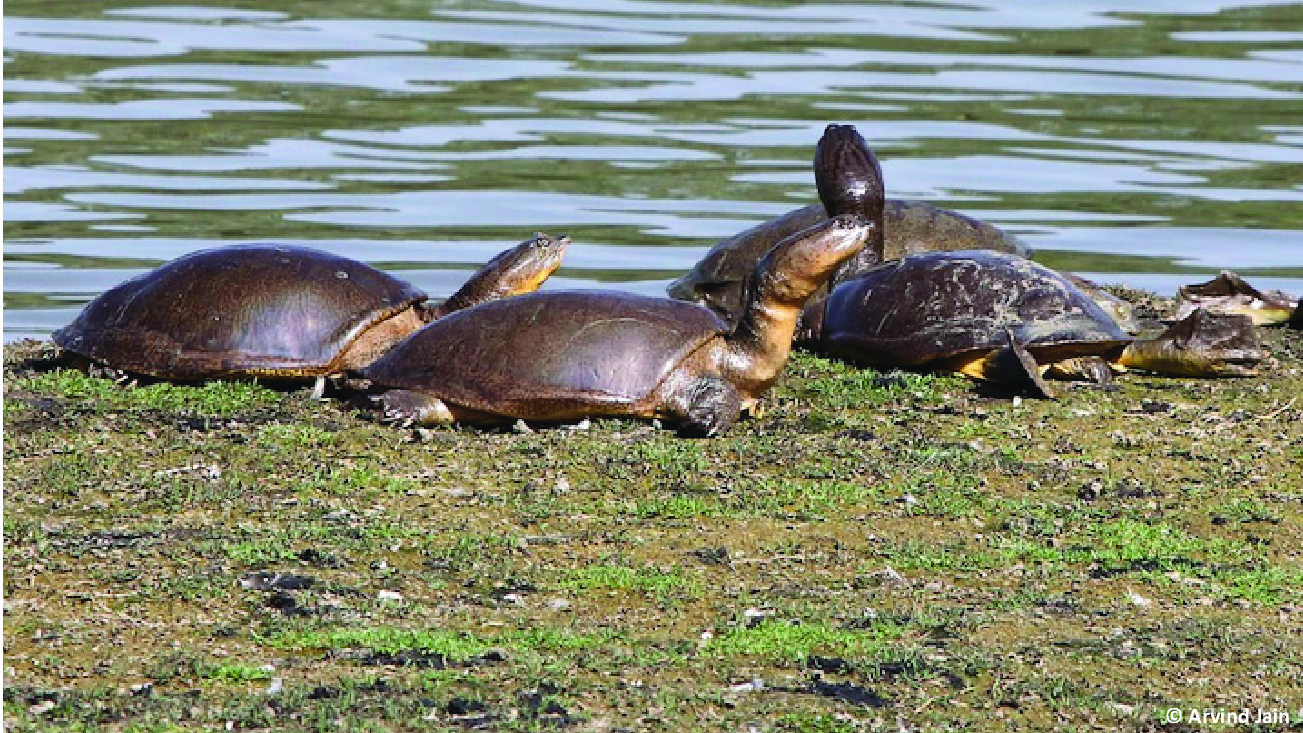
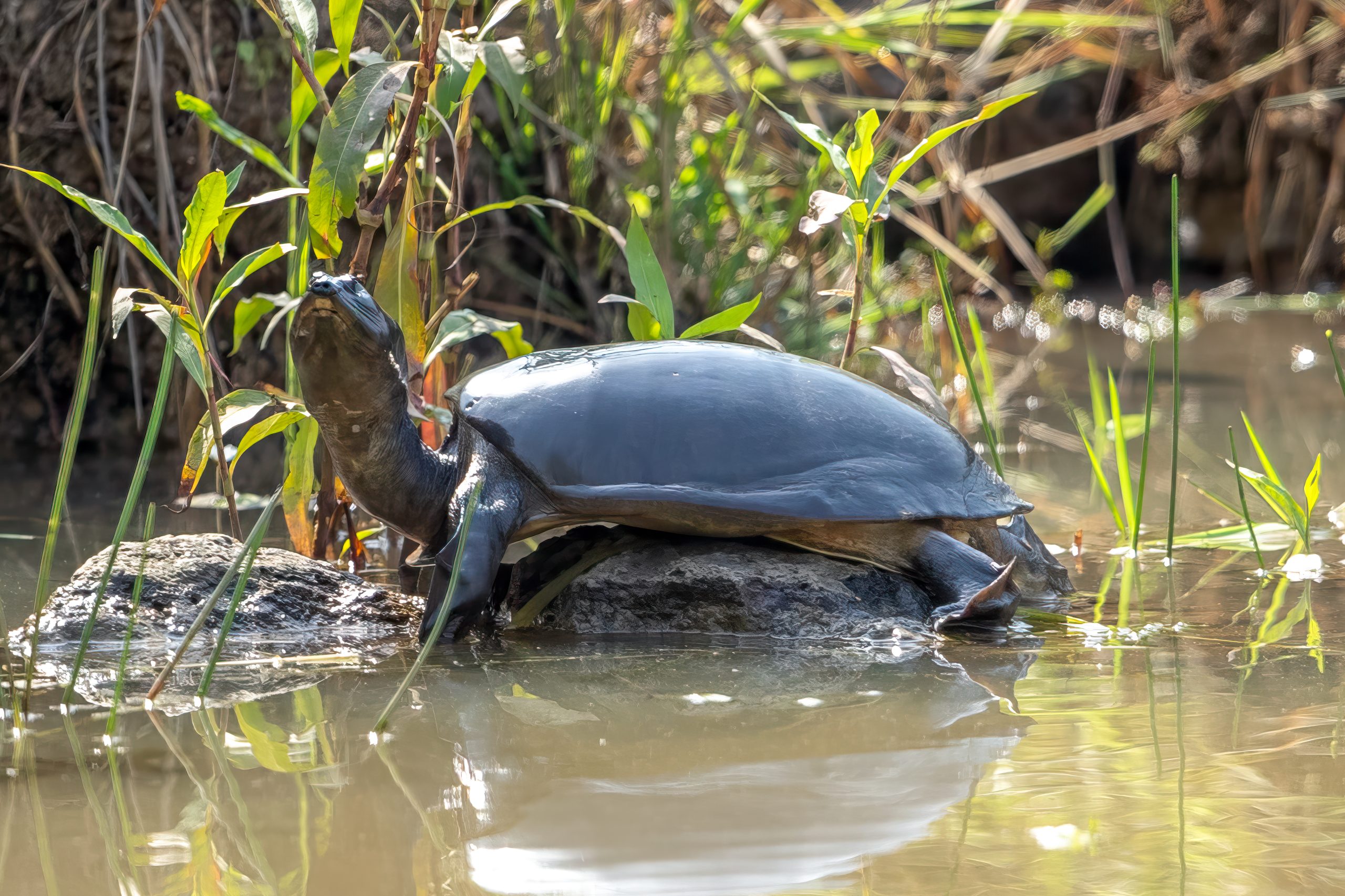
A field study published in 2026 followed the subspecies Lissemys punctata vittata of the Indian flapshell turtle at Chawandiya Pond in Rajasthan from January 2023 to March 2025. The researchers repeatedly counted visible turtles in fixed 100 m² sections of shoreline. Early in 2023 they usually recorded 10–12 turtles per section; observations increased during the breeding period and later reached 23–24 per section from August 2024 through March 2025.
More turtles were seen during and after the breeding period
The pond was visited once or twice each week and two or three times per week during the May–August breeding season. Counts were made in the early morning and late afternoon, when basking turtles were easier to detect. The authors reported an increase in sighting density of about 33–38% during the breeding period and a further 13–15% afterwards.
Mating was observed from mid to late May, nesting in July–August and hatchling emergence in May after an incubation period of about 235–250 days. The authors suggest that breeding activity helped explain the seasonal increase in observations and that part of the later rise may also have reflected immigration into the pond. Because the method counted visible turtles rather than marked individuals, these changes show how many turtles were being seen in the fixed shoreline sections, not a direct measurement of total population size.
The total of 580–600 turtles was an extrapolated estimate
Using the March 2025 observation level of 23–24 turtles per 100 m² of shoreline, the authors extrapolated a total of nearly 580–600 turtles for the roughly 48-hectare pond. This was a broad estimate derived from the shoreline counts rather than a direct census or a mark–recapture population estimate.
Chawandiya Pond held water throughout the year and generally had relatively clear water and adequate dissolved oxygen, conditions the authors considered favourable for the turtles. They also detected signs of mild organic and detergent-related pollution from washing and other human activity, but not conditions they described as critical. The paper therefore identifies the pond as a site of local conservation importance for L. p. vittata.
Ecology
Related news
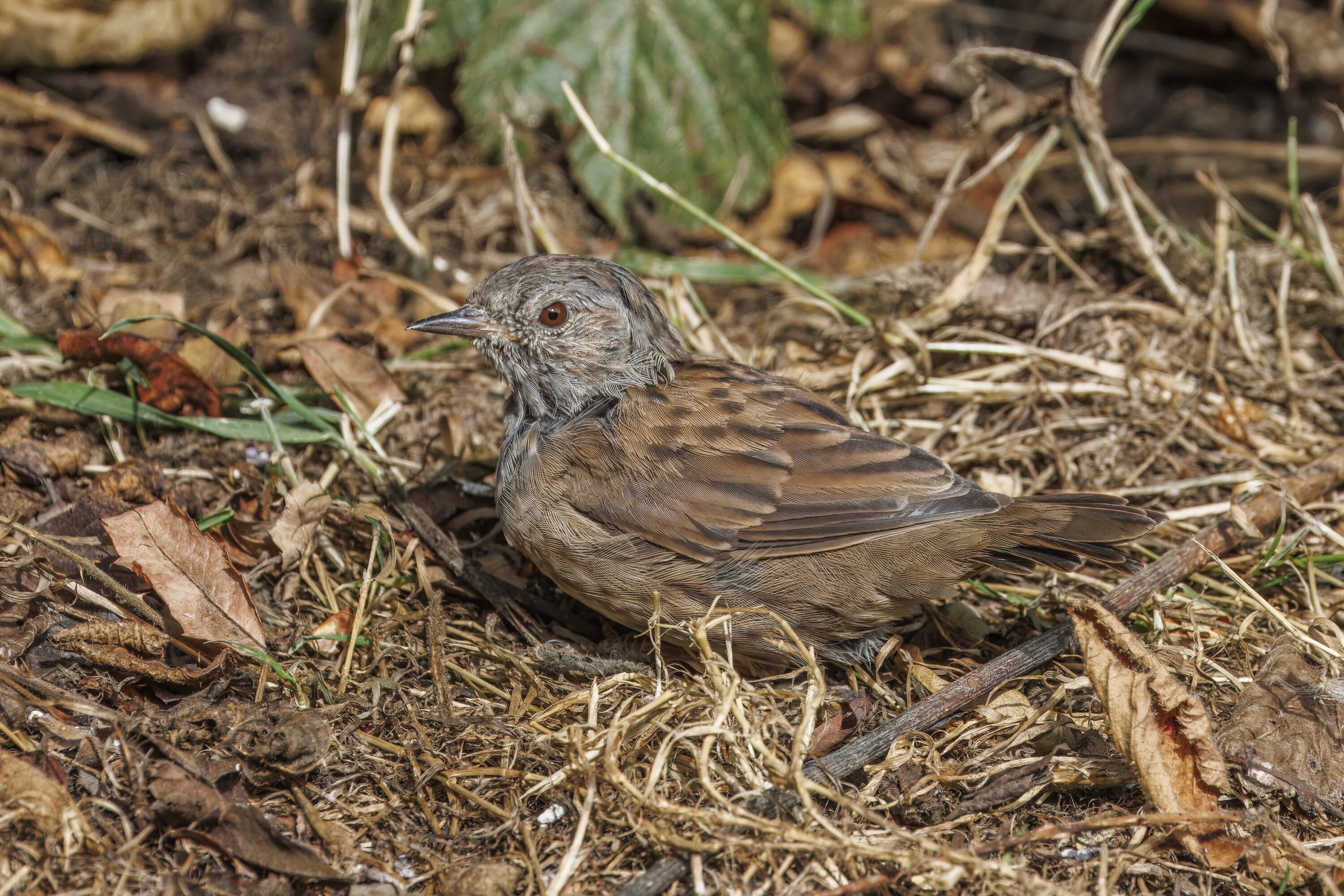
Dunnock Spring Passage Advanced by Up to 8.3 Days Over 61 Years at Hel
Standardised ringing data from northern Poland showed that the first, median and last phases of dunnock spring passage…
Read story →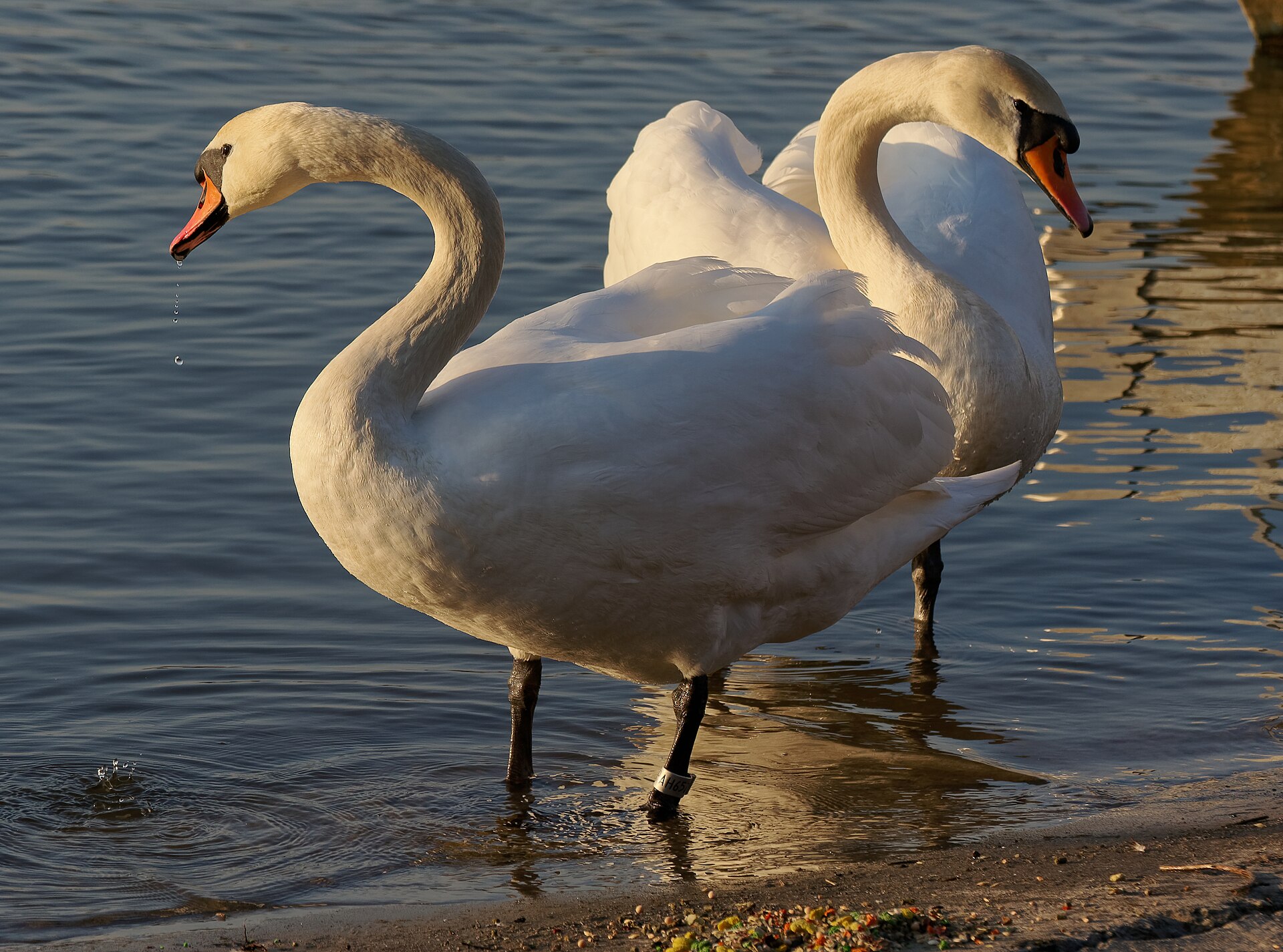
Inland Mute Swans Had Higher Winter Body Condition Despite Harsher Winters and Supplemental Feeding
A study of 853 mute swans from four Polish wintering regions found higher body condition inland than on…
Read story →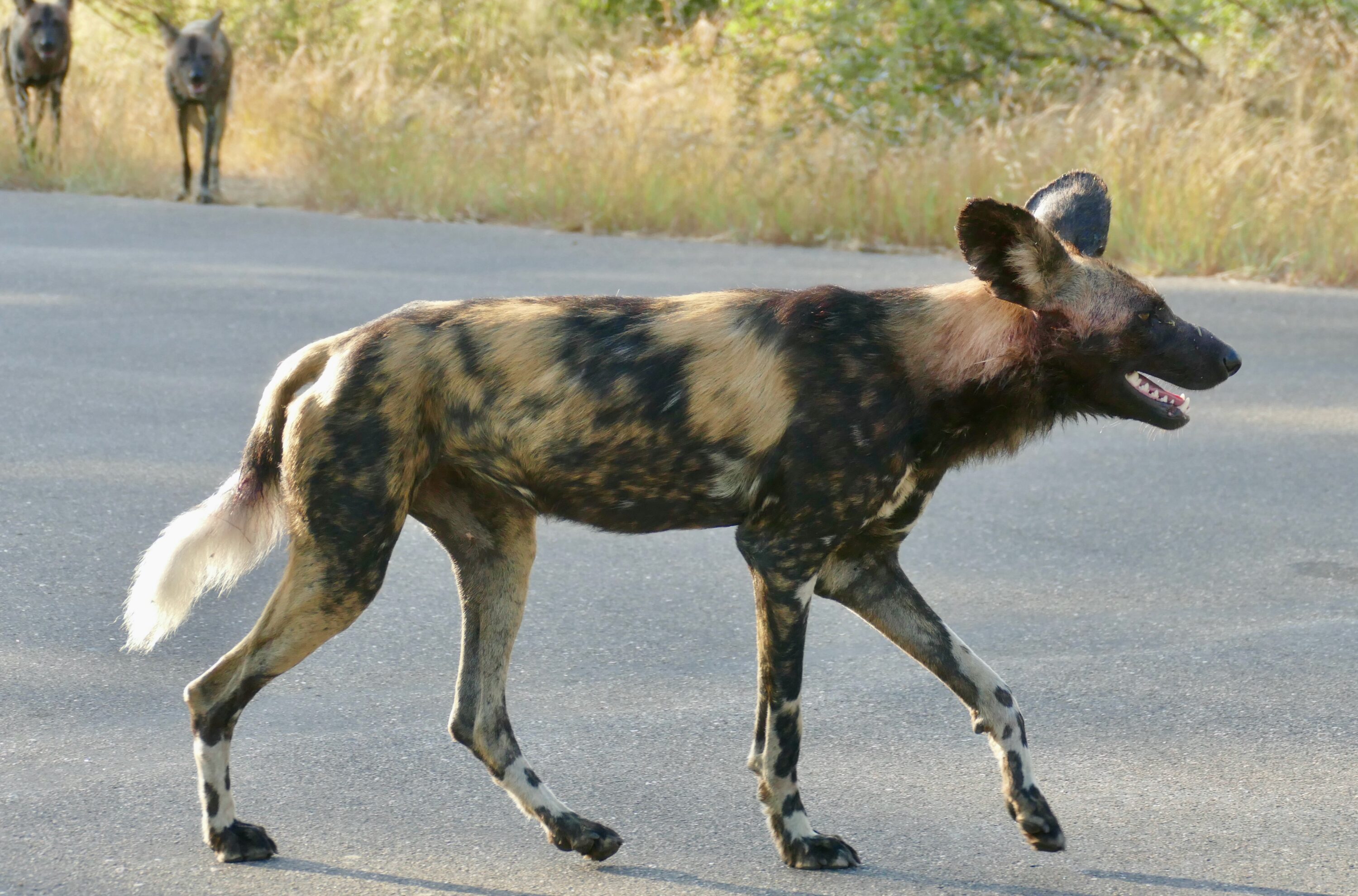
Gut Microbiomes Across Nine Kruger Mammals Clustered More Strongly by Dietary Group Than Species
A study of 89 quality-filtered faecal samples from nine wild mammals in Kruger National Park found that carnivores,…
Read story →SPECIES IN THIS STORY
Species in this story
Independent research and conservation news archive
Did you find this information useful?
Wildlife Vagabond is independently built and maintained. Voluntary support helps cover source verification, hosting and continued work on research and conservation news.
Support Wildlife VagabondThe news archive will remain freely available.