
Model Estimated 49% Occupancy for Isolated Blackbuck Population in North-central Gujarat
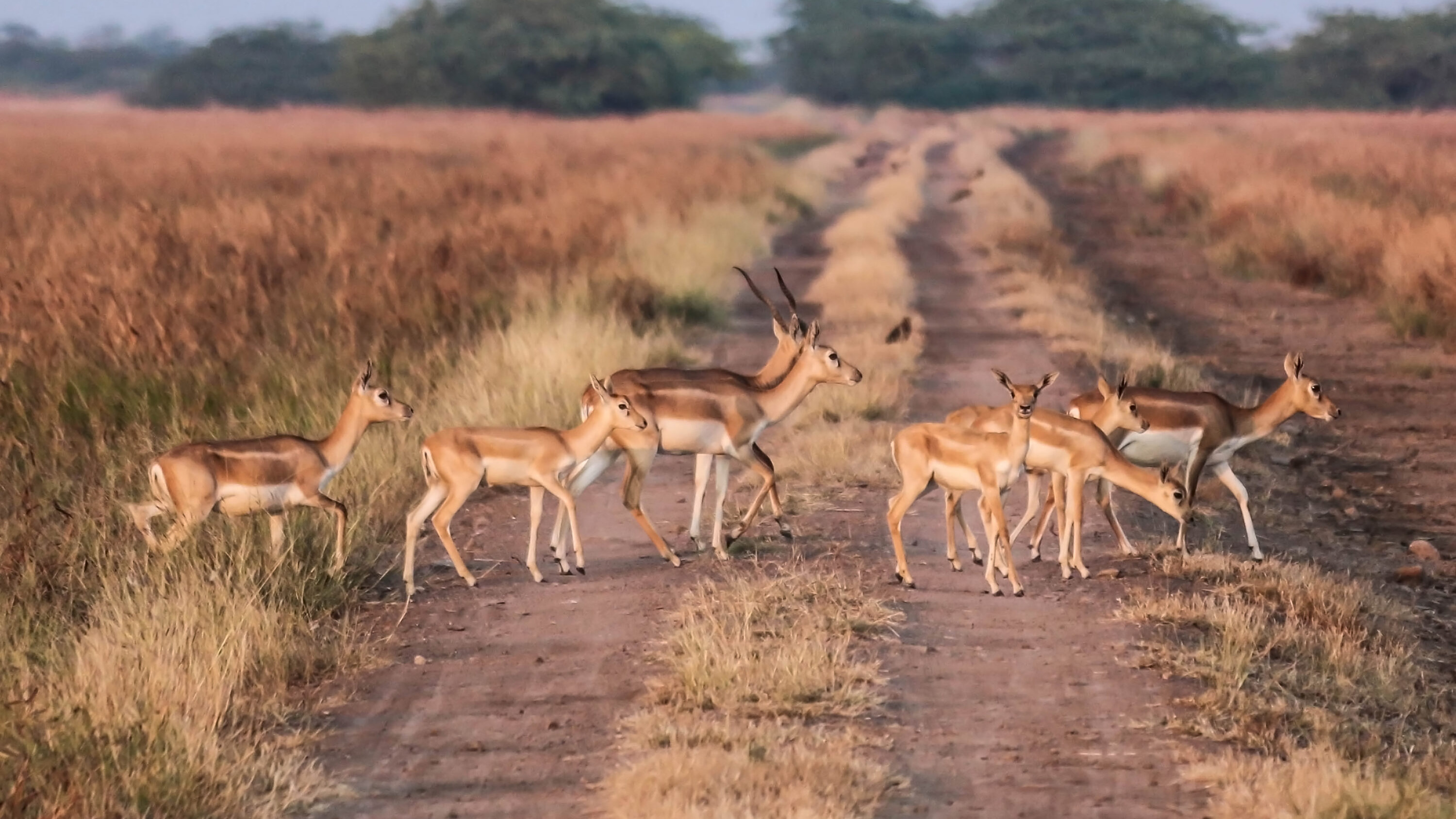
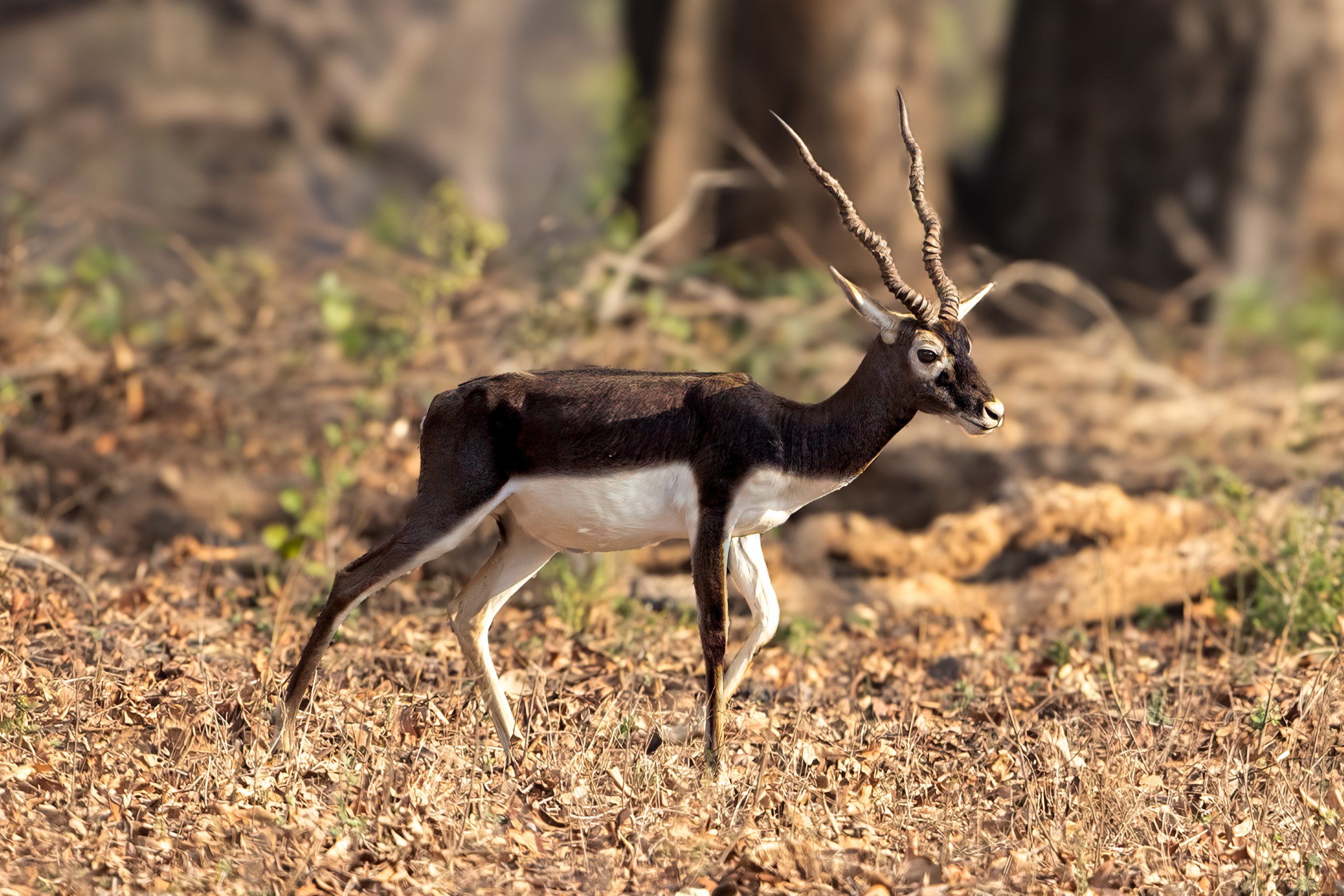
A study of an isolated blackbuck (Antilope cervicapra) population in north-central Gujarat, India estimated occupancy at 49%. In this type of model, occupancy is the estimated proportion of survey grids used by the species after accounting for animals that may be present but go undetected. The population occurs in a heavily human-used semi-arid landscape outside a protected area.
The researchers surveyed 38 grids measuring 1.5 × 1.5 km and then tested which landscape factors were associated with blackbuck occurrence. Occupancy increased with the extent of water bodies, while greater human habitation and more rugged terrain were associated with lower occupancy.
The population may be the last isolated group in the region
The study describes the population as isolated and possibly the last remaining blackbuck population in this part of Gujarat. Available counts indicate a decline from more than 300 animals to fewer than 50 over roughly four decades. The authors identify land-use change, human activity, feral dogs, human–blackbuck conflict and the lack of a protected area among the major local pressures.
Informal discussions with villagers nevertheless found attitudes largely positive toward coexistence with blackbuck and toward restoration and improved management of community lands. The authors argue that conserving small refuge patches and incorporating local social conditions into land management could help the population persist in this human-dominated landscape.
Ecology
Related news
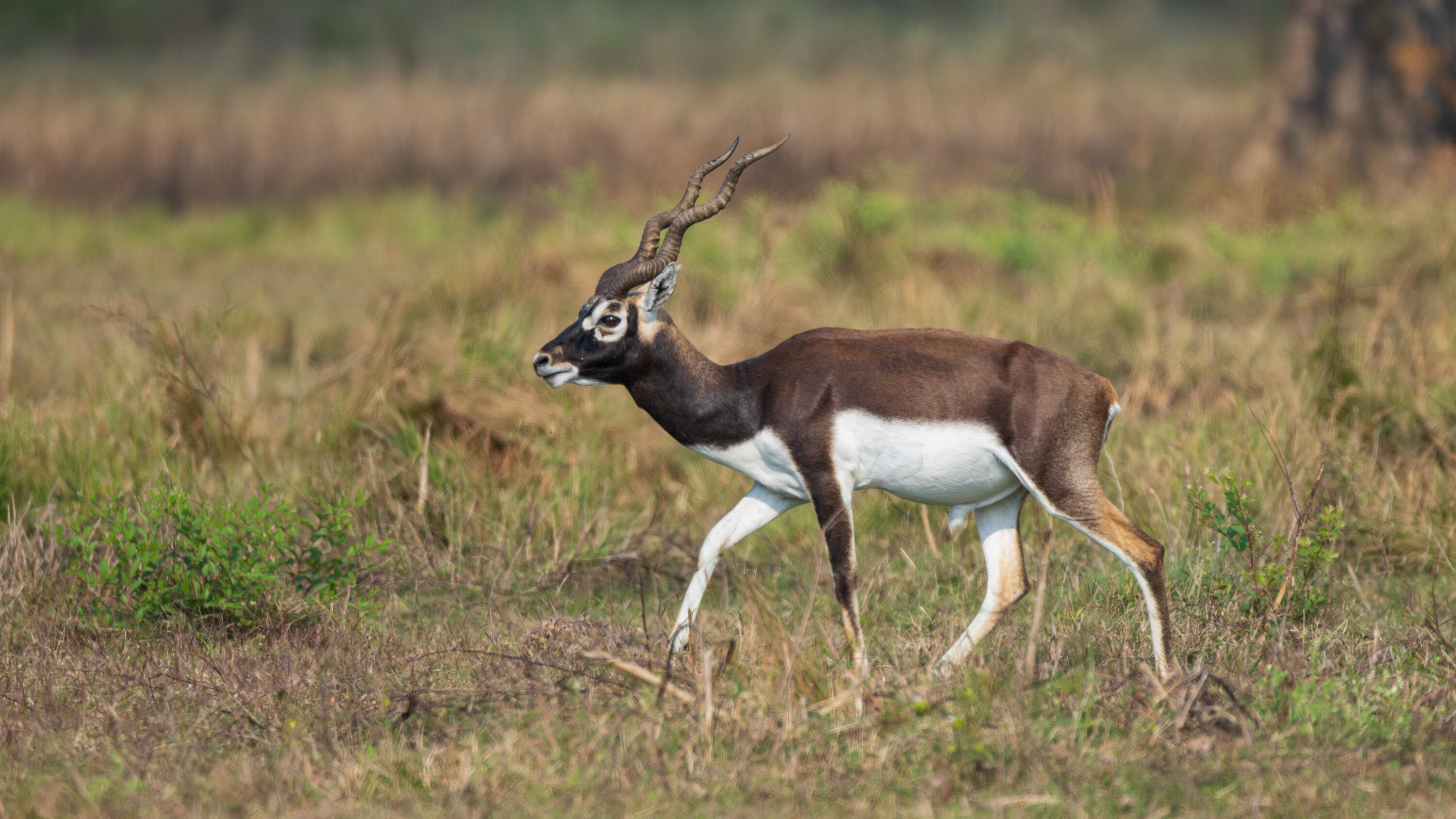
Gastrointestinal Parasites Were Found in 96% of Blackbuck Samples From Nepal Conservation Area
A study of 150 fresh faecal samples from wild blackbuck in Nepal’s Blackbuck Conservation Area found gastrointestinal parasites…
Read story →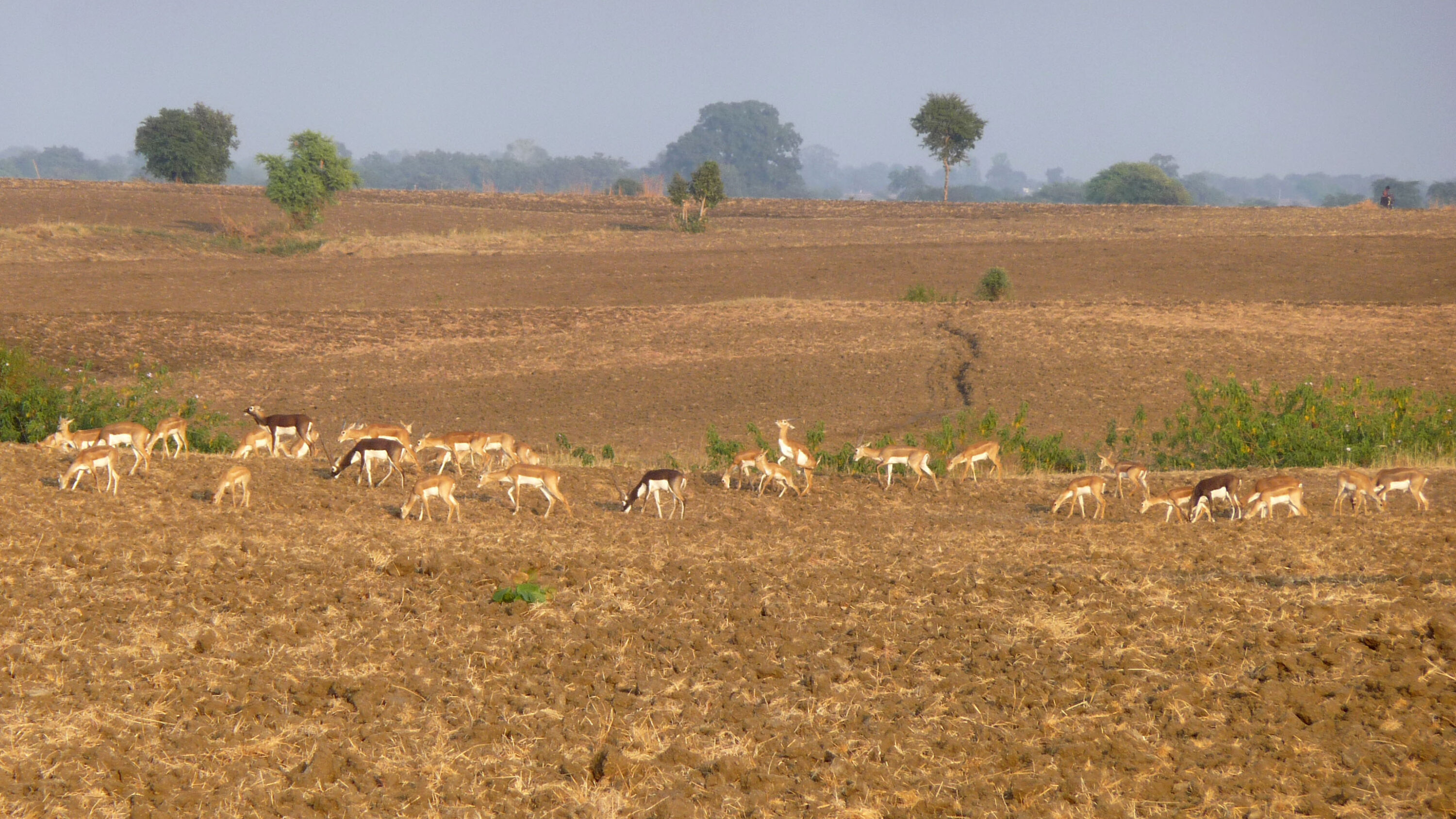
Blackbuck, Striped Hyenas, Sloth Bears and Indian Wolves Occurred Across Koppal’s Agro-pastoral Landscape
In Koppal district, Karnataka, interview-based models estimated occupancy of 63% for blackbuck, 52% for striped hyena and 26%…
Read story →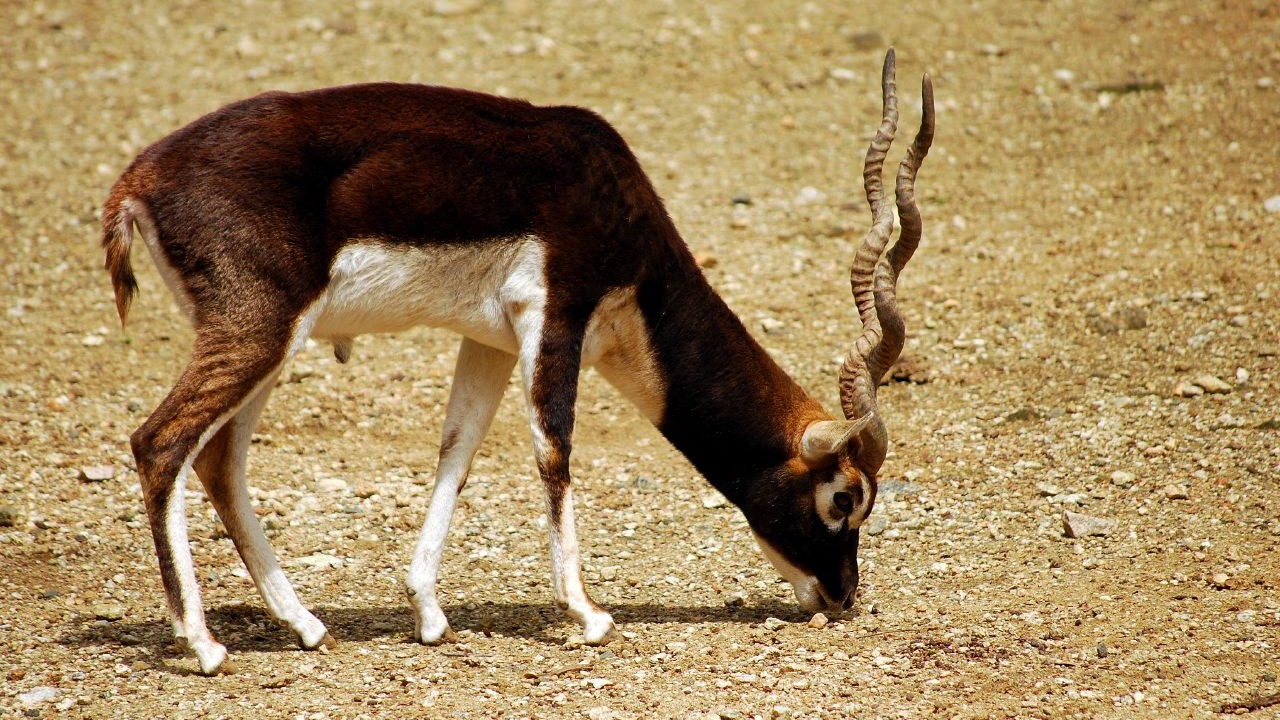
Movement Ecology and Predator–Prey Relationships Remain Poorly Studied in Blackbuck
A 2026 review examined 123 sources on blackbuck ecology, behaviour and conservation and found movement ecology, predator–prey relationships…
Read story →SPECIES IN THIS STORY
Species in this story
Independent research and conservation news archive
Did you find this information useful?
Wildlife Vagabond is independently built and maintained. Voluntary support helps cover source verification, hosting and continued work on research and conservation news.
Support Wildlife VagabondThe news archive will remain freely available.