
Gastrointestinal Parasites Were Found in 96% of Blackbuck Samples From Nepal Conservation Area
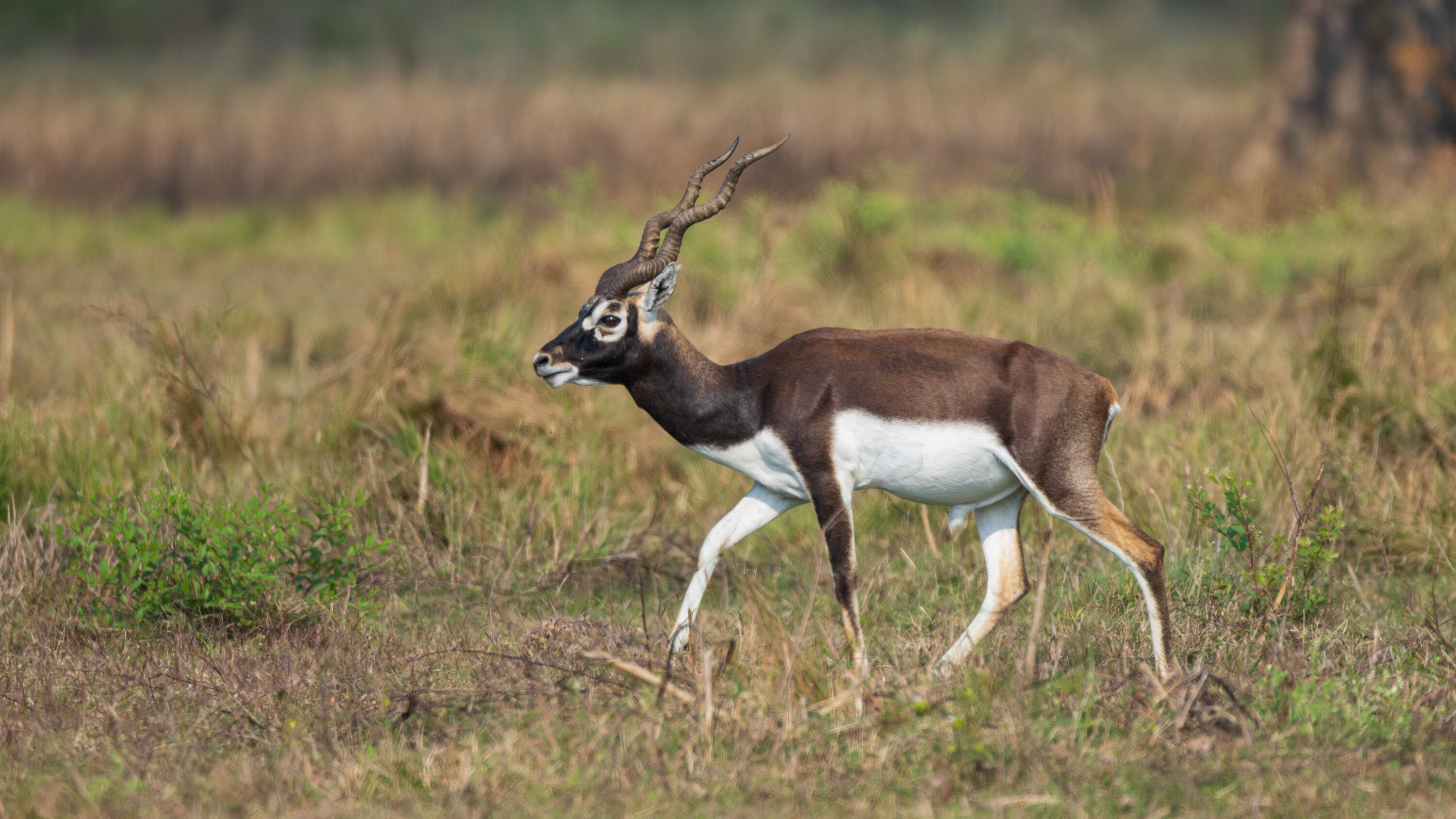
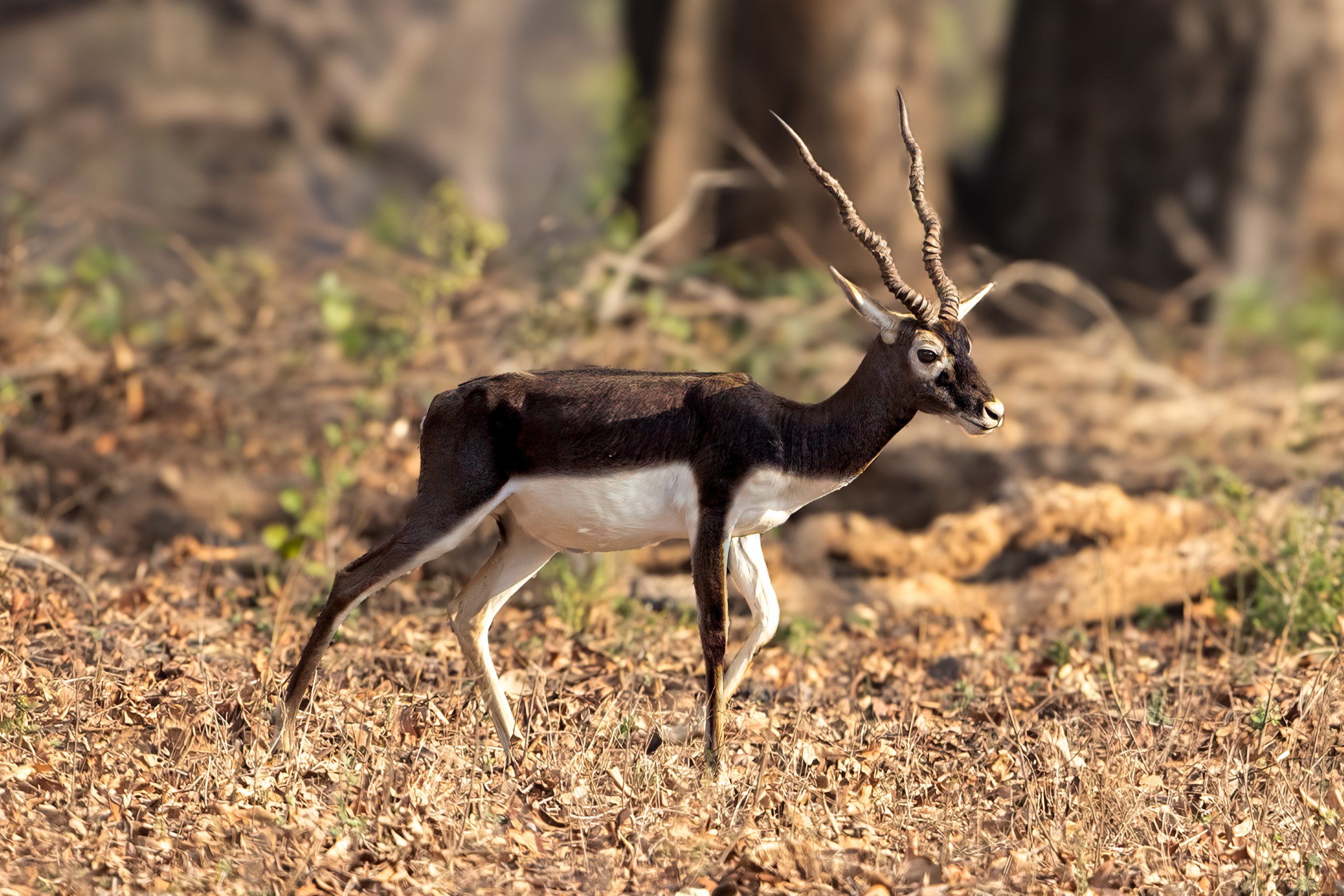
A study of wild blackbuck (Antilope cervicapra) in Nepal’s Blackbuck Conservation Area found gastrointestinal parasites in 144 of 150 fresh faecal samples, a prevalence of 96%. The samples came from individual animals in the conservation area at Khairapur in Bardia district.
Gastrointestinal parasites include protozoans and parasitic worms that live in or pass through the digestive system. Faecal detection shows that parasites or their reproductive stages are present, but does not by itself show clinical disease severity; because blackbuck share grazing areas with livestock, such baseline surveys can also reveal where transmission may be shared across host species.
Microscopic examination identified ten parasite genera representing protozoa, cestodes, trematodes and nematodes. Paramphistomum was the most frequently detected genus at 55.3%, followed by Strongyloides at 52%, Fasciola at 36%, Haemonchus at 26% and Moniezia at 24%.
Mixed parasite infections were common
Mixed infections were common. Among the positive samples, infections involved between one and six parasite genera, and triple infections were the most frequent category. Most samples were classified as lightly infected, although five parasite types also reached the study’s heavy category. These categories were based on counts of eggs, oocysts or larvae per microscopic field, so they describe parasite burden in the faecal samples rather than confirmed clinical disease severity in the animals. Females had more positive samples than males, but the researchers found no statistically significant association between sex and parasite prevalence across genera.
The authors note that blackbuck share grazing areas with livestock in the conservation area and identify shared pasture as a possible route for parasite transmission. They present the study as baseline information for wildlife-health monitoring in Nepal’s only wild blackbuck population.
Disease, parasites & microbiology
Related news
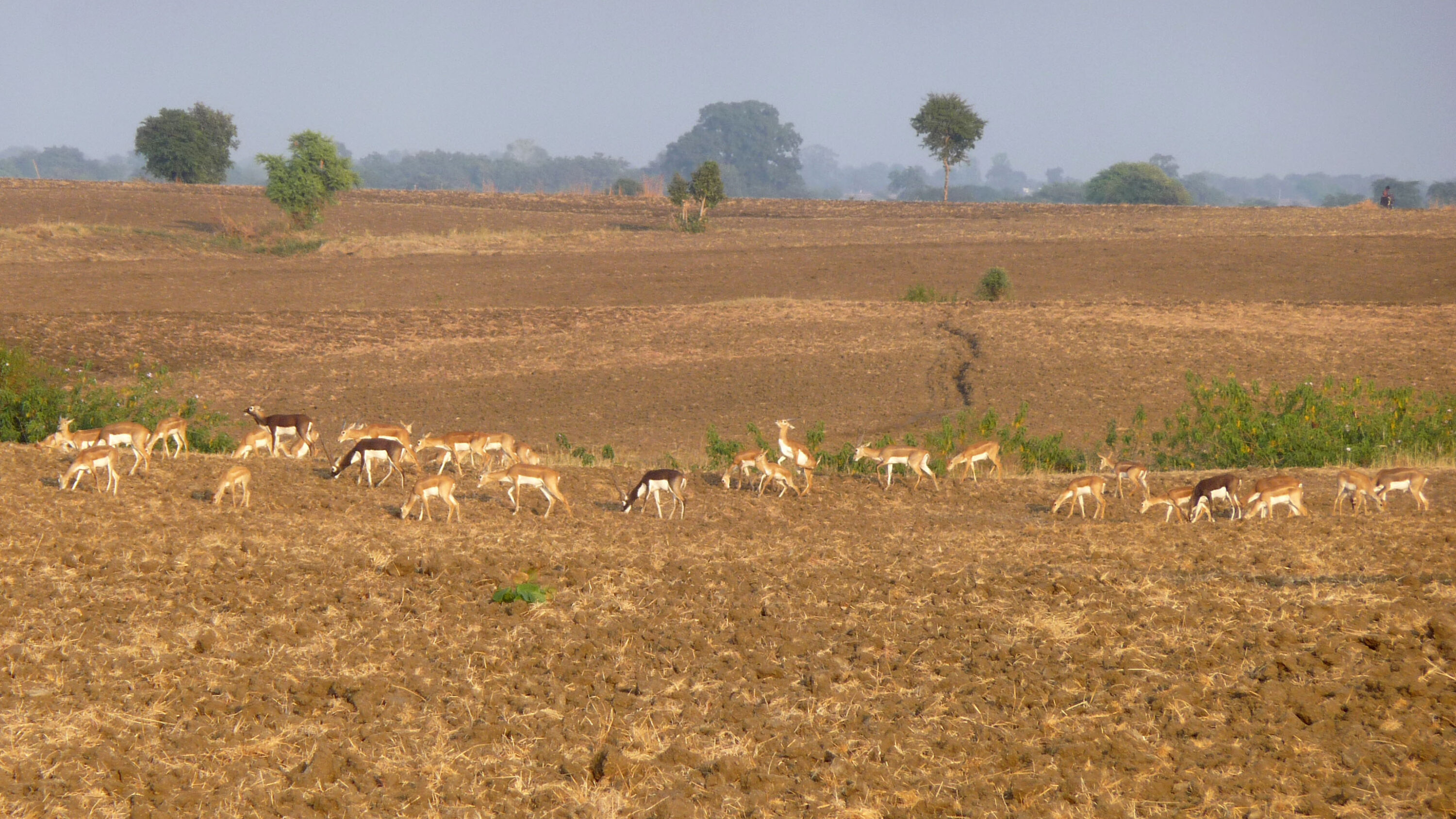
Blackbuck, Striped Hyenas, Sloth Bears and Indian Wolves Occurred Across Koppal’s Agro-pastoral Landscape
In Koppal district, Karnataka, interview-based models estimated occupancy of 63% for blackbuck, 52% for striped hyena and 26%…
Read story →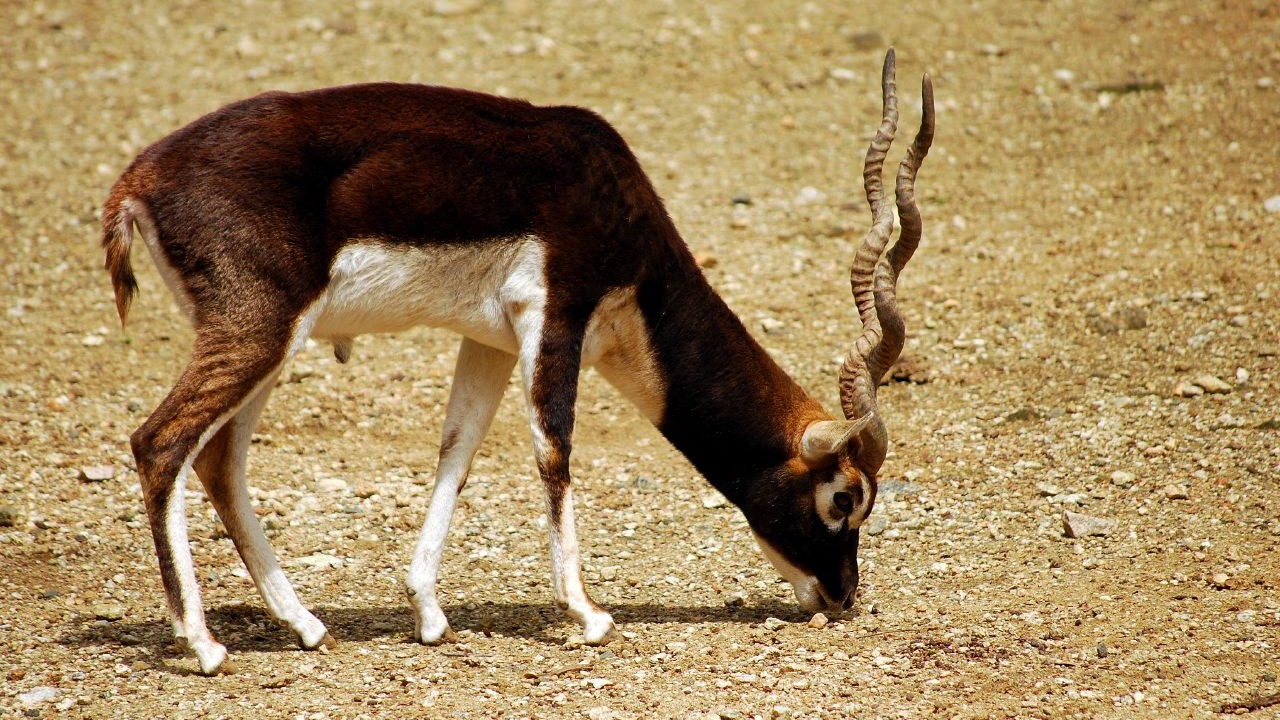
Movement Ecology and Predator–Prey Relationships Remain Poorly Studied in Blackbuck
A 2026 review examined 123 sources on blackbuck ecology, behaviour and conservation and found movement ecology, predator–prey relationships…
Read story →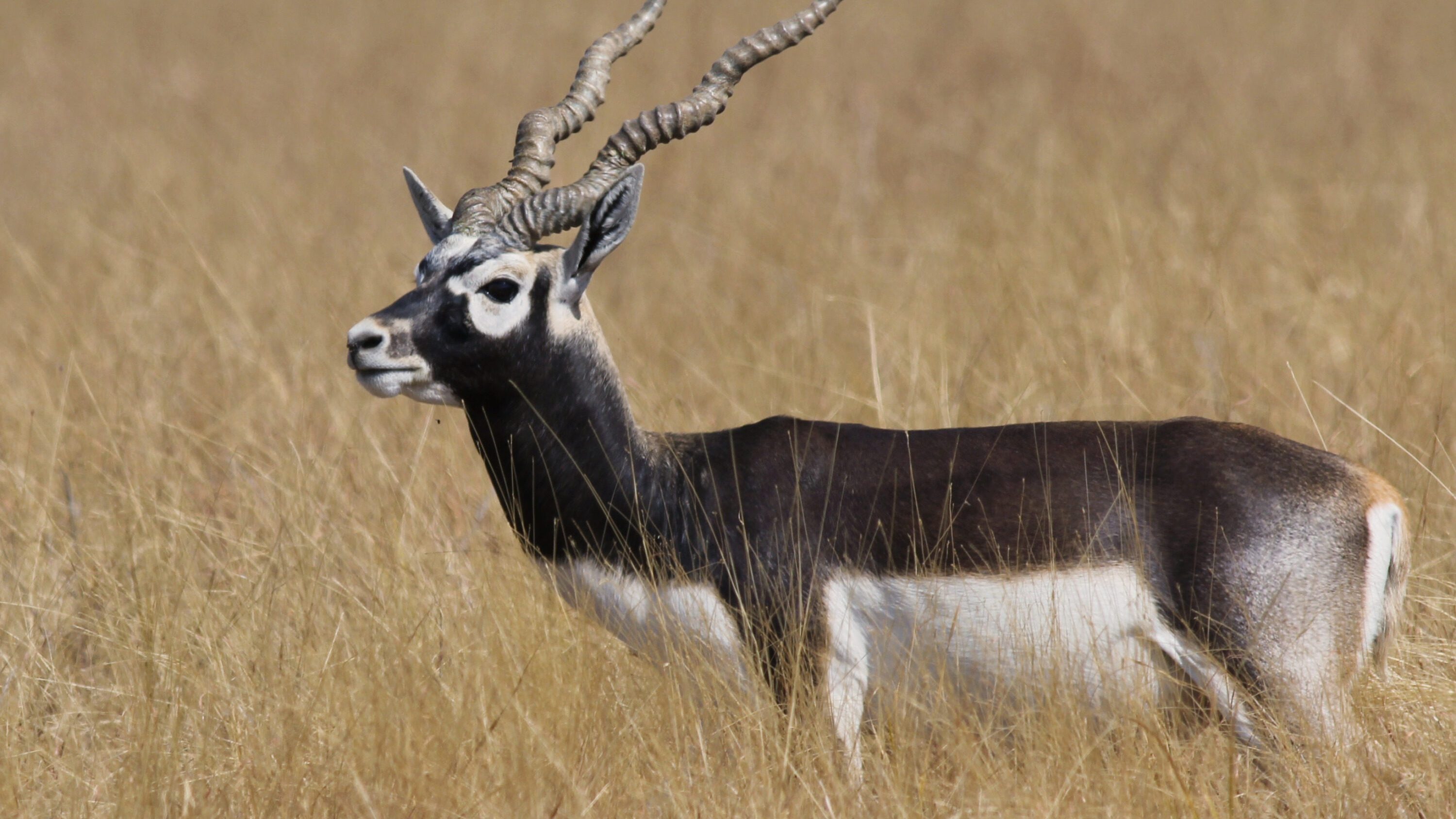
Blackbuck Populations Across India Retained High mtDNA Diversity and Shallow North–South Structure
A 2026 analysis of 163 mitochondrial DNA sequences from northern and southern India found high genetic diversity and…
Read story →SPECIES IN THIS STORY
Species in this story
Independent research and conservation news archive
Did you find this information useful?
Wildlife Vagabond is independently built and maintained. Voluntary support helps cover source verification, hosting and continued work on research and conservation news.
Support Wildlife VagabondThe news archive will remain freely available.