
Italy Moves to Remove About 30 Common Mynas Before They Spread
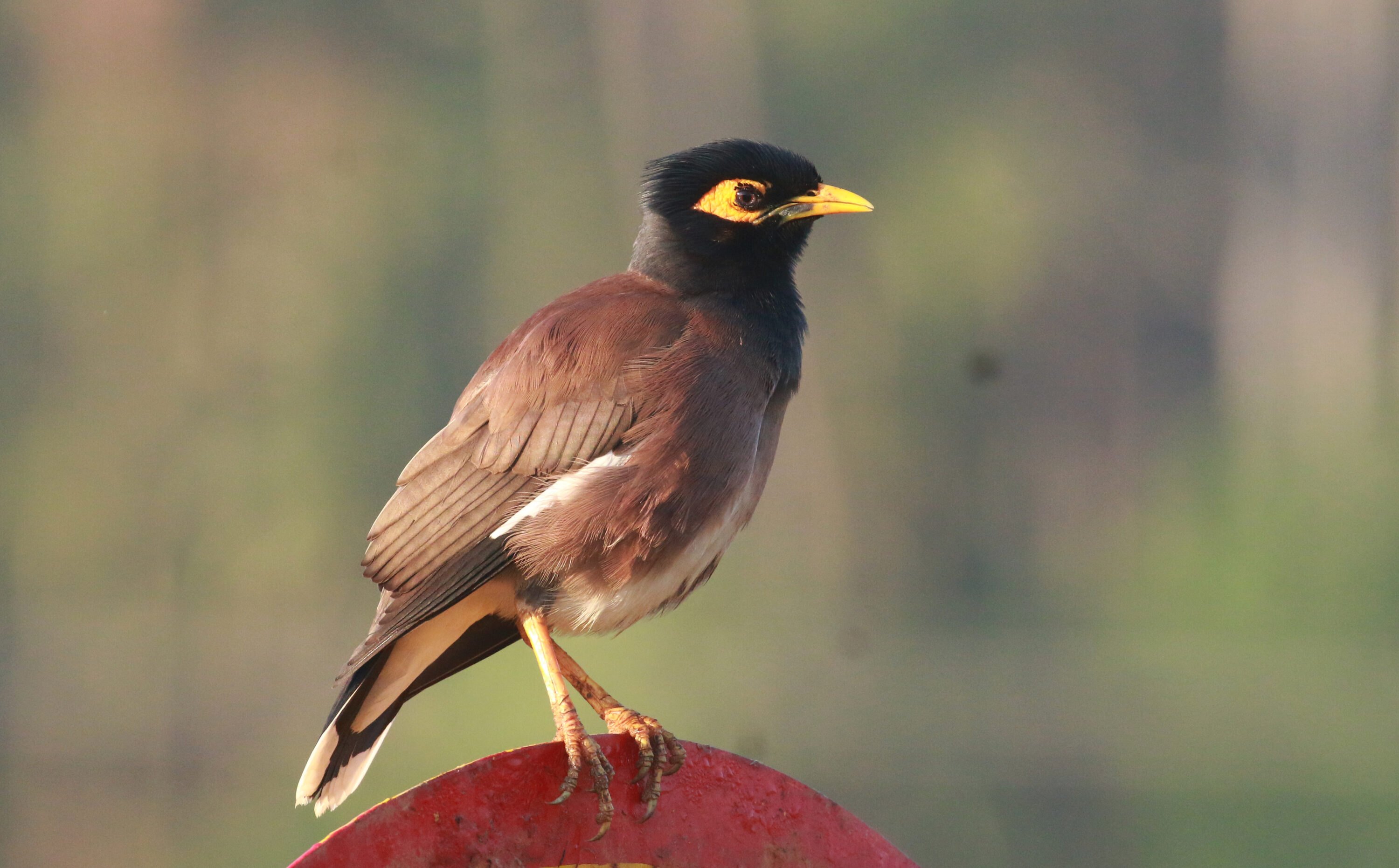
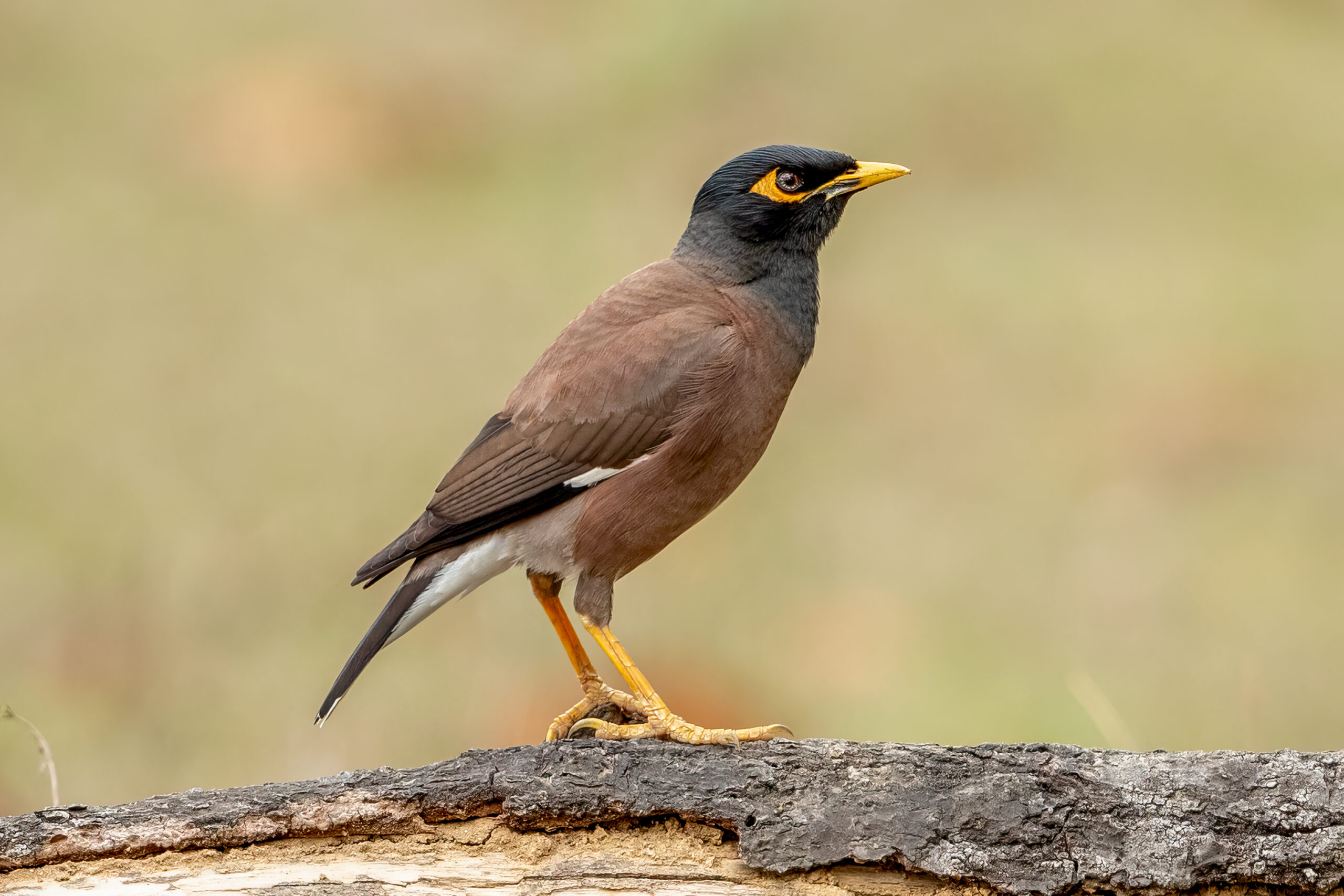
Researchers in southern Italy are removing common mynas (Acridotheres tristis) while the introduced population is still small enough for complete eradication to remain possible. An IUCN Save Our Species update published on 10 August 2026 highlighted the MYNA-OUT project, which targets two breeding populations in Campania estimated at about 30 birds in total.
The project is coordinated by the Italian National Research Council’s Institute for Research on Terrestrial Ecosystems (CNR-IRET) and focuses mainly on the provinces of Caserta and Salerno. Teams are systematically surveying areas where mynas have been reported, mapping the birds and breeding sites, and using selective traps to remove individuals. Nests may also be removed during the breeding season when necessary to prevent further reproduction. CNR-IRET states that the work will follow national regulations and animal-welfare guidelines.
Genetic analyses will be used to investigate where the Italian birds came from and how they were introduced. Possible routes include the pet trade and escapes from captivity. The project is also strengthening early detection by linking researchers, local authorities, residents and birdwatchers so that new sightings can be reported and checked.
Common mynas are native to South Asia but have established introduced populations in many other regions. The Italian project notes that elsewhere they can compete aggressively with native birds for nesting sites, prey on eggs and chicks, and potentially spread pathogens. MYNA-OUT is therefore designed as an early eradication effort, before the species becomes much more numerous or widespread in Italy.
The stated goal is not simply to reduce the number of mynas. If the removals succeed, teams will continue monitoring the affected areas to confirm that the species is absent. Until that follow-up is complete, the work remains an eradication attempt rather than a completed eradication.
Management
Related news
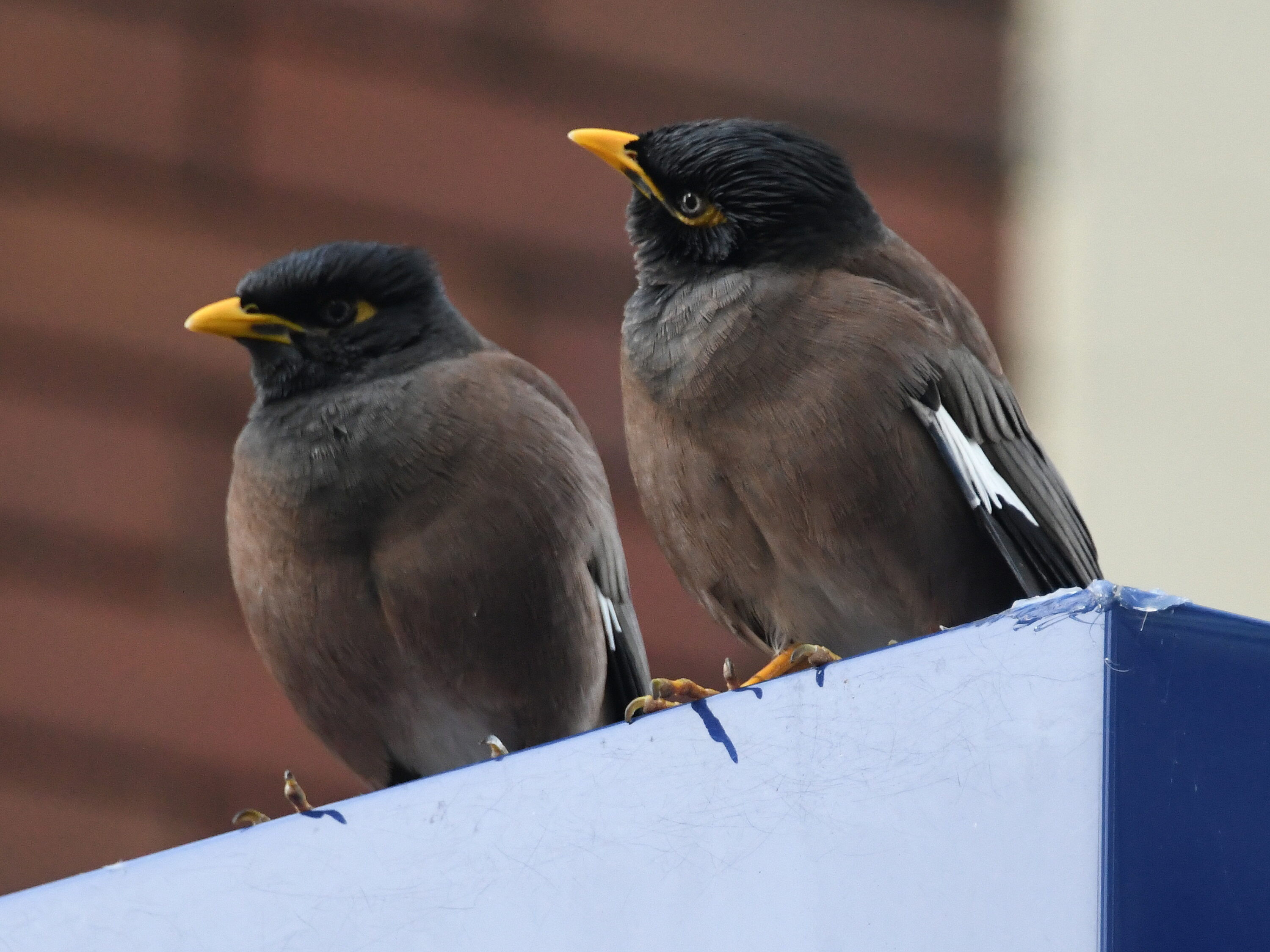
Rail Staff Say Two Common Mynas Regularly Ride Sydney Trains
Two common mynas were filmed sitting calmly inside a Sydney train, while a guard said staff know them…
Read story →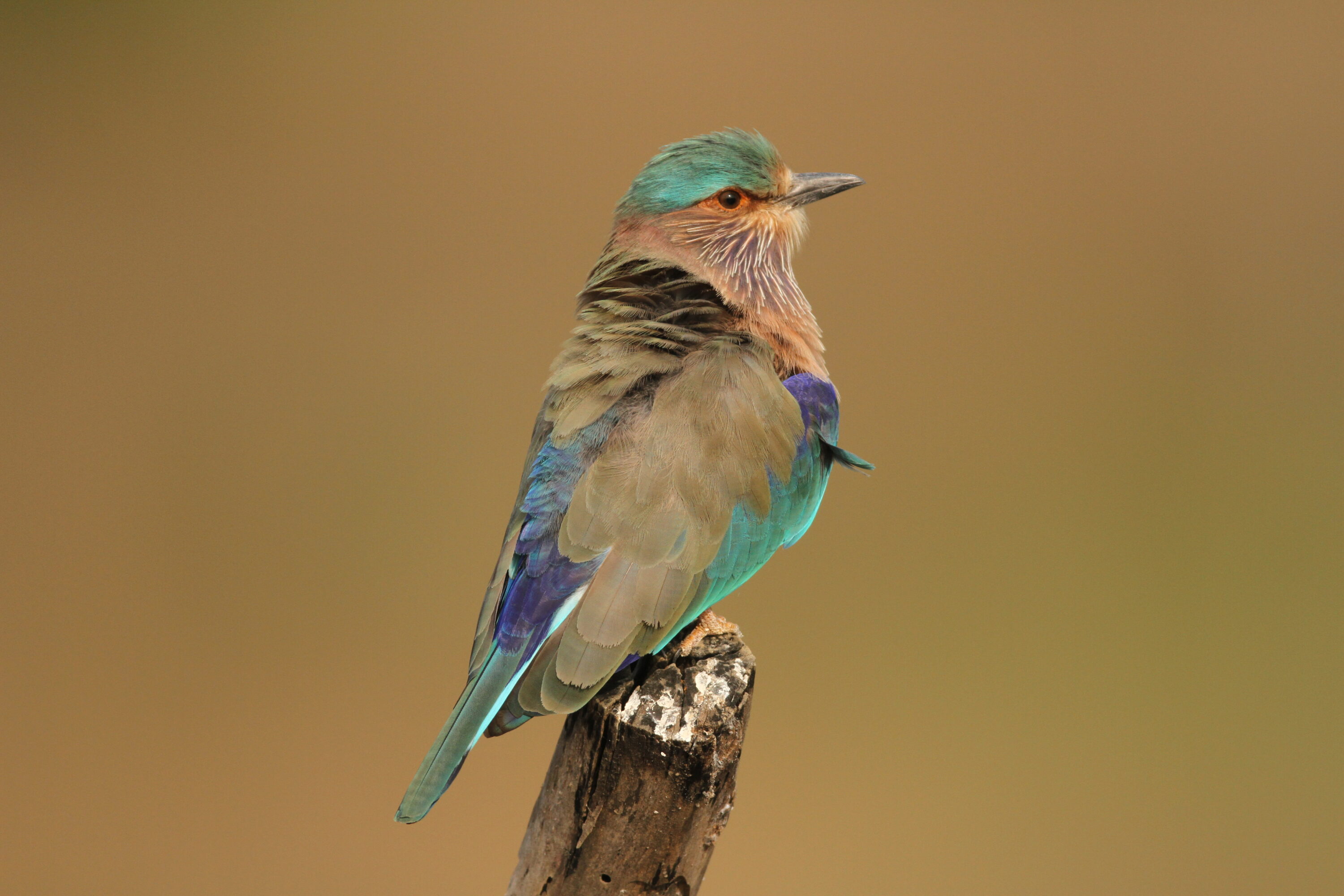
Six Cavity-Nesting Bird Species Bred Successfully in Artificial Nests in Punjab
Punjab Agricultural University reported successful breeding in artificial nests by six cavity-nesting species, including Indian roller, spotted owlet…
Read story →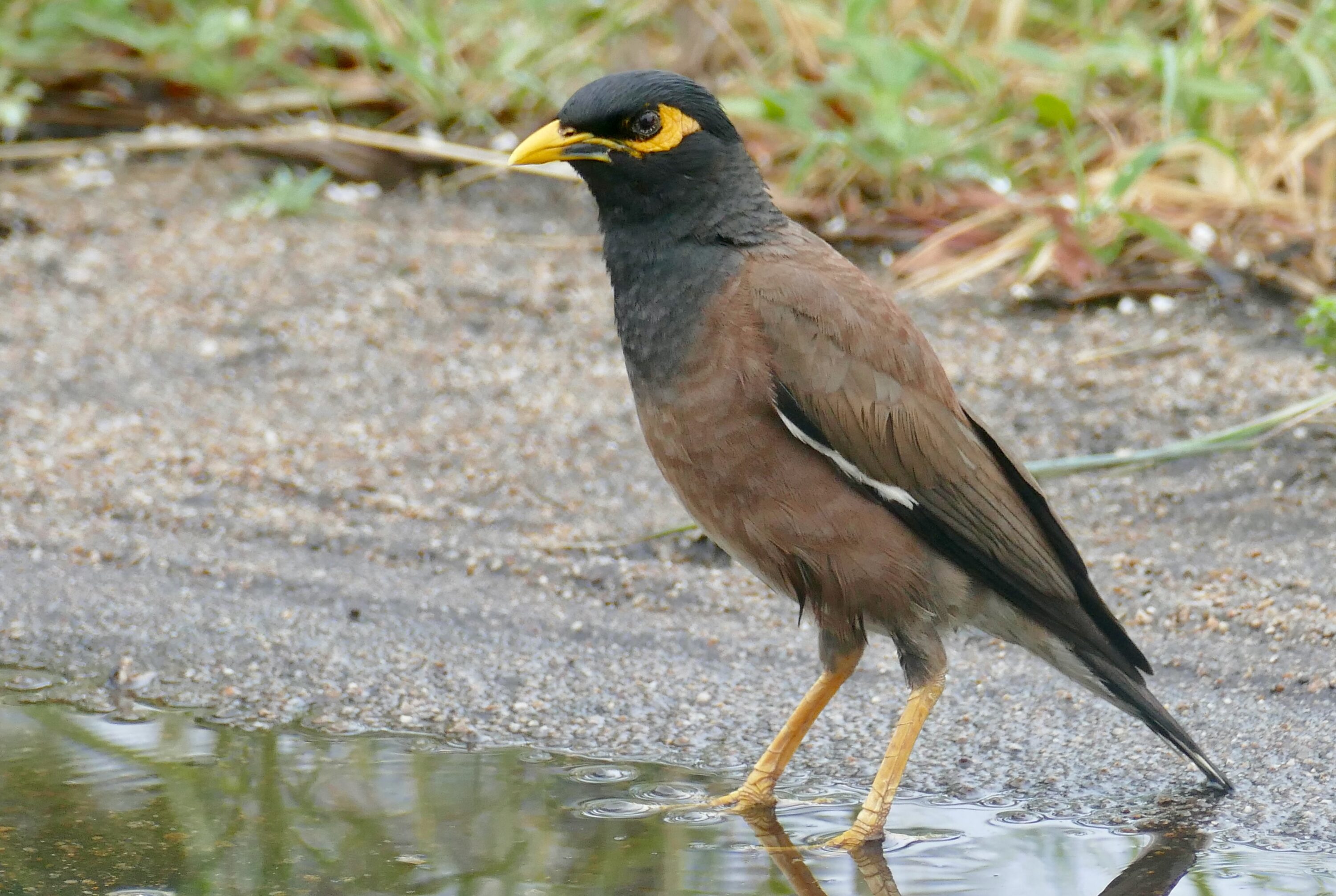
Qatar Captured 12,844 Invasive Common Mynas From January to July
Qatar reported 12,844 common mynas captured from January through July 2026, bringing the project total to 61,999. Control…
Read story →SPECIES IN THIS STORY
Species in this story
Independent research and conservation news archive
Did you find this information useful?
Wildlife Vagabond is independently built and maintained. Voluntary support helps cover source verification, hosting and continued work on research and conservation news.
Support Wildlife VagabondThe news archive will remain freely available.