
Juvenile Great Tits Reacted More Strongly to Groups of Mobbing Callers
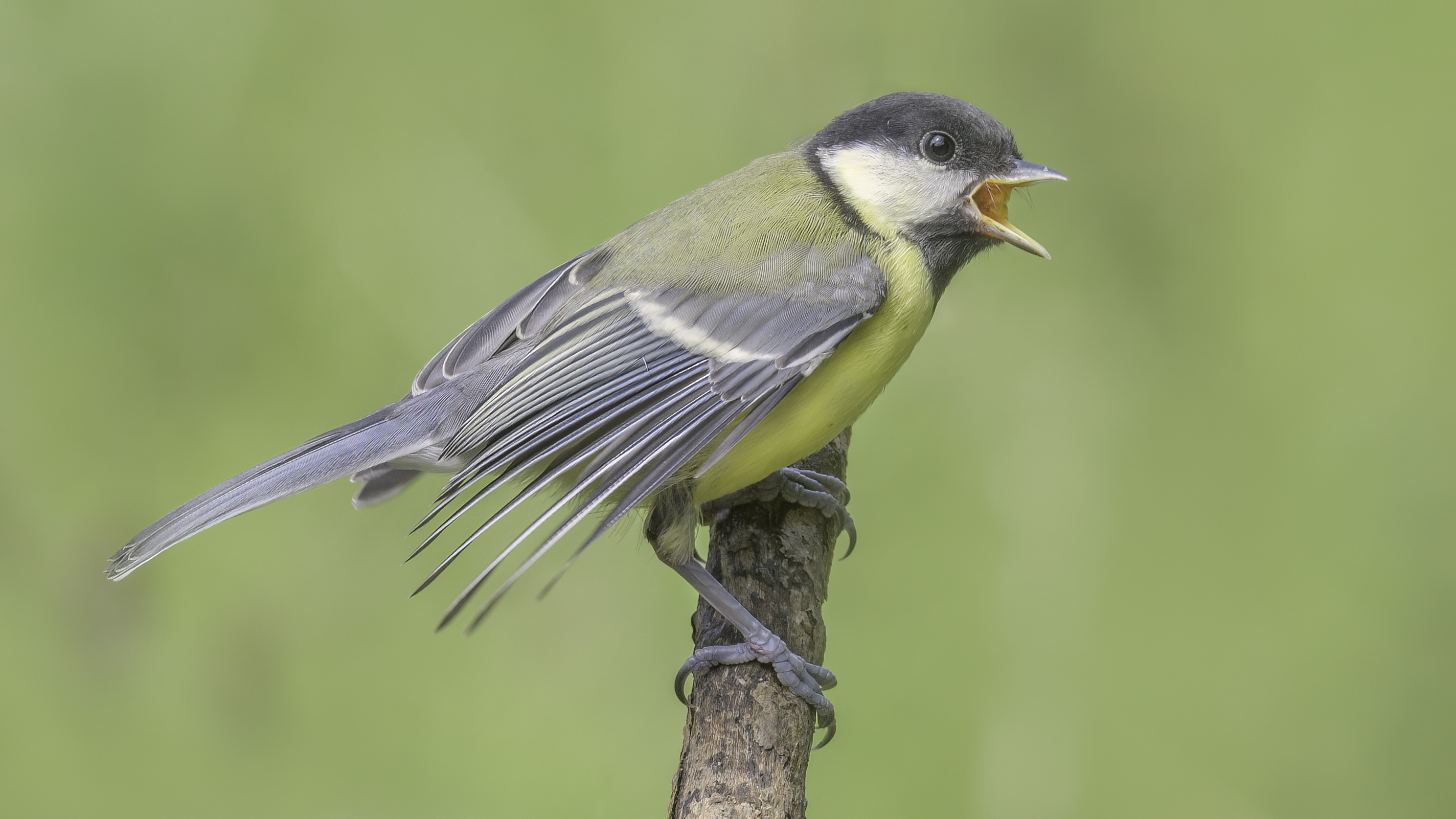
Young great tits responded differently when alarm-like mobbing calls appeared to come from one bird or from a group. In a field experiment published in Proceedings of the Royal Society B on 22 April 2026, post-fledging juveniles were more likely to approach playbacks representing several callers than playbacks representing a lone caller.
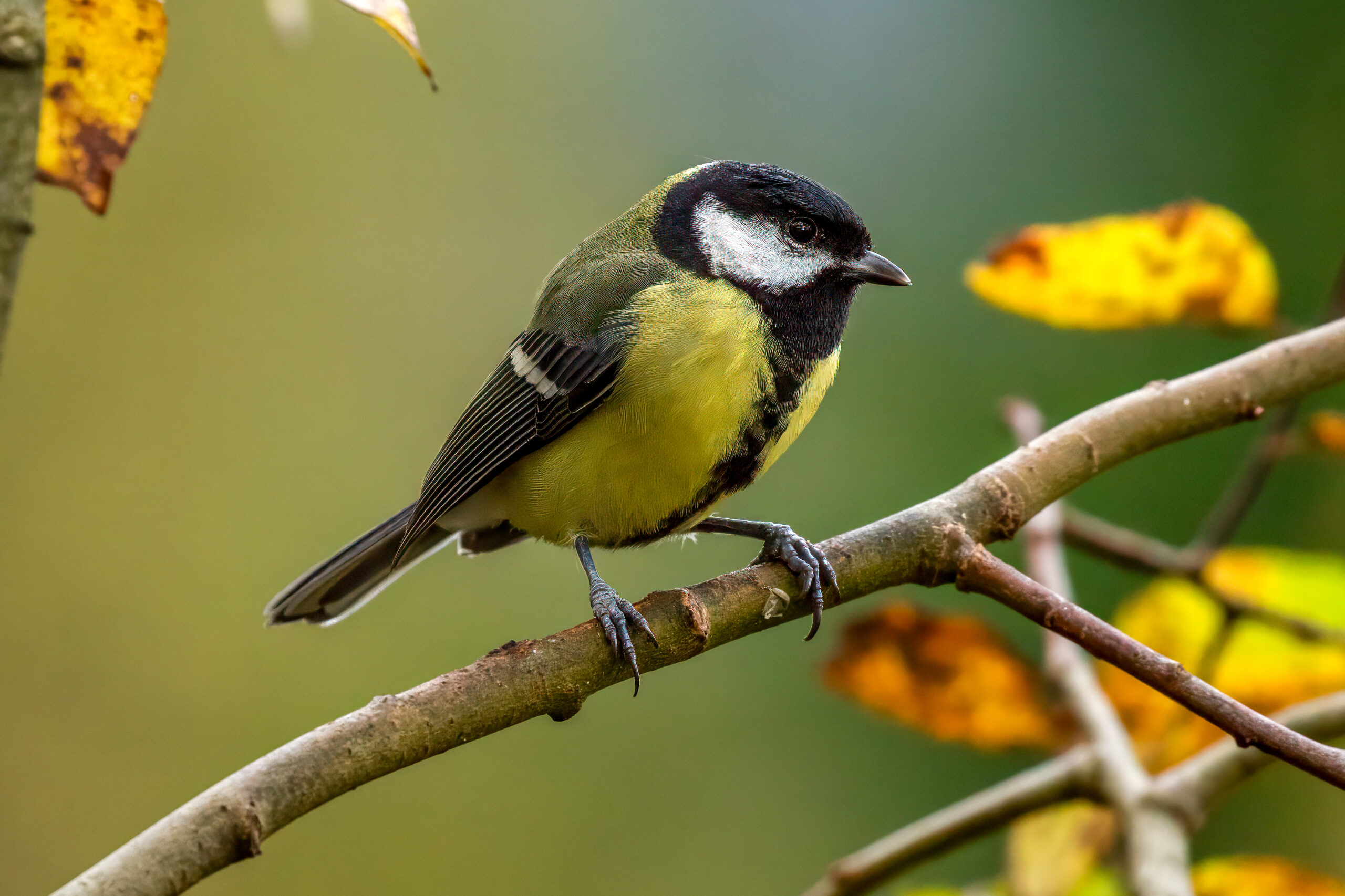
The great tit (Parus major) often joins mobbing events in which small birds gather around a predator, call repeatedly and sometimes approach it. Taking part can be risky, so information about how many other birds are already involved may help an individual decide whether to come closer. The ability to distinguish quantities is known from many animals, but most work on young animals has been conducted in captivity and has used visible objects rather than sounds in a natural setting.
Juveniles reacted to the apparent number of callers
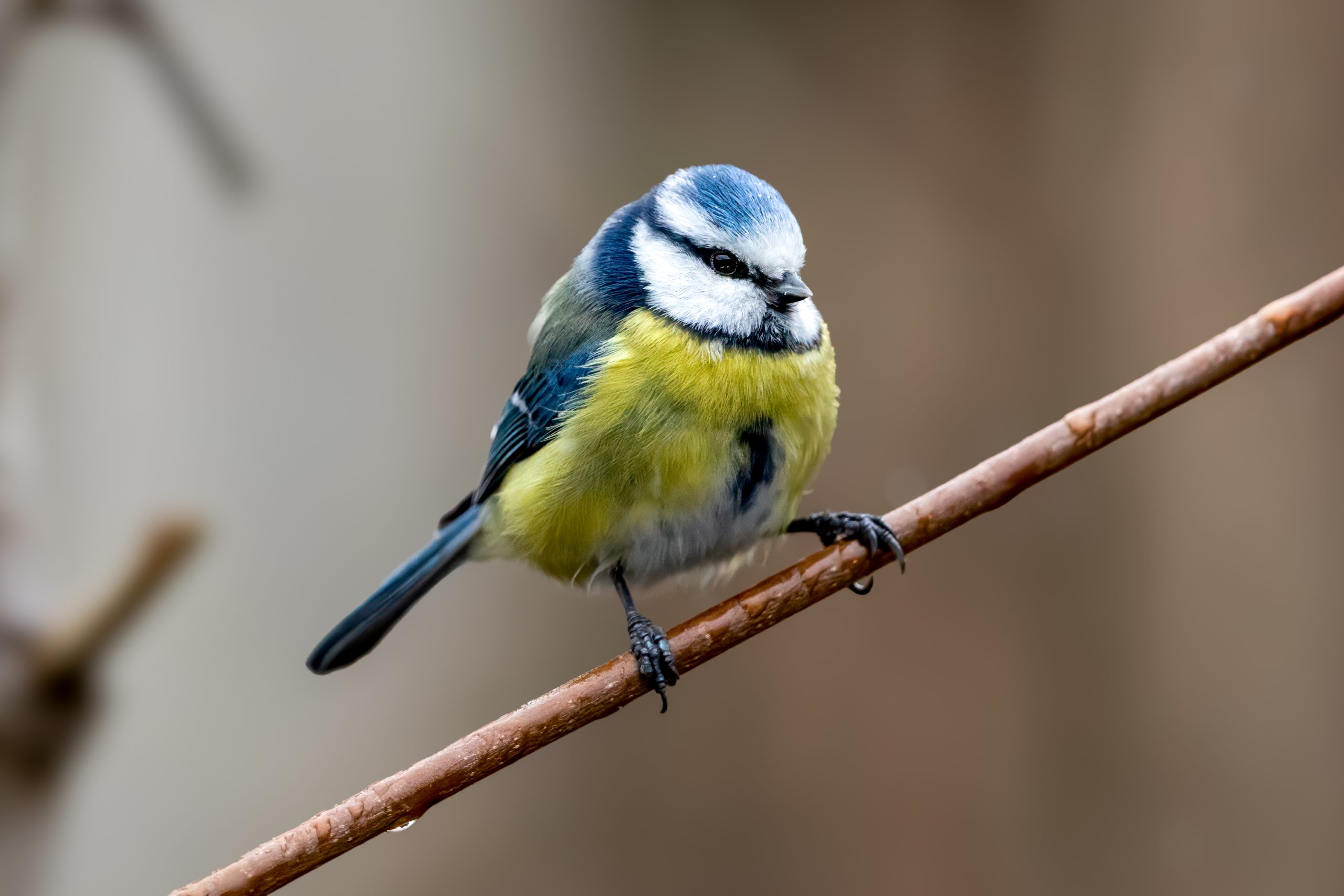
Mylène Dutour and Grace Blackburn tested 120 wild juveniles in parks and forests near Lyon, France. Great tit calls were tested in June and July 2024, and Eurasian blue tit calls in the same months of 2025. Each bird heard one of six playback treatments. The recordings simulated mobbing calls produced by one, three or five great tits, or by one, three or five Eurasian blue tits (Cyanistes caeruleus). There were 20 juveniles in each treatment. Each 30-second track contained 15 calls, with calling rate and volume held constant. In other words, the researchers changed the apparent number of individual callers without making the larger-group recordings louder, longer or more call-rich. An approach counted only if the bird reduced its distance to the speaker by at least 60%.
With great tit calls, only two of 20 juveniles approached after hearing a single simulated caller. Eight of 20 approached after the three-caller track, making an approach four times as frequent, although that particular pairwise comparison did not reach statistical significance. The clearest difference was between one and five simulated great tit callers: juveniles were significantly more likely to approach the larger group.
The response extended to another species
The pattern was also present when the recordings came from another species. In the blue tit experiment, none of the juveniles approached a playback representing one blue tit. They approached significantly more often when the track represented three or five blue tits. Responses to three and five callers did not differ significantly for either type of playback.
The birds responded to group size, not an exact count
The result therefore does not mean that the juveniles precisely counted every caller. It shows that they extracted information linked to quantity from the sound sequence and treated a lone bird differently from a group. The researchers discuss several possible explanations for the similar response to three and five callers. Distinguishing those two quantities may be more difficult because their ratio is closer, or both may simply cross a threshold that makes joining a mob worthwhile.
The juveniles’ overall pattern was broadly similar to responses previously reported in adults. Both age groups can distinguish a single great tit caller from a substantially larger group, while neither has shown a clear distinction between three and five callers in these experiments. The authors suggest that quantity discrimination may be innate, while acknowledging that some tested juveniles may already have witnessed mobbing events.
Behaviour
Related news
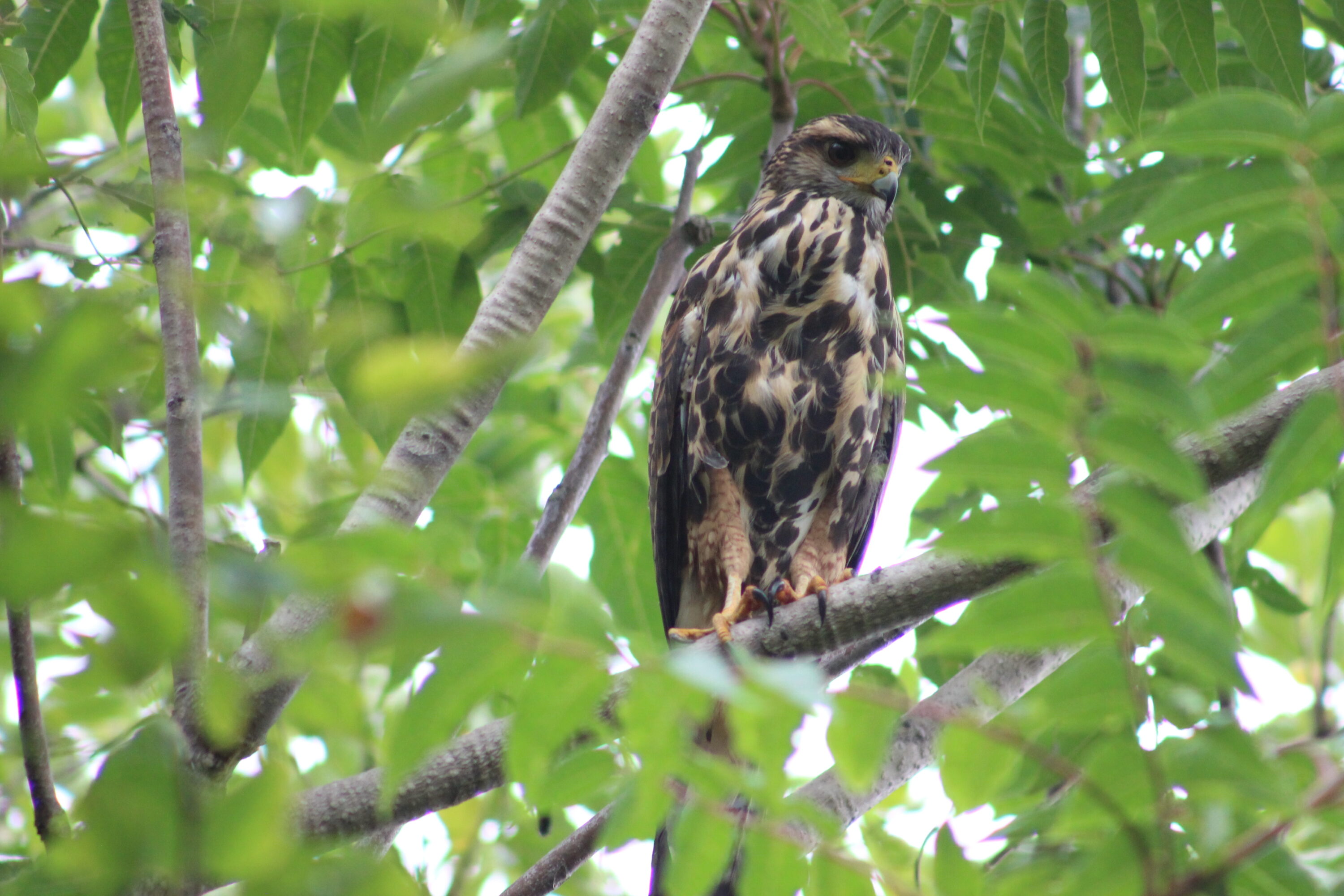
Juvenile Harris's Hawks Manipulated Pine Cones for About Five Minutes
Two juvenile Harris's hawks in Buenos Aires Province tore pine cones from trees, carried them to new perches…
Read story →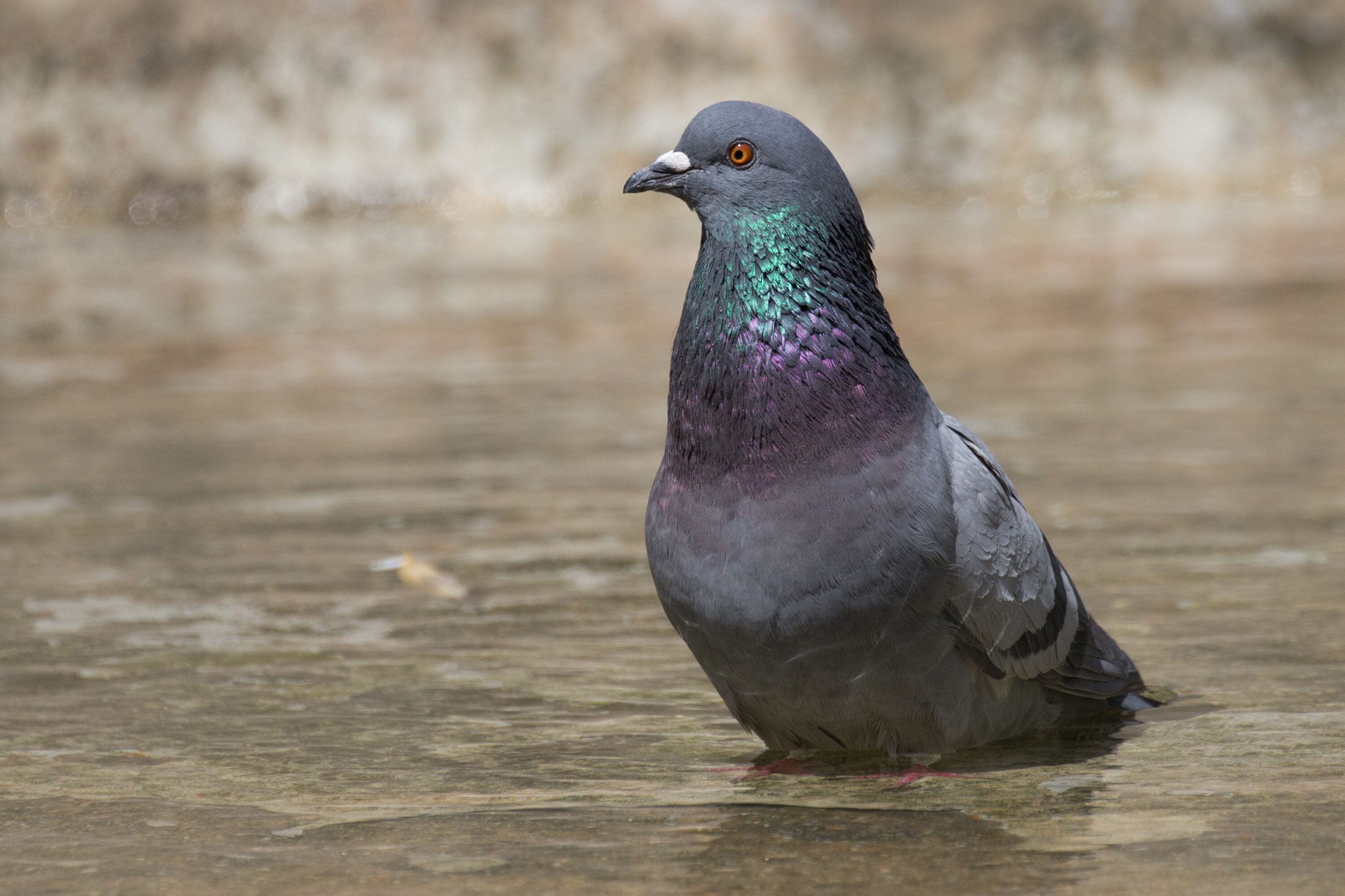
Rock Doves Preferred Predictive Information Despite a Lower Food Payoff
Seven rock doves preferred an informative option that paid on 20% of trials over a non-informative option that…
Read story →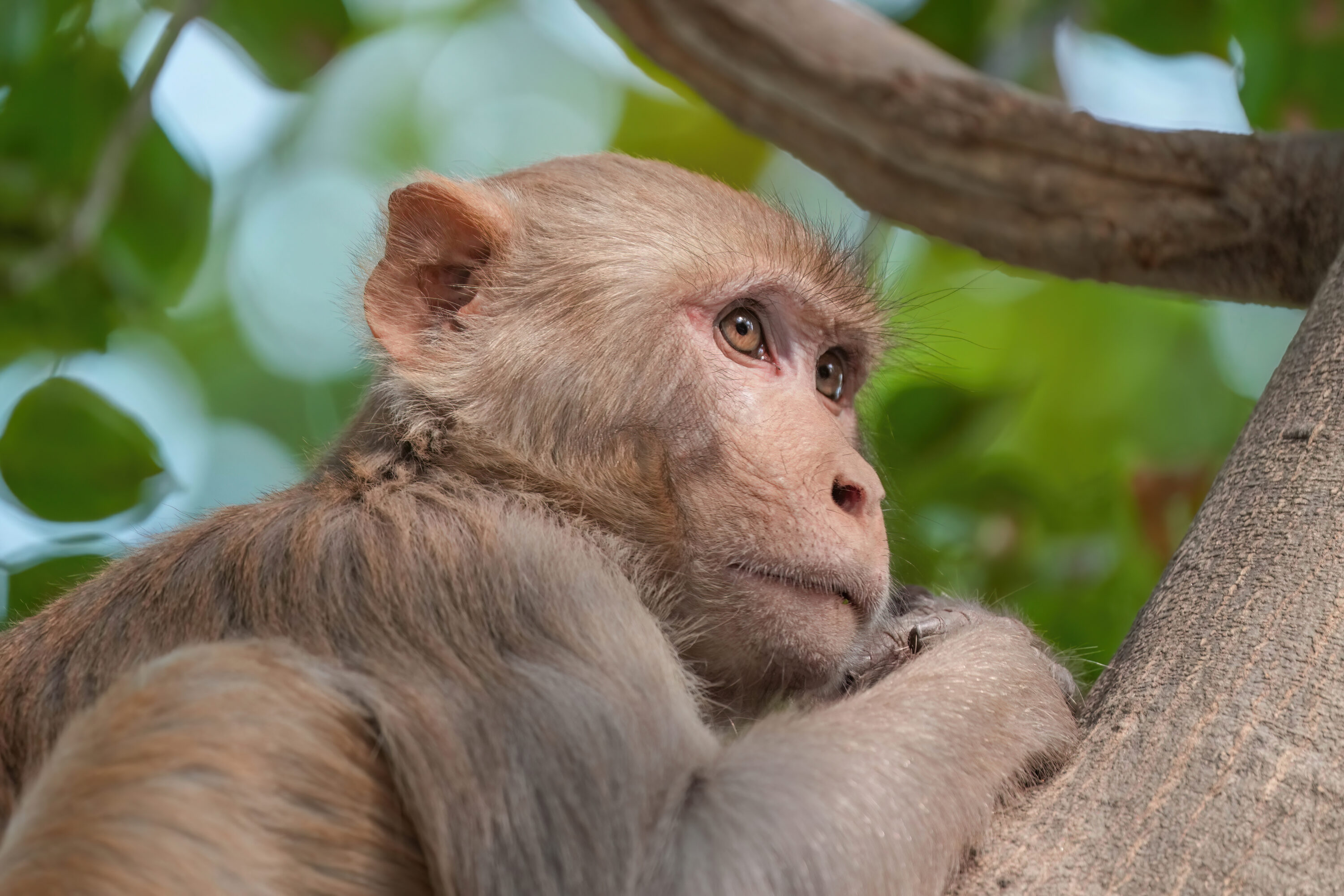
Task Uncertainty Increased Interference From Irrelevant Visual Information in Rhesus Macaque Decisions
Two rhesus macaques made less accurate visual decisions under task uncertainty; recordings and microstimulation in primary visual cortex…
Read story →SPECIES IN THIS STORY
Species in this story
Independent research and conservation news archive
Did you find this information useful?
Wildlife Vagabond is independently built and maintained. Voluntary support helps cover source verification, hosting and continued work on research and conservation news.
Support Wildlife VagabondThe news archive will remain freely available.