
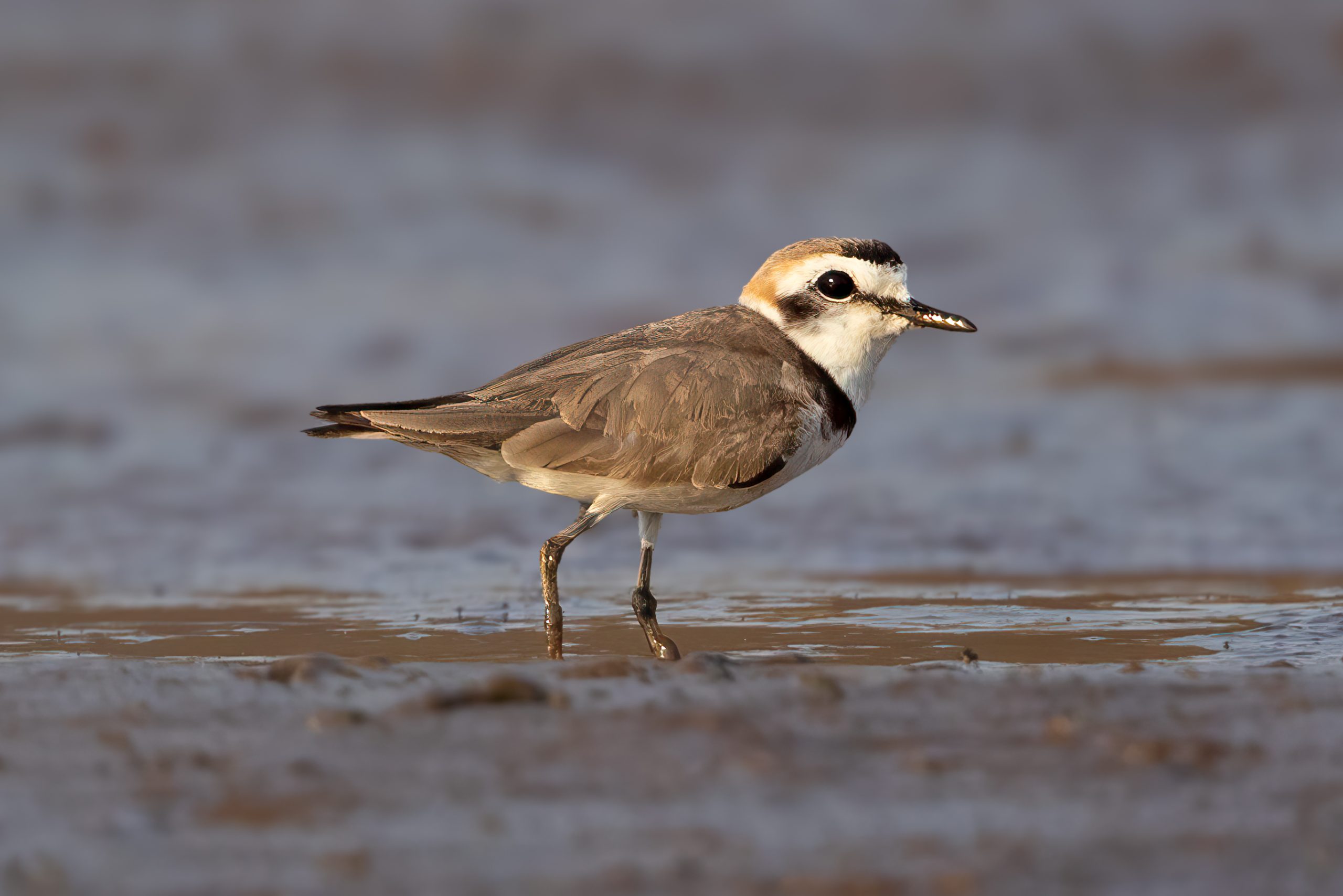
Kentish Plovers shift how they forage while keeping a stable diet
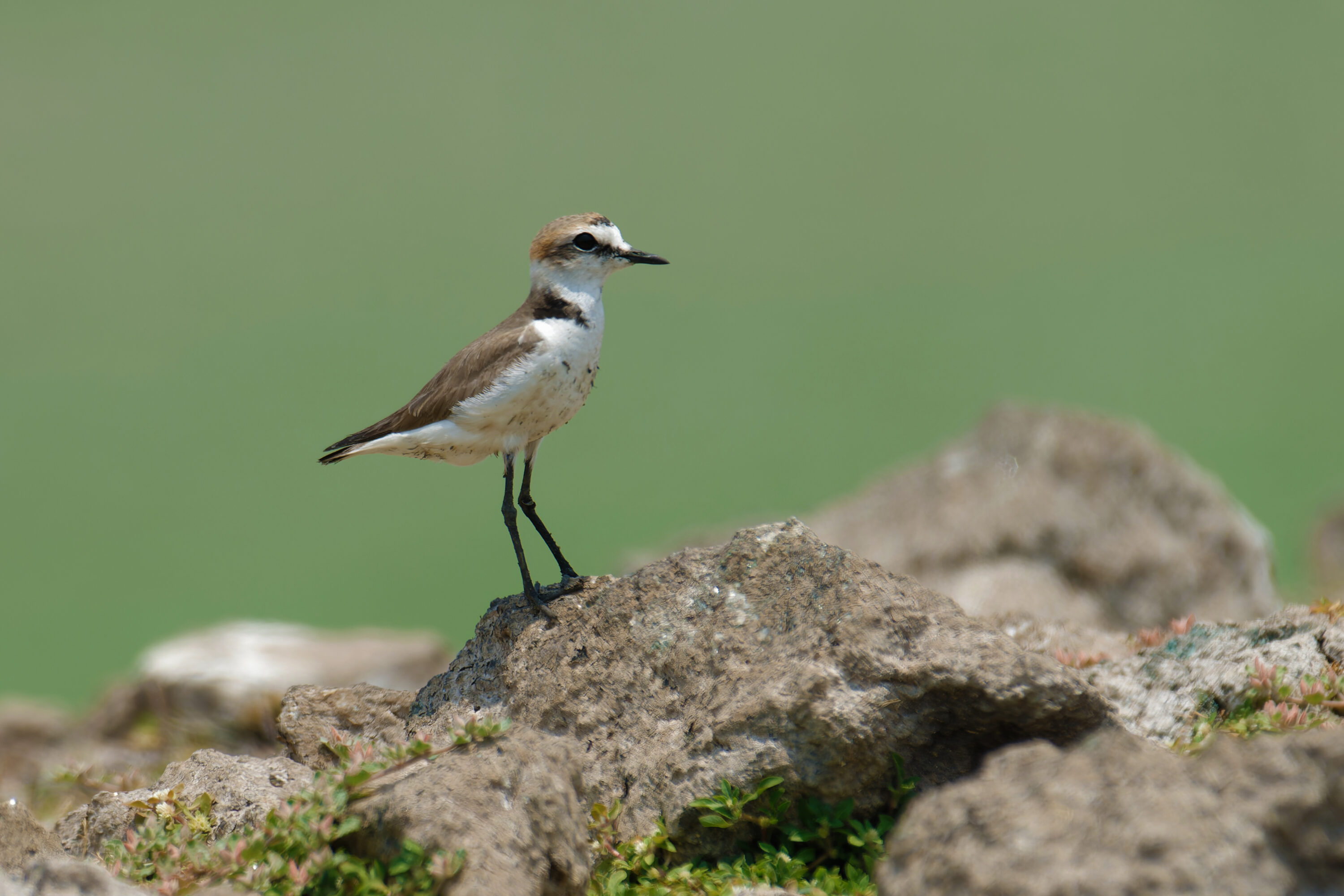
On a tropical sandy beach on India’s west coast, researchers analysed high-definition video recordings from 2020 to 2024 to study how Kentish Plovers (Anarhynchus alexandrinus) found and caught prey. Successful captures made while foraging at the sand’s surface declined over time, while successful captures made by foraging deeper increased.
The two foraging modes were associated with different prey. Deep foraging was more often linked to catching sand crabs, while surface foraging was more often linked to catching small crabs and aquatic insects. Sand crabs dominated the birds’ diet throughout the study, and its overall composition remained broadly stable. But consumption of particular prey changed: sand crab consumption increased, while consumption of aquatic insects, bivalves and small crabs declined.
The findings show why looking at both feeding behaviour and prey consumption matters: a broadly stable overall diet can conceal changes in how birds catch prey and which prey they eat. The researchers interpret the shifts in foraging success and individual prey as a response mainly through behaviour, rather than a wholesale change in diet.
Ecology
Related news
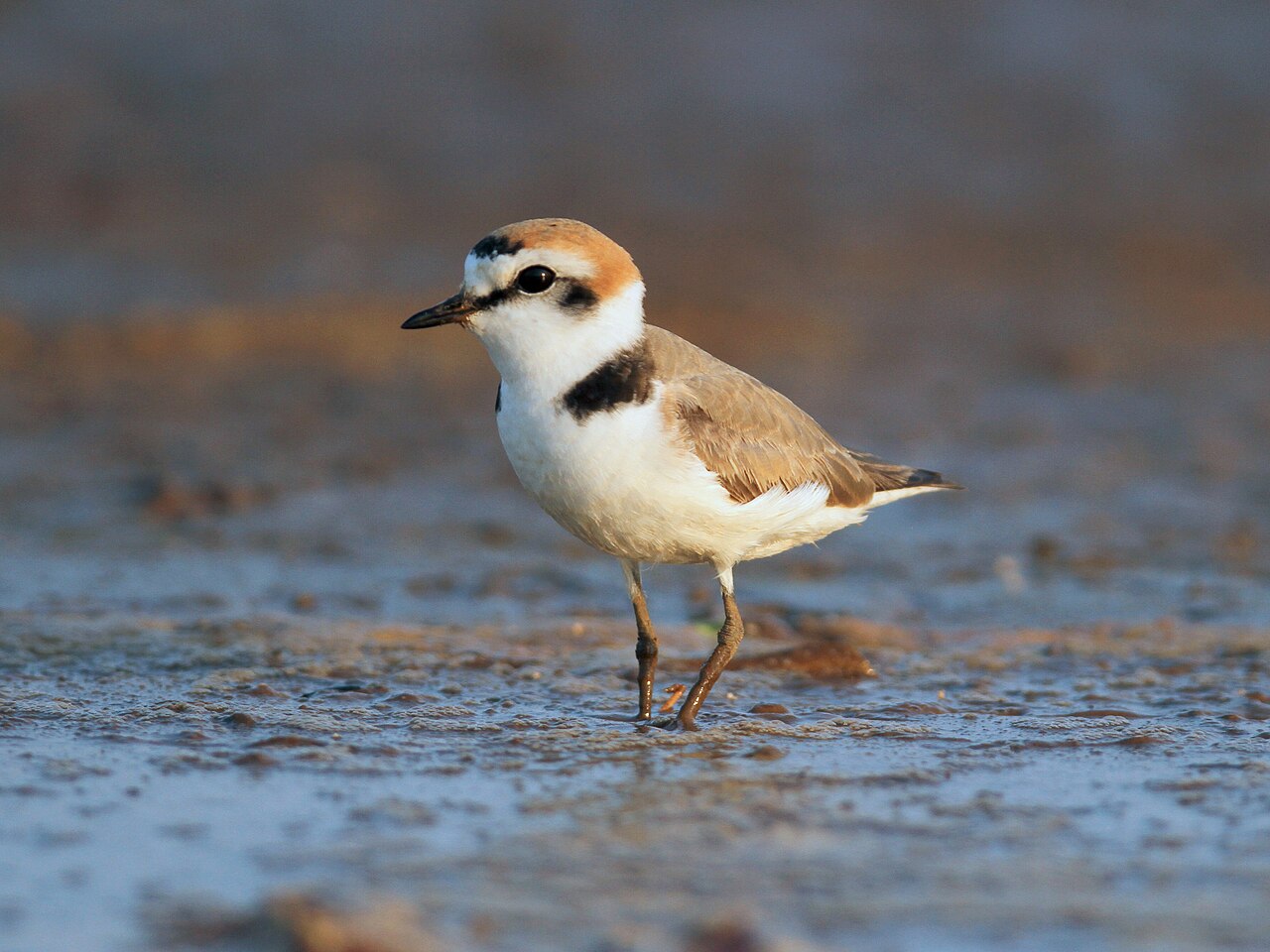
Kentish Plovers Chose More Open Nests as the Season Progressed
On Tunisia’s coast, Kentish Plovers nested increasingly in the open as the season progressed, despite expectations that they…
Read story →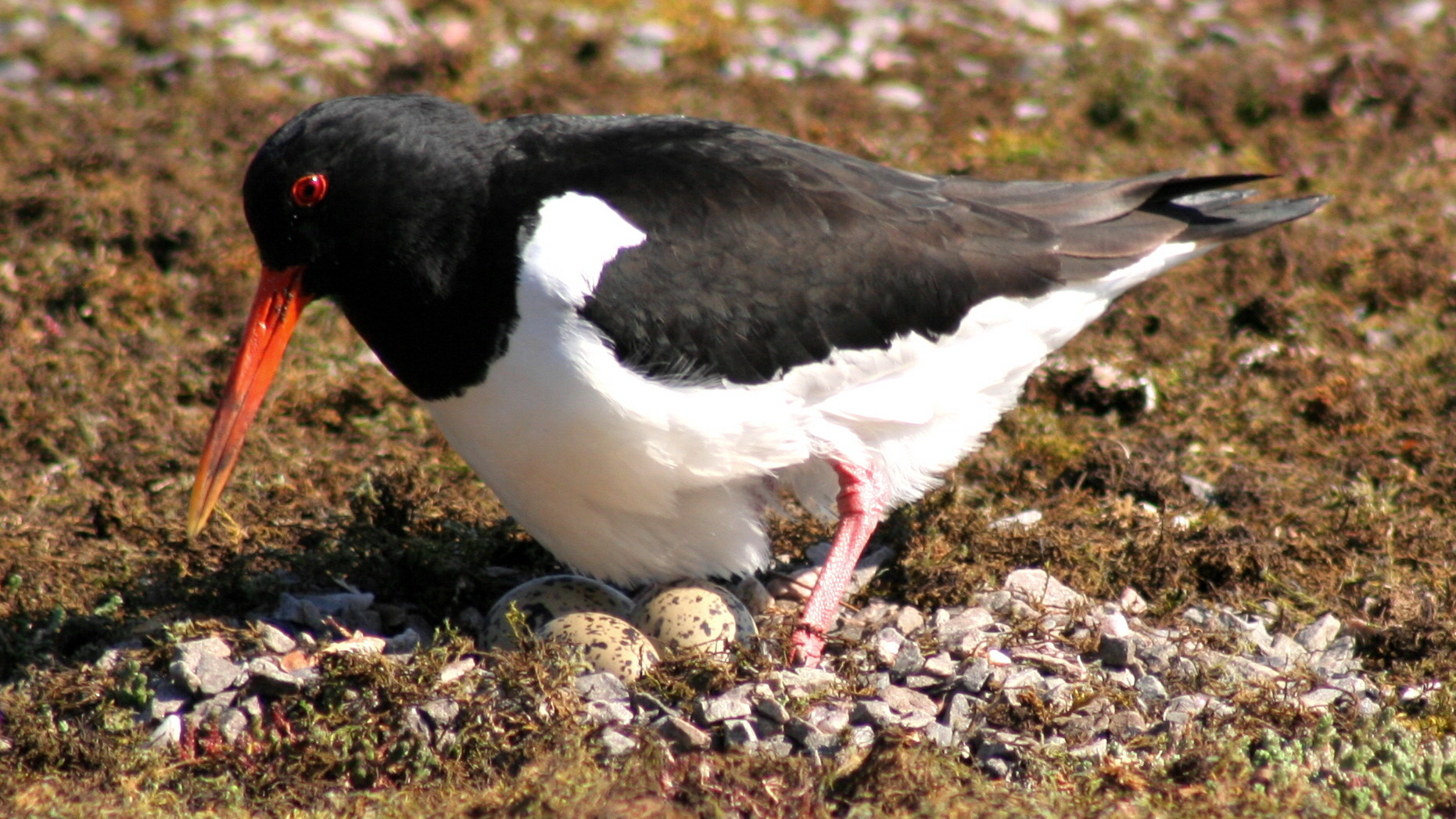
First Eurasian Oystercatcher Nest in Lazio Used an Active Kentish Plover Nest
Italy's first documented Eurasian oystercatcher nesting attempt in Lazio used an active Kentish plover nest and became the…
Read story →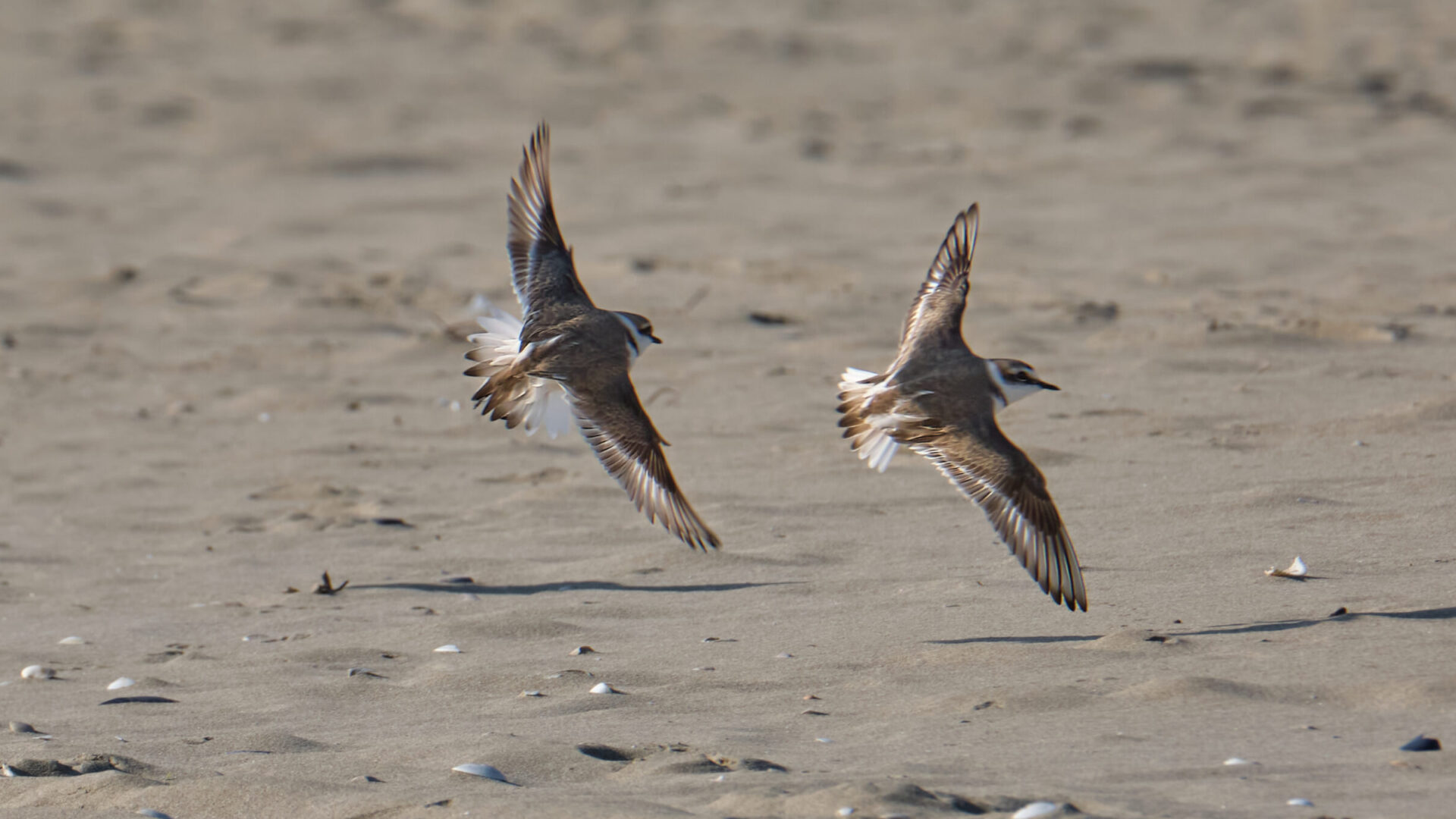
Experts Grouped 34 Stakeholders Into Six Kentish Plover Conservation Roles
A 2026 study at Torre Flavia in central Italy used assessments from 13 experts to group 34 stakeholders…
Read story →SPECIES IN THIS STORY
Species in this story
Independent research and conservation news archive
Did you find this information useful?
Wildlife Vagabond is independently built and maintained. Voluntary support helps cover source verification, hosting and continued work on research and conservation news.
Support Wildlife VagabondThe news archive will remain freely available.