
Kentish Plovers Chose More Open Nests as the Season Progressed
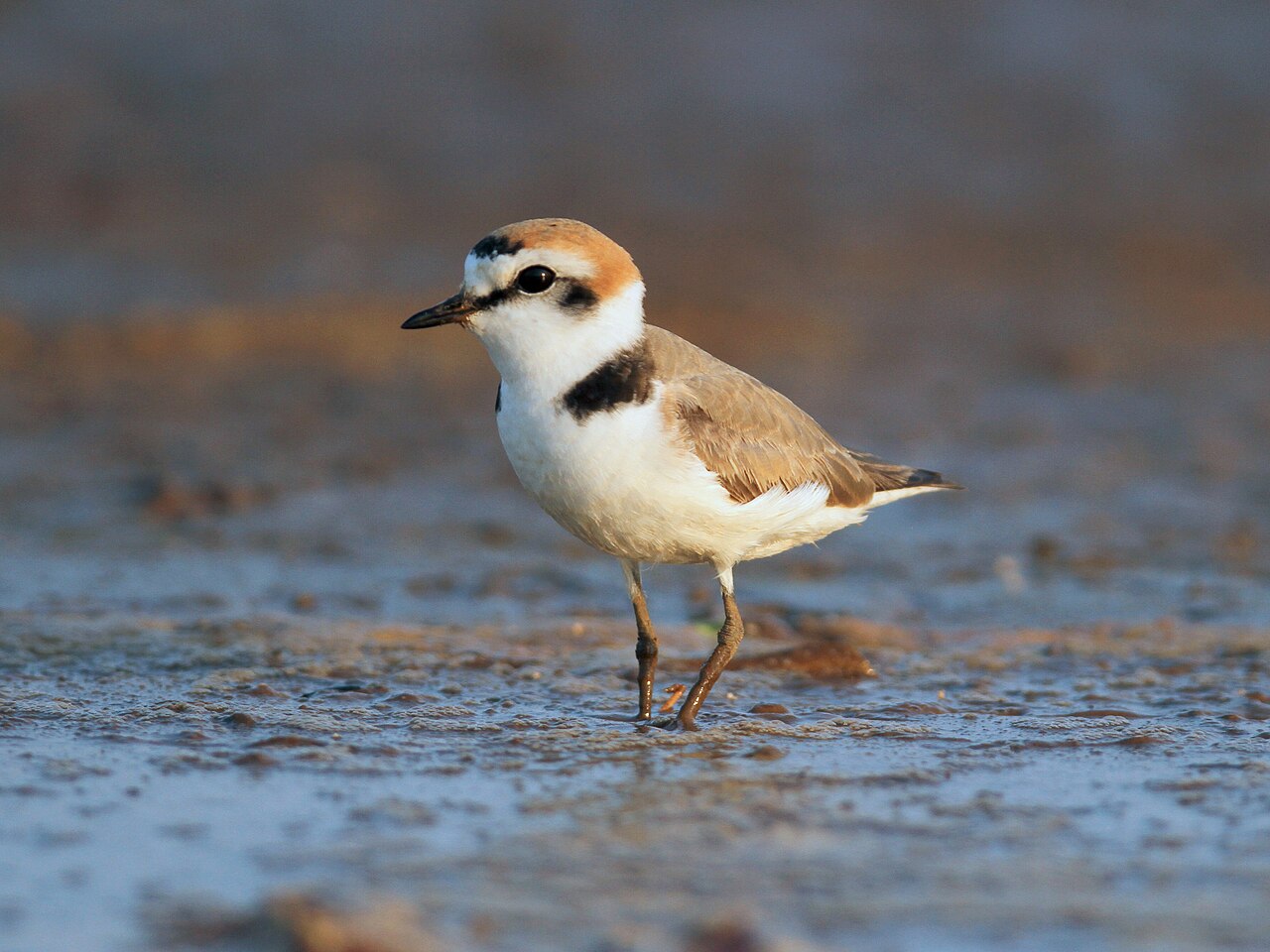
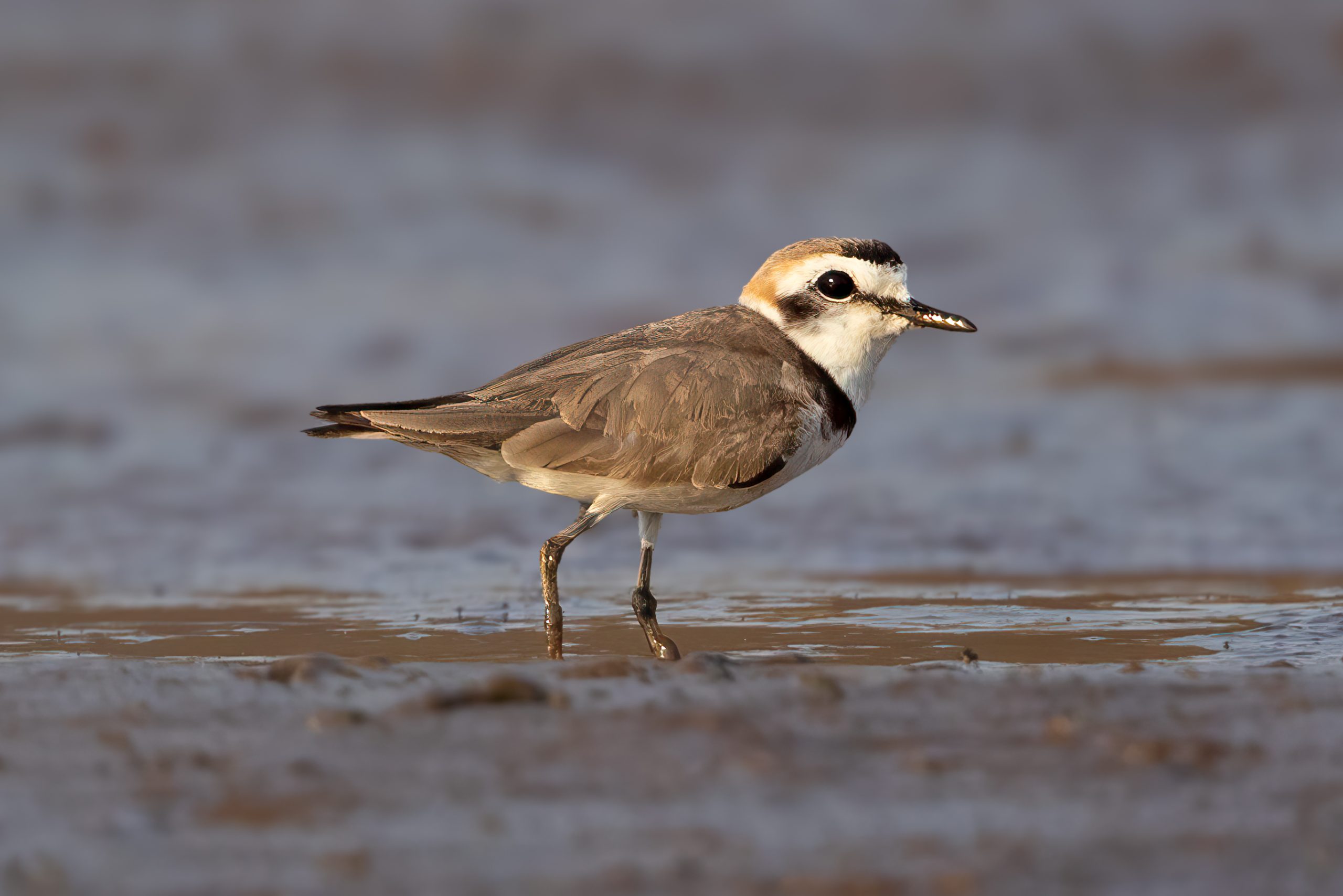
Vegetation above a nest provides shade, but an open site gives an incubating bird a better view of approaching predators. For Kentish Plovers (Anarhynchus alexandrinus) on Tunisia’s Gulf of Gabes coast, open nest sites became increasingly common as the breeding season progressed—the opposite of the researchers’ expectation that warmer weather would make shade more attractive.
The researchers examined 81 nests at Oued Maltine fishpond near Mahres between April and July 2022. The birds nested on and around sparsely vegetated dykes. More than half the nests, 46, had no vegetation overhead. Nests with substantial cover became less common with later laying dates.
Why the birds chose these sites remains unclear. The researchers suggest that open locations may make it easier to detect danger and escape. Competition for nest sites with other breeding birds could also play a role. Shade alone, then, does not explain where these plovers lay their eggs.
Who Decides Where a Pair Nests?
Male Kentish Plovers make several shallow nest scrapes, which females inspect before laying. Both parents incubate, but females usually take on more daytime incubation, while males are more likely to incubate at night. Shade and a clear view may therefore have different value for the two sexes.
The researchers tested whether either sex held particularly firmly to one type of nest site when pairing with a new partner. In an experiment involving 25 pairs, they moved eggs to foster nests and temporarily held one partner in captivity while releasing the other. The captive bird was released once its former partner had re-paired and started a new clutch.
They found enough subsequent nests to compare two breeding attempts by ten males and ten females. Six of ten birds of each sex had more or less vegetation over their new nest; the rest had the same amount of cover as before. Neither sex showed a clear, fixed preference carried over to nesting with a new partner.
The experiment concerns renesting after the apparent loss of eggs and a partner. It therefore cannot show whether birds would repeat their nest choice after breeding successfully. It does show that, in this situation, nest-cover choices were flexible in both males and females.
Behaviour
Related news
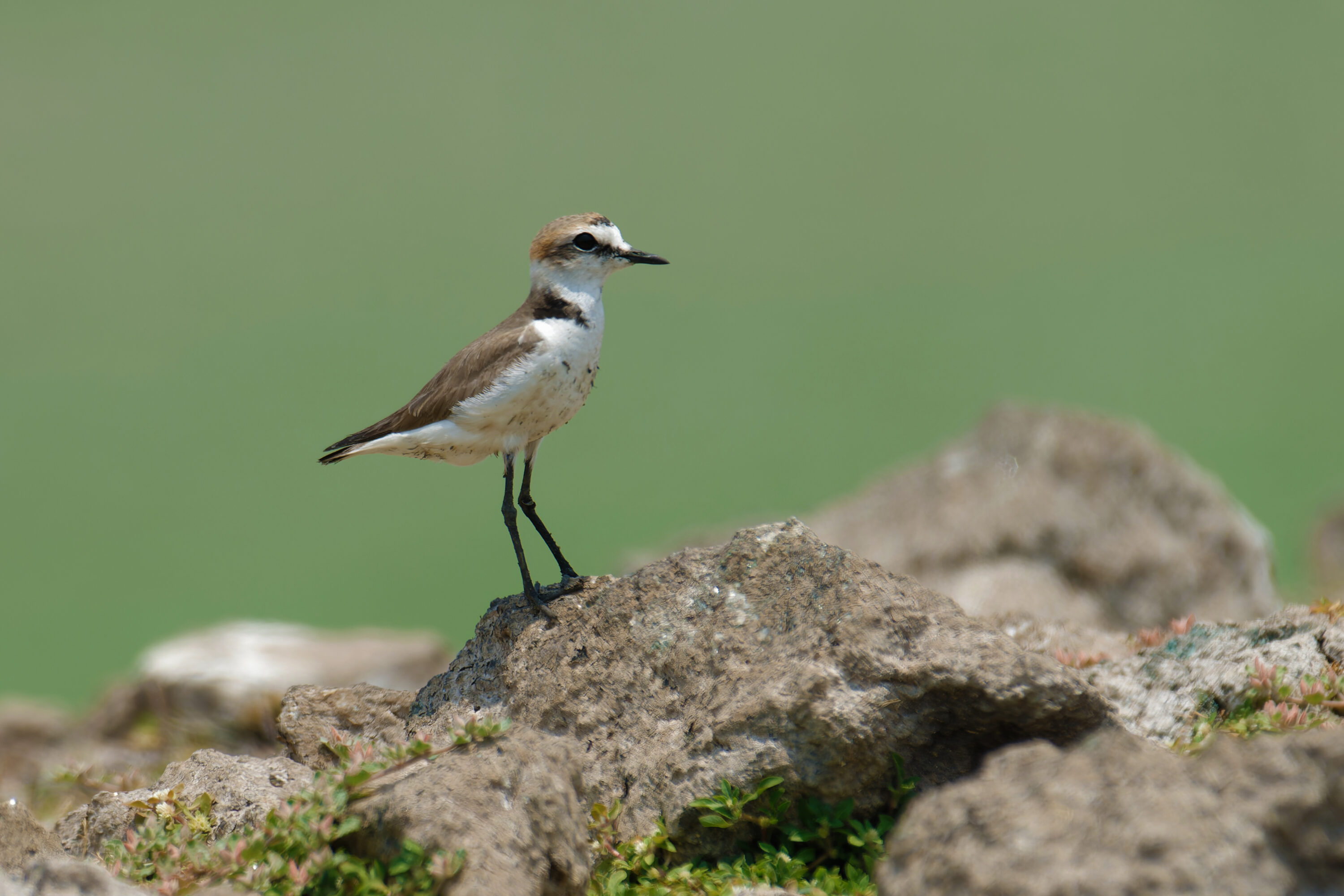
Kentish Plovers shift how they forage while keeping a stable diet
Video recordings from a tropical beach on India’s west coast show that successful surface foraging declined from 2020…
Read story →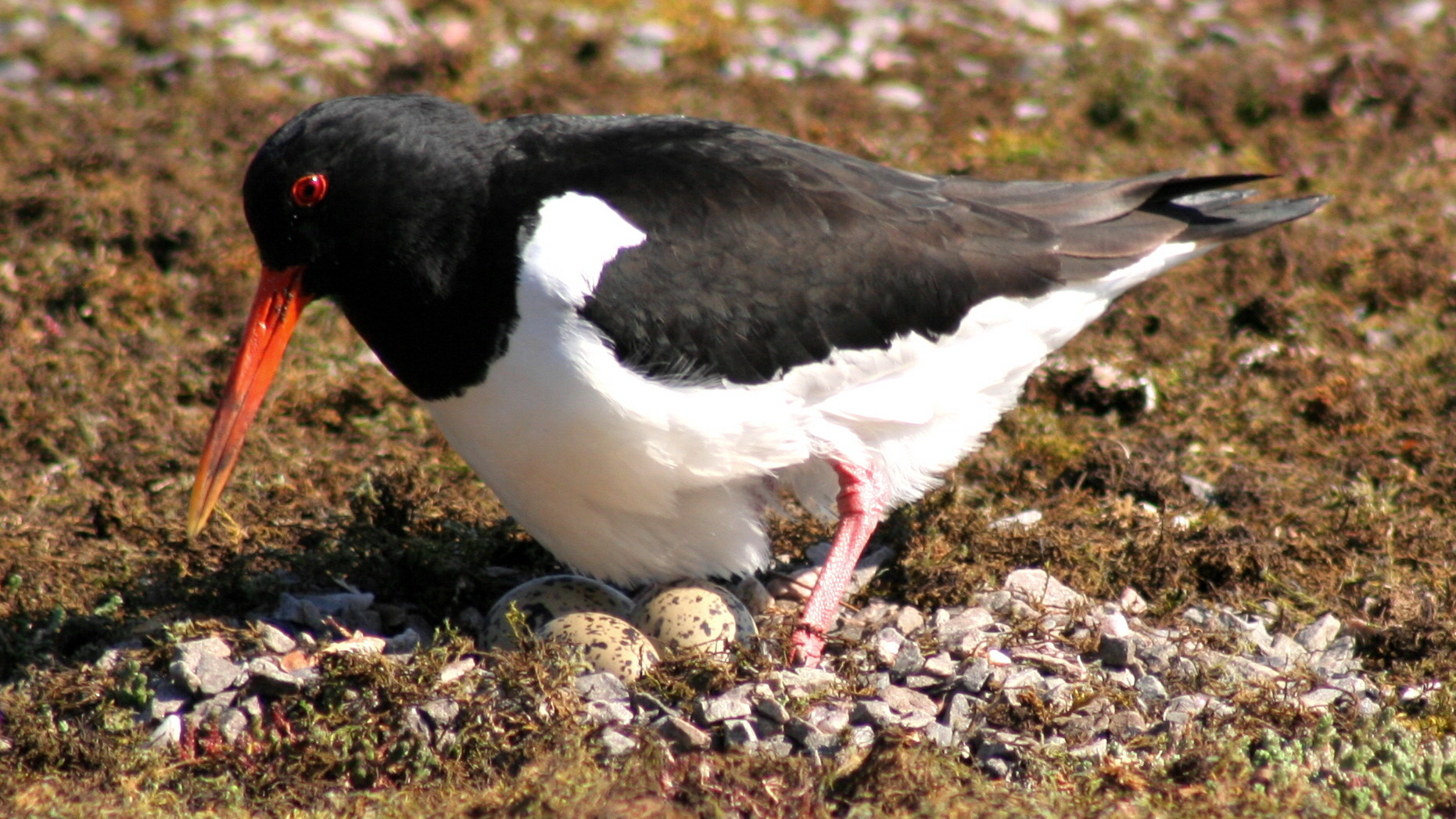
First Eurasian Oystercatcher Nest in Lazio Used an Active Kentish Plover Nest
Italy's first documented Eurasian oystercatcher nesting attempt in Lazio used an active Kentish plover nest and became the…
Read story →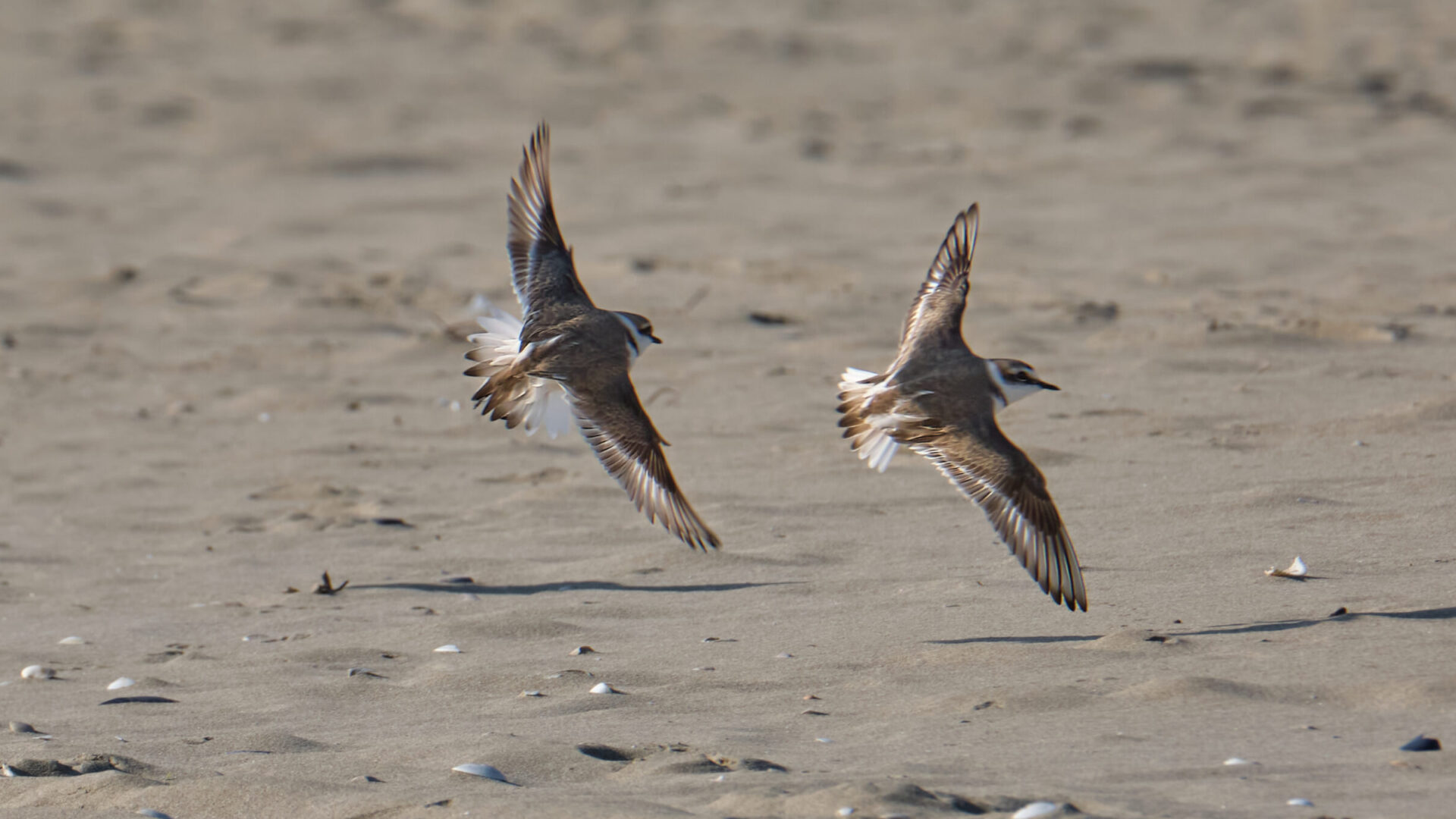
Experts Grouped 34 Stakeholders Into Six Kentish Plover Conservation Roles
A 2026 study at Torre Flavia in central Italy used assessments from 13 experts to group 34 stakeholders…
Read story →SPECIES IN THIS STORY
Species in this story
Independent research and conservation news archive
Did you find this information useful?
Wildlife Vagabond is independently built and maintained. Voluntary support helps cover source verification, hosting and continued work on research and conservation news.
Support Wildlife VagabondThe news archive will remain freely available.