
First Eurasian Oystercatcher Nest in Lazio Used an Active Kentish Plover Nest
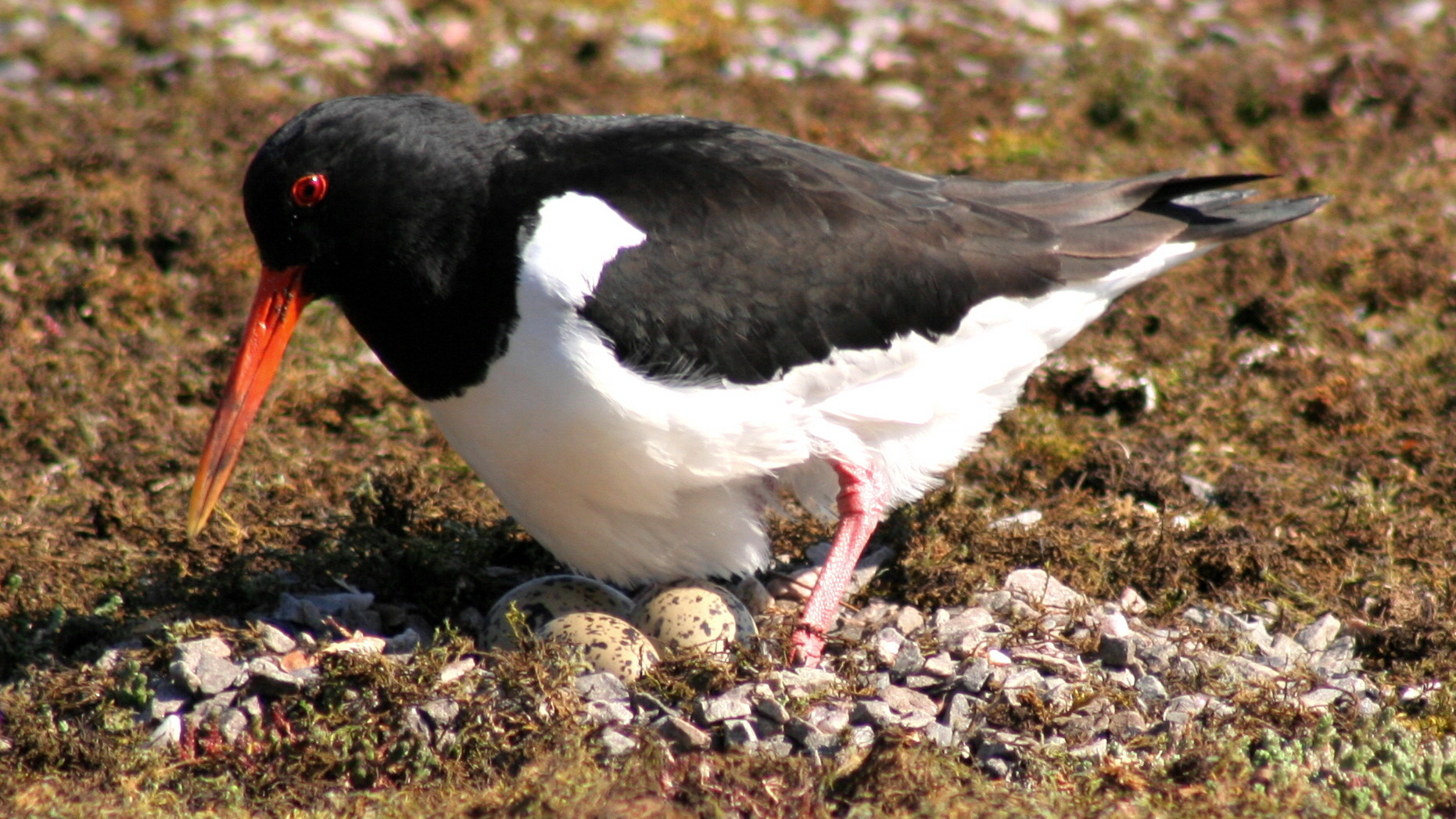
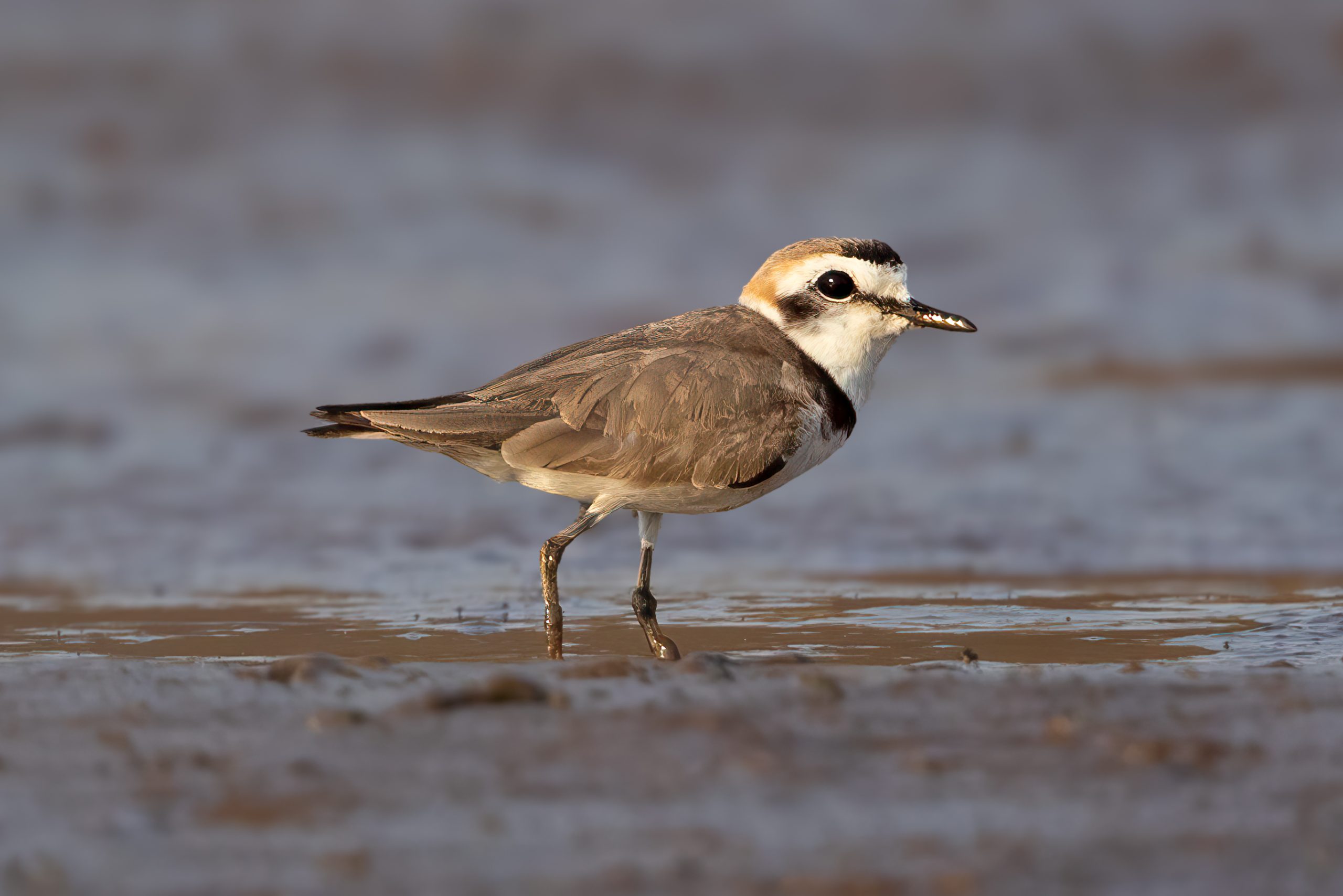
The first documented breeding attempt by Eurasian oystercatcher (Haematopus ostralegus) in Lazio, Italy, involved an unusual nest site: the birds laid their eggs in an active nest of kentish plover (Anarhynchus alexandrinus) from which two plover eggs had been removed. The observation was published on 3 June 2026 and also represents the southernmost known nesting site for Eurasian oystercatcher in Italy.
The nest was found during monitoring of kentish plovers along the Lazio coast at Furbara-Scoglietti. The first oystercatcher egg was laid on 30 April 2025 on a sandy beach where public access was limited and partly prohibited.
The male lacked the toes on one foot
The author notes that the male oystercatcher lacked all toes on its left foot and had been observed in the area for at least two years. Because oystercatchers normally scrape a shallow nest depression, the paper proposes that this injury may have made it difficult for the male to dig in the sand and may help explain why the pair used the existing kentish plover nest.
The author discusses the takeover as a possible example of brood parasitism, here referring to the use of another species’ active nest after its eggs had been displaced. The female oystercatcher was observed incubating the eggs herself. One displaced plover egg was found intact about a metre from the nest, but the paper does not establish exactly how the eggs were removed.
The breeding attempt failed after 24 days of incubation
The oystercatcher eggs were incubated for 24 days. They then disappeared and were considered likely to have been taken by a canid. Eggshell fragments found near the nest were later analysed for chromium, nickel, mercury, manganese and zinc. All five metals were detected, but the author notes that the lack of reference data for Eurasian oystercatcher eggshells makes the biological significance of the concentrations difficult to assess.
kentish plover and little ringed plover (Charadrius dubius) also nested within a few dozen metres of the oystercatcher nest. The author places the record among the relatively few breeding attempts by Eurasian oystercatchers along Italy’s Tyrrhenian coast.
Reproduction & development
Related news
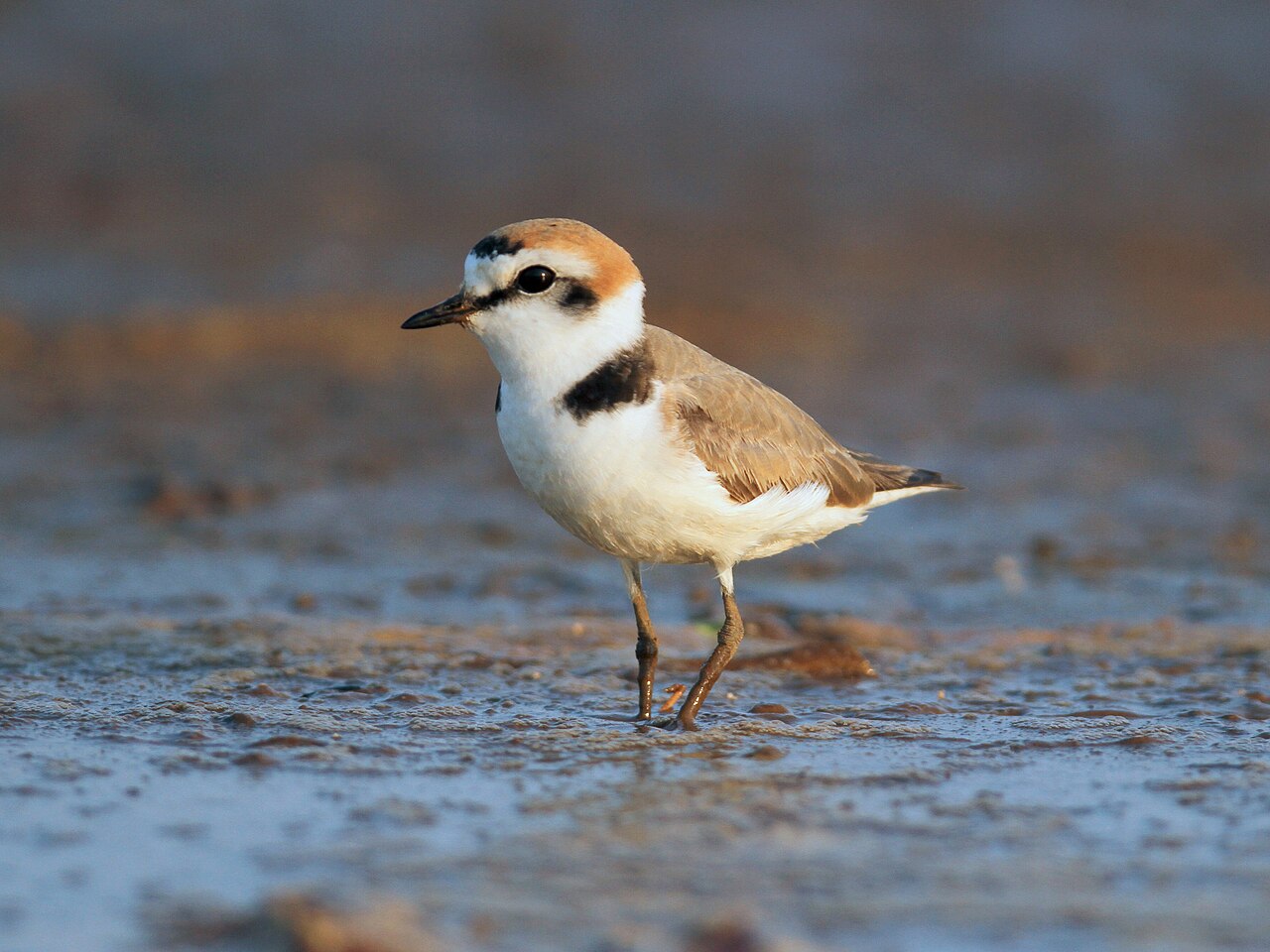
Kentish Plovers Chose More Open Nests as the Season Progressed
On Tunisia’s coast, Kentish Plovers nested increasingly in the open as the season progressed, despite expectations that they…
Read story →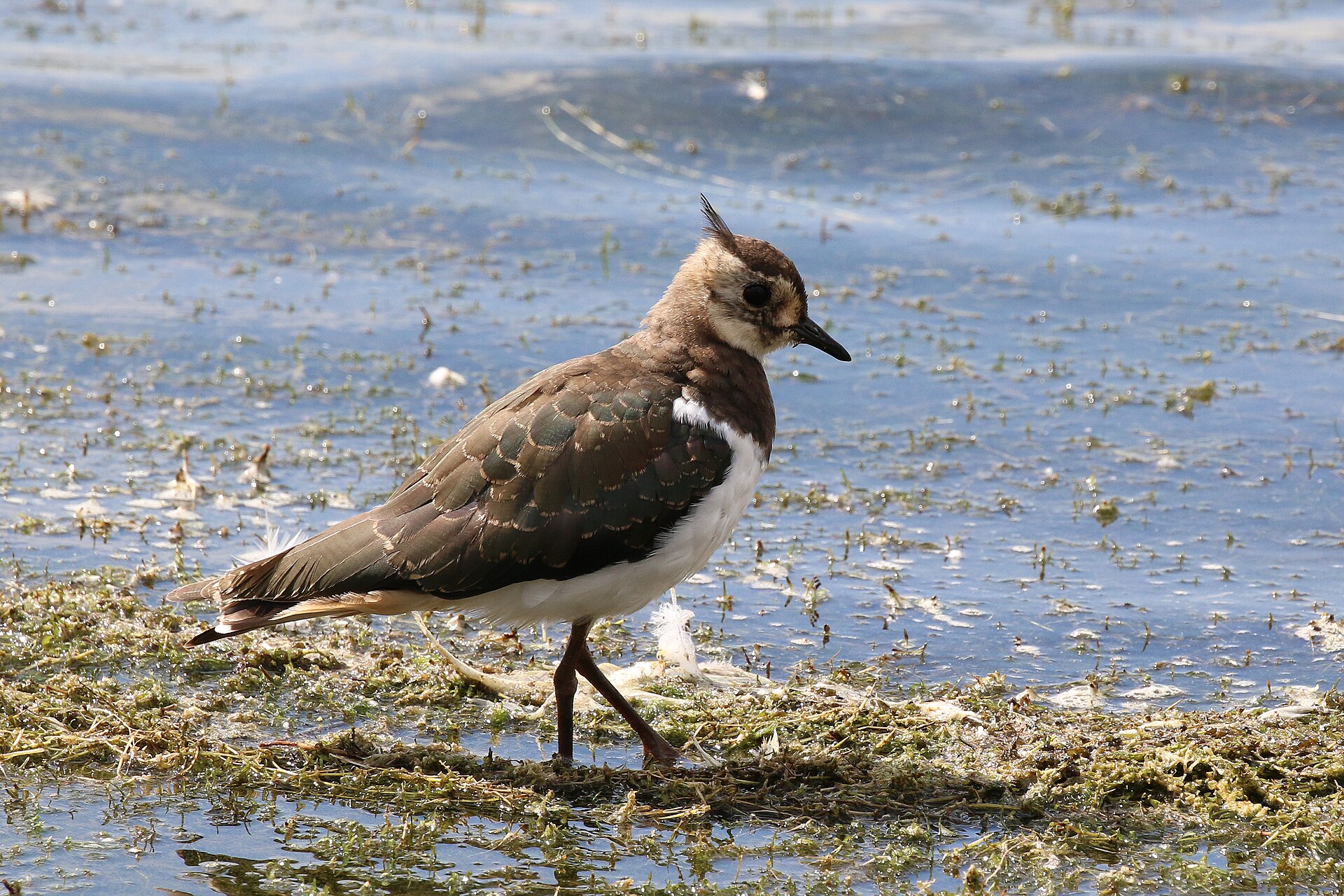
Lapwings Nest Later Further North in Britain, but Oystercatchers Start Earlier
Lapwings and oystercatchers follow different breeding calendars. British nest records show that fixed grazing and mowing dates can…
Read story →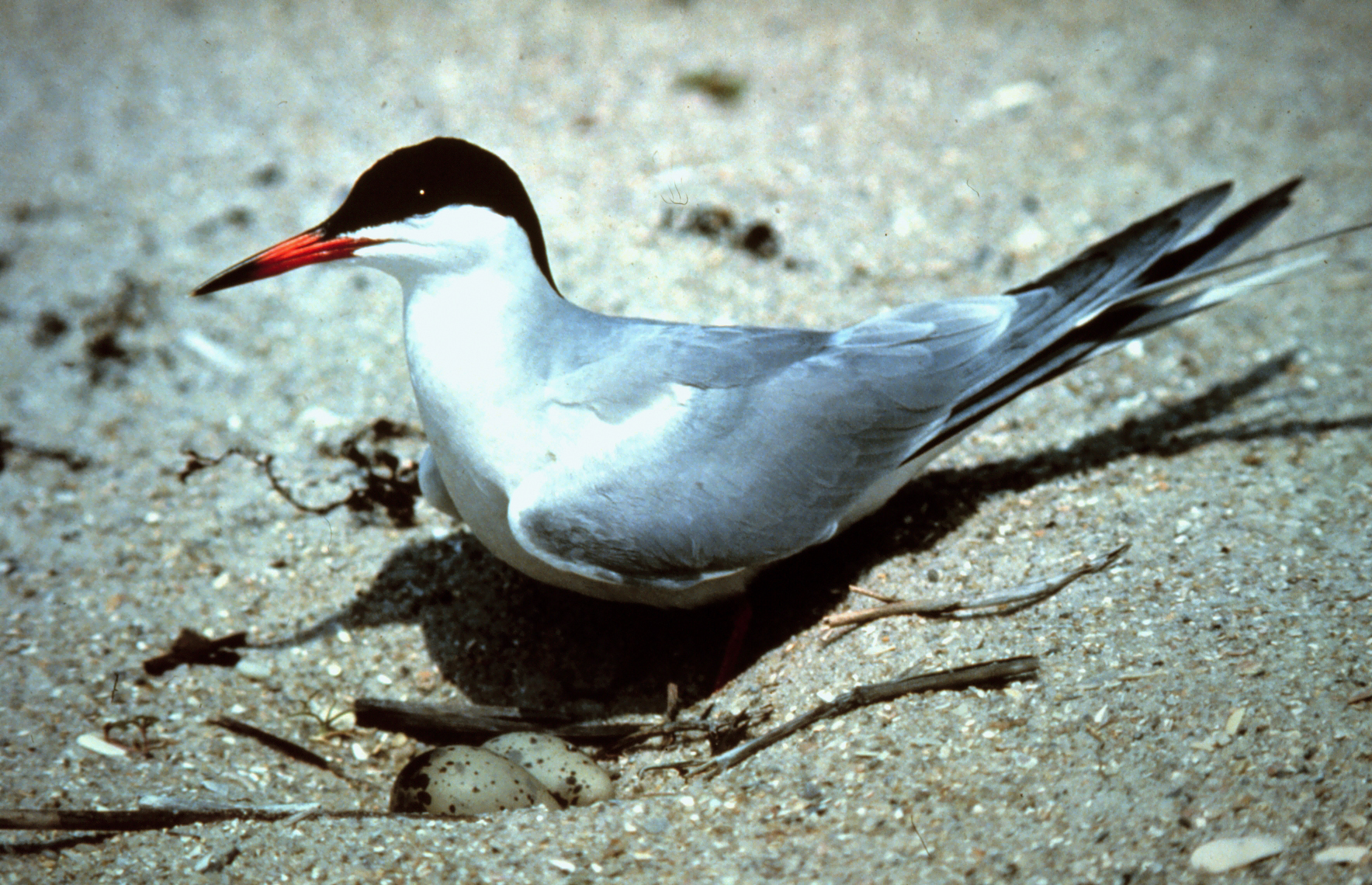
Common Tern Eggs Had More PCBs, HCB and Mercury Than Oystercatcher Eggs in 40-Year Wadden Sea Study
Monitoring from 1981–2023 found higher PCB, HCB and mercury levels in common tern eggs than in Eurasian oystercatcher…
Read story →SPECIES IN THIS STORY
Species in this story

Independent research and conservation news archive
Did you find this information useful?
Wildlife Vagabond is independently built and maintained. Voluntary support helps cover source verification, hosting and continued work on research and conservation news.
Support Wildlife VagabondThe news archive will remain freely available.